
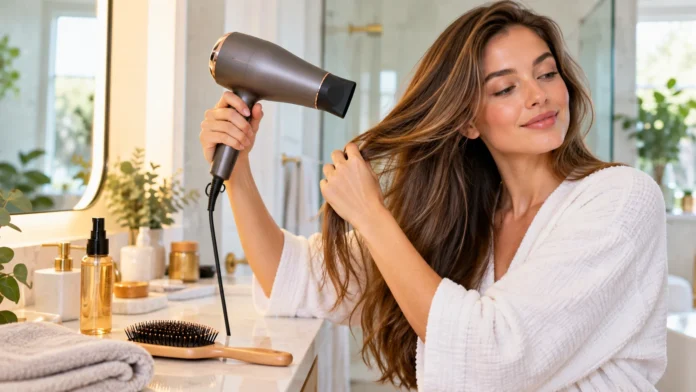

Why Learning to Use a Hair Dryer Properly Matters
Using a hair dryer is a convenient way to dry and style hair after washing, but incorrect techniques can cause unnecessary damage. Excessive temperatures, prolonged exposure, and rough brushing may weaken hair fibers over time. Learning how to use a hair dryer without excess damage helps maintain hair strength, manageability, and comfort. Small adjustments to your routine can make everyday blow-drying gentler and more effective.
Hair contains a protective outer layer called the cuticle, which helps maintain its structure and reduce moisture loss. Repeated exposure to excessive heat can affect this protective layer and increase dryness, tangling, and breakage. Hair that has already experienced chemical processing or frequent heat styling may be especially vulnerable. Understanding these effects helps you make better decisions when choosing drying methods and styling temperatures.
A safer blow-drying routine does not require expensive equipment or complicated techniques. Simple habits such as removing excess water, applying suitable heat protection, and controlling airflow can reduce unnecessary stress. The goal is to dry hair efficiently without exposing individual sections to more heat than necessary. With consistent care, you can enjoy convenient styling while reducing the risk of preventable damage.
Start With a Gentle Hair Washing Routine
Protecting your hair during blow-drying begins before you switch on the appliance. A gentle washing routine helps remove dirt, oil, and product buildup without causing unnecessary friction. Choose a shampoo that suits your scalp and hair needs, and concentrate cleansing primarily on the scalp. Avoid aggressive scrubbing or pulling because wet hair can be particularly vulnerable to mechanical damage.
Conditioner helps improve hair manageability and reduces friction during detangling and styling. Apply it according to the product instructions, paying attention to areas that experience dryness or tangling. Hair that feels smoother and easier to comb generally requires less force during brushing. This preparation can make the drying process more comfortable and reduce the need for repeated styling movements.
Rinse your hair thoroughly to remove cleansing products and avoid leaving unwanted residue behind. Residual buildup may affect how the strands feel when drying and can make certain styling products harder to distribute evenly. Use comfortably warm water rather than unnecessarily hot water if your scalp is sensitive. A simple, consistent washing routine establishes a useful foundation for gentler hair drying.
Remove Excess Water Before Using a Hair Dryer
One of the easiest ways to reduce blow-drying time is to remove excess water before applying heat. Hair that is dripping wet generally requires more drying time than hair that has been gently towel-dried. Begin by carefully squeezing out excess moisture without twisting or pulling the strands. This preparation helps reduce the total amount of heated airflow needed.
A microfiber towel or soft cotton T-shirt can be useful for absorbing moisture while limiting unnecessary friction. Instead of rubbing the hair vigorously, gently press or blot sections to remove water. Rough towel movements may contribute to tangling and cuticle damage, especially when hair is already fragile. Gentle handling allows you to prepare for styling without introducing additional mechanical stress.
Allowing your hair to air dry partially can also shorten the time needed with a blow dryer. However, you do not need to wait until the hair is almost completely dry before beginning. The appropriate timing depends on your hair’s characteristics and the style you want. Focus on reducing excessive moisture while keeping the preparation process comfortable and manageable.
Choose the Right Hair Dryer and Helpful Features
Choosing a suitable hair dryer can make daily styling easier because different models have different temperature and airflow controls. Look for an appliance with adjustable heat settings and more than one airflow speed. These features allow you to adapt drying intensity according to your needs. A cool-air option is also useful when you want to finish styling without adding more heat.
Some hair dryers include ionic technology, ceramic components, or other features marketed for smoother styling. Their effectiveness can vary depending on the appliance, technique, and individual hair characteristics. These features should not replace careful temperature control or appropriate drying methods. A reliable dryer with practical settings may be more useful than an expensive model with unnecessary features.
Consider the weight, nozzle design, and handling comfort before choosing a hair dryer for regular use. An appliance that feels difficult to control may make it harder to maintain steady movement during drying. Check the manufacturer’s operating instructions and examine the power cord regularly for damage. Choosing dependable equipment supports both comfortable styling and safe everyday use.
Apply Heat Protectant Before Blow-Drying Your Hair
Heat protectant is an important part of a blow-drying routine because suitable formulations can reduce certain types of heat-related hair damage. These products generally contain ingredients that help manage friction and how heat affects the hair surface. However, no heat protectant completely eliminates the risk of damage. Appropriate temperature settings and careful styling techniques remain essential even when protective products are used.
Heat protectants are available in different forms, including sprays, creams, lotions, and lightweight serums. Some products are designed for damp hair before blow-drying, while others are suitable for specific styling methods. Choose a formulation that matches your hair’s needs and the manufacturer’s directions. Applying excessive amounts may leave unwanted residue without necessarily improving protection.
Distribute the product through the sections you intend to dry, following the recommended application instructions. Pay attention to the lengths and ends because these areas may have experienced more previous styling and environmental exposure. A wide-tooth comb can help distribute suitable products when used gently. Once the hair is prepared, begin drying with controlled airflow rather than immediately selecting maximum heat.
Use the Right Heat and Airflow Settings
Using the lowest effective heat setting is one of the most practical ways to reduce unnecessary damage from a hair dryer. High temperatures may speed up moisture evaporation, but they can also increase stress on hair fibers. Begin with a low or medium heat setting whenever possible. Adjust only when necessary rather than assuming that hotter air always produces better styling results.
Airflow speed is different from temperature, and both settings influence the drying process. Moderate or stronger airflow can sometimes help move moisture away without requiring the highest heat setting. However, excessive airflow may tangle certain hair types or make styling difficult. Experiment with the available settings until you find a comfortable balance between drying efficiency and hair control.
Pay attention to how your hair and scalp feel throughout the drying process. If the airflow feels uncomfortably hot against your skin, move the dryer farther away or lower the temperature. Avoid concentrating intense heat near the same area for extended periods. Comfortable settings and consistent movement help maintain control while reducing repeated exposure to excessive temperatures.
Keep the Hair Dryer Moving and Maintain a Safe Distance
Holding a blow dryer too close to your hair can concentrate heat on a small area. This becomes more concerning when the appliance remains stationary while hot airflow repeatedly reaches the same strands. Maintain a comfortable distance between the nozzle and your hair instead of pressing the dryer directly against it. Keeping the appliance moving distributes heat more evenly.
Direct the airflow along the section you are drying and adjust the dryer position as you move. Avoid holding the nozzle directly against brushes, hair accessories, or the scalp unless the appliance instructions specifically permit the technique. A concentrator attachment can help direct airflow, but it may also concentrate heat. Careful positioning is therefore important when using accessories.
Your scalp also deserves protection because concentrated hot air can cause discomfort or irritation. If you notice excessive warmth, pause briefly and reduce the temperature before continuing. There is no advantage to forcing the drying process when the scalp feels uncomfortable. Gentle, controlled movements make the experience more manageable and help prevent unnecessary heat exposure.
Detangle and Divide Your Hair Into Manageable Sections
Detangling before blow-drying helps reduce pulling and repeated brushing during styling. Start with an appropriate wide-tooth comb or detangling brush and work carefully through knots. Begin near the ends and gradually move upward instead of pulling directly from the roots. This approach can reduce unnecessary tension, especially when the hair is damp and more easily stretched.
Sectioning makes blow-drying more organized because you can concentrate on one manageable area at a time. Use gentle clips or accessories to separate the hair without pulling tightly. Smaller sections may help airflow reach strands more evenly, while larger sections can sometimes make drying less predictable. Choose a section size that suits your hair and feels comfortable.
Avoid repeatedly brushing an area simply because it has not reached the desired style immediately. Excessive brushing combined with heated airflow may increase mechanical stress on the strands. If a section becomes tangled, stop drying briefly and detangle gently before continuing. Taking a controlled approach helps improve drying efficiency while limiting unnecessary friction and repeated heat exposure.
Use Hair Dryer Attachments for Better Styling Control
Hair dryer attachments can help direct airflow and make certain styling techniques easier to manage. A concentrator nozzle narrows the airflow, allowing you to focus on selected hair sections. This attachment is commonly used during brush-assisted blow-drying because it gives greater control over the drying direction. However, focused airflow should still be used at comfortable temperatures.
A diffuser attachment spreads airflow over a wider area and is commonly used with curly or wavy hair. It can help dry sections with less direct air movement, which may reduce disruption of natural curl patterns. Many people prefer using a diffuser with low or medium heat and gentle airflow. The appropriate method depends on the hairstyle and individual hair characteristics.
Attachments should always be compatible with the hair dryer and used according to the manufacturer’s instructions. Avoid touching hot attachments immediately after drying because some components retain heat. Clean accessories when necessary to remove product buildup or trapped debris. Using the correct attachment can improve styling control, but thoughtful technique remains more important than purchasing additional accessories.
Adjust Blow-Drying Techniques for Different Hair Types
Different hair types may respond differently to heat, airflow, and brushing, so one drying technique does not suit everyone. Fine hair or hair that has experienced chemical processing may benefit from particularly gentle handling and lower temperatures. Pay attention to how easily the strands become tangled or dry. The aim is to reduce unnecessary exposure while maintaining comfortable styling.
Curly and wavy hair can often be dried using a diffuser or other techniques that limit disruption from strong airflow. Some people prefer gently positioning sections near the diffuser instead of repeatedly brushing through them. Choosing suitable products and avoiding excessive handling can help maintain the natural arrangement of the strands. Styling preferences should guide the method rather than rigid rules.
Thick or dense hair may require additional sectioning to reach areas that retain moisture longer. Increasing airflow strategically can be more useful than relying exclusively on very high temperatures. Work through manageable sections and check whether the inner layers are drying comfortably. Regardless of hair type, controlled heat and gentle movement remain important for reducing excess damage.
Avoid Common Hair Dryer Mistakes That Cause Damage
One common blow-drying mistake is selecting the highest temperature immediately and keeping it there throughout the entire routine. Although this may seem faster, prolonged exposure to intense heat can increase the risk of damage. Begin with gentler settings and adjust according to actual drying needs. Avoid using excessive heat simply because it is available on the appliance.
Another mistake involves repeatedly drying sections that are already dry while other areas remain damp. This uneven approach can expose certain strands to unnecessary heat and make the overall process less efficient. Work methodically through different sections and check their moisture levels as you continue. Once an area is sufficiently dry, move to the next rather than continuing without a clear reason.
Poor appliance maintenance can also interfere with performance and safe operation. Dust or lint collecting around the air intake may restrict airflow and affect drying efficiency. Follow the manufacturer’s cleaning instructions and unplug the appliance before performing permitted maintenance. Never operate a hair dryer with a damaged cord, and keep electrical styling equipment away from water.
Care for Your Hair After Blow-Drying
After blow-drying, allow your hair to cool before making additional styling adjustments. Repeatedly applying heat to sections that have already dried can increase cumulative exposure without providing meaningful benefits. If the dryer has a cool-air function, you can use it during the finishing stage. This approach allows you to complete styling without relying on another prolonged burst of hot air.
A suitable leave-in conditioner or lightweight finishing product may help improve manageability after drying. Choose products according to your hair’s needs and follow their application instructions to avoid unnecessary buildup. Conditioning can temporarily smooth the hair surface and reduce friction, but it cannot fully reverse significant structural damage. Maintaining gentle handling remains important after the styling process ends.
Reducing the frequency of heated styling can also help limit accumulated damage over time. Consider air-drying or other heat-free methods on days when a complete blowout is unnecessary. If you notice increasing breakage, roughness, or unusual changes in hair condition, review your routine and seek professional guidance when appropriate. Consistent preventive care is more effective than relying entirely on treatments after damage develops.
Conclusion
Learning how to use a hair dryer without excess damage starts with gentle preparation, suitable heat protection, and careful control of airflow. Removing excess water before drying can reduce the time needed with heated tools. Choosing comfortable temperature settings and keeping the appliance moving also helps limit unnecessary exposure. These practical adjustments support a more manageable and protective styling routine.
Different hair types may require slightly different drying techniques, but the basic principles remain similar. Avoid aggressive brushing, excessive temperatures, and repeated heat application to already dry sections. Using appropriate attachments and working through manageable sections can improve control throughout the process. Consistent habits make blow-drying easier without depending on the highest heat settings.
Protecting hair from blow-drying damage is about reducing avoidable stress rather than eliminating every styling tool from your routine. Pay attention to how your hair responds and adapt your methods when necessary. Combining gentle washing, thoughtful drying, and suitable aftercare can help maintain hair manageability and reduce breakage. A simple, consistent approach makes everyday styling more comfortable and practical.
Frequently Asked Questions (FAQs)
What is the healthiest way to blow-dry your hair?
Gently remove excess water, apply a suitable heat protectant, and use low or medium heat. Keep the dryer moving at a comfortable distance and avoid repeatedly heating sections that are already dry.
Is it better to air-dry or blow-dry your hair?
Both methods can be suitable depending on your hair and routine. Gentle air-drying reduces heat exposure, while controlled blow-drying can shorten drying time. Avoid excessive heat and rough handling with either method.
Should you use heat protectant before blow-drying?
Yes, a suitable heat protectant can help reduce certain types of heat-related damage. Apply it according to the product instructions, remembering that it cannot completely prevent damage from excessive temperatures or prolonged exposure.
Can using a hair dryer every day damage your hair?
Frequent blow-drying can contribute to cumulative damage, particularly when high temperatures and repeated brushing are involved. Gentler settings, careful preparation, and occasional heat-free days can help reduce unnecessary stress.
What temperature should you use when blow-drying hair?
Use the lowest temperature that dries your hair comfortably and efficiently. Low or medium heat is often a practical starting point, especially for fragile or previously damaged hair. Avoid uncomfortable heat.