
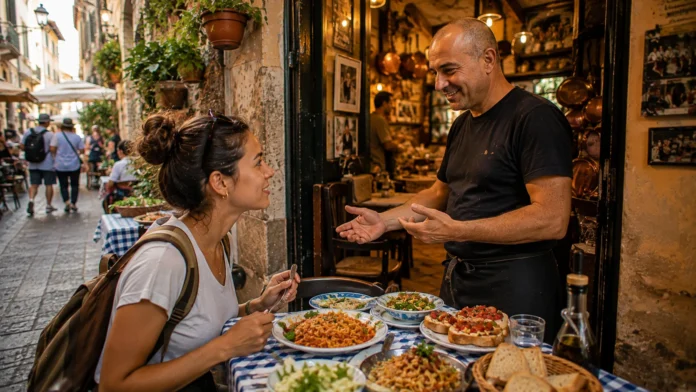

How to Find Authentic Restaurants Abroad
Finding an authentic restaurant abroad can turn an ordinary meal into one of the most memorable parts of your trip. Local restaurants often reveal far more than food alone. They reflect regional ingredients, family traditions, cultural habits, cooking techniques, and the everyday way people gather around a table.
The challenge is that popular tourist districts are often filled with restaurants competing for visitors rather than regular local customers. Some may serve excellent food, while others focus mainly on location, convenience, and familiar dishes. Travelers who want a more genuine dining experience need to look beyond the most obvious options.
Authenticity also does not mean a restaurant must be old-fashioned, inexpensive, hidden, or completely unknown to tourists. A modern restaurant can still be deeply connected to local cuisine, while a famous establishment can remain respected by residents. The goal is to find places that represent the destination honestly rather than simply perform a simplified version of local culture for visitors.
Learning how to find authentic restaurants abroad requires observation, curiosity, local recommendations, and a little research. By paying attention to who is eating, what is being served, how menus are structured, and where restaurants are located, you can make better choices and experience regional food with much more confidence.
Understand What an Authentic Restaurant Really Means
An authentic restaurant is usually one that reflects the ingredients, cooking traditions, dining habits, and flavors associated with the place where it operates. That does not necessarily mean every recipe must be prepared exactly as it was generations ago. Food culture naturally evolves as chefs adapt to new ingredients, techniques, and customer preferences.
Authenticity is often easier to recognize through consistency than appearance. A simple restaurant serving a focused selection of local dishes may feel more connected to the destination than a beautifully decorated place offering a long menu of generalized national cuisine.
The people eating there can provide useful clues as well. Restaurants that attract neighborhood residents, office workers, families, and repeat customers usually depend on local reputation rather than one-time tourist traffic.
It is also worth remembering that regional cuisine can be very different from national stereotypes. The most authentic meal in one city may look nothing like the foods you expected based on what is internationally associated with that country.
Research Regional Cuisine Before You Travel
Learning a little about local food before arrival makes authentic restaurants much easier to recognize. Instead of searching only for “best restaurants,” learn several dishes, ingredients, and regional specialties associated with your destination.
Focus on the city or region rather than the entire country. Coastal areas, mountain regions, rural provinces, and major cities can have completely different food traditions.
Knowing a few local dish names also helps you interpret menus. If a restaurant features several specialties you already know are connected to the region, that can be a promising sign.
Keep your research flexible. The purpose is not to decide every meal in advance, but to give yourself enough knowledge to recognize good opportunities once you start exploring.
Ask Locals Where They Personally Eat
Local recommendations can be extremely valuable, especially when you ask the right questions. Instead of requesting the “best restaurant,” ask where someone personally eats with friends or family.
Specific questions tend to produce better answers. You might ask where they go for lunch, which place serves the best traditional dish, or where they would take someone visiting for the first time.
Ask different people during your trip. Hotel staff, taxi drivers, shopkeepers, guides, market vendors, café workers, and local hosts may all have different favorites.
If the same restaurant is mentioned several times by unrelated people, it is worth paying attention. Repeated local recommendations can be more meaningful than a single high ranking on a travel website.
Explore Beyond Major Tourist Streets
Restaurants beside major attractions benefit from constant foot traffic, which means they may not need strong repeat business from residents.
Walk a few streets away from famous squares, landmarks, and transport hubs. Even a short distance can change the type of restaurants you encounter.
Neighborhood areas often contain family-run restaurants, lunch counters, bakeries, and casual dining spots that serve people living nearby.
These restaurants may have simpler interiors and fewer translated signs, but they can provide a stronger connection to everyday local food culture.
Look at Who Is Eating There
One of the easiest ways to evaluate a restaurant is to observe the customers.
If most tables are filled with local families, workers, students, or older residents, the restaurant is likely serving the surrounding community rather than depending completely on tourists.
Timing matters. A restaurant may look empty if you arrive before local dinner time, so learn when residents normally eat before judging popularity.
Local customers are not an absolute guarantee of quality, but repeat neighborhood demand is usually a stronger sign than a crowd made up entirely of passing visitors.
Pay Attention to Menu Size
A focused menu can indicate that the kitchen specializes in a manageable range of dishes.
Restaurants that prepare twenty variations of the same regional cuisine may be more convincing than places offering pizza, sushi, burgers, curry, seafood, steaks, and local specialties all at once.
Short menus can also support freshness because ingredients are used more regularly.
There are exceptions, since some cuisines traditionally include very large menus. The useful question is whether the selection feels coherent and connected to the restaurant’s identity.
Look for Regional Specialties
Authentic restaurants often highlight foods associated specifically with the surrounding region.
These may include local seafood, regional pasta, traditional stews, village recipes, seasonal vegetables, special breads, or locally produced cheese.
If the menu focuses heavily on generic national dishes designed for international recognition, the restaurant may be serving a simplified version of the cuisine.
Ask which dish is most traditional locally. Servers can often point you toward something more representative than the first item that looks familiar.
Choose Restaurants That Specialize
Restaurants built around one dish or one category of food can be excellent choices.
A noodle shop, dumpling house, seafood restaurant, grill, soup counter, or bakery may spend years refining only a few items.
Specialization often creates strong repeat demand because customers visit specifically for what the restaurant does well.
When you find this kind of place, order the specialty first. Choosing an unrelated side option can miss the entire reason the restaurant has a local reputation.
Look for Handwritten or Changing Specials
Daily specials can reveal what a restaurant is cooking based on fresh ingredients, seasonality, or local habits.
These dishes may appear on chalkboards, handwritten sheets, or be communicated verbally rather than printed permanently.
A changing menu can suggest that the kitchen adjusts according to what is available instead of relying entirely on standardized dishes.
Ask what is good today rather than simply what is most famous. Sometimes the most authentic meal is the one that was only available that afternoon.
Visit at Local Meal Times
Restaurants often feel most authentic when they are experienced during normal local meal periods.
Lunch may be the busiest time in some cultures, while other places become lively much later in the evening.
Arriving when residents actually eat allows you to observe the restaurant operating naturally.
It can also affect which dishes are available. Lunch specials, breakfast menus, and late-night foods may be completely different from what is served at other times.
Eat Where Local Workers Eat
Worker-focused restaurants can be excellent places to discover affordable, everyday food.
Look around office districts, markets, universities, workshops, train stations, and other areas where people need reliable meals during the working day.
A busy lunch spot filled with regular customers usually needs to provide consistent value to survive.
Service may be fast and straightforward, but that does not mean the food lacks quality. These places often represent how residents actually eat during ordinary weekdays.
Visit Family-Run Restaurants
Family-operated restaurants can provide memorable meals because recipes, techniques, and customer relationships may develop across generations.
Some use family recipes, while others reflect regional traditions learned through years of cooking rather than formal culinary training.
These restaurants often build loyalty through personal relationships with regular customers.
Ask about house specialties. You may discover a dish associated with the family itself rather than something created primarily for tourists.
Search in the Local Language
English-language search results often prioritize restaurants already popular with international travelers.
Using translated local-language searches can uncover blogs, social posts, discussion boards, and restaurant reviews written for residents.
Translate phrases such as “best traditional restaurant,” “local lunch,” or the name of a regional dish.
Even if you cannot read the language fluently, translation tools make it much easier to identify patterns and restaurant names.
Search by Dish Instead of Restaurant
Searching for a specific local dish can produce better results than searching for a broad category.
For example, rather than looking for “authentic restaurants in the city,” search for the best place serving one traditional specialty.
Specialist restaurants often rank well for specific dishes even when they are not prominent on general tourist lists.
This approach also helps you understand which neighborhoods are associated with particular foods.
Check Local Food Blogs
Local food writers often know restaurants that broader travel publications overlook.
Look for articles that explain dishes, restaurant history, ingredients, and why a place matters rather than simple ranked lists.
Writers who regularly cover one city usually have a deeper understanding of neighborhood dining than general travel websites.
Compare several sources to identify places that repeatedly receive thoughtful praise.
Follow Local Chefs and Food Creators
Chefs and local food creators can be useful sources of restaurant ideas because they often know where industry professionals eat.
Their recommendations may include traditional establishments, bakeries, markets, and small restaurants with little international visibility.
Look for people who discuss food in detail rather than accounts focused only on attractive photographs.
A place recommended by several knowledgeable local food professionals can be worth investigating even if it does not have thousands of reviews.
Use Online Reviews Carefully
Online reviews are useful, but overall ratings do not always tell the full story.
Read recent comments and look for patterns involving food quality, local customers, consistency, service, and value.
A traditional restaurant may receive lower ratings because tourists expected familiar flavors or a different style of service.
Use reviews as one source of information rather than allowing a decimal score to make the entire decision for you.
Look Beyond Social Media Popularity
Viral restaurants can be fun, but popularity on social media does not automatically indicate authenticity.
Some restaurants design dishes specifically to look dramatic on camera, while the food itself may be average or loosely connected to local traditions.
Use social media to discover possibilities, then investigate whether local people actually value the restaurant.
A restaurant with modest online visibility but strong neighborhood demand may provide a more memorable meal.
Be Cautious With Aggressive Promoters
Restaurants that rely heavily on employees standing outside and pressuring people to enter may deserve additional scrutiny.
This approach is common in high-tourism areas where businesses compete for passing visitors.
Aggressive promotion does not automatically mean the food is bad, but it can indicate that the restaurant depends more on location than repeat customers.
Compare nearby alternatives before deciding. Often, quieter restaurants a few streets away offer a more relaxed dining experience.
Avoid Judging by Multilingual Menus Alone
A menu translated into several languages is not necessarily a sign of a tourist trap.
Restaurants in popular destinations may simply make ordering easier for visitors while still serving excellent regional food.
The better question is whether the dishes remain focused on local cuisine and whether local customers also eat there.
Use multilingual menus as one small clue, not as a reason to automatically reject a restaurant.
Look at How Much Photography Is Used on the Menu
Menus covered with photographs of every dish are often associated with tourist-oriented restaurants, but this is not a universal rule.
In some countries, illustrated menus are common even in places heavily used by residents.
Consider the broader context, including customer type, menu focus, ingredient quality, and location.
Avoid using one superficial feature as proof that a restaurant is or is not authentic.
Look for Local Ingredients
Menus featuring seasonal produce, local seafood, regional meat, locally made cheese, or other nearby ingredients can indicate a strong connection to place.
Ask where certain ingredients come from when appropriate.
Chefs who work closely with local producers often adapt menus according to what is available.
This does not automatically guarantee authenticity, but regional sourcing can help a restaurant reflect the surrounding environment more clearly.
Notice Seasonal Dishes
Authentic food culture often changes with the season.
Certain soups, vegetables, seafood, mushrooms, fruits, or festive dishes may appear only at particular times of year.
Restaurants that update part of their menu seasonally can provide a more natural dining experience.
Ask which dishes are particularly appropriate for the current season rather than ordering something only because it is internationally famous.
Try Traditional Lunch Menus
Fixed lunch menus are common in many destinations and often serve local workers.
They may include several courses at a lower price than evening dining.
These meals can provide an excellent introduction to everyday local cuisine rather than special-occasion food.
Lunch menus may also feature dishes rarely highlighted in tourist guides because they are too ordinary for residents to consider unusual.
Visit Markets for Restaurant Clues
Food markets can help you understand which ingredients and dishes matter locally.
After seeing what vendors sell, you will be better prepared to recognize authentic restaurant menus.
Market sellers may also recommend nearby places that prepare particular ingredients well.
Some markets contain their own restaurants or counters where ingredients are cooked immediately, creating an especially direct connection between shopping and dining.
Ask Market Vendors Where to Eat
Market vendors often have strong opinions about local food because they spend their days surrounded by ingredients and customers.
Ask where they personally go for lunch or which nearby restaurant handles a particular product well.
Their recommendations may be more useful than generic tourist information because they understand local food at a practical level.
If several vendors mention the same restaurant, it deserves serious consideration.
Look for Restaurants Near Markets
Restaurants around traditional markets can benefit from easy access to fresh ingredients.
Some may build menus around daily market purchases, particularly seafood, vegetables, meat, and seasonal produce.
Market neighborhoods can also attract local workers and shoppers, creating strong demand for casual food.
Not every restaurant beside a market is authentic, but the area is often worth exploring.
Try Neighborhood Taverns and Cafés
Casual neighborhood establishments can provide some of the most rewarding dining experiences abroad.
They may serve simple food, local drinks, daily specials, and familiar recipes rather than elaborate tasting menus.
Customers often know the staff, which creates an atmosphere built around regular community use.
These places can help travelers understand the social role of restaurants, not just the food itself.
Do Not Ignore Modern Local Restaurants
Authenticity does not require pretending that food culture stopped evolving decades ago.
Modern chefs may use regional ingredients and traditional techniques in creative ways while still remaining deeply connected to local identity.
Contemporary restaurants can show you how the cuisine is changing today.
Including both traditional and modern meals can provide a more complete picture of a destination’s food culture.
Distinguish Local Cuisine From Performative Authenticity
Some restaurants intentionally decorate themselves to look traditional because tourists expect a particular image.
Rustic furniture, costumes, folk music, or old photographs can be enjoyable, but they do not necessarily prove the food is representative.
Focus more on what is cooked, who eats there, how ingredients are used, and whether locals recommend the restaurant.
Authenticity is usually found in the substance of the experience rather than the décor alone.
Observe Table Turnover
Steady table turnover can be a useful sign, particularly during lunch or dinner.
Restaurants serving regular customers need to maintain enough quality and efficiency to keep people returning.
An empty restaurant at peak local meal time may deserve more research, especially if surrounding places are full.
However, do not judge too quickly during off-hours. Timing can dramatically change how busy a restaurant appears.
Notice Whether Servers Know the Food
Staff who can explain dishes, ingredients, preparation, and regional differences may indicate that the restaurant takes its cuisine seriously.
Ask what they recommend and why.
A thoughtful answer that connects a dish with seasonality, local tradition, or the chef’s specialty can be more informative than generic sales language.
Good knowledge does not guarantee quality, but it can reveal how closely the restaurant is connected to what it serves.
Ask for the House Specialty
House specialties are often the dishes a restaurant takes the most pride in.
They may reflect the chef’s background, family recipe, local ingredients, or a dish the establishment has prepared for years.
Ordering the specialty can give you a better sense of the restaurant’s identity.
Ask whether it is suitable for one person, shared, or only available on certain days so you understand how it is normally served.
Avoid Ordering Only Familiar Foods
Travelers sometimes enter a local restaurant and then choose the most familiar item on the menu.
There is nothing wrong with personal comfort, but doing this at every meal can prevent you from experiencing regional cuisine.
Start with something slightly unfamiliar rather than choosing the most challenging dish available.
A balanced approach allows you to explore without turning dinner into a test of bravery.
Learn Basic Food Words
Knowing a few local terms can make menus easier to understand and help you communicate with staff.
Learn words for common meats, vegetables, cooking methods, spice levels, and important dietary restrictions.
This knowledge reduces dependence on translated menus and can make smaller restaurants easier to navigate.
Even simple phrases also show respect and may encourage more natural interaction with restaurant staff.
Understand Local Dining Etiquette
Dining customs differ between countries and regions.
Tipping, table sharing, meal pacing, ordering, service style, and payment can all work differently from what you are used to.
Researching these customs helps prevent you from misinterpreting normal behavior as poor service.
A relaxed restaurant culture, for example, may involve slower meals and less frequent attention from servers because customers are expected to enjoy the table without interruption.
Learn Whether Reservations Are Normal
Some authentic restaurants operate mostly through walk-ins, while others require reservations even on ordinary weekdays.
Popular family-run restaurants may have limited seating and strong local demand.
Ask your hotel, host, or restaurant directly if you are unsure.
Booking ahead can prevent disappointment without turning your entire trip into a rigid dining schedule.
Do Not Assume Price Equals Authenticity
Authentic restaurants exist at every price level.
A street-side noodle shop can be deeply representative of local cuisine, while an expensive restaurant can also preserve regional ingredients and techniques at a high level.
Cheap does not automatically mean local, and expensive does not automatically mean tourist-focused.
Evaluate restaurants based on food, reputation, clientele, specialization, and connection to place rather than price alone.
Use Lunch to Explore Affordably
Lunch can be an excellent time to try respected restaurants without paying full dinner prices.
Many places offer smaller menus or fixed-price options during the day.
You may also find more local customers at lunchtime, particularly in business districts.
Using lunch strategically allows you to explore several restaurants across a trip without making every meal expensive.
Look for Long-Established Restaurants
Longevity can be a useful indicator because restaurants serving local communities for decades have usually developed a stable reputation.
Ask how long the restaurant has been operating or whether it is associated with a particular family.
Long history does not automatically guarantee current quality, so recent reviews and local opinions still matter.
The combination of history and continued local demand is far more meaningful than age alone.
Be Open to Restaurants With Limited English
Some excellent neighborhood restaurants may offer little English-language information.
Translation tools make these places easier to navigate than ever before.
A language barrier can require extra patience, but it does not need to prevent a good dining experience.
If dietary safety is not a concern, asking staff for a recommendation can sometimes be easier than attempting to translate the entire menu.
Use Translation Tools Wisely
Translation apps can help with menu descriptions, ingredients, and basic conversation.
Photographing a menu for translation is particularly useful in restaurants with no English version.
Do not rely blindly on automatic translations, especially with allergies or religious dietary requirements.
For serious dietary needs, use clearly translated statements and confirm understanding with staff before ordering.
Consider Food Tours Early in Your Trip
A local food tour can introduce you to restaurants, markets, dishes, and neighborhoods you might otherwise miss.
Taking one early in the trip gives you time to use what you learn during later meals.
Ask the guide which restaurants they visit personally rather than requesting only places included in the tour.
A knowledgeable guide can help you distinguish regional specialties from dishes created mainly for visitors.
Ask Your Guide for Specific Recommendations
Tour guides often know many restaurants because they spend considerable time moving around the city.
Instead of asking generally where to eat, mention your budget, neighborhood, and type of food you want.
Specific questions make it easier for them to suggest something genuinely useful.
Guides may also know which restaurants remain good despite becoming famous and which once-popular places are no longer worth visiting.
Look at Restaurant Hours
Opening hours can reveal something about who a restaurant serves.
A place operating mainly during local lunch and dinner periods may be more aligned with resident habits than one open continuously from early morning until midnight in a tourist zone.
However, this varies by destination.
Use opening hours as another contextual clue rather than a strict authenticity rule.
Pay Attention to Daily Closing Days
Family-run and traditional restaurants often close one or two days each week.
This can reflect staffing patterns, market schedules, religious customs, or simply the need for rest.
Checking closure days before traveling across town can save considerable frustration.
Limited hours may also be a sign that the restaurant is not designed around maximizing tourist traffic every day.
Look for Local Drinks and Desserts
A restaurant’s commitment to regional cuisine can extend beyond main courses.
Menus featuring local drinks, traditional desserts, regional cheeses, or house-made sweets may provide a more complete experience.
Ask what people normally drink or eat after the meal.
These smaller details can reveal whether the restaurant treats local food as a complete culinary tradition rather than a few recognizable dishes.
Observe How Dishes Are Served
Authentic dining is partly about presentation and eating customs.
Some foods are meant to be shared, eaten by hand, wrapped in bread, mixed with condiments, or served in several small plates.
Watching nearby tables can help you understand what to do.
Do not be embarrassed to ask. Staff usually prefer explaining the proper way to eat something rather than watching customers struggle.
Respect Local Flavor Profiles
Authentic food may taste very different from international versions you know.
It can be spicier, less sweet, more sour, more bitter, richer, or more strongly seasoned than expected.
Avoid assuming the restaurant prepared the dish incorrectly simply because it does not match the version you have eaten at home.
Understanding these differences is part of discovering the cuisine on its own terms.
Be Careful With Dietary Assumptions
A dish that appears vegetarian may contain meat broth, fish sauce, lard, dairy, or other hidden ingredients.
Regional cooking traditions may use ingredients in ways that are unfamiliar to visitors.
Research common ingredients and communicate restrictions clearly.
Authentic dining should never require compromising health, religious requirements, or personal dietary boundaries.
Carry an Allergy Translation Card
Travelers with serious food allergies should prepare before entering small local restaurants.
A professionally translated or clearly written allergy card can explain which ingredients must be avoided.
Show it before ordering rather than waiting until food arrives.
If staff cannot confidently confirm whether the meal is safe, choose another restaurant. Authenticity is never worth an avoidable medical risk.
Check Hygiene Without Expecting Luxury
A local restaurant can be simple without being unhygienic.
Look for reasonably clean tables, proper food storage, active kitchen turnover, and responsible handling.
Do not expect every authentic restaurant to resemble a polished international hotel.
At the same time, trust your judgment if conditions look genuinely unsafe. Local dining should be adventurous, not reckless.
Follow Freshness and Turnover
Busy restaurants use ingredients more quickly, which can support freshness.
This is especially important for seafood, meat, cooked dishes, and ingredients requiring refrigeration.
Observe whether food appears actively prepared rather than sitting for long periods.
Turnover is only one factor, but combined with local demand and good hygiene, it can be reassuring.
Do Not Be Afraid of Simple Interiors
Some of the strongest local restaurants invest very little in decoration because their reputation is built around food.
Plastic chairs, plain walls, handwritten menus, and bright lighting do not automatically indicate low quality.
Look at what customers are eating and whether they seem like regulars.
A modest room full of locals can provide a far stronger meal than a highly designed restaurant built around tourist expectations.
Recognize That Authenticity Can Be Popular
Travelers sometimes assume that any famous restaurant has become too touristy to be authentic.
This is not always true.
Some restaurants become famous precisely because they have preserved strong regional cooking for many years.
Instead of rejecting popularity automatically, ask whether local customers still visit and whether the food remains respected within the community.
Do Not Chase Hidden Gems Obsessively
The search for secret restaurants can become counterproductive.
A place does not need to be unknown to provide a genuine local experience.
Trying to avoid every establishment mentioned online can lead you toward inconvenient or mediocre options simply because they feel obscure.
Focus on quality, connection to local cuisine, and personal enjoyment rather than exclusivity.
Be Flexible When a Restaurant Is Full
Popular local restaurants may have long waits or no available tables.
Keep several alternatives in the same neighborhood rather than allowing one unavailable restaurant to ruin your evening.
Nearby places may serve equally good food and receive less online attention.
Flexibility is especially useful when you are relying on local recommendations rather than rigid reservations.
Leave Some Meals Unplanned
Booking every restaurant before arrival limits your ability to follow recommendations.
Leave several lunches or dinners open.
You may discover a market stall, receive a suggestion from a local guide, or notice a busy neighborhood restaurant while walking.
Some of the most memorable meals abroad happen because travelers were willing to change the plan.
Compare Several Restaurants in One Area
If you are unsure where to eat, walk around the neighborhood before choosing.
Compare menus, customer types, prices, smells, activity, and overall atmosphere.
This only takes a few minutes and can prevent impulsively choosing the first restaurant beside a tourist attraction.
Neighborhood comparison is especially useful in districts with many small restaurants close together.
Visit the Same Restaurant Twice
Returning to a restaurant you enjoyed can create a deeper experience.
Staff may recognize you, and you can try dishes you skipped the first time.
Repeat visits also reflect how local customers often use neighborhood restaurants rather than treating every meal as a new attraction.
There is no rule that travel requires eating somewhere different every day. Sometimes going back is exactly what eating like a local looks like.
Talk to Restaurant Staff
Simple conversations can reveal a great deal about the food.
Ask where a dish comes from, whether it is seasonal, or what the restaurant is known for.
Staff may recommend something more interesting than what you initially planned to order.
These conversations also make dining feel less transactional and can become memorable parts of the travel experience.
Avoid Treating Authenticity Like a Checklist
Authentic dining is not about collecting a certain number of traditional dishes.
It is about understanding how food connects to the people and place around you.
A simple breakfast in a neighborhood café can feel more authentic than an expensive dinner marketed as a cultural experience.
Remain curious and pay attention to the entire environment rather than constantly judging whether a restaurant meets a perfect definition.
Balance Traditional and Contemporary Meals
A good food itinerary should show you different sides of the destination.
Try one long-established family restaurant, one contemporary local place, one market meal, and perhaps one casual worker-focused lunch.
This variety helps you understand both heritage and modern life.
Food culture is constantly evolving, and seeing that evolution can make your trip far more interesting.
Keep Notes on Restaurants You Love
Write down restaurant names, neighborhoods, dishes, and anything you particularly enjoyed.
Menus may be difficult to remember later, especially after several weeks of travel.
A quick note on your phone can preserve useful details.
These records also make it easier to recommend places to friends or revisit them if you return to the destination.
Common Mistakes When Looking for Authentic Restaurants
One common mistake is assuming that no tourists can be present. Excellent local restaurants may naturally attract visitors once their reputation grows.
Another mistake is judging authenticity entirely by price, décor, or whether the menu has English translations.
Travelers also sometimes follow one review platform so strictly that they ignore what they observe in front of them.
The strongest approach combines research, local recommendations, customer patterns, regional knowledge, and personal judgment rather than relying on one simplistic rule.
How to Create a Local Restaurant Strategy for Your Trip
Before departure, identify several traditional dishes and neighborhoods known for food.
Save a few highly recommended restaurants, but avoid scheduling every meal.
Once you arrive, ask locals, visit markets, and observe where residents eat before adding new places to your list.
This balance between research and flexibility gives you enough direction to avoid obvious mistakes while leaving room for genuine discoveries.
Final Thoughts
Learning how to find authentic restaurants abroad is less about discovering secret places and more about understanding how local food culture works. Regional specialties, focused menus, neighborhood customers, seasonal ingredients, family ownership, and recommendations from residents can all provide valuable clues.
Avoid relying on one signal alone. A restaurant does not become inauthentic because it has tourists, English menus, or modern décor. Likewise, a hidden location and handwritten menu do not automatically guarantee quality. Authenticity comes from the restaurant’s connection to local food, people, ingredients, and everyday dining habits.
The best strategy combines preparation with curiosity. Learn a few regional dishes before traveling, explore beyond major tourist streets, ask specific questions, search in the local language, and leave enough meals unplanned to follow recommendations you discover along the way.
Most importantly, approach local restaurants with respect and an open mind. You may encounter flavors, service styles, meal times, and dining customs that are different from what you know at home. When you allow the destination to guide the experience instead of expecting every restaurant to match familiar standards, food becomes one of the richest ways to understand where you are.
Frequently Asked Questions
1. How can I tell if a restaurant abroad is authentic?
Look for regional specialties, local customers, focused menus, seasonal dishes, and strong neighborhood demand. Local recommendations and consistent connections to regional ingredients are also useful signs.
2. Should I avoid restaurants with tourists?
No. A good restaurant can attract both locals and visitors. Focus on food quality, regional relevance, customer mix, and reputation rather than assuming any restaurant with tourists is automatically inauthentic.
3. Are restaurants near tourist attractions always bad?
Not necessarily, but they often rely heavily on passing visitors. Compare nearby options and walk a few streets away to see whether you can find stronger value and more local customers.
4. How can I find local restaurants without speaking the language?
Use translation apps, search for regional dishes, ask locals for recommendations, and look for busy neighborhood restaurants. Basic food phrases can also make ordering much easier.
5. Is a small menu a sign of an authentic restaurant?
It can be a positive sign because focused menus often reflect specialization and regular ingredient turnover. However, some authentic cuisines naturally have large menus, so consider the restaurant in its local context.