
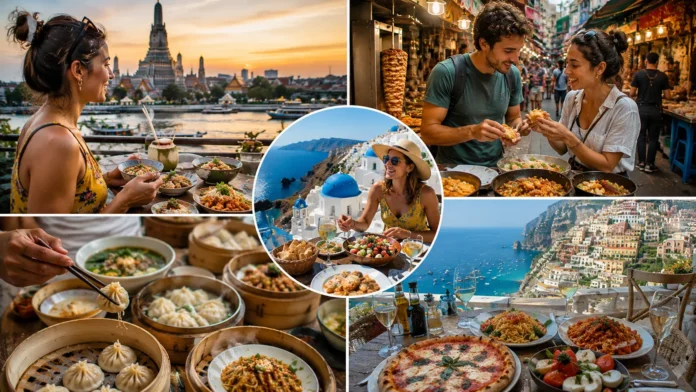

Best Travel Destinations for Food Lovers
Travel and food belong together because cuisine often reveals a destination more clearly than any postcard attraction. The way people cook, shop, season ingredients, share meals, and celebrate special occasions can tell you about history, geography, migration, family life, and local identity. For travelers who genuinely love food, choosing the right destination can transform an ordinary vacation into a memorable culinary journey.
The best food destinations are not limited to cities with expensive restaurants or internationally famous chefs. Some places are remarkable because of their street food, while others stand out for traditional markets, family-run restaurants, regional produce, seafood, bakeries, coffee culture, or deeply rooted cooking traditions. A destination becomes particularly rewarding when great food appears at many price levels rather than only in luxury dining rooms.
Food-focused travel has also become more varied. Modern culinary travelers may spend one morning exploring a produce market, take a cooking class in the afternoon, eat at a neighborhood restaurant for dinner, and finish the evening trying street food. This combination provides a much deeper understanding of local cuisine than simply booking the most popular restaurant in town.
The best travel destinations for food lovers offer something distinctive that cannot be separated easily from the place itself. From handmade pasta in Italy and tacos in Mexico to hawker centers in Singapore and seafood in Japan, the following destinations provide exciting opportunities to taste regional food while experiencing the cultures that created it.
What Makes a Great Destination for Food Lovers?
A great culinary destination offers variety without losing its identity. Travelers should be able to experience local cuisine through markets, street stalls, bakeries, cafés, neighborhood restaurants, and more refined dining if they choose. When the same food culture appears across different settings, it becomes easier to understand how people actually eat rather than seeing only a polished version created for visitors.
Regional ingredients are another important factor. Coastal cities often develop around seafood, agricultural regions may be known for fruit, vegetables, wine, or cheese, and mountainous areas may rely more heavily on preserved foods, grains, meat, and dairy. The relationship between geography and cuisine is what makes food travel particularly interesting because the landscape often explains why certain dishes developed.
Strong culinary destinations also preserve tradition while allowing chefs and food businesses to evolve. A traveler might eat a recipe prepared using techniques passed down for generations and later try a modern interpretation using the same ingredients. Experiencing both sides provides a more realistic picture of food culture because cuisine is never completely static.
Accessibility matters as well. A destination becomes especially enjoyable when travelers can taste interesting food without needing reservations months ahead or a large budget. Street markets, bakeries, food halls, casual restaurants, and neighborhood cafés make culinary exploration easier and create more opportunities for spontaneous discoveries during the trip.
Tokyo, Japan
Tokyo is one of the world’s most exciting cities for food lovers because its culinary range is extraordinary. Travelers can experience sushi counters, ramen shops, yakitori grills, tempura specialists, soba restaurants, bakeries, izakayas, department-store food halls, and tiny neighborhood establishments within the same city.
One of Tokyo’s greatest strengths is specialization. Many restaurants focus almost entirely on one dish or cooking method, allowing chefs to refine techniques over years or even generations. A tiny restaurant serving only noodles or grilled skewers can provide an experience every bit as memorable as a sophisticated tasting menu.
Markets and food-focused shopping areas add another dimension. Seafood, seasonal fruit, sweets, tea, pickles, rice products, and prepared foods reveal how much attention Japanese cuisine gives to seasonality, presentation, and ingredient quality. Even convenience stores can introduce travelers to everyday snacks and meals that are distinctly local.
Food lovers should explore more than the most famous neighborhoods. Residential districts often contain excellent family-run restaurants, small bars, bakeries, and cafés used by regular customers. This quieter side of Tokyo helps visitors understand how food fits into daily life rather than seeing the city only through internationally famous dining experiences.
Osaka, Japan
Osaka is often associated with a more casual, energetic food culture than Tokyo and is an excellent destination for travelers who enjoy street food and informal dining. The city is particularly famous for foods such as takoyaki and okonomiyaki, which are closely linked with its local identity.
Busy entertainment districts become especially exciting in the evening when food stalls, casual restaurants, and neon-lit streets create a lively dining atmosphere. Travelers can move between small establishments and sample several dishes without needing a formal meal plan.
Osaka’s food culture values enjoyment and accessibility. Many popular dishes are designed to be comforting, satisfying, and easy to share with friends. This makes the city particularly welcoming for travelers who want a relaxed introduction to Japanese cuisine.
Beyond famous street-food areas, local markets and neighborhood restaurants reveal a broader culinary scene. Noodles, grilled foods, sushi, sweets, and regional specialties provide plenty of variety, making Osaka an easy place to build an entire trip around eating.
Bangkok, Thailand
Bangkok is one of the world’s great street-food cities and an ideal destination for travelers who enjoy bold flavors. Sweet, sour, salty, spicy, and aromatic elements frequently appear together, creating dishes that can feel remarkably complex despite being prepared quickly.
Street stalls and markets offer noodles, grilled meats, curries, soups, papaya salad, rice dishes, seafood, tropical fruit, and desserts throughout the day. Different neighborhoods often specialize in particular dishes, so exploring beyond one famous market can reveal a much broader picture of Bangkok’s food culture.
Markets are particularly useful for understanding Thai ingredients. Fresh herbs, chilies, limes, seafood, coconut, tropical fruit, sauces, and spices help travelers see where familiar flavors originate. Guided food tours or cooking classes can make these ingredients easier to understand.
Bangkok also has a strong restaurant scene that ranges from family-run establishments to innovative contemporary dining. Experiencing both street food and modern Thai cuisine allows visitors to understand how traditional flavors are being preserved, adapted, and presented in new ways.
Chiang Mai, Thailand
Chiang Mai offers a different perspective on Thai cuisine, with northern specialties that distinguish it from Bangkok and the country’s southern regions. Food lovers can explore dishes influenced by local agriculture, neighboring cultures, and regional cooking traditions.
One of the city’s most appealing characteristics is its night-market culture. Travelers can sample noodles, grilled foods, sausage, snacks, fruit, sweets, and regional dishes while exploring markets that also function as important social spaces.
Cooking classes are particularly popular because Chiang Mai provides easy access to fresh herbs, spices, vegetables, and market ingredients. Learning how dishes are prepared can give travelers a much deeper appreciation for the balance and technique behind northern Thai food.
The surrounding countryside also contributes to the culinary experience. Farm visits, coffee-growing regions, and rural food experiences can provide valuable context for travelers interested in understanding ingredients as well as finished dishes.
Singapore
Singapore is a remarkable destination for food lovers because its cuisine reflects Chinese, Malay, Indian, Peranakan, and other cultural influences. This diversity is especially visible in hawker centers, where travelers can sample a wide range of dishes at relatively accessible prices.
Popular foods may include Hainanese chicken rice, laksa, satay, roti prata, char kway teow, kaya toast, noodle dishes, and regional desserts. Hawker centers make it possible to try several specialties during one meal, especially when traveling with companions who are willing to share.
The dining culture is deeply connected to migration and multicultural history. Understanding how different communities influenced one another makes the food experience much more meaningful than simply checking dishes off a list.
Singapore also has contemporary restaurants, creative bakeries, coffee shops, and international influences, making the city suitable for travelers who want both tradition and innovation. Its compact size means food-focused exploration can be integrated easily with sightseeing.
Penang, Malaysia
Penang is often celebrated for its street food and multicultural culinary identity. Malay, Chinese, Indian, Peranakan, and regional influences overlap in ways that produce an enormous variety of flavors within a relatively small area.
George Town is especially rewarding for travelers because hawker stalls, coffee shops, markets, and family-run restaurants are often located close together. This makes it easy to build a day around tasting several foods without complicated transportation.
Noodle dishes, curries, rice dishes, soups, grilled foods, sweets, and drinks each reveal different layers of the city’s history. Food lovers who take time to learn where these dishes came from often gain a deeper appreciation for Penang’s cultural complexity.
Morning and evening can feel completely different because certain stalls operate only during specific hours. Planning around local eating rhythms allows travelers to experience more of the city’s culinary personality.
Hanoi, Vietnam
Hanoi offers a deeply distinctive food culture shaped by northern Vietnamese traditions. The city’s narrow streets, busy markets, and small restaurants make eating feel closely connected with the rhythm of everyday urban life.
Pho is internationally famous, but travelers should also explore grilled meats, noodle dishes, rice preparations, savory pancakes, snacks, coffee, and regional specialties that receive less attention abroad. Small shops often specialize in only one or two items.
Street-side dining is a major part of the experience. Sitting on a small stool while watching a vendor prepare food nearby can feel more memorable than eating in a formal restaurant because the surroundings become part of the meal.
Coffee culture deserves attention as well. Vietnamese coffee preparations can be sweet, strong, creative, and closely connected to local café habits. Taking time to explore both food and drinks gives travelers a fuller understanding of Hanoi’s culinary identity.
Ho Chi Minh City, Vietnam
Ho Chi Minh City offers a vibrant southern Vietnamese food scene with fresh herbs, noodles, grilled foods, seafood, street snacks, and dishes shaped by the warmer climate and regional ingredients.
Bánh mì is one of the easiest foods for visitors to discover because it appears throughout the city in numerous variations. Small stalls and shops may use different meats, sauces, pickles, and herbs, making comparison part of the fun.
Markets and street-food districts provide opportunities to taste unfamiliar ingredients and observe how meals fit into daily routines. Evening food exploration can be particularly rewarding as the city becomes cooler and casual dining areas fill with residents.
The city also reflects international influences and contemporary Vietnamese creativity. New cafés, bakeries, and restaurants exist alongside long-established vendors, creating a culinary scene where tradition and modernization are visible at the same time.
Seoul, South Korea
Seoul is an excellent destination for travelers who enjoy strong flavors, shared meals, and late-night eating. Korean barbecue, stews, noodles, fried foods, rice dishes, dumplings, and fermented side dishes create a food culture built around variety and social dining.
Traditional markets offer especially memorable experiences. Travelers can try tteokbokki, gimbap, pancakes, dumplings, and other snacks while observing busy local shopping and dining routines.
Shared dining is an important part of Korean cuisine. Barbecue meals, hot pots, and collections of side dishes make eating a social activity rather than an individual experience, which can be particularly enjoyable for groups.
Seoul also has a rapidly evolving café and dessert culture. Stylish bakeries and creative coffee shops sit beside traditional tea houses and markets, showing how contemporary Korean food culture continues to expand beyond classic dishes.
Taipei, Taiwan
Taipei is famous among food lovers for its night markets, where travelers can sample an enormous range of snacks in a relatively small area. Dumplings, noodles, buns, fried foods, grilled dishes, sweets, and drinks create an energetic evening food culture.
Night markets are not simply collections of food stalls. They function as social spaces where residents shop, meet friends, eat casually, and move between different forms of entertainment.
Taiwanese food reflects several historical and regional influences, creating dishes that may feel familiar in concept but distinctive in flavor and technique. Travelers who explore beyond the most famous snacks can discover breakfast foods, soups, teas, and small family restaurants.
Tea and drink culture is another important part of the experience. From traditional tea traditions to modern milk-tea culture, beverages can be just as important as food when understanding Taipei’s culinary identity.
Hong Kong
Hong Kong offers a unique combination of Cantonese traditions, international influences, bakery culture, tea-house dining, street snacks, and contemporary restaurants.
Dim sum is one of the city’s most famous culinary experiences, but it represents only part of the food scene. Roast meats, noodles, congee, seafood, pastries, and casual café dishes provide plenty of variety throughout the day.
Traditional tea restaurants and neighborhood establishments can reveal everyday food culture more effectively than high-end dining alone. These places often serve foods shaped by decades of local eating habits and international influence.
Food lovers should also explore markets and bakeries. Fresh seafood, produce, dried ingredients, egg tarts, buns, and sweets offer another way to understand the city’s relationship with food outside formal restaurants.
Istanbul, Türkiye
Istanbul is one of the most rewarding destinations for travelers who enjoy food shaped by geography and history. Its position between Europe and Asia has influenced ingredients, cooking traditions, trade, and the development of countless regional dishes.
Street foods and casual snacks are particularly memorable. Travelers may encounter simit, grilled fish sandwiches, kebabs, stuffed mussels, roasted chestnuts, sweets, and other foods suited to eating while exploring the city.
Breakfast is another highlight. Turkish breakfast can involve bread, cheese, olives, eggs, tomatoes, cucumbers, preserves, honey, and tea, turning the morning meal into a leisurely social experience.
Markets, bakeries, tea houses, and traditional restaurants help reveal the wider cuisine. Exploring different neighborhoods is important because Istanbul’s food culture is too varied to understand through one tourist district alone.
Gaziantep, Türkiye
Gaziantep is an outstanding destination for travelers who want to explore regional Turkish food in greater depth. The city is particularly associated with pistachios, kebabs, pastries, rich stews, and sweets.
Baklava is one of its most famous specialties, and trying it close to the region where the tradition is deeply established allows travelers to understand how texture, nuts, syrup, and pastry quality influence the final result.
Savory food is equally important. Local grills, soups, vegetable dishes, and meat preparations demonstrate how southeastern Turkish cuisine differs from what visitors may encounter in Istanbul.
Markets can add useful context by introducing spices, nuts, dried foods, and other regional ingredients. Travelers with a strong interest in culinary heritage may find Gaziantep especially rewarding because food remains central to the city’s cultural identity.
Naples, Italy
Naples is an essential destination for pizza lovers, but its culinary appeal goes far beyond one famous dish. The city combines street food, seafood, pastries, pasta, coffee, and simple dishes shaped by strong local traditions.
Neapolitan pizza is particularly meaningful because the dough, fermentation, tomatoes, cheese, and high-temperature baking all work together. Eating it in its home city allows travelers to understand why seemingly simple ingredients require considerable skill.
Street snacks also deserve attention. Fried foods, portable pizza variations, pastries, and small bites provide inexpensive ways to explore the city while moving between neighborhoods.
Coffee culture contributes to the experience as well. Quick espresso stops are woven naturally into daily routines, showing how food and drink can function as social habits rather than special occasions.
Bologna, Italy
Bologna is frequently considered one of Italy’s great food destinations because it sits within a region known for pasta, cured meats, cheeses, sauces, and deeply rooted culinary traditions.
Fresh pasta is one of the main attractions. Tagliatelle, tortellini, and other handmade shapes demonstrate how dough, filling, and technique can create extraordinary results from relatively simple ingredients.
Markets and food shops make Bologna particularly enjoyable for travelers who want to understand ingredients. Cured meats, cheese, fresh pasta, bread, and regional products can be experienced outside formal restaurant settings.
The city also encourages slower dining. Sitting down for a traditional meal and allowing several courses to unfold naturally can feel very different from rushed sightseeing, making Bologna ideal for travelers who want food to become the center of the trip.
Rome, Italy
Rome combines iconic dishes with one of Europe’s richest historical settings, making it especially appealing for travelers who want food and sightseeing in equal measure.
Roman pasta dishes are known for relatively simple ingredient lists that depend heavily on technique and balance. Local restaurants may also serve artichokes, fried foods, offal traditions, pizza, and regional vegetable dishes.
Neighborhood exploration is essential because restaurants around major monuments vary greatly. Areas used heavily by residents can provide a stronger introduction to everyday Roman food.
Markets, bakeries, coffee bars, and gelaterias add variety throughout the day. Instead of focusing only on dinner reservations, food lovers can build a complete culinary experience around breakfast, lunch, snacks, and evening meals.
Florence, Italy
Florence offers a Tuscan food experience centered on simplicity, strong ingredients, bread, meat, beans, olive oil, vegetables, and regional wines.
Markets provide a useful introduction because travelers can see produce, meat, cheese, bread, and prepared foods that reflect the wider Tuscan landscape.
Traditional restaurants often focus on hearty dishes that developed around seasonal ingredients and resourceful cooking rather than elaborate presentation.
Florence can also serve as a base for exploring the Tuscan countryside, where vineyards, olive producers, farms, and smaller towns provide deeper connections between food and the land.
San Sebastián, Spain
San Sebastián is a dream destination for travelers who enjoy both casual and refined dining. The city is particularly associated with pintxos, small bites served in bars that encourage visitors to move between establishments.
Pintxos culture makes culinary exploration social and flexible. Travelers can try one or two specialties in several bars rather than committing immediately to one large dinner.
Seafood is also central because of the city’s coastal location. Fresh fish, shellfish, and regional preparations frequently appear in both simple and sophisticated restaurants.
San Sebastián is especially appealing because quality exists across different dining styles. Visitors can enjoy casual bar food during one meal and ambitious contemporary cuisine during another without leaving the city.
Barcelona, Spain
Barcelona combines Catalan food traditions with large markets, seafood, tapas, bakeries, modern restaurants, and an energetic café culture.
Markets are among the easiest ways to start exploring. Fresh seafood, produce, cured meats, cheese, olives, sweets, and prepared dishes reveal the ingredients behind Catalan and wider Spanish cuisine.
Travelers should explore neighborhoods beyond the busiest tourist streets. Small bars and family-run restaurants can provide a more relaxed environment for trying regional dishes.
Barcelona also shows how traditional and contemporary food cultures coexist. Modern chefs often reinterpret familiar ingredients while bakeries, markets, and long-established restaurants preserve older techniques.
Lisbon, Portugal
Lisbon offers an approachable food scene built around seafood, grilled dishes, pastries, coffee, bread, and simple ingredients prepared with confidence.
Pastéis de nata are internationally recognized, but visitors should also explore grilled fish, seafood rice dishes, sandwiches, soups, and neighborhood restaurants serving everyday Portuguese food.
Traditional bakeries and cafés make food exploration easy throughout the day. A quick coffee and pastry can become as culturally meaningful as a formal dinner when experienced within local routines.
Nearby coastal areas can add another layer to the trip. Fresh seafood and regional restaurants outside the center demonstrate how Lisbon’s cuisine connects with the Atlantic.
Porto, Portugal
Porto combines hearty northern Portuguese food with seafood, sandwiches, pastries, and a strong relationship with regional wine traditions.
Casual restaurants often serve generous portions and comforting dishes, creating a dining environment that feels more relaxed than destination-driven fine dining.
Markets and food halls provide opportunities to taste cheese, cured meats, bread, sweets, and prepared foods while learning about products from northern Portugal.
Porto also works well for travelers interested in food-and-drink pairings because the surrounding region adds vineyards and agricultural experiences that can complement city dining.
Paris, France
Paris remains one of the world’s great food destinations because its culinary appeal exists far beyond formal French restaurants.
Bakeries, cheese shops, pastry counters, markets, cafés, bistros, and neighborhood food stores can provide an entire culinary itinerary without requiring luxury dining.
Bread and pastry are particularly important. Fresh baguettes, croissants, regional pastries, and desserts demonstrate how everyday foods can become serious expressions of technique.
Food markets also reveal the broader French emphasis on seasonal produce, cheese, meat, seafood, and regional products. Visiting them helps travelers understand the ingredients behind restaurant cuisine.
Lyon, France
Lyon is frequently associated with traditional French gastronomy and offers a particularly strong experience for travelers interested in regional cuisine.
Traditional local restaurants serve hearty dishes connected with the surrounding region, while markets provide access to cheese, charcuterie, produce, and prepared foods.
The city’s culinary reputation is built not only on prestige but also on everyday dining traditions. This makes it suitable for travelers who prefer food with strong local identity rather than purely theatrical presentation.
Lyon’s location also connects it with productive agricultural regions, allowing visitors to understand how local ingredients, farming, and regional cooking traditions support one another.
Mexico City, Mexico
Mexico City is one of the world’s most exciting culinary destinations because street food, markets, neighborhood restaurants, bakeries, and modern dining all contribute to an enormous food culture.
Tacos alone offer remarkable diversity. Different meats, cooking methods, salsas, tortillas, and regional influences mean travelers can spend several days exploring without repeating the same experience.
Markets provide another essential layer. Fresh produce, chilies, herbs, prepared dishes, sweets, and regional ingredients demonstrate how varied Mexican cuisine really is.
The city also has contemporary restaurants that explore traditional ingredients in new ways. Combining street stalls with markets and modern dining creates a much fuller understanding than experiencing only one side of the cuisine.
Oaxaca, Mexico
Oaxaca is particularly rewarding for travelers interested in regional Mexican cuisine. The city is known for moles, corn-based foods, chocolate, chilies, cheeses, mezcal traditions, and a strong market culture.
Markets allow travelers to see the ingredients behind these dishes while sampling snacks and prepared foods in an informal setting.
Traditional cooking remains deeply connected with family and community, which makes cooking classes and locally led food experiences especially valuable.
Oaxaca demonstrates how one region can have enormous culinary depth. Travelers who previously thought of Mexican food as one broad category often leave with a much greater understanding of regional variation.
Lima, Peru
Lima has become one of South America’s leading culinary destinations because of its seafood, Indigenous ingredients, migration influences, and creative restaurant culture.
Ceviche is one of the city’s most famous foods, but Peruvian cuisine includes much more. Chinese-Peruvian, Japanese-Peruvian, Andean, coastal, and other traditions contribute to an unusually varied food landscape.
Markets can introduce travelers to tropical fruit, potatoes, corn, seafood, chilies, and ingredients that may be unfamiliar outside Peru.
The city also offers both casual and sophisticated dining, making it possible to understand traditional foods while seeing how contemporary chefs interpret Peru’s extraordinary biodiversity.
Buenos Aires, Argentina
Buenos Aires is strongly associated with beef, but food lovers will find a much broader culinary scene involving bakeries, empanadas, pasta, pizza, cafés, sweets, and immigrant influences.
Traditional grills remain an important experience because they reveal local approaches to meat, cuts, cooking, and social dining.
Italian influence is particularly visible in pasta, pizza, and café culture, reflecting historical migration patterns that shaped the city’s identity.
Travelers should also explore neighborhood bakeries and cafés. These everyday establishments can provide a deeper sense of Buenos Aires than focusing only on steak restaurants.
New Orleans, United States
New Orleans is one of the most distinctive food cities in the United States because its cuisine reflects French, African, Caribbean, Spanish, Indigenous, and regional influences.
Gumbo, jambalaya, po’boys, seafood, beignets, and other dishes are connected closely with local history and community traditions.
Music and food frequently overlap, making dining part of a larger cultural experience rather than an isolated activity.
Neighborhood restaurants, casual counters, markets, and bakeries often provide stronger context than dining only in famous tourist districts. Exploring beyond the busiest streets can reveal how deeply food is woven into local identity.
New York City, United States
New York is ideal for travelers who value culinary diversity. Immigration has shaped neighborhoods and food traditions in ways that allow visitors to explore cuisines from around the world without leaving the city.
Pizza, bagels, deli food, street carts, bakeries, international markets, neighborhood restaurants, and contemporary dining all contribute to an enormous culinary landscape.
The key is neighborhood exploration. Different parts of the city may specialize in Chinese, Caribbean, Italian, Jewish, Korean, South Asian, Latin American, Eastern European, Middle Eastern, and many other food traditions.
Food lovers should avoid trying to experience everything at once. Choosing a few neighborhoods and exploring them slowly often produces better results than chasing a long list of famous restaurants across the entire city.
Marrakech, Morocco
Marrakech provides an intense culinary experience built around spices, slow-cooked dishes, breads, grilled foods, sweets, mint tea, and busy markets.
Traditional tagines and couscous are well known, but travelers should also explore soups, pastries, grilled meats, preserved ingredients, and regional snacks.
Markets can be particularly educational because spices, olives, dried fruit, herbs, and produce show the building blocks of Moroccan cuisine.
A cooking class or guided market visit can help travelers understand spice combinations and preparation techniques that are difficult to appreciate simply by reading a menu.
Cape Town, South Africa
Cape Town offers a diverse food scene shaped by local agriculture, seafood, migration, Cape Malay traditions, and contemporary restaurant culture.
Fresh seafood and produce benefit from the surrounding landscape, while markets and modern food spaces introduce travelers to both regional and international influences.
Cape Malay cuisine deserves particular attention because its spices, dishes, and history reveal an important part of the city’s cultural development.
Cape Town also provides easy access to surrounding wine regions and farms, allowing food-focused travelers to combine city dining with broader agricultural experiences.
Delhi, India
Delhi is an extraordinary destination for travelers who enjoy bold spices, breads, curries, grilled meats, sweets, snacks, and deeply layered street-food traditions.
Old neighborhoods contain famous stalls and small businesses specializing in foods that have been prepared locally for generations.
Street-food exploration can include chaat, kebabs, stuffed breads, sweets, and numerous vegetarian dishes, providing enormous variety across different price levels.
Because Indian cuisine varies greatly by region and community, Delhi also offers access to foods from many parts of the country. This makes the city particularly rewarding for travelers who want a broad introduction to Indian culinary diversity.
Mumbai, India
Mumbai’s food culture reflects its coastal location, migration history, busy working population, and strong street-food traditions.
Vada pav, pav bhaji, chaat, seafood, regional snacks, and casual meals make the city particularly exciting for travelers who enjoy eating on the move.
Markets and neighborhood restaurants reveal influences from different communities that have helped shape Mumbai’s identity.
The city’s food rhythm changes throughout the day, from breakfast stalls and office lunches to evening snacks and late-night dining. Exploring at different times helps travelers experience the full range of local eating habits.
Amritsar, India
Amritsar is particularly rewarding for travelers interested in Punjabi cuisine. Rich breads, lentils, dairy, grilled foods, spices, sweets, and generous hospitality all contribute to the city’s culinary personality.
Traditional restaurants and street stalls provide opportunities to try regional dishes that feel closely connected with local culture.
Breakfast can be especially memorable, with stuffed breads and hearty accompaniments reflecting the region’s preference for substantial morning meals.
Food-focused travelers should approach the city with enough time to enjoy meals slowly. Punjabi cuisine is often filling, and spacing tastings throughout the day makes the experience far more enjoyable.
Kuala Lumpur, Malaysia
Kuala Lumpur offers exceptional culinary diversity through Malay, Chinese, Indian, and regional influences.
Street-food areas, markets, casual restaurants, and food courts provide accessible ways to try noodles, rice dishes, curries, grilled foods, breads, sweets, and drinks.
Neighborhood exploration matters because different communities contribute their own culinary traditions to the city.
The combination of affordability and variety makes Kuala Lumpur especially attractive for travelers who want to taste many foods without building the entire trip around expensive restaurants.
Athens, Greece
Athens combines traditional Greek cuisine with markets, bakeries, casual tavernas, grilled foods, seafood, pastries, and contemporary restaurants.
Souvlaki and gyros are easy introductions, but food lovers should also explore vegetable dishes, cheeses, olives, seafood, slow-cooked meals, and regional specialties.
Markets help travelers understand the role of fresh ingredients and seasonality in Greek cooking.
Neighborhood tavernas can provide especially enjoyable experiences when meals are shared slowly. Greek dining often becomes as much about conversation and company as the food itself.
How to Choose the Right Food Destination for Your Trip
Begin with the type of food experience you enjoy most. Travelers who love street food may prefer Bangkok, Penang, Mexico City, or Taipei, while those interested in markets and traditional regional ingredients may lean toward Bologna, Oaxaca, Istanbul, or Lyon.
Budget also matters. Some destinations make it easy to eat exceptionally well at street stalls and casual restaurants, while others may require a larger dining budget. Consider accommodation and transportation costs alongside food prices when planning the overall trip.
Think about dietary needs as well. Vegetarian travelers may find some destinations particularly easy because plant-based dishes are deeply established within local cuisine, while other places may require more planning. Food allergies can also affect how easily travelers navigate markets and small restaurants.
Finally, consider whether food will be the main purpose of the trip or one part of a wider itinerary. Cities with strong cultural attractions, markets, neighborhoods, and nearby countryside can provide especially balanced vacations for travelers who want excellent food without spending every hour focused on restaurants.
How to Plan a Food-Focused Vacation
Before traveling, create a short list of regional dishes, food markets, neighborhoods, bakeries, and restaurants rather than booking every meal. This gives you direction while preserving room for spontaneous discoveries.
Schedule major reservations only when necessary. Highly sought-after restaurants may require planning, but casual meals are often more enjoyable when you can respond to local recommendations or simply follow an appealing smell down a side street.
Mix different dining styles throughout the trip. A market breakfast, casual lunch, street-food snack, and traditional restaurant dinner can provide more variety than visiting several formal restaurants in a row.
Leave time between meals. Food-focused travel can become exhausting if every hour revolves around eating. Walking, sightseeing, and exploring neighborhoods create natural breaks that make the next culinary experience more enjoyable.
How to Find Authentic Food Once You Arrive
Ask residents where they personally eat instead of asking broadly for the best restaurant. Specific recommendations often lead to stronger local experiences.
Visit markets early in the trip because they can teach you which ingredients, dishes, and products are important locally. Vendors and guides may also recommend nearby restaurants.
Observe where local customers gather during normal meal times. A modest restaurant with repeat neighborhood demand can be more revealing than a heavily promoted destination restaurant.
Search by dish and neighborhood rather than relying only on general “best restaurant” rankings. This method often uncovers specialist establishments that deserve attention but receive less international exposure.
Common Mistakes Food Travelers Should Avoid
One mistake is building an itinerary around only famous restaurants. This can become expensive and may prevent you from experiencing everyday food culture.
Another is trying to taste every famous dish in one trip. Rushing from meal to meal can turn food into a checklist rather than something you genuinely enjoy.
Travelers should also avoid assuming that authentic food must be cheap, hidden, or traditional-looking. Great local cuisine can exist in modern restaurants as easily as in century-old establishments.
Finally, leave room for disappointment and surprise. Not every famous dish will suit your taste, while an unplanned snack or neighborhood restaurant may become the highlight of your trip.
Final Thoughts
The best travel destinations for food lovers are places where cuisine feels inseparable from local culture. Tokyo’s specialist restaurants, Bangkok’s street stalls, Bologna’s handmade pasta, Oaxaca’s markets, Singapore’s hawker centers, and Istanbul’s layered culinary traditions each reveal something unique about the communities that created them.
Food travel becomes more meaningful when you look beyond famous dishes. Markets, bakeries, neighborhood cafés, breakfast routines, cooking classes, street vendors, family restaurants, and food producers can all help you understand how cuisine functions in everyday life.
The strongest itinerary balances planning with spontaneity. Research enough to recognize important dishes and neighborhoods, reserve only what genuinely requires advance booking, and leave room to follow local recommendations once you arrive.
Most importantly, choose destinations that match your personal tastes rather than following a universal ranking. Whether your ideal trip involves noodles, seafood, pastries, tacos, curries, grilled meat, coffee, or fresh market produce, the best food destination is the one that makes you curious enough to keep exploring one meal at a time.
Frequently Asked Questions
1. What are the best countries to visit for food lovers?
Japan, Italy, Thailand, Mexico, Spain, Türkiye, Vietnam, India, France, Malaysia, and Peru are especially popular for their strong regional cuisines, markets, street food, and restaurant cultures.
2. What is the best city for street-food lovers?
Bangkok, Penang, Mexico City, Taipei, Singapore, Delhi, and Ho Chi Minh City are excellent options. Each offers a distinctive street-food culture with many affordable regional specialties.
3. How should I plan a food-focused vacation?
Research regional dishes, food neighborhoods, markets, and a few priority restaurants before traveling. Keep several meals flexible so you can follow local recommendations and spontaneous discoveries.
4. Are food-focused trips expensive?
Not necessarily. Street food, bakeries, markets, casual restaurants, and lunch specials can make culinary travel affordable. Costs depend largely on the destination and how frequently you choose high-end dining.
5. How can I find authentic food while traveling?
Visit local markets, explore residential neighborhoods, ask residents where they personally eat, and search for specific regional dishes. Observe restaurants with strong local customer traffic rather than relying only on tourist rankings.