
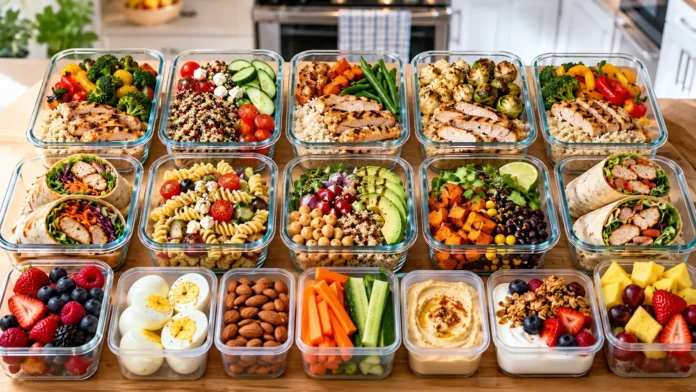

Meal prepping can make busy weeks feel much more manageable by reducing the amount of cooking and decision-making required each day. Instead of wondering what to prepare every morning or evening, you can have ready-to-eat meals or prepared ingredients waiting in the refrigerator. A few hours of organized preparation can save significant time throughout the week.
Easy meal prep does not mean eating the same food every day. The most practical approach is to prepare flexible ingredients that can be combined in different ways for breakfast, lunch, dinner, and snacks. Cooked grains, vegetables, proteins, sauces, and simple breakfast options can create several meals without making your weekly menu feel repetitive.
The best meal prep routine is one you can realistically maintain. You do not need dozens of containers, complicated recipes, or an entire day dedicated to cooking. By choosing simple ingredients and planning meals around your schedule, you can create a weekly food routine that saves time, reduces waste, and makes homemade meals easier to enjoy.
Why Meal Prep Makes Busy Weeks Easier
Meal prep reduces the number of food decisions you need to make during a busy week. When breakfast, lunch, or dinner is already prepared, you are less likely to spend valuable time searching for recipes or deciding what to cook. This can make mornings smoother and help evenings feel less stressful after a long day.
Preparing food in advance can also reduce unnecessary grocery spending and food waste. When you know what meals you intend to make, it becomes easier to buy ingredients with a specific purpose. Vegetables, proteins, and pantry staples are more likely to be used instead of sitting forgotten in the refrigerator until they spoil.
Another advantage is portion flexibility. You can prepare full meals or simply cook components that can be mixed and matched throughout the week. Some people prefer complete lunch boxes, while others enjoy keeping rice, chicken, vegetables, and sauces separate so they can create different combinations depending on their appetite.
How to Plan a Simple Weekly Meal Prep
Start by looking at your schedule before choosing recipes. If you know certain days will be especially busy, prepare meals that require almost no additional cooking. On quieter evenings, you can leave room for something freshly prepared, which prevents meal prep from feeling unnecessarily restrictive or repetitive.
Choose recipes that share ingredients whenever possible. For example, roasted vegetables can be served with chicken one day, added to a grain bowl another day, and folded into an omelet later in the week. Using ingredients across several meals reduces grocery costs while making preparation faster and more organized.
Avoid planning too many completely different recipes at once. Two breakfast choices, two lunch ideas, and two or three dinner combinations are often enough to provide variety. Preparing a small number of flexible foods is usually more sustainable than trying to cook seven separate breakfasts, lunches, and dinners in one meal prep session.
Easy Make-Ahead Breakfast Ideas
Overnight oats are one of the easiest breakfasts to prepare for several days. Combine oats with milk or yogurt and add fruit, seeds, cinnamon, or nut butter according to your preferences. Store individual servings in covered containers so breakfast is ready to eat directly from the refrigerator on busy mornings.
Egg muffins are another convenient make-ahead breakfast. Whisk eggs with chopped peppers, spinach, onions, cheese, or cooked vegetables, then bake the mixture in a muffin pan. Once cooled, individual portions can be stored in the refrigerator and reheated quickly, giving you a warm breakfast without needing to cook eggs from scratch every morning.
Breakfast bowls can also be prepared using yogurt, fruit, and dry toppings stored separately. Keep granola, nuts, or seeds away from the yogurt until serving so they maintain their texture. Preparing washed fruit and portioned ingredients in advance allows you to assemble a fresh breakfast in only a minute or two.
Simple Meal Prep Lunches for Work or Home
Grain bowls are excellent for weekly lunches because the ingredients can be prepared in large batches. Start with rice, quinoa, couscous, or another preferred grain, then add roasted vegetables and a protein such as chicken, beans, eggs, or tofu. Different sauces or seasonings can make the same basic ingredients taste completely different.
Wraps are another practical lunch option, especially when you need something portable. Prepare fillings such as cooked chicken, beans, chopped vegetables, cheese, or hummus ahead of time and assemble the wraps when needed. Keeping wetter ingredients separate until serving can help prevent tortillas from becoming soft or soggy during storage.
Simple pasta salads can also work well for meal prep because they are often enjoyable cold. Combine cooked pasta with vegetables, chickpeas, cheese, herbs, and a light dressing. Preparing a large bowl can provide several lunch portions, while additional protein can be added individually depending on how filling you want each serving to be.
Easy Dinner Meal Prep Ideas
Sheet-pan dinners are especially useful when preparing several meals at once. Roast chicken, potatoes, carrots, broccoli, peppers, or other vegetables together on one large tray with simple seasonings. Once cooked, divide everything into containers or store the ingredients separately so you can create different dinner combinations throughout the week.
Chili, soups, and stews are also excellent for meal preparation because larger batches require very little additional effort. Beans, vegetables, ground meat, chicken, and lentils can all be used to create filling one-pot meals. Many of these dishes can be refrigerated for upcoming dinners or frozen in individual portions for later weeks.
Pasta and rice-based dinners can be prepared partially instead of completely assembled. Cook the grain or pasta ahead and prepare a sauce, vegetables, or protein separately. Combining everything shortly before eating helps maintain better texture while still reducing the amount of cooking required on busy evenings.
Batch-Cook Proteins for Multiple Meals
Preparing one or two proteins in advance can make weekly meal planning significantly easier. Roast or grill several chicken breasts or thighs, cook ground meat with basic seasoning, or prepare beans and lentils in larger quantities. Keeping the seasoning relatively versatile allows the same protein to work across several different meals.
For example, cooked chicken can become part of a rice bowl, wrap, salad, pasta dish, or sandwich depending on the other ingredients you combine with it. Changing sauces and seasonings helps prevent repetition. One portion might be served with a garlic yogurt sauce, while another could be combined with a tomato-based or spicy dressing.
Eggs can also be prepared ahead for easy protein throughout the week. Hard-boiled eggs work well for breakfast, lunch boxes, salads, and snacks. Having several convenient protein options available makes it easier to build balanced meals quickly rather than relying on whatever food happens to be easiest at the moment.
Prepare Grains and Vegetables in Advance
Batch cooking grains can save considerable time during the week. Rice, quinoa, couscous, and other grains can be prepared in larger quantities and portioned according to upcoming meals. They provide a simple base for bowls, side dishes, stir-fries, and salads without requiring you to start from uncooked ingredients every day.
Vegetables can be prepared in several ways depending on how you plan to use them. Roast carrots, broccoli, cauliflower, peppers, or zucchini for easy side dishes, while keeping some fresh vegetables washed and chopped for salads and snacks. Having both cooked and raw options available provides more variety throughout the week.
Try preparing vegetables with relatively simple seasonings so they remain versatile. A tray of roasted vegetables seasoned with oil, salt, pepper, and herbs can work with several different cuisines. Additional sauces or spices can be added later, allowing one batch of vegetables to complement multiple lunches and dinners without tasting identical.
Healthy Meal Prep Snacks
Preparing snacks ahead of time can be just as useful as planning complete meals. Portion nuts, fresh fruit, yogurt, vegetables with hummus, hard-boiled eggs, or whole-grain crackers into convenient servings. Having something ready to eat can reduce the temptation to choose random snacks simply because they require less effort.
Homemade energy bites can also be prepared in batches. Oats, nut butter, seeds, and a small amount of honey or dates can be combined and shaped into small portions. Store them in the refrigerator so you have an easy snack available for work, errands, or afternoons when you need something before dinner.
Snack boxes provide another flexible option. Combine two or three foods such as cheese, fruit, vegetables, crackers, nuts, or eggs in individual containers. Mixing different textures and flavors makes snacks feel more interesting while allowing you to adjust portions according to how hungry you normally become between meals.
How to Store Meal Prep Safely and Keep Food Fresh
Using suitable containers can help meal-prepped food stay organized and maintain better texture. Containers with secure lids are useful for lunches and dinners, while smaller containers can hold sauces, toppings, and snacks. Separating wet ingredients from dry ones can prevent salads, wraps, and other foods from becoming soggy before you eat them.
Refrigerate cooked food promptly rather than leaving it at room temperature for long periods. Different foods have different storage limits, so prepare quantities based on when you realistically expect to eat them. Meals intended for later in the week can often be frozen instead of keeping everything in the refrigerator for many days.
Labeling containers can also make weekly organization easier. Adding the meal name or preparation date helps you remember what should be eaten first. Maintaining a simple rotation prevents older food from becoming forgotten behind newly prepared containers and makes it easier to keep your refrigerator organized throughout the week.
How to Keep Meal Prep From Becoming Boring
Variety does not require cooking completely different meals every day. One of the easiest strategies is to prepare neutral base ingredients and change the sauces, toppings, and seasonings. Rice, roasted chicken, and vegetables can become Mediterranean-inspired, spicy, creamy, or herb-focused meals depending on what you add before serving.
Different textures can also make repeated ingredients feel more interesting. Add fresh cucumber to a grain bowl one day, crunchy nuts another day, or creamy avocado when available. Small changes can transform the eating experience even when the core ingredients were cooked during the same weekly preparation session.
Leave some flexibility in your meal plan as well. Preparing every single meal in advance can feel restrictive if your appetite or schedule changes. Planning most meals while leaving one or two open opportunities for fresh cooking, leftovers, or something spontaneous can make weekly meal prep easier to maintain over the long term.
Conclusion
Easy meal prep ideas for the whole week can reduce daily cooking time without requiring complicated recipes. Preparing versatile proteins, grains, vegetables, breakfasts, and snacks provides a useful foundation for several different meals. The key is choosing foods that can be combined in multiple ways rather than preparing seven completely separate menus.
Start with a manageable amount of preparation and adjust your routine according to what actually saves you time. A few containers of cooked ingredients may be enough for one household, while another may prefer fully assembled lunches and dinners. There is no need to follow an overly strict meal prep system if a simpler approach works better.
Consistency is more useful than perfection when planning meals ahead. Choose foods you enjoy, use overlapping ingredients, store meals carefully, and add variety through different sauces and combinations. With a practical routine, weekly meal prep can make homemade food easier to manage even when your schedule becomes especially busy.
FAQs
What are the easiest foods to meal prep for a week?
Rice, roasted vegetables, chicken, eggs, beans, overnight oats, pasta salads, soups, and grain bowls are easy options. Choose ingredients that can be reused in several meals for greater flexibility.
How many meals should I prepare at once?
Start with enough meals for three or four days rather than preparing everything immediately. You can freeze later portions or complete a smaller second preparation session if freshness is important.
How do I keep meal prep from tasting repetitive?
Use different sauces, herbs, toppings, and side ingredients with the same base foods. Changing textures and seasonings can make chicken, rice, vegetables, and other prepared ingredients feel completely different.
Can breakfast be meal prepped in advance?
Yes. Overnight oats, egg muffins, hard-boiled eggs, yogurt portions, and prepared fruit are convenient make-ahead breakfasts. Keeping crunchy toppings separate can help maintain better texture until serving.
Is meal prepping good for saving money?
Meal prepping can reduce unnecessary purchases and food waste by giving ingredients a clear purpose. Planning around foods already available at home can also help make grocery shopping more efficient.