
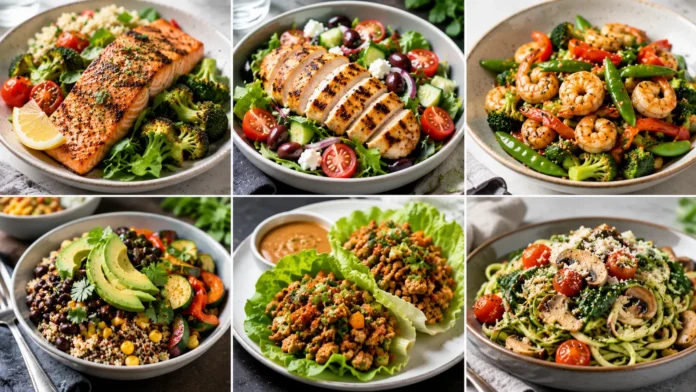

6 Healthy Dinner Ideas for Weight Loss
Finding a dinner that supports weight loss does not mean eating tiny portions, skipping carbohydrates, or surviving on plain salads every evening. A well-planned dinner can be satisfying, flavorful, and filling while still fitting into a calorie-conscious eating pattern. The most useful meals typically combine a meaningful protein source with vegetables, sensible portions of carbohydrates, and some healthy fat, helping you build a dinner that feels complete rather than restrictive. Current U.S. dietary guidance similarly emphasizes whole, nutrient-dense foods such as protein foods, vegetables, fruits, whole grains, dairy, and healthy fats.
The best healthy dinner ideas for weight loss also make it easier to manage hunger after eating. Vegetables and fruits can add substantial volume because they contain water and fiber while generally being lower in calories than many energy-dense foods. Pairing vegetables with chicken, fish, eggs, beans, lentils, tofu, or another protein source can create a larger and more balanced plate without requiring a complicated “diet meal.”
Portion size still matters, even when every ingredient appears healthy. Olive oil, avocado, cheese, nuts, sauces, rice, pasta, and other nutritious foods can add significant calories when servings become larger than expected. Rather than removing these foods entirely, use amounts that support your appetite, activity level, and overall calorie needs. CDC guidance also recommends healthy eating patterns built around vegetables, fruits, whole grains, varied protein foods, and healthier fats.
Below are six easy dinners designed around those principles. They include chicken, salmon, turkey, lentils, shrimp, and eggs so you can choose meals that match your budget and preferences instead of eating the same food every night. You will also find meal-prep ideas, ingredient swaps, portion tips, and practical ways to make your evening meals satisfying while working toward sustainable weight-loss goals.
What Makes a Healthy Dinner Good for Weight Loss?
A useful weight-loss dinner should first provide enough food to feel like a genuine meal. Extremely small dinners can leave some people hungry later in the evening, making unplanned snacking harder to manage. Building your plate around vegetables and a clear source of protein is a practical starting point because both can contribute nutrition while allowing you to create a satisfying portion without relying entirely on calorie-dense ingredients.
Protein foods can include chicken, turkey, seafood, eggs, beans, lentils, tofu, lean meat, and suitable dairy products. The CDC currently recommends prioritizing protein foods at meals and choosing a variety of vegetables and fruits as part of healthier meal planning. Your exact protein needs vary, but including a recognizable protein source at dinner can make the meal more nutritionally complete and particularly useful if you also exercise regularly.
Carbohydrates do not need to disappear from your dinner just because you want to lose weight. Potatoes, rice, whole grains, beans, corn, pasta, and bread can all fit when portions match your overall dietary needs. Higher-fiber carbohydrate choices can be especially useful because they contribute to a balanced diet while making meals more substantial. The key is treating carbohydrates as one part of the plate rather than allowing them to become nearly the entire meal.
Healthy fats can also remain part of dinner, but portion awareness becomes particularly useful because fats are energy-dense. A little olive oil for roasting vegetables, avocado in a bowl, or seeds on a salad may add flavor and satisfaction without requiring excessive amounts. Instead of categorizing foods as completely good or bad, think about how protein, produce, carbohydrates, fats, and portions work together across the entire day.
1. Grilled Chicken With Roasted Vegetables and Potatoes
Grilled chicken with vegetables and potatoes is one of the simplest healthy dinner ideas for losing weight because every part of the meal can be adjusted without changing the basic recipe. Chicken provides the main protein, potatoes provide satisfying carbohydrates, and vegetables add volume, fiber, color, and texture. It is also an easy dinner to prepare in larger batches, making it useful for people who want healthy meals without cooking from scratch every evening.
Start with skinless chicken breast or another chicken cut that works with your nutritional preferences. Season it with garlic, paprika, black pepper, lemon, oregano, chili, or herbs rather than relying entirely on heavy creamy sauces. Grill, bake, or air-fry the chicken until it reaches a safe internal temperature. Preparing flavorful protein is important because weight-loss meals become much easier to maintain when they taste like normal food rather than something you are forcing yourself to eat.
For the vegetable portion, use options such as broccoli, zucchini, bell peppers, onions, carrots, cauliflower, green beans, or Brussels sprouts. Roasting vegetables brings out their natural flavor and can make them much more enjoyable than eating them completely plain. Use oil thoughtfully rather than pouring it freely over the baking tray, as cooking oils can add calories quickly even though they can absolutely be part of a healthy diet.
Add a moderate serving of roasted or boiled potatoes to complete the meal. Potatoes do not need to be excluded from weight-loss dinners; preparation and portion size are much more important than treating the food itself as a problem. Keeping the potato relatively simple while filling much of the plate with chicken and vegetables creates a balanced dinner that feels substantial and can easily be adjusted as your calorie needs change.
How to Make This Chicken Dinner Lower in Calories
The easiest way to reduce the calories in this meal is to pay attention to added fats and sauces rather than immediately reducing the amount of vegetables or protein. A tablespoon or two of extra oil can significantly change the energy content of a meal without adding much visible food. Measuring cooking oil before adding it to the tray gives you better control while still allowing the potatoes and vegetables to roast properly.
You can also use yogurt-based sauces, salsa, mustard, lemon juice, herbs, or hot sauce to add flavor without depending entirely on creamy dressings. Homemade yogurt sauce with garlic, lemon, pepper, and herbs works particularly well with grilled chicken and roasted vegetables. Small changes like these can make the meal lighter while preserving the flavor that makes you want to eat it again.
If you need a larger dinner to feel satisfied, increase the amount of non-starchy vegetables before dramatically increasing the potatoes. Broccoli, zucchini, peppers, mushrooms, cauliflower, and green beans can increase the physical size of your meal while adding useful nutrients. Vegetables containing substantial water and fiber can increase meal volume, which is one reason they are useful in weight-management eating patterns.
Do not reduce the meal so aggressively that you are extremely hungry soon afterward. Weight management is easier when your eating pattern is realistic enough to repeat, and a slightly larger balanced dinner may work better for you than an artificially tiny meal followed by uncontrolled snacking. Adjust portions according to your individual needs rather than copying someone else’s plate exactly.
2. Baked Salmon With Brown Rice and Broccoli
Baked salmon with brown rice and broccoli makes a satisfying high-protein dinner for weight loss that feels more substantial than traditional diet food. Salmon provides protein along with naturally occurring fat, brown rice contributes carbohydrates, and broccoli adds vegetables and fiber. The combination works particularly well when you want something nutritious that still feels like a proper evening meal rather than a temporary weight-loss recipe.
Season salmon with lemon, garlic, black pepper, paprika, dill, chili flakes, or your favorite herb blend. Bake it rather than covering it in a heavy breading or deep-frying it. Because salmon naturally contains more fat than very lean fish or chicken breast, you may need less added oil during preparation. That natural richness also means a sensible portion can still feel flavorful and satisfying.
Brown rice can make the meal more filling and contributes whole grains to your eating pattern. Current dietary guidance includes whole grains as part of a nutrient-dense diet. If you prefer white rice, however, you do not need to force yourself to eat brown rice. A moderate serving of white rice combined with salmon and plenty of vegetables can still fit into a calorie-controlled dinner.
Steam or roast broccoli and season it properly rather than treating vegetables as an obligation. Lemon, garlic, black pepper, herbs, chili, or a measured amount of olive oil can improve the flavor considerably. You can also replace broccoli with asparagus, green beans, zucchini, cabbage, Brussels sprouts, or a mixed vegetable combination to keep this meal interesting throughout the week.
How to Adjust Salmon and Rice for Your Weight-Loss Goal
Because salmon provides both protein and fat, portion awareness can help you keep the overall dinner within your preferred calorie range. You do not need a huge fillet to receive the benefits of eating fish. Use enough salmon to make it the clear protein source of the meal, then allow vegetables and a controlled rice portion to complete the plate rather than automatically doubling every ingredient.
Rice portions can also be adjusted according to activity level. Someone who completed a demanding workout may prefer a larger carbohydrate serving, while a less active person may feel completely satisfied with less rice and additional vegetables. This flexibility makes rice bowls and simple protein-and-grain dinners useful because you can change the proportions without changing the entire recipe.
Sauces deserve attention as well. Teriyaki sauce, creamy dressings, sweet glazes, and mayonnaise-based sauces can increase the calorie and sodium content of an otherwise simple meal. That does not mean you must eat dry salmon. Lemon, herbs, mustard, yogurt-based dressings, vinegar-based sauces, and controlled portions of your favorite condiment can add plenty of flavor.
If brown rice feels repetitive, replace it with quinoa, potatoes, barley, another whole grain, or beans depending on the rest of your diet. A sustainable meal plan benefits from flexibility, and repeating the same food indefinitely is unnecessary. The overall structure—protein, vegetables, sensible carbohydrates, and controlled added fats—is more important than using one specific grain.
3. Turkey and Vegetable Stir-Fry
A turkey and vegetable stir-fry is an excellent option when you need an easy healthy dinner for weight loss that can be cooked quickly after work. Lean ground turkey or thinly sliced turkey breast provides the protein, while mixed vegetables create a large and colorful meal. You can serve it by itself, over rice, or with another grain depending on how many carbohydrates you want at dinner.
Begin by cooking the turkey in a large pan with garlic, ginger, black pepper, chili, or other seasonings you enjoy. If using ground turkey, check the label because fat content can vary considerably between products. A leaner option makes it easier to control calories while still providing a good amount of protein, particularly when you are adding sauces or cooking oil elsewhere in the recipe.
For vegetables, combine options such as bell peppers, broccoli, mushrooms, onions, carrots, cabbage, zucchini, snap peas, or green beans. Using several vegetables makes the dish more interesting and increases the volume of the meal without requiring a massive serving of meat or rice. Frozen stir-fry vegetable mixes can also work well when convenience matters more than chopping everything yourself.
Finish the dish with soy sauce, garlic, ginger, chili, lime, or a lighter stir-fry sauce. Be careful with large quantities of sugary sauces because they can add calories quickly without increasing the amount of food on your plate. A small amount of a flavorful sauce combined with spices and aromatics can often provide enough taste without drowning the entire meal.
Why Stir-Fries Work Well for Weight-Loss Meal Prep
Stir-fries make portion control easier because the meal can be divided into individual containers immediately after cooking. Instead of preparing a large pan and guessing each evening, portion the turkey, vegetables, and rice while everything is already in front of you. This approach saves time during the week and reduces the temptation to rely on takeout when you are hungry and tired.
Another advantage is flexibility. You can prepare the same basic meal with turkey one week and use chicken, shrimp, lean beef, tofu, or tempeh the next. Changing the protein and seasoning creates a completely different dinner while allowing you to keep the same efficient cooking method. This prevents healthy eating from becoming dependent on a handful of repetitive recipes.
Frozen vegetables can make the process even simpler. They are convenient, reduce food waste, and can be stored until you need them. Fresh vegetables are excellent too, but a healthy diet does not require you to prepare every ingredient from scratch every day. Practical convenience often makes consistency much easier, particularly for people managing work, family, exercise, and other commitments.
When packing the meals, adjust the rice portion according to your individual needs and fill the remaining space generously with vegetables and turkey. If you know you become hungry later in the evening, it may be more helpful to build a properly satisfying dinner than deliberately making your meal too small and then relying on several snacks afterward.
4. Lentil and Vegetable Curry
Lentil curry is one of the best vegetarian dinner ideas for weight loss because lentils provide plant protein, carbohydrates, and fiber in the same food. They are also inexpensive, widely available, and easy to prepare in large batches. Combined with tomatoes, onions, spinach, carrots, peppers, or other vegetables, lentils can create a substantial dinner without depending on meat or highly processed vegetarian alternatives.
Start by cooking onions, garlic, ginger, and your preferred spices in a controlled amount of oil. Add lentils along with tomatoes, water or broth, and vegetables, then allow everything to cook until the lentils become tender. Spices such as cumin, turmeric, coriander, paprika, garam masala, and chili can create a rich meal without requiring large quantities of butter or cream.
Adding vegetables increases both volume and nutritional variety. Spinach can be stirred in near the end, while carrots, cauliflower, peas, peppers, or zucchini can cook directly in the curry. Beans and legumes are included among the variety of protein foods recommended in healthy eating patterns, making lentils a useful option for both vegetarian and mixed diets.
Serve the curry with a moderate portion of rice, whole-grain flatbread, or simply additional vegetables depending on your needs. The meal does not need to be carbohydrate-free to support weight loss. Lentils themselves already provide carbohydrates, so adjusting the additional rice or bread is an easy way to tailor the dinner to your calorie target without changing the entire dish.
How to Keep Lentil Curry Light but Satisfying
Traditional curry recipes can sometimes include generous amounts of oil, cream, coconut milk, or butter. These ingredients can taste excellent, but large amounts also increase the energy density of the meal. For a lighter version, use enough fat to cook and flavor the ingredients properly while avoiding the assumption that more oil automatically means better curry.
Tomatoes, onions, garlic, ginger, spices, fresh herbs, and chili can create strong flavor without requiring excessive added fat. If you enjoy a creamy texture, a smaller amount of yogurt or light coconut milk may be sufficient depending on the recipe. The goal is not to remove every enjoyable ingredient, but to decide which additions genuinely improve the meal enough to justify their portion.
Lentils themselves can be very satisfying because their combination of protein, carbohydrates, and fiber creates a substantial texture. If your curry still feels too small, increase vegetables or add a side salad before automatically doubling the rice. This maintains the character of the dinner while making the overall plate larger.
Batch cooking also makes lentil curry particularly practical. Prepare several portions, refrigerate what you will eat soon, and freeze extra servings when appropriate. Having a ready-made healthy dinner available can reduce the likelihood of choosing a higher-calorie takeaway simply because cooking feels inconvenient after a long day.
5. Garlic Shrimp With Quinoa and Mixed Vegetables
Garlic shrimp with quinoa and mixed vegetables provides a light but satisfying dinner for people who enjoy seafood. Shrimp is a relatively lean protein source, which gives you flexibility to add a moderate amount of carbohydrate and healthy fat while keeping the overall meal balanced. Its quick cooking time also makes this one of the easiest low-calorie dinner ideas for busy evenings.
Cook the shrimp with garlic, lemon, black pepper, paprika, chili flakes, and a measured amount of olive oil. Shrimp cooks quickly, so avoid leaving it in the pan for too long because overcooking can make the texture rubbery. You can also grill or air-fry the shrimp if those methods fit your kitchen setup better.
Serve the shrimp over quinoa with a generous portion of vegetables such as zucchini, broccoli, peppers, spinach, asparagus, or green beans. Quinoa contributes carbohydrates and some additional protein, making the bowl feel more complete. If quinoa is expensive or unavailable, brown rice, white rice, potatoes, barley, or another grain can easily replace it.
Finish the bowl with lemon juice, herbs, chili, or a light yogurt-based dressing. You can also add a small amount of avocado if the rest of the meal is relatively low in fat. Building the bowl in layers creates plenty of flavor and texture without requiring large quantities of cheese, mayonnaise, or creamy sauce.
How to Turn This Shrimp Bowl Into a Lower-Calorie Dinner
Begin by controlling the amount of cooking oil. Shrimp and vegetables do not require several tablespoons of oil to taste good, particularly when garlic, citrus, herbs, and spices are providing additional flavor. Measuring oil is a simple habit that can make calorie intake more predictable without noticeably shrinking the amount of food on your plate.
Next, keep the grain portion proportional to the rest of the bowl. Quinoa is nutritious, but a huge serving can still push the meal beyond the calories you intended to eat. Start with a moderate amount, add the shrimp, and fill much of the remaining bowl with vegetables. This creates a visually generous dinner without relying on grains alone for volume.
Avoid making the bowl unnecessarily complicated. Adding avocado, nuts, cheese, creamy dressing, and several tablespoons of oil at the same time may turn a light seafood dinner into a much more calorie-dense meal. You can enjoy any of those ingredients, but selecting one or two rather than using all of them often provides enough richness.
If you need additional food after finishing, give yourself time to determine whether you are still physically hungry. When you genuinely need more, additional vegetables, lean protein, fruit, or another appropriate portion can be more useful than viewing hunger as something that must always be ignored during weight loss.
6. Vegetable Omelet With Whole-Grain Toast and Salad
A vegetable omelet proves that dinner does not need to look traditionally “dinner-like” to support weight loss. Eggs are convenient, quick to prepare, and easy to combine with vegetables, making this a particularly useful meal for nights when you have very little time or do not want to cook meat, fish, or a more complicated recipe.
Use whole eggs, or combine whole eggs with additional egg whites if you want to increase protein while keeping the meal somewhat lighter. Add spinach, mushrooms, peppers, onions, tomatoes, herbs, or leftover cooked vegetables. This makes the omelet larger and more colorful while using ingredients that might otherwise remain forgotten in your refrigerator.
Serve the omelet with a slice or two of whole-grain toast and a simple side salad. Whole grains can contribute to a nutrient-dense eating pattern, while vegetables add fiber and volume. If you prefer potatoes instead of bread, a controlled serving of boiled, baked, or air-fried potatoes can work equally well.
Keep cheese, butter, and cooking oil appropriate to your calorie needs. A little cheese can add substantial flavor, but large handfuls can quickly change the nutritional profile of the omelet. Using herbs, chili, garlic, pepper, salsa, or other seasonings can help you create a satisfying dinner without requiring excessive amounts of calorie-dense extras.
How to Make an Omelet More Filling Without Adding Too Many Calories
Vegetables are one of the easiest ways to increase the size of an omelet. Mushrooms, spinach, peppers, onions, tomatoes, and zucchini cook down substantially, allowing you to use generous amounts while keeping the final meal manageable. Vegetables and fruits generally add water and fiber to meals, which can increase volume and help with fullness.
Protein can also make the dinner more substantial. Depending on your dietary preferences, you might add extra egg whites, leftover chicken, turkey, cottage cheese, or a side of Greek yogurt-based dip. The idea is to make the meal satisfying enough that you do not feel as though you ate only a small snack for dinner.
A side salad can add even more volume, but dressing deserves attention. Large quantities of creamy dressing or oil can contribute more calories than the vegetables themselves. Lemon juice, vinegar, herbs, mustard, yogurt-based dressing, or a measured amount of olive oil can keep the salad flavorful without overwhelming it.
Finally, include enough carbohydrate for your personal needs. Some people feel completely satisfied with an omelet and salad, while others sleep and train better when dinner includes toast, potatoes, or another carbohydrate. Weight-loss meals should be individualized rather than built around unnecessary rules about what you are “allowed” to eat after a certain time.
How to Build Your Own Healthy Weight-Loss Dinner
A simple formula makes creating your own healthy meals for weight loss much easier: begin with protein, add a generous amount of vegetables, include an appropriate portion of carbohydrates, and finish with a moderate amount of healthy fat or sauce. This framework can create hundreds of different dinners without requiring you to follow a new recipe every night.
For protein, rotate chicken, turkey, eggs, fish, shrimp, lean meat, tofu, beans, lentils, or other options you enjoy. Variety prevents boredom and helps you obtain nutrients from different foods. You can prepare several protein sources ahead of time, making it easy to assemble bowls, salads, wraps, and simple plated dinners throughout the week.
Next, choose vegetables according to season, price, and preference. Fresh, frozen, and appropriately prepared canned vegetables can all be useful. Broccoli, cabbage, spinach, carrots, peppers, mushrooms, zucchini, tomatoes, cauliflower, and green beans are easy additions to common dinners. You do not need unusual superfoods or expensive ingredients to build a nutritious meal.
Finally, choose rice, potatoes, pasta, whole grains, bread, beans, or another carbohydrate based on your appetite and activity level. Add a reasonable amount of olive oil, avocado, nuts, seeds, cheese, or sauce when desired. The result should feel like food you would willingly continue eating even after reaching your weight goal rather than a temporary punishment.
How Much Should You Eat at Dinner for Weight Loss?
There is no single perfect dinner size because calorie needs differ considerably between people. Body size, age, sex, activity, exercise, health, and the amount eaten earlier in the day all influence how much food may be appropriate. A dinner that creates weight loss for one person could be too large or far too small for another.
Instead of copying a fixed calorie number from social media, start by looking at your total eating pattern. If breakfast and lunch are substantial, you may naturally prefer a lighter dinner. If you eat less earlier in the day or train in the afternoon, you may need a larger evening meal to remain satisfied and recover appropriately.
Pay attention to energy-dense extras if your progress stalls. Cooking oils, cheese, dressings, nuts, sauces, desserts, and drinks can add calories without making the main plate appear much larger. Adjusting these ingredients can sometimes be easier than dramatically reducing vegetables, lean protein, or other filling foods.
Weight loss also does not need to move perfectly every day. Body weight naturally fluctuates, so evaluate trends rather than reacting to one morning’s scale number. If you have medical conditions, take medications affecting weight or appetite, are pregnant, or have a history of disordered eating, individualized guidance from an appropriate healthcare professional or registered dietitian is a safer approach.
Easy Dinner Meal Prep for a Busy Week
Meal preparation does not have to mean cooking seven identical containers on Sunday. A more flexible approach is to prepare several basic ingredients that can be assembled in different combinations. Cook chicken or turkey, prepare rice or potatoes, wash vegetables, and make one simple sauce so dinners can be built quickly when needed.
For example, grilled chicken can become a rice bowl one night, a salad the next night, and a wrap later in the week. Roasted vegetables can be served beside salmon, mixed into eggs, or added to a grain bowl. This approach reduces cooking time without forcing you to eat exactly the same dinner repeatedly.
Freezing can also make healthy eating more practical. Lentil curry, soups, chili, cooked beans, and some prepared protein dishes can often be portioned and frozen for future meals. Having something already available makes it easier to avoid the common situation where hunger and lack of preparation lead directly to ordering fast food.
Keep emergency ingredients at home as well. Eggs, frozen vegetables, canned beans, tuna, microwaveable whole grains, Greek yogurt, and frozen lean protein can turn into a simple dinner with minimal preparation. The healthiest eating plan is not necessarily the one with the most complicated recipes; it is the one that remains workable when your week becomes busy.
Healthy Dinner Ingredients to Keep at Home
Your grocery list should begin with several reliable protein foods. Chicken, turkey, fish, shrimp, eggs, beans, lentils, tofu, Greek yogurt, and lean meat give you enough variety to rotate meals. You do not need to purchase all of these each week; selecting three or four protein options is usually enough to create several different dinners.
Next, stock vegetables that you actually enjoy eating. Frozen broccoli, spinach, peppers, mixed vegetables, green beans, and cauliflower can be extremely convenient because they last longer and require minimal preparation. Add fresh vegetables such as tomatoes, cucumbers, lettuce, mushrooms, zucchini, or onions according to the meals you plan to cook.
Keep several easy carbohydrate sources available, such as potatoes, rice, quinoa, oats, whole-grain bread, wraps, pasta, or beans. Having options prevents you from viewing carbohydrates as forbidden foods while still allowing you to manage portions according to your goals. Whole grains can be incorporated where practical as part of a varied nutrient-dense diet.
Finally, make food taste good. Garlic, ginger, herbs, spices, lemon, lime, vinegar, mustard, salsa, chili sauce, and other seasonings can completely change simple ingredients. Weight-loss dinners become much more sustainable when they are genuinely enjoyable, and flavor does not have to come exclusively from large quantities of butter, oil, sugar, or cream.
Common Dinner Mistakes That Can Slow Weight Loss
One common mistake is believing that anything labeled healthy can be eaten without considering portions. Nuts, avocado, olive oil, cheese, granola, nut butter, and other nutrient-dense foods can fit perfectly well into a balanced diet, but large servings can make it difficult to maintain the energy deficit required for weight reduction.
Another mistake is eating an extremely small dinner and then spending the rest of the evening snacking. A salad containing little protein or substance may not be enough for everyone. Adding chicken, tuna, eggs, beans, lentils, tofu, or another protein can transform a light side salad into a more complete meal.
Drinks can also be overlooked. Sugary sodas, sweetened teas, large coffee drinks, alcohol, and other caloric beverages can contribute energy without creating the fullness of solid food. Water, sparkling water, unsweetened drinks, or other lower-calorie choices may make overall calorie management easier.
Finally, avoid expecting a single “fat-burning” food or dinner recipe to produce weight loss by itself. No individual meal can compensate for the entire weekly eating pattern. Sustainable progress comes from repeatedly making reasonable food choices, controlling portions, staying physically active, sleeping adequately, and following an approach that fits your actual life.
A Simple 6-Day Healthy Dinner Plan
On day one, prepare grilled chicken with roasted potatoes and a large portion of mixed vegetables. Season everything generously with herbs, garlic, pepper, lemon, or spices so the meal remains enjoyable. If you cook additional chicken, save it for lunches or another dinner instead of preparing only one portion.
On day two, have baked salmon with broccoli and brown rice. Day three can be turkey vegetable stir-fry, while day four can feature lentil curry with vegetables and a controlled serving of rice. These meals provide enough variation in protein, flavor, and texture to prevent your week from feeling like a repetitive diet plan.
For day five, prepare garlic shrimp with quinoa and mixed vegetables. On day six, choose a vegetable omelet with whole-grain toast and salad. Any meal can be swapped between days, and you can replace ingredients according to availability, preferences, allergies, or dietary restrictions.
You do not need to follow this schedule perfectly. Some weeks you may repeat your favorite dinner twice, eat leftovers, dine with family, or order restaurant food. A flexible plan is usually easier to maintain than one that makes you feel as though one unplanned meal means you have failed.
Final Thoughts on Healthy Dinner Ideas for Weight Loss
These 6 healthy dinner ideas for weight loss show that reducing calories does not require eating bland or unusually small meals. Chicken with vegetables and potatoes, salmon with rice, turkey stir-fry, lentil curry, garlic shrimp bowls, and vegetable omelets can all become satisfying evening meals when portions and preparation methods support your overall goals.
Focus first on building dinners from whole or minimally processed foods that provide genuine nutritional value. Current dietary guidance prioritizes nutrient-dense protein foods, vegetables, fruits, healthy fats, dairy, and whole grains while recommending reduced reliance on highly processed foods. That basic pattern gives you plenty of freedom to create meals that match your culture, budget, and taste.
You also do not need to remove rice, potatoes, bread, pasta, or every source of dietary fat to lose weight. Portion control and the overall eating pattern matter much more than unnecessarily banning entire food groups. Combining sensible carbohydrates and fats with protein and vegetables can create dinners that are easier to enjoy consistently.
Most importantly, choose an approach you can realistically maintain. Healthy weight management is not about eating perfectly every evening; it is about developing eating habits that you can repeat most of the time. Build filling meals, prepare food in ways you enjoy, adjust portions when necessary, and allow your progress to come from consistency rather than extreme restriction.
Frequently Asked Questions
What is the healthiest dinner to eat for weight loss?
A useful weight-loss dinner combines a protein source such as chicken, fish, eggs, tofu, beans, or lentils with plenty of vegetables and a sensible portion of carbohydrates and healthy fat.
What should I eat for dinner to lose belly fat?
No dinner specifically targets belly fat. Focus on an overall calorie-conscious diet with protein-rich foods, vegetables, fruit, whole grains, and appropriate portions while staying physically active.
Can I eat rice for dinner while trying to lose weight?
Yes. Rice can fit into a weight-loss diet when the serving matches your overall calorie needs. Combine a moderate portion with protein and vegetables for a more balanced meal.
What is a quick healthy dinner for weight loss?
A vegetable omelet, chicken and vegetable bowl, shrimp stir-fry, tuna salad, or lentil bowl can all provide a quick dinner without requiring complicated cooking.
Should I skip dinner to lose weight faster?
Skipping dinner is not necessary for weight loss and may leave some people excessively hungry later. A balanced, portion-conscious dinner can fit comfortably into a sustainable weight-management plan.