
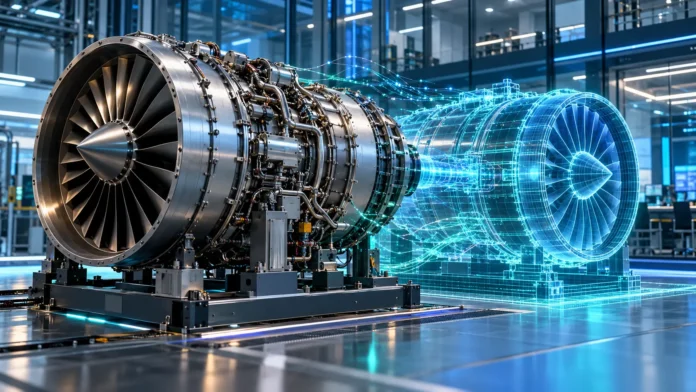

What Is Digital Twin Technology?
A digital twin is a digital representation of a real-world object, process, or system. It may represent one machine, an entire factory, a building, a vehicle, or a supply chain. Unlike a static 3D model, a digital twin can be connected to data from its physical counterpart and updated as conditions change.
Organizations use digital twins to understand how something is performing, explore possible changes, and make better decisions. A twin may combine sensor readings, engineering models, maintenance records, and operational data in one digital environment. The amount of detail varies: some twins show basic status, while others support advanced simulation and analysis.
The term covers a range of implementations, so not every digital twin works in the same way. Some update in near real time, while others refresh periodically or focus on a particular stage of a product’s lifecycle. The common idea is to use a digital representation to learn about, monitor, or improve a real-world counterpart.
How a Digital Twin Works
A digital twin usually begins with a model of the physical asset or process it represents. The model may come from engineering drawings, computer-aided design files, building plans, or process maps. It provides the digital structure that data can be connected to and gives teams a way to view important parts and relationships.
Sensors and business systems can then supply information about real-world conditions. A factory twin might use readings for temperature, vibration, production rate, or energy use, while a building twin could include occupancy and equipment status. The data is transferred to software that organizes, analyzes, and displays it in a useful form.
People use the digital twin to inspect current performance, review trends, or test possible changes. Depending on the setup, the model may update continuously, at scheduled intervals, or when new data becomes available. Some twins only provide insight; others can also send approved instructions to connected equipment through a controlled system.
The Main Components of a Digital Twin
The physical asset or process is the first component. It could be a pump, aircraft engine, production line, building, or logistics network. Defining what the twin represents is important because the model, data, and analysis should match the decisions users need to make about that specific system.
The digital model forms another core component. It may include a 3D view, engineering equations, operating rules, or a process simulation. The level of complexity should fit the purpose; a team tracking equipment maintenance may need a clear asset model and status data, not an elaborate virtual environment.
Data connections and analytics help the twin reflect real conditions and produce useful insight. These can draw from sensors, enterprise software, maintenance logs, and historical records. A user interface then helps engineers, operators, or planners view the information, ask questions, compare scenarios, and decide what action to take.
Digital Twin vs. Simulation, 3D Model, and Digital Thread
A 3D model shows the shape or layout of an object, but it may not be connected to live or historical operating data. A digital twin can use that model as one element while adding information about actual performance. This connection helps teams compare the design with how the asset behaves in real use.
A simulation explores how a system may behave under specific conditions. It can be run without a continuing connection to a real asset, such as testing how a design responds to different loads. A digital twin may include simulations, but it also represents a real counterpart and can be updated with data from it.
A digital thread connects information across stages of a product or system’s lifecycle. It can link design, manufacturing, operation, and maintenance records so teams can follow how decisions and changes relate. A digital twin can use this connected information to show a current or historical view of the asset within its broader lifecycle.
Common Uses of Digital Twin Technology
Manufacturers use digital twins to understand equipment performance, test production changes, and plan maintenance. A factory model may represent a machine, production line, or connected set of processes. Teams can study bottlenecks, compare operating conditions, and explore potential adjustments before making changes on the physical shop floor.
In buildings and infrastructure, digital twins can bring together information about spaces, equipment, energy use, and maintenance. Facility teams may use them to understand building operations, plan upgrades, or coordinate work across complex sites. Infrastructure twins can also help planners examine how assets such as roads or utilities interact over time.
Digital twins also appear in product development, transportation, energy, and healthcare research. An engineering team might model a product through its lifecycle, while energy operators may use a twin to study equipment or system behavior. The application depends on whether a digital model and available data can answer a real operational or planning question.
Benefits for Operations and Decision-Making
One benefit is improved visibility into an asset’s condition and performance. Instead of relying only on separate reports, teams can bring related information into a shared digital view. This can help users identify trends, compare expected and actual performance, and understand which conditions may need attention.
Digital twins can also support maintenance planning. By combining operating data with equipment history and analytical models, teams may spot patterns associated with wear or changing performance. This can help them investigate issues earlier and plan service around operating needs, although the twin’s value depends on data quality and model accuracy.
Another benefit is testing changes before applying them in the real world. Teams can explore different production schedules, building settings, or design options in a digital environment. The results can help narrow choices and reduce some uncertainty, but they should be treated as decision support rather than a guarantee of what will happen.
The Role of IoT, Cloud Computing, and Edge AI
Internet of Things sensors can collect data from physical equipment, buildings, vehicles, and other connected assets. These readings may include temperature, pressure, movement, location, or power use. The twin can use them to show changing conditions, provided sensors are installed appropriately and the data is transmitted and interpreted correctly.
Cloud computing can store and process large volumes of twin data, making it easier for teams and applications to access shared models. Some workloads may instead run closer to the equipment, where fast response or local operation matters. The right architecture depends on latency, connectivity, security, data volume, and system requirements.
Edge AI can process selected data near the source, which may help when decisions need to happen quickly or connectivity is limited. It can complement a digital twin by supporting local analysis before information is sent elsewhere. Learn more about edge AI and how it brings computing and analysis closer to connected devices.
How Digital Twins Support Predictive Maintenance
Predictive maintenance uses equipment data and analytical methods to estimate when performance may need attention. A digital twin can provide context by linking current sensor readings with an asset’s design, operating history, and maintenance records. This can help maintenance teams investigate unusual changes rather than relying only on fixed schedules.
For example, a twin of a motor might track vibration and temperature alongside operating speed and past service activity. If readings shift from an established pattern, the system can flag the change for review. A technician can then inspect the equipment and decide whether maintenance is needed, instead of treating an alert as an automatic diagnosis.
Predictive maintenance is only as useful as the data and analysis behind it. Poorly placed sensors, incomplete service records, or an inaccurate model can produce misleading alerts or missed warnings. Teams should validate predictions against real maintenance outcomes and keep human expertise involved in decisions that affect safety or production.
Steps to Create a Digital Twin
Start with a specific problem rather than trying to model everything at once. Decide what asset or process matters, who will use the twin, and what decision it should improve. A clear use case might focus on reducing unplanned downtime, understanding energy use, planning capacity, or improving product design.
Next, identify the data sources, model requirements, and connections needed for that use case. Review sensor availability, data formats, ownership, quality, and access permissions. Then build a small pilot around a manageable asset or process, connecting the essential information before investing in a broader digital twin platform.
Test the twin against real conditions and refine it as users provide feedback. Compare its outputs with observed performance, document assumptions, and define how often the model and data will be updated. If the pilot supports useful decisions, expand gradually while setting clear responsibilities for maintenance, governance, and ongoing evaluation.
Challenges, Data Quality, and Security
Digital twin projects can be difficult when information is scattered across incompatible systems. Equipment records, sensor feeds, design files, and maintenance data may use different formats or identifiers. Integrating these sources takes planning, and a twin built on inconsistent information may create a polished view that does not reflect reality.
Model accuracy and data quality also need ongoing attention. Sensors can fail, systems can change, and assumptions that were reasonable during design may become outdated in operation. Teams should track uncertainty, check the twin against the physical system, and make it clear to users when information is incomplete or delayed.
Security and privacy matter because digital twins can contain sensitive operational, infrastructure, or personal information. Connections between the physical system and digital platform should be designed with access controls, monitoring, and appropriate safeguards. Organizations also need clear rules for who can view data, change models, or issue commands to connected equipment.
How to Measure Digital Twin Success
Measure a digital twin by whether it improves the decision or process it was built to support. Useful indicators might include equipment downtime, maintenance response time, production yield, energy use, planning accuracy, or the time needed to evaluate a design. Choose measures that connect to the original business or operational goal.
Establish a baseline before deployment so you can compare results over time. Consider how the organization will separate the twin’s contribution from other changes, such as new equipment, staffing, or operating procedures. Pair numerical measures with feedback from the people who use the system to understand whether it is practical and trusted.
Review costs as well as benefits. A digital twin may require sensors, software, system integration, data management, training, and ongoing model updates. If the twin does not influence decisions or improve outcomes enough to justify these costs, refine the use case, reduce complexity, or reconsider whether a twin is the right tool.
Conclusion
Digital twin technology connects a digital representation of an asset or process with information about its real-world counterpart. By combining models, operational data, and analysis, a digital twin can help teams monitor performance, explore scenarios, and plan decisions across an asset’s lifecycle.
The most effective projects begin with a clear use case and reliable data. Organizations should decide what the twin needs to represent, who will use it, and how they will measure its value. A focused pilot can expose data, integration, security, and usability challenges before a wider rollout.
A digital twin is not valuable simply because it looks detailed or uses advanced software. Its value comes from helping people make better-informed decisions and improve real outcomes. Start with a practical problem, validate the model against reality, and expand only when the twin proves useful.
FAQs
What is digital twin technology in simple terms?
It is a digital representation of a real-world asset, process, or system. It can use data from that counterpart to help people monitor performance, explore changes, and make decisions.
How is a digital twin different from a simulation?
A simulation explores how a model may behave under chosen conditions. A digital twin represents a real counterpart and can be updated with information from it, though it may also include simulations.
What are digital twins used for?
They are used in areas such as manufacturing, buildings, infrastructure, energy, and product development. Common goals include monitoring performance, planning maintenance, testing changes, and improving operations.
Does a digital twin use real-time data?
Some digital twins use near real-time data, while others update periodically or rely on historical information. The update frequency depends on the purpose, connectivity, sensors, and system design.
What is needed to build a digital twin?
A project typically needs a defined use case, a digital model, suitable data sources, connections between systems, and people who can validate and maintain it. Security and data quality also matter.