
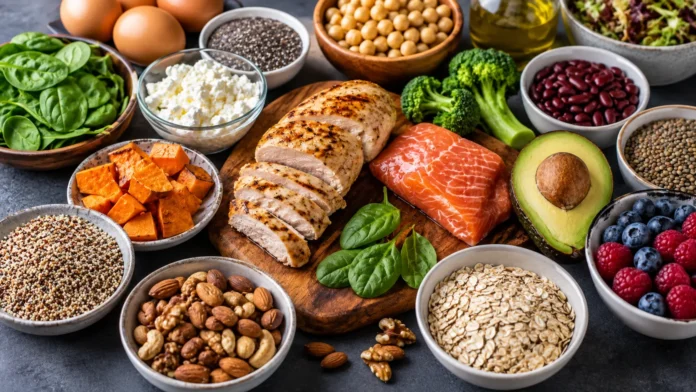

Best Food for Weight Loss and Muscle Gain
Trying to lose body fat while building or preserving muscle can feel confusing because the two goals appear to pull in opposite directions. Fat loss generally requires controlling overall calorie intake, while muscle growth depends on resistance training, adequate protein, sufficient energy, and recovery. The good news is that the right food choices can support both goals at the same time, particularly for beginners, people returning to training, and those with more body fat to lose.
The best food for weight loss and muscle gain is not one magical ingredient. A successful eating pattern combines protein-rich foods, fiber-rich carbohydrates, vegetables, fruits, healthy fats, and enough total calories to support training without consistently overeating. Current dietary guidance continues to emphasize nutrient-dense whole foods such as protein foods, vegetables, fruits, whole grains, dairy, and healthy fats.
Protein deserves particular attention because it provides amino acids that the body uses to repair and build muscle tissue. People who exercise regularly generally require more protein than sedentary adults, and needs may rise during periods of intense training or reduced calorie intake. Resistance exercise provides the training stimulus, while sufficient protein and overall nutrition help support recovery and adaptation.
This guide explains the best foods for losing fat and gaining muscle, including chicken, eggs, Greek yogurt, fish, lean beef, lentils, cottage cheese, oats, potatoes, rice, vegetables, fruit, nuts, and other practical options. You will also learn how to structure meals, choose carbohydrates and fats, eat around workouts, and avoid common mistakes that can slow progress.
Can You Lose Weight and Gain Muscle at the Same Time?
Losing fat while gaining muscle is commonly called body recomposition. Instead of judging progress only by the number on the scale, the goal is to improve body composition by reducing body fat while preserving or increasing lean muscle tissue. Your body weight may fall slowly, remain relatively stable, or change unevenly while your waist, strength, and appearance improve.
This is particularly important because weight loss does not automatically mean fat loss alone. When calories are reduced, some lean tissue can also be lost. Physical activity, especially resistance exercise, helps reduce muscle loss during weight reduction and can support improvements in strength and body composition.
Beginners often have more opportunity for simultaneous fat loss and muscle gain because their muscles respond strongly to a new resistance-training stimulus. People returning to strength training after a long break may also regain muscle relatively efficiently while controlling calorie intake. More advanced lifters usually need more precise nutrition because additional muscle becomes progressively harder to build.
Rather than chasing extremely rapid scale loss, focus on strength progression, protein intake, food quality, sleep, training consistency, and gradual changes in measurements. A slower approach can be easier to sustain and may provide a better environment for maintaining lean mass than aggressive dieting combined with demanding workouts.
Why Protein Matters for Fat Loss and Muscle Gain
Protein is one of the most important nutrients when your goal combines weight management with muscle development. During digestion, dietary protein supplies amino acids that the body uses for numerous functions, including repairing and constructing muscle proteins after training. Adequate protein also helps reduce muscle-protein breakdown.
Protein-rich meals can also be useful during weight loss because they make it easier to structure satisfying meals around nutrient-dense foods. Chicken, fish, eggs, Greek yogurt, cottage cheese, tofu, lentils, beans, and lean meat can provide substantial nutrition without requiring every meal to contain extremely high calories.
For active adults, protein requirements depend on body size, training intensity, age, energy intake, and individual circumstances. Sports-nutrition guidance commonly places active individuals above the minimum needs of sedentary adults, with NIH guidance noting roughly 0.5–0.9 grams per pound of body weight per day for athletes, with potentially higher needs temporarily during intensive training or calorie restriction.
You do not need to consume enormous amounts of protein at one sitting. Spreading protein-containing foods across breakfast, lunch, dinner, and perhaps a snack can make it easier to reach your daily target while maintaining balanced meals. Consistency across the entire day matters more than relying on one oversized protein-heavy dinner.
Chicken Breast: A Classic Lean Protein Choice
Chicken breast is one of the most practical foods for people trying to build muscle while managing calorie intake. It provides concentrated protein without large amounts of carbohydrate, making it easy to combine with vegetables, rice, potatoes, whole grains, beans, or salad depending on your energy needs.
Another advantage is flexibility. Grilled chicken can be added to wraps and salads, shredded chicken can be used in rice bowls, and baked chicken can serve as the main protein at dinner. Changing herbs, spices, sauces, and side dishes prevents a muscle-building diet from becoming repetitive.
Preparation matters when weight loss is the goal. Deep frying or covering chicken with calorie-dense sauces can dramatically change the energy content of the meal. Grilling, baking, air-frying, poaching, and pan-cooking with a measured amount of oil are generally easier ways to control calories.
Chicken does not need to appear at every meal. Variety matters nutritionally and psychologically, so rotate chicken with fish, eggs, dairy, beans, lentils, tofu, and lean meat. The best eating plan is usually one that provides enough protein without making you feel as though you are eating the same meal every day.
Eggs: Affordable Protein for Breakfast and Beyond
Eggs are convenient, versatile, and useful for people who want a simple source of high-quality protein. They can be boiled in advance, scrambled with vegetables, added to whole-grain toast, used in omelets, or combined with potatoes and vegetables for a more substantial meal.
Whole eggs also contain fat and several micronutrients, while egg whites provide additional protein with fewer calories. Some people combine whole eggs with extra whites when they want a larger serving of protein without increasing calories as much as eating the same number of whole eggs.
A practical breakfast might include eggs, vegetables, whole-grain toast, and fruit. This provides protein together with carbohydrates and fiber rather than relying on a sugary breakfast that offers little protein and may leave you searching for another meal soon afterward.
There is no requirement to eat eggs specifically after exercise or every morning. They are simply one convenient option among many. People who dislike eggs or avoid them for dietary reasons can obtain muscle-supporting protein from dairy, soy foods, legumes, fish, poultry, meat, or other appropriate alternatives.
Greek Yogurt: High-Protein Food for Easy Snacks
Greek yogurt can make a useful breakfast, snack, or dessert replacement because it supplies protein in a convenient form. Plain varieties can be combined with berries, sliced fruit, oats, seeds, or a small amount of nuts to create a more balanced meal.
Choosing plain yogurt also gives you greater control over sweetness. Some flavored products contain substantial added sugar, whereas plain yogurt allows you to add fresh fruit for natural sweetness and additional fiber.
Greek yogurt is particularly convenient when you do not want to cook. Keeping individual containers available can prevent situations where hunger leads you toward a less satisfying snack simply because no protein source is ready.
If dairy does not suit you, look for alternative products with meaningful protein rather than assuming every plant-based yogurt is nutritionally equivalent. Soy-based options often contain more protein than products based primarily on coconut or some nut milks, but labels vary considerably.
Cottage Cheese: A Filling Protein-Rich Option
Cottage cheese is another convenient protein food that requires almost no preparation. It works with both sweet and savory ingredients, making it useful for breakfast, snacks, or lighter meals when you want something quick.
For a sweet combination, add berries, peaches, apple, cinnamon, or another favorite fruit. For a savory meal, combine cottage cheese with tomatoes, cucumber, herbs, cracked pepper, or whole-grain crackers.
The different fat percentages available make it easier to match cottage cheese to your calorie needs. Lower-fat varieties can provide more flexibility during a calorie deficit, while higher-fat versions may fit perfectly well when your overall diet has room for them.
Texture is the main reason some people dislike cottage cheese. If that applies to you, there is no nutritional reason to force it into your diet. Greek yogurt, eggs, lean meat, tofu, fish, and legumes can provide alternatives that may be easier to enjoy consistently.
Salmon: Protein Plus Healthy Fats
Salmon provides substantial protein together with omega-3 fats, making it a nutrient-dense choice for people trying to improve the overall quality of their diet. It can be baked, grilled, air-fried, or pan-cooked and works well with potatoes, rice, vegetables, and salads.
Because salmon naturally contains more fat than chicken breast or many white fish, its calorie content is higher. That does not make it unsuitable for weight loss. It simply means portion size should fit into your overall energy intake rather than assuming all protein foods are equally low in calories.
A balanced salmon dinner might include a moderate serving of fish, roasted vegetables, and potatoes or brown rice. This gives you protein for recovery, carbohydrates for training energy, vegetables for volume and micronutrients, and dietary fat in the same meal.
You also do not need salmon every day. Including different types of seafood throughout your weekly diet can provide variety, while people who do not eat fish can obtain protein through other foods and discuss appropriate omega-3 options with a qualified professional if needed.
Tuna: Convenient Lean Protein
Tuna is especially useful when convenience is your priority. Canned tuna can turn into a protein-rich lunch within minutes and can be mixed with salads, wraps, whole-grain bread, rice bowls, or baked potatoes.
Tuna packed in water is generally easier to fit into a lower-calorie meal than products packed in substantial amounts of oil, although either can fit depending on your overall diet. Checking the nutrition label gives you a clearer picture than judging food only by its name.
Avoid transforming tuna into an unexpectedly calorie-dense meal by using large quantities of mayonnaise without accounting for it. Greek yogurt, mustard, herbs, lemon, vegetables, or measured portions of mayonnaise can create flavor while allowing better control of the final meal.
Because recommendations concerning fish consumption vary with species and individual circumstances, especially during pregnancy, it is sensible to follow local food-safety guidance rather than making tuna your only seafood choice every day.
Lean Beef: Protein, Iron and a Satisfying Meal
Lean beef can be part of a diet designed for muscle gain and fat loss. It provides protein along with nutrients such as iron and zinc, which are involved in normal body functions and are especially relevant for physically active people.
Choosing leaner cuts or lower-fat ground beef can reduce calories while still allowing you to enjoy red meat. Portion size also matters; a sensible serving combined with vegetables and a carbohydrate source can produce a balanced meal without requiring an oversized steak.
Beef works particularly well in meal-prep dishes such as rice bowls, stir-fries, chili, burrito bowls, and vegetable-rich pasta sauces. Combining meat with beans and vegetables can increase food volume while spreading the protein across several portions.
You do not need red meat to build muscle. It is simply another option. People following vegetarian diets or those who prefer poultry and seafood can achieve adequate protein without beef when their overall diet is properly structured.
Turkey: Lean Protein With Plenty of Flexibility
Turkey breast provides a lean protein option similar to chicken and can be useful when you want more variety. It works in sandwiches, salads, wraps, burgers, meatballs, chili, and rice bowls.
Ground turkey can replace higher-fat ground meats in certain recipes, although fat content varies between products. Reading the label is important because some ground turkey contains considerably more fat than very lean turkey breast.
For weight-loss meals, combine turkey with foods that create volume and satisfaction. Vegetables, beans, whole grains, potatoes, and salads can make a moderate serving of turkey feel like part of a substantial meal rather than a tiny diet portion.
Processed turkey products can be convenient, but heavily processed deli meats may contain high amounts of sodium. Freshly cooked turkey can therefore be useful when you want greater control over ingredients and seasoning.
Shrimp: High Protein Without Heavy Calories
Shrimp provides protein in a relatively light package and cooks quickly, making it useful for weeknight meals. It pairs well with vegetables, rice, pasta, tacos, salads, and stir-fries.
Because shrimp itself is relatively lean, preparation often determines how calorie-dense the final dish becomes. Fried shrimp with creamy sauce is very different nutritionally from grilled shrimp with vegetables and rice.
Shrimp can also make meal preparation feel less repetitive. Rotating seafood with chicken, eggs, dairy, legumes, and meat can improve variety and make a fat-loss diet easier to continue.
Frozen shrimp is particularly convenient because it can be stored for longer periods and cooked as needed. Choosing unbreaded varieties keeps you in control of how the food is seasoned and prepared.
Lentils: One of the Best Plant-Based Foods for Body Recomposition
Lentils provide a useful combination of plant protein, complex carbohydrates, and dietary fiber. That combination makes them particularly helpful for people who want filling meals without relying entirely on animal protein.
They can be used in soups, curries, salads, stews, grain bowls, and pasta sauces. Because dried and canned lentils are relatively inexpensive, they are also an excellent option for people building a high-protein diet on a limited food budget.
Plant proteins can be combined across the day with foods such as beans, soy, whole grains, nuts, seeds, and dairy if consumed. You do not need to carefully combine complementary proteins at every single meal when the overall diet is varied and nutritionally adequate.
Lentils are particularly useful when weight loss meals feel too small. Their fiber and water-holding capacity can add substantial volume to a dish while also contributing protein and carbohydrates useful for active people.
Beans: Budget-Friendly Protein and Fiber
Black beans, kidney beans, chickpeas, pinto beans, and other legumes can support both weight management and muscle-building nutrition. They provide plant protein along with carbohydrates, fiber, minerals, and other nutrients.
Beans work especially well in burrito bowls, chili, salads, soups, curries, wraps, and grain dishes. Combining beans with lean meat can increase protein while making expensive animal protein stretch across more meals.
For vegetarian meals, beans can be paired with whole grains, vegetables, dairy, eggs, tofu, or other protein sources according to your dietary preferences. The goal is to build a varied daily pattern rather than expecting one food to provide everything.
Canned beans make meal preparation much easier. Rinsing them can reduce some of the sodium, while dried beans are economical when you have enough time to soak and cook larger batches.
Tofu and Tempeh: Strong Plant-Based Protein Choices
Tofu is a useful protein source for vegetarians, vegans, and anyone who wants more plant-based meals. Its mild flavor allows it to absorb marinades and seasonings, making it suitable for stir-fries, curries, bowls, wraps, and salads.
Tempeh generally has a firmer texture and stronger flavor and can work well in sandwiches, bowls, tacos, or stir-fries. Both tofu and tempeh are soy foods and provide considerably more protein than many vegetables people mistakenly think of as protein substitutes.
Preparation can make an enormous difference. Pressing tofu, seasoning it properly, and baking, air-frying, or pan-searing it can create a much more appealing texture than serving it completely plain.
Plant-based eating does not automatically cause weight loss. Oils, sauces, nuts, processed vegan snacks, and large portions can still provide substantial calories, so the same principles of portion awareness and overall energy balance continue to matter.
Whey Protein: Useful but Not Essential
Whey protein powder can be convenient when reaching your protein goal through normal meals is difficult. A shake can provide protein quickly after training, during a busy workday, or when you do not feel like preparing another full meal.
However, protein powder is a supplement rather than a requirement. Adequate protein can often be obtained from ordinary foods, and NIH guidance notes that many active people can meet increased protein needs through their regular diets.
Whole foods generally provide additional nutrients and may be more satisfying than liquid calories. For that reason, protein shakes often work best as a convenient addition rather than replacing most of your meals.
If you choose a powder, review the ingredient and nutrition label rather than assuming more expensive products automatically produce more muscle. People with allergies, gastrointestinal concerns, kidney disease, or other medical conditions should discuss major dietary changes or supplements with an appropriate healthcare professional.
Oats: A Smart Carbohydrate for Active People
Oats provide carbohydrates and fiber that can fit comfortably into a weight-loss and muscle-building diet. Carbohydrates are particularly useful for active people because they help provide energy for resistance training and other physical activity.
A basic bowl of oatmeal becomes much more balanced when you add a protein source. Greek yogurt, milk, protein powder, or a side of eggs can turn carbohydrate-heavy oatmeal into a meal that supports both energy and protein needs.
Fruit can provide sweetness without requiring large amounts of added sugar. Berries, banana, apple, cinnamon, and a measured serving of nuts or seeds can create a satisfying breakfast with a variety of textures and nutrients.
Portion size still matters because toppings can quickly turn oatmeal into a very high-calorie meal. Nut butter, dried fruit, honey, granola, and seeds are nutritious but energy-dense, so use portions that fit your goals.
Potatoes: Weight-Loss Friendly When Prepared Well
Potatoes are sometimes incorrectly treated as foods that must be removed from a fat-loss diet. In reality, plain potatoes provide carbohydrates and nutrients and can fit easily into a calorie-controlled eating plan.
The problem is often preparation rather than the potato itself. French fries, loaded potato skins, and potatoes covered in butter, cheese, or creamy sauces can deliver far more calories than boiled, baked, or air-fried potatoes.
Pair potatoes with lean protein and vegetables for a simple balanced meal. Chicken, potatoes, and roasted vegetables are an example of a basic combination that can support training without requiring specialized “fitness foods.”
White and sweet potatoes can both fit. Choose based on taste, availability, and how the rest of your meal is structured rather than believing one variety has magical fat-burning properties.
Rice: Useful Fuel for Resistance Training
Rice is another food that often receives unnecessary criticism during weight loss. White and brown rice can both fit into an effective body-composition diet when portions align with your calorie and activity needs.
People who train intensely may find rice particularly useful before or after exercise because it provides readily available carbohydrate. Combining it with chicken, fish, lean beef, tofu, vegetables, or beans produces a practical muscle-building meal.
Brown rice offers more fiber and a different texture, while white rice is often easier to digest around training for some people. Neither option automatically causes weight gain; overall calorie intake and the broader diet matter far more than choosing one specific rice variety.
Instead of eliminating rice, adjust the serving to match your goals. Someone performing hard resistance training several times per week may need considerably more carbohydrate than a sedentary person trying to reduce calorie intake.
Whole-Grain Bread and Wraps for Convenient Meals
Whole-grain bread and wraps make high-protein meals easier when you are busy. Chicken sandwiches, tuna wraps, egg toast, turkey sandwiches, and hummus-based wraps can be assembled quickly without extensive cooking.
Whole-grain options can contribute additional fiber compared with highly refined alternatives. Current dietary guidance includes whole grains among the nutrient-dense foods that can form part of a healthy eating pattern.
The filling determines much of the meal’s nutritional quality. A sandwich built around lean protein, vegetables, and a sensible amount of sauce is quite different from one dominated by processed meat, cheese, butter, and high-calorie condiments.
If you prefer white bread or another carbohydrate source, you do not need to eliminate it completely. Improving an overall diet is more important than trying to make every individual food nutritionally perfect.
Vegetables: Add Volume Without Making Meals Heavy
Vegetables are extremely useful during fat loss because they can add substantial volume, texture, flavor, fiber, vitamins, and minerals to meals. Broccoli, spinach, peppers, carrots, cauliflower, cabbage, tomatoes, mushrooms, and leafy greens can all help make meals more satisfying.
Aim to include several colors and types across the week rather than relying on one vegetable every day. Different vegetables provide different nutrients, and variety makes a repetitive meal-prep routine more enjoyable.
Vegetables should complement protein rather than replace it when muscle growth is the goal. A large salad containing almost no meaningful protein may be low in calories but may not support recovery as effectively as a salad containing chicken, tuna, tofu, eggs, beans, or another protein source.
Preparation matters here too. Vegetables roasted with a measured amount of oil remain very different from vegetables covered in large amounts of creamy dressing or fried batter. Flavor them generously with herbs, spices, lemon, garlic, vinegar, and other lower-calorie additions.
Fruit: Helpful for Energy, Fiber and Sweet Cravings
Fruit can absolutely remain in a weight-loss diet. Berries, apples, oranges, bananas, kiwi, melon, peaches, pears, and other whole fruits provide carbohydrates, fiber, water, and micronutrients.
Whole fruit can be particularly useful when you want something sweet. Replacing some desserts or heavily processed snacks with fruit and Greek yogurt can provide substantially more protein and nutritional value while still satisfying a preference for sweetness.
Bananas are useful around workouts because they are portable and provide easily accessible carbohydrates. Berries work particularly well with yogurt, cottage cheese, or oatmeal when you want greater food volume.
Fruit contains natural sugar, but eliminating fruit because of sugar is generally unnecessary for most people. Total calorie intake and the overall quality of your diet matter more than treating naturally occurring sugar in whole fruit as equivalent to unlimited intake of sweets and sugary drinks.
Avocado: Healthy Fat With Portion Awareness
Avocado provides unsaturated fat, fiber, and a creamy texture that can make meals more enjoyable. It works well in egg breakfasts, chicken bowls, salads, wraps, and whole-grain toast.
Because avocado is calorie-dense compared with most vegetables, portion size matters during fat loss. A moderate amount can enhance a meal without turning it into an unexpectedly high-calorie dish.
Healthy fats should not be eliminated in an attempt to lose weight faster. Fat performs important physiological roles, and current dietary guidance includes healthy fats within nutrient-dense eating patterns.
The key is balance. Add avocado where it improves your meal, but you may not need avocado, cheese, nuts, dressing, and several tablespoons of oil in the same bowl unless your calorie needs support all of them.
Nuts and Seeds: Nutrient-Dense but Easy to Overeat
Almonds, walnuts, pistachios, pumpkin seeds, chia seeds, and other nuts and seeds provide healthy fats along with varying amounts of protein, fiber, vitamins, and minerals.
They are particularly convenient as snacks or toppings, but they contain substantial calories in relatively small portions. Eating directly from a large bag can make it easy to consume several servings without noticing.
A measured portion alongside fruit or yogurt is generally easier to manage during weight loss. Nuts can also add crunch and satisfaction to oatmeal, salads, and cottage-cheese bowls.
Do not rely on nuts as your main muscle-building protein simply because they contain some protein. Foods such as chicken, fish, Greek yogurt, eggs, tofu, lentils, and lean meats generally provide considerably more protein relative to their total calories.
Peanut Butter: Useful but Not a Lean Protein Source
Peanut butter is often marketed as a protein food, but much of its energy actually comes from fat. It provides protein, but it is usually better considered a healthy-fat food that happens to contribute some protein.
A tablespoon or measured serving can work well in oatmeal, smoothies, toast, or fruit snacks. The challenge comes when several large spoonfuls are added without considering their calorie contribution.
For someone struggling to eat enough calories while building muscle, peanut butter can actually be very useful because it provides energy in a small amount of food. During fat loss, however, portions usually need greater attention.
You do not need to buy highly specialized “fitness” nut butters. Look at ingredients and nutrition information, choose something you enjoy, and fit the serving into the overall diet.
Best Breakfast for Weight Loss and Muscle Gain
A strong breakfast for body recomposition usually contains a meaningful source of protein. Eggs, Greek yogurt, cottage cheese, milk, tofu, or a carefully selected protein powder can provide the foundation.
Add carbohydrates according to your activity level. Oats, whole-grain toast, fruit, or potatoes can provide training fuel and make the meal more satisfying, particularly if you exercise later in the morning.
Include fruit or vegetables where practical. An omelet with vegetables and toast, or Greek yogurt with oats and berries, provides far more nutritional variety than relying on a pastry and sweetened coffee.
There is no requirement to eat breakfast if you genuinely prefer eating later in the day. Your overall calorie, protein, nutrient, and training pattern matters more than forcing yourself to follow a meal schedule that does not fit your lifestyle.
Best Lunch for Losing Fat and Building Muscle
A useful lunch formula is protein + vegetables + a controlled carbohydrate portion + optional healthy fat. Chicken with rice and vegetables, tuna with potatoes and salad, or lentils with whole grains can all follow this structure.
Building lunch around protein prevents the common situation where someone eats a mostly carbohydrate-based meal and then struggles to reach their protein goal at dinner.
Vegetables can increase portion size without making the meal excessively calorie-dense. This is especially helpful during workdays when you need a satisfying lunch but do not want to feel overly heavy afterward.
Meal prepping two or three lunch options can reduce dependence on fast food. You do not need seven completely different recipes; rotating a few combinations that you genuinely enjoy can make consistency much easier.
Best Dinner for Weight Loss and Muscle Gain
Dinner can follow the same basic structure as lunch. Start with chicken, fish, lean meat, tofu, eggs, lentils, or another protein source, then add vegetables and a carbohydrate based on your remaining needs.
Carbohydrates do not need to disappear at night. Rice, potatoes, pasta, bread, and whole grains can fit at dinner as long as your overall intake supports your goal. Eating carbohydrates after a certain clock time does not automatically cause fat gain.
If you train in the evening, dinner can also serve as your post-workout meal. Combining protein with carbohydrates provides the building blocks and energy needed for recovery after resistance training.
Keep sauces and cooking oils in perspective. A nutritious meal can become surprisingly calorie-dense when large amounts of oil, butter, cheese, or creamy dressing are added without measurement.
Best Snacks for Weight Loss and Muscle Gain
The most useful snacks usually solve a specific problem. If your daily protein is low, Greek yogurt, cottage cheese, eggs, or a protein shake may help. If you need training energy, fruit with yogurt or a small sandwich might make more sense.
Snacking is not mandatory. If three balanced meals keep you satisfied and allow you to reach your nutrition goals, there is no need to eat constantly because someone claims that frequent meals “boost metabolism.”
Choose snacks that are reasonably filling for their calories. Fruit, yogurt, cottage cheese, vegetables with a protein-containing dip, boiled eggs, or a measured portion of nuts can work depending on your needs.
Be especially careful with foods marketed as fitness snacks. Protein cookies, bars, granola, and smoothies can sometimes contain as many calories as desserts or meals. Read nutrition labels rather than assuming the word “protein” automatically makes something ideal for weight loss.
What Should You Eat Before a Workout?
A pre-workout meal should provide enough energy to train effectively without leaving you uncomfortable. Carbohydrates are especially useful for fueling harder training sessions, while including some protein can help contribute toward your daily intake.
Depending on timing, options might include oatmeal with yogurt, a banana with Greek yogurt, chicken and rice, eggs with toast, or a smaller meal containing easily digested foods.
Meals eaten several hours before exercise can generally be larger and more balanced. If you are eating shortly before training, you may prefer something smaller and lower in fat and fiber to reduce digestive discomfort.
Individual tolerance matters. Some people train well after a full meal, while others need several hours before exercising comfortably. Experiment with timing rather than assuming there is one perfect pre-workout meal for everyone.
What Should You Eat After Strength Training?
After resistance training, your body needs adequate nutrition to recover and adapt. A post-workout meal containing high-quality protein is a practical way to support muscle repair and contribute toward your daily protein target.
Carbohydrates can also be useful, particularly after demanding sessions or when you train frequently. Chicken and rice, eggs with potatoes, Greek yogurt with fruit and oats, or tofu with rice can all provide straightforward recovery meals.
You do not need to panic if you cannot drink a shake within minutes of finishing your workout. Total daily protein and a sensible distribution of protein-containing meals are more important than obsessing over an extremely narrow post-workout window.
If a shake is convenient, use one. If you are going home for dinner, ordinary food works perfectly well. Nutrition should support your training routine rather than turning your day into a constant race against the clock.
How Much Protein Do You Need?
Protein requirements vary, so there is no single gram target suitable for every reader. Body weight, training level, age, calorie intake, health, and goals can all change what constitutes an appropriate amount.
NIH information for athletes gives a broad range of approximately 0.5–0.9 grams of protein per pound of body weight per day, noting that requirements may temporarily be higher during intense training or calorie restriction.
Rather than concentrating almost all of your protein at dinner, it is practical to include protein throughout the day. Sports-nutrition research commonly supports distributing meaningful servings of high-quality protein across meals to support muscle-protein synthesis.
More protein is not automatically better once your needs are met. Extremely high intakes can crowd out fruits, vegetables, carbohydrates, and healthy fats that also contribute to performance and health.
Do You Need to Cut Carbohydrates to Lose Fat?
No specific carbohydrate elimination strategy is required for fat loss. Weight loss primarily depends on consistently consuming less energy than your body uses over time, although food quality strongly influences hunger, performance, and dietary adherence.
Carbohydrates can be particularly useful when you perform resistance training. Rice, oats, potatoes, fruit, bread, pasta, beans, and whole grains can provide energy that helps you train harder and maintain performance.
Very low-carbohydrate diets work for some people because they simplify food choices or reduce calorie intake, but they are not automatically superior for someone trying to perform intense strength training.
Instead of asking whether carbohydrates are “good” or “bad,” consider portion size, food quality, timing, and your personal response. A serving of potatoes beside chicken and vegetables is nutritionally very different from repeatedly consuming oversized portions of fries and sugary drinks.
How Much Fat Should You Eat?
Dietary fat should remain part of a balanced diet even during weight loss. Foods such as olive oil, avocado, nuts, seeds, eggs, and fatty fish can provide unsaturated fats and other useful nutrients.
The main challenge is energy density. Fat contains more calories per gram than protein or carbohydrate, so seemingly small additions can contribute substantial energy to a meal.
Measure oils, nut butter, nuts, seeds, and dressings when progress stalls. These foods are nutritious, but “healthy” does not mean calorie-free, and generous unmeasured portions can erase the calorie deficit you thought you had created.
There is no need to make every meal extremely low in fat. Instead, distribute appropriate portions across the day while ensuring protein, carbohydrates, fruits, vegetables, and total calories remain aligned with your needs.
Should You Count Calories?
Calorie tracking can be useful, but it is not mandatory for everyone. Some people benefit from temporarily logging food because it teaches them how portion size relates to energy intake and helps reveal where unexpected calories are coming from.
Others prefer a simpler plate-based method. Building meals around lean protein and vegetables, controlling servings of calorie-dense fats, and adjusting carbohydrate portions based on activity can create structure without weighing every ingredient.
If your body weight and measurements are not changing after several weeks, your actual energy intake may be closer to maintenance than you think. Adjusting portions gradually can be more sustainable than suddenly eliminating entire food groups.
Anyone with a history of disordered eating or anxiety around calorie tracking should be cautious about highly restrictive monitoring. A registered dietitian or appropriate healthcare professional can help create a more individualized approach.
Foods to Limit When Trying to Lose Fat and Build Muscle
You do not need a completely “clean” diet, but foods that provide many calories with little satiety can make fat loss harder. Sugary drinks, frequent fried foods, large desserts, heavy sauces, and highly processed snack foods can add energy quickly.
Alcohol can also complicate a body-composition goal by adding calories while potentially affecting food choices, sleep, recovery, and training quality. Reducing frequency or serving size can be useful when progress has stalled.
Liquid calories deserve particular attention. Sweetened coffee drinks, juices, sodas, and large smoothies may provide significant energy without creating the same fullness as a balanced meal.
The goal is not perfection. If most of your diet consists of nutrient-dense foods and your overall intake supports your goals, occasional favorite foods can fit without destroying progress.
Common Mistakes When Trying to Lose Weight and Gain Muscle
The first major mistake is eating far too little. An extreme calorie deficit may produce fast scale loss, but it can also make training performance, recovery, hunger, and muscle retention more difficult. More aggressive restriction is not automatically better.
Another mistake is focusing on protein while ignoring resistance training. Protein provides building blocks, but muscles still need a training stimulus. Resistance exercise is a central driver of muscle adaptation and remains important during weight loss.
A third mistake is eliminating carbohydrates because of fear that they automatically cause fat gain. This can reduce training energy for some people and make the eating plan unnecessarily restrictive.
Finally, people frequently underestimate calorie-dense “healthy” foods. Nuts, oils, avocado, cheese, granola, peanut butter, and smoothies can all fit into a nutritious diet, but large portions may make maintaining a calorie deficit difficult.
Simple One-Day Meal Example
Breakfast could include scrambled eggs with vegetables, whole-grain toast, and fresh fruit. This provides protein, carbohydrates, fiber, and micronutrients without requiring complicated meal preparation.
For lunch, try grilled chicken with rice and a large serving of mixed vegetables. Add a measured amount of olive-oil-based dressing or another sauce if desired, adjusting portions according to your energy requirements.
A snack might be plain Greek yogurt with berries, while dinner could include salmon, potatoes, and roasted vegetables. This spreads protein across the day while providing carbohydrates around an active lifestyle.
Treat this only as an example rather than a personalized prescription. Body size, dietary preferences, allergies, training schedule, medical conditions, culture, and calorie requirements can substantially change what an appropriate day of eating looks like.
Best Food Shopping List for Fat Loss and Muscle Gain
A useful shopping basket begins with several protein options. Chicken breast, turkey, eggs, Greek yogurt, cottage cheese, fish, lean beef, tofu, lentils, beans, and an optional protein powder give you enough variety to prevent meal fatigue.
Next, choose carbohydrates that fit your routine. Oats, rice, potatoes, whole-grain bread, wraps, pasta, beans, and fruit provide options for breakfast, lunch, dinner, and workout nutrition.
Add plenty of vegetables and fruit. Frozen produce is perfectly useful and can reduce waste, while fresh options provide additional variety and texture. Buying both often makes healthy meals easier during busy weeks.
Finally, include moderate amounts of healthy-fat foods such as olive oil, nuts, seeds, avocado, and peanut butter. Having all four components available—protein, carbohydrates, produce, and fats—makes building balanced meals much easier.
How to Make Your Diet Sustainable
Choose foods you actually enjoy. A theoretically perfect diet of plain chicken and broccoli will not help if you abandon it after two weeks because every meal feels like punishment.
Use herbs, spices, marinades, salsa, mustard, yogurt-based sauces, garlic, lemon, chili, and other flavorful ingredients. Healthy meals can be enjoyable and culturally familiar rather than bland.
Plan for real life. Keep quick protein foods and easy carbohydrates available for busy days so missing meal preparation does not automatically lead to takeout or skipping meals.
Most importantly, judge progress over weeks rather than individual days. Body weight fluctuates because of water, food volume, sodium, carbohydrate intake, and other factors, so one higher scale reading does not mean you suddenly gained meaningful body fat.
Final Thoughts on the Best Food for Weight Loss and Muscle Gain
The best food for weight loss and muscle gain is ultimately a combination of nutrient-dense foods rather than one special ingredient. Lean protein, vegetables, fruit, whole grains, potatoes, rice, legumes, dairy or suitable alternatives, and moderate amounts of healthy fats can create an effective foundation.
Prioritize protein because it supports muscle repair and maintenance, particularly when combined with resistance training. Chicken, eggs, fish, Greek yogurt, cottage cheese, lean meat, tofu, lentils, and beans are all useful options, and you can choose according to taste, budget, and dietary preference.
Keep carbohydrates instead of automatically fearing them. Oats, rice, potatoes, fruit, beans, and whole grains can provide valuable energy for training, while vegetables help create larger, nutrient-rich meals. Healthy fats also belong in the diet, although portions deserve attention because they are calorie-dense.
Finally, remember that food works together with resistance training, recovery, sleep, and consistency. A sustainable calorie deficit can help reduce body fat, while adequate protein and progressive strength training help protect and develop muscle. That combination is much more powerful than searching for a single food that supposedly burns fat or builds muscle on its own.
Frequently Asked Questions
What is the best food for losing weight and gaining muscle?
Protein-rich foods such as chicken, eggs, fish, Greek yogurt, cottage cheese, lean meat, tofu, beans, and lentils are excellent foundations. Combine them with vegetables, fruit, smart carbohydrates, and moderate healthy fats.
Can I lose belly fat and gain muscle at the same time?
You can reduce overall body fat while building or preserving muscle, particularly with resistance training, adequate protein, and controlled calorie intake. However, you cannot choose exactly where your body loses fat first.
What should I eat every day to build muscle and lose fat?
Build most meals around protein, vegetables or fruit, a suitable carbohydrate source, and some healthy fat. Adjust portions according to your body size, activity level, training demands, and progress.
Are eggs good for weight loss and muscle gain?
Yes. Eggs provide high-quality protein and can fit easily into a body-composition diet. Combining whole eggs with vegetables and other nutrient-dense foods can create a balanced meal.
Is rice good for weight loss and muscle gain?
Yes. Rice can provide useful carbohydrates for resistance training and recovery. Portion size and overall calorie intake matter more than eliminating rice simply because you are trying to lose fat.