

Madagascar Travel Guide: Where to Go & What to Know
Madagascar is one of those destinations that can make even experienced travelers feel as though they have arrived somewhere completely different. The enormous island combines tropical rainforests, dry canyons, highland rice fields, baobab landscapes, coral reefs, remote beaches, and wildlife found naturally nowhere else. Lemurs may be the country’s most famous residents, but chameleons, unusual birds, distinctive plants, and marine life make the biodiversity much broader than a single animal group. Traveling around Madagascar, however, requires more patience than its map may suggest because road conditions and distances can make journeys surprisingly slow. The best trips therefore concentrate on several carefully chosen regions rather than attempting to cover the entire island. Good planning turns those logistical challenges into part of an unforgettable adventure.
First-time travelers should begin by deciding what they most want from Madagascar because different regions suit completely different experiences. Andasibe is excellent for accessible rainforest and lemur watching, while Ranomafana combines wildlife with beautiful mountain forest. Isalo National Park offers hiking through sandstone landscapes, and Morondava provides access to Madagascar’s iconic baobabs. Gozo-style island hopping does not define Madagascar’s coast; instead, places such as Nosy Be, Sainte-Marie, Ifaty, and Anakao each deliver their own version of tropical beach life. Antananarivo and the central highlands add cultural context between nature-focused destinations. This Madagascar travel guide explains where to go, how long to stay, what conditions to expect, how to move between regions, and the practical things worth knowing before building your itinerary.
Start in Antananarivo and Explore the Central Highlands
Antananarivo, commonly shortened to Tana, is the arrival point for many international trips and provides an immediate introduction to the complexity of modern Madagascar. The capital spreads across hills filled with colorful homes, churches, markets, busy roads, historic buildings, and viewpoints over dense neighborhoods. Some travelers try to leave as soon as their flight lands, but spending at least a little time here can make the rest of the country easier to understand. Madagascar is not only national parks and beaches, and its capital reveals everyday urban life that wildlife-focused itineraries often overlook. Exploring with a knowledgeable local guide can simplify transportation while adding historical and cultural context. Daytime sightseeing generally provides the most comfortable introduction for first-time visitors.
The upper parts of Antananarivo contain some of the city’s most atmospheric streets and panoramic viewpoints. Historic architecture, churches, older houses, stone stairways, and royal associations provide a contrast with the sprawling neighborhoods below. Walking can be physically demanding because of steep hills, so travelers should avoid planning a rushed itinerary immediately after a long international flight. Allow time to adjust, exchange money, organize local connectivity, and confirm onward transportation. The capital also provides some of the widest accommodation and restaurant choices you will encounter during a Madagascar journey. Treating your first night as an adjustment period can make the following days much easier than attempting to begin a major road trip immediately.
South of the capital, Madagascar’s central highlands unfold through agricultural landscapes, villages, terraced rice fields, and cooler elevations. Travelers following the classic southern route often pass through this region on their way toward Antsirabe, Ranomafana, Isalo, and the southwest coast. The scenery changes gradually rather than through one dramatic attraction, making the journey itself an important part of the experience. Rice paddies occupy valleys while traditional houses and agricultural communities appear along the roadsides. Temperatures may be noticeably cooler than on Madagascar’s beaches, particularly during early mornings and evenings. Packing one warm layer prevents the common mistake of assuming the entire island has consistently hot tropical conditions.
Antsirabe is one of the most useful highland stops for breaking up longer journeys south from Antananarivo. The city is associated with thermal history, broad streets, local workshops, markets, and surrounding agricultural landscapes. Travelers interested in crafts may encounter artisans producing items from embroidery, recycled materials, wood, horn, or other local resources. Visiting workshops can be more rewarding when you take time to understand the production process rather than treating every stop as a souvenir-shopping opportunity. Antsirabe also gives your itinerary breathing room between the capital and more demanding national park experiences. One overnight stay can prevent a long road journey from becoming an exhausting race through the highlands.
The central highlands are worth appreciating even when they are not the main reason you booked Madagascar. They reveal how dramatically people have shaped the landscape through farming, settlement, trade, and regional traditions. Roadside life provides countless small observations that cannot be replicated by flying directly between tourist areas. At the same time, travelers should avoid photographing individuals closely without permission or treating rural communities as visual attractions. Ask guides about local customs and listen when certain locations or activities require particular etiquette. A respectful approach makes cultural encounters feel less transactional. Madagascar becomes considerably more meaningful when its people and landscapes are understood together rather than separating culture from nature.
See Lemurs and Rainforest Around Andasibe
Andasibe is one of the strongest choices for a first Madagascar wildlife experience because its forest region is comparatively straightforward to reach from Antananarivo. The area is particularly associated with indri, the largest living lemurs, whose remarkable calls can travel through the rainforest and become one of the defining sounds of a visit. Guided forest walks may also reveal smaller lemurs, chameleons, frogs, birds, insects, orchids, and unusual plants depending on season and luck. Wildlife remains wild, so no responsible guide can guarantee every species on a checklist. The uncertainty is part of what makes sightings exciting. Spending at least two nights gives you more than one opportunity to experience the forest under different conditions.
Morning walks are often especially memorable because the forest feels active as daylight reaches the canopy. Hearing indri before seeing them can build anticipation as guides follow calls through vegetation and search the trees above. When animals are located, remain quiet enough to observe their behavior rather than concentrating only on photographs. Branches, leaves, and changing light can make wildlife photography challenging, so patience is essential. Binoculars are useful for seeing animals high in the canopy without constantly moving beneath them. Forest encounters become much richer when you also pay attention to the habitat supporting the lemurs. Giant ferns, moss, bamboo, epiphytes, and damp forest textures contribute as much atmosphere as the animals themselves.
Night walks provide another reason to remain in Andasibe beyond a quick daytime stop. Certain reserves and permitted areas allow guided searches for small nocturnal lemurs, frogs, sleeping chameleons, geckos, insects, and other creatures that are difficult to notice during daylight. A flashlight or headlamp can reveal extraordinary details on leaves only a few meters from the trail. Follow local guide instructions carefully and never wander independently through protected forest after dark. Closed shoes and lightweight rain protection are sensible even when the evening initially appears dry. Night walks demonstrate how much rainforest activity remains invisible during daytime sightseeing. They are particularly enjoyable for travelers fascinated by smaller wildlife rather than only large lemurs.
Weather is part of the Andasibe experience because eastern Madagascar is considerably wetter than many western and southern regions. Forest trails can become muddy or slippery, making sturdy walking shoes far more useful than fashionable travel footwear. A lightweight waterproof jacket, small dry bag, and protection for cameras or phones can make unexpected showers much less disruptive. Humidity may feel intense, but rain helps create the lush environment that makes the rainforest so distinctive. Instead of expecting perfect sunshine, consider mist and moisture part of the scenery. A flexible schedule lets you choose the best available window for longer walks without becoming frustrated by changing conditions.
Andasibe works particularly well near the beginning of a Madagascar itinerary because it provides a powerful wildlife experience without requiring the most difficult journey of the trip. It also introduces travelers to the importance of local guides and protected areas before more remote park visits. Choose wildlife experiences that discourage touching or feeding lemurs, even when close interaction is marketed as entertaining. Seeing animals behaving naturally is more valuable than creating a staged photograph. Responsible tourism can contribute financially to communities and conservation when visitor spending supports legitimate guides, accommodations, and park systems. Beginning your journey this way establishes the right mindset for wildlife encounters across the rest of Madagascar.
Travel South to Ranomafana and the RN7 Highlights
Ranomafana National Park is another major rainforest destination and fits naturally into an overland itinerary through Madagascar’s southern highlands. The landscape is hillier than many visitors expect, with dense vegetation covering slopes divided by streams, valleys, and forest trails. Several lemur species live within the protected area, alongside reptiles, amphibians, birds, insects, and diverse plant life. Guided walks can range from relatively manageable explorations to longer routes requiring greater fitness. Tell your guide honestly about your preferred pace and physical ability rather than automatically selecting the longest option. A shorter walk with time to observe wildlife can be much more rewarding than struggling through a route that leaves you too exhausted to enjoy sightings.
Rainforest hiking here requires practical clothing rather than elaborate safari outfits. Lightweight long trousers, breathable layers, sturdy shoes, insect protection, and a compact rain jacket cover most ordinary conditions. Trails can become muddy, and wildlife guides may occasionally move at a surprisingly quick pace when they receive information about an animal sighting. Keeping your hands free and carrying only essential equipment makes movement easier. Waterproof protection for cameras and phones is particularly useful because forest showers can arrive unexpectedly. Do not allow difficult walking conditions to make you overlook smaller wildlife. A tiny frog or brilliantly colored chameleon may become as memorable as a distant lemur in the canopy.
Fianarantsoa and surrounding highland areas add cultural and scenic variety after rainforest exploration. Hillsides, rice terraces, churches, old streets, and agricultural communities create a visual transition between greener forest and the drier landscapes farther south. Travelers with additional time may explore villages or countryside experiences rather than treating Fianarantsoa solely as another overnight location. This part of Madagascar is particularly rewarding when you travel slowly enough to observe landscape changes over several hours. Local food, markets, and daily routines provide a counterpoint to wildlife encounters. Breaking the route into reasonable sections also prevents the RN7 journey from becoming days of continuous driving.
Ambalavao is another useful stop farther south and is often included in itineraries heading toward the dramatic landscapes around Andringitra and Isalo. The town and surrounding countryside can provide access to crafts, markets, rural scenery, and nearby community-based experiences. Adventure travelers may use the region as a gateway toward more serious trekking rather than continuing immediately toward Isalo. Mountain landscapes become increasingly prominent, and temperatures can shift noticeably with altitude and weather. If hiking is a priority, build additional days specifically for it instead of assuming a major trek can simply be added to a transportation day. Madagascar rewards realistic timing more than ambitious schedules.
The classic RN7 journey works because it gradually reveals Madagascar’s ecological diversity. Rainforest gives way to highlands, open landscapes, rocky formations, increasingly dry vegetation, and eventually the southwestern coast. Flying over these transitions can save time, but traveling at least part of the route helps visitors understand just how varied the country is. The main challenge is that driving takes longer than many travelers predict, making multiple consecutive one-night stays tiring. Spend two nights at places where hiking or wildlife matters most and use shorter stops strategically between them. A well-paced southern journey becomes an adventure through changing landscapes rather than simply transportation between famous destinations.
Hike Through Isalo National Park
Isalo National Park provides one of the most dramatic contrasts on a Madagascar itinerary because its open sandstone scenery feels completely different from the humid eastern forests. Rocky plateaus, deep canyons, eroded formations, grasslands, and palm-lined pockets create a landscape that can appear almost desert-like under strong sunlight. Hiking is the main attraction, and routes can be adapted according to time, fitness, and weather. Some excursions concentrate on natural pools and shorter canyon sections, while longer walks explore more extensive terrain. Starting early is often more comfortable because exposed areas can become extremely hot later in the day. Carrying enough water is essential rather than assuming it will always be available along the route.
The landscape itself should be the main reason for visiting Isalo, although wildlife can still appear along certain trails and forested areas. Lemurs, birds, reptiles, and smaller creatures inhabit the park, but sightings differ from rainforest wildlife experiences. Shifting expectations allows you to appreciate geological formations and enormous open views rather than spending the entire walk searching tree branches. Guides can explain plant adaptations, local geology, cultural significance, and the way water creates surprisingly green environments within dry surroundings. These stories make the landscape easier to read. Isalo demonstrates that Madagascar’s natural appeal extends far beyond rare animals and tropical forest.
Natural swimming areas are popular elements of certain Isalo hikes and can feel especially refreshing after walking through exposed terrain. Conditions and permitted access may change, so follow your guide rather than assuming every pool seen in photographs will form part of your route. Bring swimwear when your planned circuit includes appropriate swimming opportunities, but prioritize safe footing around wet rock. Water temperature may feel cooler than expected despite the hot surrounding landscape. Avoid using soaps, lotions, or other products that could contaminate natural pools. Combining hiking and a swim can make Isalo feel more varied while giving tired legs an enjoyable break.
Sunrise and sunset can add another dimension to the region because warm light emphasizes the shapes and colors of sandstone formations. Travelers staying nearby may find that evening viewpoints become almost as memorable as the daytime hike. Give yourself enough time after a long trail to rest before immediately chasing another attraction. The surrounding accommodations range from relatively simple properties to more comfortable lodges positioned within scenic landscapes. Staying two nights creates a better rhythm because one full day can be devoted to hiking without packing luggage before or after the walk. It also provides some flexibility if unusual weather affects your preferred route.
Isalo deserves a central position in southern Madagascar itineraries because it breaks up both scenery and activity type. After several rainforest walks, moving through open canyons under enormous skies makes the country feel new again. Travelers continuing southwest can then transition toward increasingly dry vegetation and coastal destinations near Toliara. Those with more time may explore additional reserves or communities along the route. Do not underestimate how physically demanding heat can make an otherwise moderate hike. Starting early, carrying water, wearing sun protection, and selecting an appropriate route can transform Isalo from an exhausting obligation into one of Madagascar’s best outdoor experiences.
Visit Morondava and the Avenue of the Baobabs
The Avenue of the Baobabs near Morondava is one of Madagascar’s most recognizable sights, and standing beneath these enormous trees explains why photographs have made the landscape famous. Tall baobabs rise along a rural road, creating striking shapes against open western skies. Sunrise and sunset are popular because lower light turns the trunks warmer and creates dramatic silhouettes. Expect other visitors during prime photography periods rather than imagining the avenue will always be deserted. Arriving ahead of the main sunset rush gives you time to explore different viewpoints calmly. The experience becomes more meaningful when you consider the baobabs as living parts of the landscape rather than oversized props for photographs.
Morondava provides the practical base for exploring the surrounding region and offers accommodation, restaurants, markets, and access to the coast. Spend more than one rushed night when possible because western Madagascar has additional baobab landscapes beyond the most famous avenue. Nearby rural areas, villages, wetlands, and coastal scenery can make the destination feel much more complete. Another evening also provides a second opportunity if clouds interfere with your planned sunset. Travelers often discover that sunrise delivers equally beautiful conditions with a somewhat different atmosphere. Photographing the same trees under changing light reveals how dramatically their appearance shifts during the day.
Baobabs are remarkable partly because of the unusual proportions created by their thick trunks and relatively sparse crowns. Different baobab species occur in Madagascar, and guides can explain how these trees relate to local ecosystems and communities. Avoid damaging bark, carving names, climbing restricted trees, or leaving waste around heavily photographed areas. Tourism should increase the perceived value of protecting landscapes rather than creating another pressure on them. Buy locally when appropriate and use recognized guides or drivers who contribute economically to the communities surrounding attractions. Small choices help ensure iconic destinations remain worthwhile for future visitors and residents.
Morondava can also serve as a starting point for more ambitious western journeys toward Tsingy de Bemaraha. This should not be treated as a casual day trip because reaching the Tsingy requires significantly more travel time and challenging road conditions. Depending on season and route, journeys may involve rough tracks and river crossings that make experienced drivers particularly valuable. Travelers attempting this extension need several extra days rather than squeezing it into an already crowded itinerary. The reward is one of Madagascar’s most extraordinary landscapes. If your trip is shorter, enjoying Morondava and the baobabs properly is better than rushing toward a remote destination only to spend most of your time inside a vehicle.
Western Madagascar is especially appealing to photographers, landscape lovers, and adventurous travelers comfortable with slow logistics. Roads may be dusty and rough, and journeys can change with seasonal conditions. Protect electronics, bring sun protection, and expect transportation estimates to remain estimates rather than guarantees. Build buffer time before flights or major onward connections instead of depending on a long remote drive operating perfectly. Travelers willing to adapt are rewarded with some of the island’s most distinctive scenery. Morondava and its baobabs offer a Madagascar experience completely different from rainforest wildlife, making the west particularly valuable on a longer first trip.
Add Tsingy de Bemaraha for a Bigger Adventure
Tsingy de Bemaraha is one of Madagascar’s great adventure landscapes, characterized by spectacular limestone pinnacles that form what can appear like an enormous stone forest. Weathering and erosion have created sharp formations, crevices, caves, cliffs, and passageways unlike the softer landscapes encountered elsewhere on the island. Exploring the area can involve hiking, climbing aids, ladders, narrow spaces, and suspension bridges depending on the chosen circuit. This is not an attraction where travelers should arrive without understanding the physical demands involved. Discuss route difficulty honestly with your guide before beginning. Visitors comfortable with heights and adventurous terrain may consider the experience one of the highlights of Madagascar.
The journey to the Tsingy is part of the challenge because the protected area sits far from Madagascar’s easiest transportation routes. Road conditions can be rough, and access depends heavily on season and weather. Experienced local drivers understand which vehicles, routes, crossings, and travel times are realistic far better than generic navigation estimates. Travelers should therefore budget multiple days for the broader journey rather than focusing only on time spent hiking inside the park. Remote travel also means accommodation and services may be simpler than in established beach destinations. Arriving with realistic expectations makes these limitations feel adventurous rather than disappointing.
Within the Tsingy landscape, careful movement is essential because limestone can be sharp and exposed sections may be intimidating. Proper closed footwear with reliable grip is much more appropriate than casual sandals. Guides may provide or coordinate safety equipment for specific circuits where necessary. Follow instructions closely and do not move ahead merely to secure an unobstructed photograph. The environment demands attention, especially when routes pass through narrow gaps or elevated sections. People with severe fear of heights, mobility limitations, or certain medical concerns should discuss alternative routes before committing. There is no value in forcing yourself through a circuit that feels unsafe or miserable.
The region is not only geological, because patches of forest around and between limestone formations support wildlife adapted to these unusual habitats. Lemurs, birds, reptiles, and plants add ecological interest to a destination often described primarily through dramatic rock photography. Slow down when trails enter vegetation and listen to your guide rather than treating wildlife stops as interruptions to the main scenery. Remote protected areas often make ecosystems easier to understand because geology and biology are visibly connected. Water availability, forest pockets, and inaccessible rock all influence where animals can live. This complexity makes Tsingy de Bemaraha much more than an adventurous obstacle course.
Adding the Tsingy makes the most sense on longer Madagascar itineraries where western exploration already has sufficient time. Travelers with only ten days may create a more satisfying trip by choosing Andasibe, the south, or Morondava without extending deeper into difficult road territory. Those with two or three weeks can build a more ambitious western section while retaining rest days elsewhere. Seasonal access should always be considered during planning because remote roads are strongly affected by weather. Leave buffer time before onward flights and avoid promising yourself a perfectly precise return schedule. The Tsingy rewards travelers who give the region enough time to accommodate the realities of remote Madagascar.
Relax on Nosy Be and Madagascar’s Northern Islands
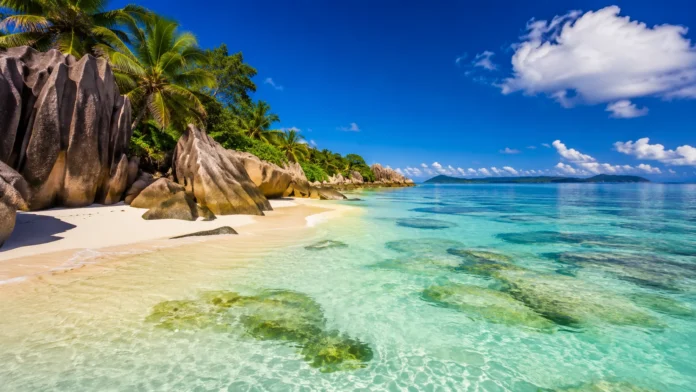
Nosy Be is one of Madagascar’s best-known beach destinations and can provide an ideal contrast after days of road travel and national park hiking. Warm tropical water, coastal accommodation, restaurants, boat excursions, snorkeling, diving, and smaller offshore islands make the area easier to navigate than many remote inland regions. Visitors can choose between resort-style stays and smaller guesthouses depending on budget and preferred atmosphere. The island is also a practical place to leave part of your itinerary deliberately unscheduled. After a busy wildlife circuit, having mornings without departure times can feel surprisingly luxurious. Several nights allow you to balance relaxation with marine activities instead of turning the beach into another sightseeing checklist.
Boat trips introduce travelers to smaller islands and marine environments around the Nosy Be region. Snorkeling, swimming, island visits, and diving are popular, with actual conditions varying according to weather, season, and location. Choose operators based on safety and environmental practices rather than price alone. Avoid standing on coral or touching marine animals simply to create photographs. Keep sun exposure in mind because hours on open boats can produce burns much faster than casual time around a hotel. A lightweight long-sleeved layer, hat, and suitable sun protection can make excursions far more comfortable.
Nosy Iranja is frequently associated with spectacular turquoise water and pale sand, making it one of the visually famous excursions from the wider region. The appearance of its sandbar changes with tides, so visitors should not assume every arrival will match exactly what they saw in photographs. Long boat rides can also be affected by sea conditions, making the journey less suitable for travelers particularly prone to motion sickness. When conditions cooperate, the combination of clear water and island scenery can be extraordinary. Bring only necessary belongings and keep electronics protected from spray. Treat the outing as a marine adventure rather than expecting controlled resort conditions throughout the day.
Travelers interested in diving can dedicate more time to northern Madagascar instead of making beach days merely an afterthought. Dive operators may access reefs and other marine environments according to local conditions and traveler certification levels. Beginners should communicate experience honestly rather than joining a challenging outing because it appears more exciting. Snorkelers can still enjoy substantial marine life without needing scuba qualifications. Multiple coastal days increase the chances of experiencing favorable conditions because wind or rain can affect individual excursions. Building flexibility into a beach itinerary is just as valuable as leaving extra time around rainforest walks.
Nosy Be works particularly well at the end of a Madagascar trip because the slower pace provides a comfortable transition before returning home. However, travelers with strong marine interests could easily make the north the central focus of their holiday and combine it with mainland reserves. Do not assume every Madagascar itinerary must include the RN7 simply because it is popular. The country is too large for one route to represent every traveler. Wildlife enthusiasts, divers, honeymooners, and families may build completely different journeys around Nosy Be. Choosing regions according to your interests is more important than copying a standard itinerary designed for someone else.
Consider Sainte-Marie and the East Coast
Île Sainte-Marie, also known as Nosy Boraha, offers a different kind of island experience from the more developed tourism around Nosy Be. Located off Madagascar’s eastern coast, it combines beaches, tropical vegetation, villages, coastal roads, and a generally slower atmosphere. Travelers who prefer small-scale island exploration may find its pace particularly appealing. Accommodation ranges from simple properties to more comfortable beach stays, allowing visitors to choose according to budget. Cycling and coastal wandering can become part of the experience rather than spending every day on organized excursions. Staying at least three nights provides enough time to relax without turning transportation to and from the island into a disproportionate part of the trip.
Sainte-Marie is particularly associated with seasonal humpback whale activity, attracting visitors interested in seeing marine mammals in their natural environment. Wildlife sightings can never be guaranteed, so avoid choosing an operator that promises unrealistic certainty or aggressive close approaches. Responsible whale watching prioritizes appropriate distance and animal behavior rather than chasing every whale for photographs. Weather can affect departures, making multiple possible excursion days useful. Even if a particular boat trip does not operate, the island still provides beaches and coastal scenery. Selecting destinations that remain enjoyable without one specific wildlife encounter makes travel far less stressful.
Beach conditions along the east differ from Madagascar’s northwest and southwest, with weather playing a major role in how each day feels. Tropical rain can arrive, and the lush landscape reflects the greater moisture received by this side of the country. Rather than treating every cloudy period as failed beach weather, use changing conditions for village exploration, cycling, reading, or slower meals. Pack lightweight rain protection even during a beach-focused trip. Roads and paths may become wet quickly, so casual walking footwear should still provide some grip. The greener environment creates a distinct visual character that many travelers consider part of Sainte-Marie’s appeal.
Nearby smaller islands and coastal excursions can add variety to a longer stay. Boat trips may provide snorkeling, swimming, quiet beaches, or opportunities to explore areas beyond your accommodation. Conditions should always guide decisions because the Indian Ocean can behave differently from the calm lagoon images commonly used in travel advertising. Follow local advice about swimming locations and currents rather than entering unfamiliar water simply because a beach appears empty. Remote beaches do not necessarily have lifeguards or immediate emergency support. Responsible travelers match activities to conditions and personal ability instead of assuming tropical scenery automatically means risk-free swimming.
Sainte-Marie is best for people who actively want a slower island stay rather than those trying to maximize the number of famous Madagascar landmarks. Reaching it requires additional travel, so including the island for only one night rarely makes sense. Give it enough time to justify the journey and allow weather flexibility. Couples, independent travelers, whale enthusiasts, and anyone craving quiet coastal days may find it more appealing than larger resort environments. If your itinerary already includes extensive inland travel, ending here can provide a peaceful finish. Madagascar’s beaches vary considerably, and Sainte-Marie proves that choosing the right island is about atmosphere as much as water color.
Know How to Get Around Madagascar
Getting around Madagascar is one of the most important aspects of trip planning because journeys often require much longer than first-time visitors expect. Major destinations may look reasonably close when viewing the country as a whole, yet road quality can slow travel considerably. Some highways are paved while secondary routes can become rough, dusty, muddy, or highly seasonal. A route that appears straightforward geographically may require most of a day. Avoid constructing an itinerary from distance alone. Realistic travel times should come from recent local knowledge, accommodation providers, drivers, or experienced operators familiar with the exact route and season.
Hiring a vehicle with a local driver is a common and practical choice for overland itineraries. Experienced drivers understand road conditions, fuel availability, checkpoints, traffic patterns, accommodation locations, and realistic departure times. They also remove the stress of navigating unfamiliar routes while allowing travelers to look at the scenery. Four-wheel-drive vehicles may be necessary for certain western or remote journeys, whereas other routes can be handled differently depending on current conditions. Clarify exactly what fuel, driver meals, accommodation, and other costs are included before agreeing to a quote. Clear expectations prevent misunderstandings during long journeys.
Domestic flights can reduce enormous overland distances when combining regions such as the north, west, or far south with Antananarivo. However, schedules should be treated with enough flexibility that a change does not immediately threaten an international connection. Avoid planning a remote domestic arrival only a few hours before your flight home. Spend your final night relatively near the international departure point whenever feasible. Keep medication, valuables, documents, chargers, and basic clothing in hand luggage rather than checking everything when traveling through several domestic sectors. Small logistical precautions become much more valuable when your next destination is hours from major services.
Public and shared transportation may appeal to budget travelers, but comfort, journey length, road conditions, luggage security, and departure unpredictability should be understood before relying on it for a tightly scheduled trip. Experienced independent travelers may enjoy the local nature of shared journeys, while first-time visitors with limited time may prefer private transfers on major sections. Safety and comfort matter more than proving you can complete a route as cheaply as possible. Night travel should generally be approached cautiously, particularly on unfamiliar intercity roads. Poor lighting, pedestrians, animals, vehicles, and limited emergency support can make road travel more complicated after dark.
The most effective Madagascar itinerary reduces unnecessary backtracking. Group nearby destinations and choose either flights or overland routes where each provides a genuine advantage. A first trip might combine Antananarivo and Andasibe with the RN7 south, or pair the capital with western baobabs and a northern beach stay. Trying to combine every famous park and island can turn a holiday into repeated airport and road transfers. Travel days should be recognized as real itinerary days rather than invisible gaps between attractions. Madagascar becomes dramatically more enjoyable once you stop expecting transportation to operate like it would in a compact European destination.
Best Time to Visit and What to Pack
Madagascar’s climate varies considerably from one region to another, making it important to plan according to your actual itinerary rather than searching for one nationwide temperature forecast. The central highlands can be noticeably cooler, eastern regions receive more rain, western areas are generally drier, and southern landscapes can become hot and semi-arid. The broadly drier months are popular for multi-region travel because many roads and outdoor activities become easier to manage. Wetter months can create lush scenery while complicating access to certain remote areas. Before booking a specialized route, confirm that your intended parks and roads are normally accessible during that part of the year.
Wildlife interests can influence timing just as strongly as road conditions. Lemur behavior, babies, reptiles, bird activity, flowering plants, and marine wildlife all vary seasonally. Whale watching, for example, requires choosing the appropriate seasonal period rather than simply arriving whenever hotel rates are cheapest. Photographers may prefer lush vegetation even if increased rainfall creates more challenging conditions. Hikers may value drier trails and comfortable temperatures more highly. There is no perfect month that simultaneously maximizes every animal sighting, beach condition, road surface, and hotel price. Choose your season according to the experiences that matter most.
Packing should reflect Madagascar’s environmental variety. Breathable lightweight clothing works well for warmer areas, while a fleece or light jacket can be valuable in the highlands and during cool early mornings. Bring sturdy walking shoes for national parks, sandals for relaxed accommodation time, and water shoes when your coastal plans involve rocky shorelines. Rain protection, insect repellent, a hat, sunscreen, and reusable water storage are practical additions. A headlamp can be surprisingly useful for night walks and accommodations with limited outdoor lighting. Travelers should also carry essential personal medication because familiar brands may not be readily available everywhere.
Technology preparation can make long journeys easier. A charged power bank provides backup when electricity is limited or when a full day of photography drains your phone. Keep charging cables accessible rather than buried beneath luggage, and consider protective cases for electronics exposed to dust or rain. Download important booking information and travel documents for offline access before entering areas with weak connectivity. Bring enough memory for photographs because wildlife encounters can generate hundreds of images surprisingly quickly. However, avoid letting photography dominate every experience. Occasionally putting the camera down can make a lemur sighting or baobab sunset considerably more memorable.
Health preparation should be handled well before departure rather than improvised after arrival. Travelers should seek personalized medical advice based on route, trip length, activities, and their own health history. Food and water precautions become particularly important when moving beyond major tourism centers. Carry a small personal first-aid kit and any medications you routinely use. Travel insurance should match activities such as trekking, diving, or remote travel when those form part of the itinerary. Madagascar can involve long distances from advanced medical facilities, making prevention and preparation more important than on an ordinary urban holiday.
Local Tips and Important Things to Know Before You Go
Patience may be the single most useful quality to bring to Madagascar. Road journeys can take longer than planned, weather can change an outdoor activity, and transportation occasionally requires adjustments. Creating an itinerary with every hour predetermined makes normal disruptions feel much more stressful. Add buffer time after remote destinations and avoid filling every day with a major excursion. When a journey runs smoothly, extra time simply becomes an opportunity to rest or explore spontaneously. When something changes, the same buffer protects experiences you care about more.
Malagasy culture includes local traditions and taboos that can differ considerably between communities. These customs are often described through the concept of fady, and visitors may encounter rules concerning sacred sites, tombs, food, clothing, behavior, or particular places. Listen carefully to local guides rather than dismissing instructions that seem unfamiliar from an outsider’s perspective. Respect around burial sites and culturally important landscapes is especially important. Asking permission before photographing people is another simple practice that improves interactions. Cultural curiosity should be accompanied by the willingness to follow local expectations.
French is widely useful in tourism contexts, while Malagasy is central to everyday life throughout the country. Learning a few simple greetings can create warmer interactions even when you cannot hold a full conversation. Guides and hotel staff may speak English in established visitor areas, but English should not be assumed everywhere. Keep addresses and important destination names written down when traveling independently. Translation tools can help, although they should supplement rather than replace basic courtesy. Small efforts with language often communicate respect far beyond the literal words being spoken.
Money and payment require some preparation because travelers should not assume cards will work everywhere outside larger hotels and businesses. Cash can remain important for smaller restaurants, guides, local purchases, tips, and services in rural areas. Avoid carrying your entire travel budget together in one wallet, and use secure storage for additional funds and documents. ATMs and banking services may be less convenient once you leave major towns, making advance planning worthwhile. Ask about costs before services when prices are not displayed clearly. Carrying smaller denominations can make everyday purchases easier than relying only on large notes.
Finally, approach Madagascar as a destination requiring participation rather than passive consumption. Trails can be muddy, roads can be rough, beaches may be remote, and wildlife rarely appears according to a perfect schedule. Those inconveniences are inseparable from the fact that much of the country still feels adventurous and environmentally distinctive. Choosing responsible guides, respecting communities, limiting wildlife disturbance, and supporting locally connected businesses can make tourism more beneficial. Do not chase an unrealistic version of perfection based on edited photographs. Madagascar is at its best when travelers accept unpredictability while remaining curious about what appears next.
Conclusion
Madagascar deserves more time than many first-time visitors initially imagine because its major regions feel almost like separate countries. Andasibe and Ranomafana provide rainforest wildlife, the central highlands add cultural and agricultural landscapes, Isalo introduces sandstone canyons, and the west delivers Madagascar’s extraordinary baobabs. Tsingy de Bemaraha offers a more demanding adventure for travelers with enough time, while Nosy Be and Sainte-Marie provide very different coastal escapes. Trying to fit every one of these experiences into a short trip usually creates more driving than discovery. Choose regions according to your strongest interests and allow each enough time to become meaningful.
For wildlife enthusiasts, guided forest experiences should be at the center of the itinerary. Seeing indri call from the canopy, spotting a camouflaged chameleon, or watching a lemur move naturally through the trees can create memories far stronger than staged animal interactions. Madagascar’s biodiversity is exceptionally important, making responsible behavior essential around wildlife. Do not feed animals or pressure guides to disturb them for photographs. Spend time learning about habitat as well as individual species. Understanding the forest makes every wildlife sighting more interesting and adds purpose to conservation-focused tourism.
Adventure travelers can build equally rewarding trips around hiking and landscapes. Isalo provides accessible day hikes through dramatic terrain, while Andringitra and the Tsingy offer bigger challenges for travelers seeking more demanding experiences. Western road trips make the journey itself part of the adventure, especially when traveling between Morondava and remote protected areas. Proper footwear, realistic fitness expectations, enough water, and experienced local guides become essential in these environments. Avoid turning every challenging activity into a test of endurance. Selecting routes that match your abilities allows you to actually enjoy the extraordinary scenery you came to experience.
Beach time can provide the ideal conclusion after long drives and trekking days. Nosy Be works well for travelers wanting established tourism infrastructure and varied boat excursions, while Sainte-Marie provides a slower eastern island atmosphere. Southwestern beaches can fit naturally into an RN7 journey without requiring a major detour across the country. Choose the coast that complements your existing route instead of adding an island simply because it appears on every travel list. Several quiet days can restore energy before your journey home. Madagascar’s coast is diverse enough that beach travelers can build an entire holiday without copying a standard wildlife circuit.
Ultimately, the most important Madagascar travel tip is to slow your itinerary down. Roads, flights, weather, wildlife, and remote logistics do not always fit tightly controlled schedules, and attempting to force them usually reduces enjoyment. Give yourself buffer days, use experienced local knowledge, respect cultural customs, and arrive prepared for environments ranging from cool highlands to humid rainforest and hot coastline. Madagascar rewards curiosity and patience more than speed. Whether your dream involves lemurs, baobabs, hiking, diving, photography, or quiet beaches, choosing fewer destinations and experiencing them properly is usually the best way to discover this extraordinary island.
Frequently Asked Questions About Traveling to Madagascar
How many days do you need in Madagascar?
Around two weeks provides enough time for a varied first trip without making every day a major transfer. Travelers with only seven to ten days should concentrate on one or two regions, while three weeks allows more remote western destinations or additional beach time.
Where should first-time visitors go in Madagascar?
A first trip can combine Antananarivo, Andasibe, Ranomafana, Isalo, and a coastal destination if time allows. Morondava and the Avenue of the Baobabs are excellent additions for travelers who can dedicate additional days to western Madagascar.
What is the best time to travel to Madagascar?
The broadly drier part of the year is generally convenient for multi-region travel, hiking, and accessing more remote roads. The ideal timing still depends on your route, wildlife interests, preferred beaches, and whether seasonal activities such as whale watching are important.
Is Madagascar easy to travel around independently?
Independent travel is possible, but long distances and variable road conditions make Madagascar more logistically demanding than many destinations. Hiring local drivers or using experienced guides for particular regions can simplify transportation and make short trips considerably more efficient.
What should you not miss in Madagascar?
For a first visit, try to include at least one rainforest wildlife experience, one dramatically different landscape such as Isalo or the baobabs, and some time exploring Malagasy culture. If your schedule permits, adding several beach days creates an excellent balance between adventure and relaxation.