
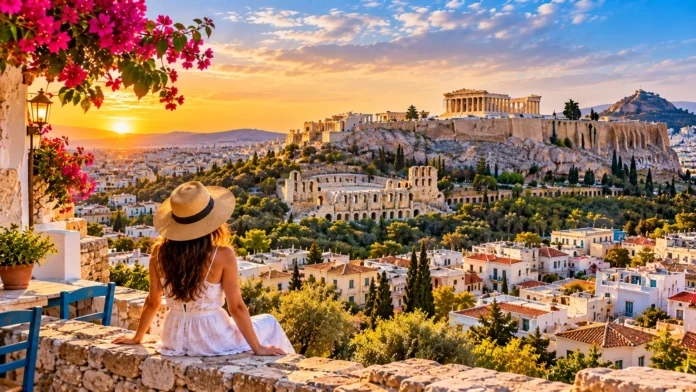

Athens is one of the world’s most fascinating historical cities, famous for its ancient monuments, impressive museums, charming neighborhoods, and vibrant Greek culture. As the capital of Greece, the city combines thousands of years of history with modern attractions and lively streets. From the magnificent Acropolis to traditional markets and beautiful viewpoints, Athens offers unforgettable experiences for travelers interested in history, architecture, food, and culture.
The best things to do in Athens include visiting the Parthenon, exploring the Acropolis Museum, walking through Plaka, and discovering the Ancient Agora. Travelers can also enjoy panoramic city views from Lycabettus Hill, explore colorful markets, and sample traditional Greek cuisine. Beyond its archaeological landmarks, Athens features beautiful gardens, cultural districts, and coastal destinations.
This Athens travel guide highlights the city’s most popular attractions, historical sites, and memorable experiences. You will discover famous landmarks, fascinating museums, scenic neighborhoods, and practical sightseeing tips. Whether you are planning a short city break or a longer Greek vacation, these attractions will help you experience the remarkable heritage and distinctive atmosphere of Athens.
Explore the Acropolis of Athens
The Acropolis is the most famous historical attraction in Athens and one of the most important archaeological sites in the world. Standing on a rocky hill above the city, this ancient complex contains remarkable monuments from classical Greek civilization. Its buildings reflect the architectural achievements of ancient Athens. The elevated setting also provides spectacular views across the modern city.
Visitors can explore important structures such as the Parthenon, Erechtheion, and Temple of Athena Nike. These monuments demonstrate the artistic and cultural significance of Athens during the fifth century BCE. The surrounding pathways reveal different perspectives of the historic complex. Walking through the site offers an opportunity to appreciate the scale and craftsmanship of ancient Greek architecture.
The Acropolis is especially popular during spring and summer, when large numbers of visitors arrive throughout the day. Early visits can provide more comfortable conditions during warmer weather. Some surfaces are uneven or slippery, making supportive footwear important. Booking admission in advance and checking current access arrangements helps make the visit more convenient.
Visit the Parthenon and Admire Ancient Greek Architecture
The Parthenon is one of the most recognizable ancient monuments in the world. Located on the Acropolis, this magnificent temple was dedicated to Athena, the patron goddess of ancient Athens. Construction began during the fifth century BCE, and the building became a symbol of classical Greek architecture. Its impressive columns and carefully designed proportions continue to attract international admiration.
The temple is particularly famous for its Doric architectural style and sophisticated visual refinements. Its original decorative sculptures represented important religious and cultural themes. Although the building has experienced significant damage and alterations over the centuries, surviving elements demonstrate extraordinary craftsmanship. Ongoing conservation work helps preserve the monument for future generations.
Visitors can admire the Parthenon while exploring the designated pathways of the Acropolis. Access inside the ancient structure is restricted to protect its fragile condition. Photography from permitted viewing areas provides beautiful perspectives of the temple and surrounding landscape. Understanding its historical background makes the experience more meaningful than simply viewing an impressive building.
Discover the Acropolis Museum
The Acropolis Museum is one of Athens’ most important cultural attractions, located close to the archaeological hill. Its modern architecture provides an interesting contrast to the ancient objects displayed inside. The museum focuses on artifacts associated with the Acropolis and its historical monuments. Visitors can explore collections that reveal different periods of ancient Athenian life.
Exhibitions include architectural sculptures, decorative fragments, and objects discovered during archaeological investigations. The Parthenon Gallery is particularly impressive because it presents sculptures associated with the famous temple. Large windows provide views toward the Acropolis, connecting the museum’s collections with their historical setting. Informative displays help explain the significance of important discoveries.
The Acropolis Museum is an excellent destination for travelers interested in archaeology and Greek history. It can also provide a comfortable indoor activity during the hottest part of the day. Visitors should allow sufficient time to explore the galleries without rushing. Checking opening hours and ticket arrangements beforehand helps organize the visit efficiently.
Walk Through the Charming Streets of Plaka
Plaka is one of Athens’ most beautiful traditional neighborhoods, located beneath the Acropolis. Its narrow pedestrian streets feature neoclassical houses, colorful flowers, small shops, and welcoming restaurants. The area’s distinctive architecture creates a charming atmosphere. Walking through Plaka is an enjoyable way to experience the historic character of Athens beyond its major monuments.
Visitors can explore picturesque lanes, discover souvenir shops, and admire attractive old buildings. Small cafés provide opportunities to relax while observing everyday neighborhood life. Traditional tavernas serve Greek dishes in settings surrounded by historic architecture. The combination of cultural attractions and local businesses makes Plaka popular with international travelers.
Plaka is particularly attractive during the early morning and evening, when temperatures may be more comfortable for walking. Its location makes it convenient to combine with the Acropolis and nearby archaeological sites. Travelers should wear comfortable shoes because some streets feature uneven surfaces. Spending a few hours here provides a memorable introduction to traditional Athens.
Explore Anafiotika: A Hidden Village Beneath the Acropolis
Anafiotika is one of Athens’ most distinctive neighborhoods, famous for its whitewashed buildings and narrow pedestrian pathways. Located on the northern slopes of the Acropolis, the area resembles a small Greek island village. Its architectural appearance reflects the influence of workers from the Cycladic island of Anafi who settled here during the nineteenth century.
The neighborhood features small houses, colorful doors, flowering plants, and charming stone steps. Visitors can enjoy beautiful views while exploring its peaceful streets. The white walls and simple architecture create attractive opportunities for photography. Anafiotika feels surprisingly different from the busy commercial areas found elsewhere in central Athens.
Because Anafiotika remains a residential neighborhood, visitors should respect local privacy and avoid entering private spaces. Its narrow pathways are best explored quietly and without rushing. Some sections include stairs and uneven walking surfaces. Combining Anafiotika with a walk through Plaka creates a wonderful experience of Athens’ traditional architecture.
Visit the Ancient Agora of Athens
The Ancient Agora was once the center of public, political, and commercial life in ancient Athens. Citizens gathered here to conduct business, discuss public affairs, and participate in important civic activities. Today, the archaeological site contains impressive ruins surrounded by attractive green spaces. It provides valuable insights into the daily life of classical Athens.
One of the site’s most impressive monuments is the Temple of Hephaestus, which remains among the best-preserved ancient Greek temples. Visitors can also explore the reconstructed Stoa of Attalos, which houses the Museum of the Ancient Agora. The surrounding ruins reveal the layout of historical public buildings. Together, these features illustrate the importance of the area.
The Ancient Agora is located near Monastiraki and other central Athens attractions. Visitors can combine it with nearby historical sites during a walking itinerary. The open landscape can become hot during summer, so early or late visits may be more comfortable. Allowing sufficient time helps travelers appreciate the site’s historical significance.
Discover the Temple of Olympian Zeus
The Temple of Olympian Zeus is one of Athens’ most impressive ancient landmarks, located near the historic city center. Dedicated to Zeus, the king of the ancient Greek gods, the monumental temple took centuries to complete. Its surviving Corinthian columns demonstrate the enormous scale of the original structure. The ruins remain an important symbol of ancient Athens.
Visitors can admire the towering columns and explore the surrounding archaeological area when access is available. The site provides opportunities to learn about ancient religious practices and architectural development. Its central location also offers views of nearby historical landmarks. The scale of the surviving structures reflects the ambition of the original building project.
The Temple of Olympian Zeus is conveniently located near the National Garden and Hadrian’s Arch. Travelers can explore several attractions within the same general area. Access may occasionally be affected by conservation work or operational restrictions. Checking current visitor information helps avoid unexpected changes to sightseeing plans.
Explore Monastiraki Square and the Flea Market
Monastiraki is one of Athens’ liveliest neighborhoods, known for its historic square, shopping streets, and traditional market atmosphere. Located near several important archaeological sites, the district combines ancient landmarks with modern commercial activity. Visitors can explore busy pedestrian areas while admiring views of the Acropolis. Its energetic character makes it an essential Athens attraction.
The Monastiraki Flea Market area contains shops selling clothing, antiques, souvenirs, handmade products, and decorative items. Nearby streets feature cafés, restaurants, and traditional food establishments. Visitors can also admire historical buildings and archaeological remains around the square. The mixture of shopping and cultural sightseeing creates an interesting urban experience.
Monastiraki is easily accessible using Athens’ public transportation network, making it a convenient starting point for city exploration. The area can become crowded, particularly during weekends and peak tourism periods. Travelers should keep personal belongings secure in busy streets. Spending time here offers an enjoyable glimpse into the modern and historical sides of Athens.
Visit the National Archaeological Museum
The National Archaeological Museum is one of Greece’s most important museums and a major attraction for history enthusiasts. Its collections represent different periods of ancient Greek civilization, including the prehistoric, classical, and Hellenistic eras. The museum contains remarkable sculptures, pottery, jewelry, and historical objects. These exhibits provide a broad understanding of Greece’s archaeological heritage.
Visitors can discover famous ancient artworks and objects associated with important archaeological discoveries. The museum’s galleries contain impressive bronze statues, marble sculptures, and carefully preserved artifacts. Each collection offers insights into artistic traditions, religious practices, and everyday life. Informative displays help connect individual objects with their historical contexts.
The National Archaeological Museum is especially valuable for travelers who want to understand ancient Greece beyond the Acropolis. Its extensive exhibitions may require several hours to explore comfortably. The indoor galleries also provide an alternative during hot or rainy weather. Checking current exhibition schedules and admission arrangements helps visitors plan their time effectively.
Enjoy Panoramic Views From Lycabettus Hill
Lycabettus Hill is one of Athens’ most famous viewpoints, rising above the surrounding urban neighborhoods. Its elevated position provides spectacular panoramic views of the city, the Acropolis, and the distant coastline. The hill is particularly popular among travelers interested in photography. Its natural setting offers a refreshing contrast to the busy streets below.
Visitors can reach the summit using designated pedestrian routes or the funicular service, depending on current operating arrangements. At the top, the small Chapel of Saint George is a recognizable landmark. Several viewing areas provide beautiful perspectives of Athens. Clear weather can reveal the city’s impressive geographical setting.
Sunset is a popular time to visit because warm light creates beautiful views across the skyline. However, the summit may become crowded during peak evening periods. Travelers walking uphill should consider the steep terrain and seasonal temperatures. A visit to Lycabettus Hill is an excellent way to appreciate Athens from a different perspective.
Discover the National Garden of Athens
The National Garden is one of the most peaceful green spaces in central Athens, located near Syntagma Square. This extensive public garden contains shaded walking paths, mature trees, and landscaped areas. It provides a welcome escape from the busy city streets. Visitors can enjoy a relaxed atmosphere while exploring different sections of the garden.
The garden features a variety of plants, decorative pathways, and quiet seating areas. Its greenery creates comfortable surroundings for a gentle walk, particularly during warmer months. Families and travelers seeking a break from archaeological sightseeing often enjoy the space. Nearby historical buildings also contribute to the area’s cultural appeal.
The National Garden is conveniently located near several major attractions, including the Hellenic Parliament and the Temple of Olympian Zeus. Visitors can include it in a walking itinerary around central Athens. The shaded surroundings are especially appealing during sunny afternoons. Spending time here adds a peaceful natural experience to a city-focused vacation.
Watch the Changing of the Guard at Syntagma Square
Syntagma Square is one of the most important public spaces in Athens, located near the Hellenic Parliament building. It serves as a central gathering place and an important transportation hub. The square is surrounded by hotels, shopping streets, and notable public buildings. Its convenient location makes it a popular stop for travelers exploring the city.
One of the area’s most recognizable traditions is the changing of the Evzones guards near the Tomb of the Unknown Soldier. The guards wear distinctive ceremonial uniforms associated with Greek military history. Visitors can observe the ceremony from designated public viewing areas. The event provides an opportunity to experience an important national tradition.
Syntagma Square is also a useful starting point for exploring nearby attractions such as the National Garden and central shopping districts. The surrounding area can become busy throughout the day. Travelers should respect instructions during official ceremonies. Combining Syntagma Square with nearby landmarks creates an enjoyable cultural sightseeing experience.
Explore the Panathenaic Stadium
The Panathenaic Stadium is one of Athens’ most important sporting landmarks and is closely associated with the history of the modern Olympic Games. Built on the site of an ancient stadium, its current marble structure creates an impressive architectural setting. The venue hosted important events during the first modern Olympic Games in 1896.
Visitors can explore designated areas of the stadium and learn about its historical importance. The sweeping rows of marble seating provide a remarkable visual experience. Exhibitions and visitor information explain the relationship between ancient athletic traditions and the modern Olympic movement. The venue is particularly interesting for travelers who enjoy sporting history.
The Panathenaic Stadium is located near the National Garden and other central Athens attractions. Its open setting can become hot during summer, making cooler hours more comfortable for sightseeing. Visitors should check admission and opening arrangements before arrival. The stadium provides a distinctive cultural experience beyond Athens’ ancient temples.
Explore the Roman Agora and Hadrian’s Library
The Roman Agora is another fascinating archaeological attraction in central Athens, located near Monastiraki and Plaka. Developed during the Roman period, the area served important commercial and civic functions. Its surviving monuments reveal the city’s continued development after classical Greek times. The site provides an interesting contrast to the nearby Ancient Agora.
One of the most recognizable structures in the Roman Agora is the Tower of the Winds, an unusual ancient monument associated with timekeeping and weather observation. Nearby Hadrian’s Library was constructed during the second century CE. Its surviving columns and architectural remains reflect the importance of learning and public life. Both sites contribute to Athens’ historical character.
Travelers can explore these attractions while walking through the historic center. Their close proximity to Monastiraki makes them convenient additions to a cultural itinerary. Admission and operating hours may differ between archaeological sites. Checking current visitor arrangements can help travelers organize their day efficiently.
Experience Greek Food and Traditional Tavernas
Trying traditional Greek food is one of the most enjoyable experiences in Athens. The city offers a wide variety of restaurants, bakeries, markets, and neighborhood eateries. Visitors can discover dishes prepared with fresh vegetables, olive oil, grains, herbs, and regional ingredients. Greek cuisine provides an important introduction to the country’s cultural traditions.
Popular foods include souvlaki, gyros, moussaka, spanakopita, and traditional Greek salad. Travelers can also enjoy freshly baked bread, local cheeses, and desserts such as baklava. Neighborhood tavernas often provide relaxed dining environments with traditional dishes. Exploring different districts allows visitors to discover a range of local flavors.
Areas such as Plaka, Psirri, and Koukaki contain numerous dining options suited to different budgets. Restaurants near major tourist landmarks may be more expensive than those in quieter streets. Checking menus and prices before ordering can help manage expenses. Enjoying local cuisine adds another memorable dimension to an Athens vacation.
Take a Day Trip to Cape Sounion
Cape Sounion is one of the most beautiful destinations near Athens, located along the southern coastline of Attica. It is famous for the ancient Temple of Poseidon, which stands on a dramatic cliff overlooking the Aegean Sea. The combination of archaeological heritage and coastal scenery makes it a popular day-trip destination.
The Temple of Poseidon dates to the fifth century BCE and remains one of the region’s most impressive historical monuments. Visitors can explore designated areas while enjoying spectacular sea views. The surrounding coastline features rugged landscapes and beautiful natural scenery. Sunset is particularly popular because the changing light creates remarkable views around the temple.
Cape Sounion can be reached from Athens by road or suitable public transportation services. Travelers should confirm current schedules when planning a return journey. The destination works well as a half-day or longer excursion, depending on transportation arrangements. Combining the temple with coastal sightseeing provides a memorable experience outside central Athens.
Best Time to Visit Athens
The best time to visit Athens is generally during spring and autumn, when temperatures are more comfortable for outdoor sightseeing. April, May, September, and October are particularly attractive months for exploring archaeological sites and historic neighborhoods. These periods usually provide pleasant walking conditions compared with the hottest part of summer.
June through August brings warmer weather and significant tourism demand. Daytime temperatures can become extremely high, especially during heatwaves. Outdoor archaeological sites may occasionally adjust access arrangements because of extreme heat. Travelers should plan exposed sightseeing during cooler hours and check weather conditions before visiting.
Winter offers a quieter atmosphere and often lower accommodation demand outside holiday periods. Temperatures are cooler, and rainfall becomes more frequent. However, many museums and important historical attractions remain open throughout much of the year. Choosing travel dates according to weather preferences and sightseeing priorities helps create a more enjoyable experience.
Essential Travel Tips for Visiting Athens
Athens has an extensive public transportation network that includes metro lines, buses, trams, and suburban rail services. The metro is particularly useful for traveling between major neighborhoods and tourist attractions. Visitors can also explore much of the historical center on foot. Planning attractions by area helps reduce unnecessary travel time.
Comfortable walking shoes are essential because many archaeological sites feature uneven stone surfaces and sloping pathways. Summer visitors should carry drinking water and use appropriate sun protection. Some historical sites provide limited shade, making midday sightseeing demanding during hot weather. Checking admission arrangements and ticket requirements in advance can improve convenience.
Athens offers accommodation options ranging from budget hotels to luxury properties. Staying near Plaka, Syntagma, Monastiraki, or Koukaki can provide convenient access to popular attractions. Visitors should also confirm passport validity and applicable entry requirements before traveling. Allowing flexibility in the itinerary creates more time to appreciate the city’s history and atmosphere.
Conclusion
Athens is an extraordinary destination where ancient history and modern Greek culture come together. Famous landmarks such as the Acropolis, Parthenon, and Ancient Agora showcase the city’s remarkable archaeological heritage. Beautiful neighborhoods including Plaka and Anafiotika provide opportunities to explore traditional architecture. Museums, gardens, and scenic viewpoints add variety to the experience.
The best things to do in Athens depend on your interests and preferred travel activities. History enthusiasts can discover ancient temples and fascinating museums, while cultural travelers may enjoy local markets and traditional Greek food. Lycabettus Hill provides beautiful panoramic views, and Cape Sounion offers an impressive coastal excursion. Each attraction reveals a different side of the Greek capital.
Planning your visit carefully helps you explore Athens without unnecessary pressure. Consider seasonal temperatures, transportation options, and attraction locations when creating an itinerary. Allow time for both major landmarks and relaxed neighborhood experiences. With its extraordinary history, welcoming atmosphere, and beautiful scenery, Athens offers an unforgettable introduction to Greece.
Frequently Asked Questions
What are the best things to do in Athens?
The best things to do in Athens include visiting the Acropolis, exploring the Parthenon, discovering the Acropolis Museum, walking through Plaka, and enjoying panoramic views from Lycabettus Hill.
How many days do you need to explore Athens?
Three to four days are suitable for exploring Athens’ major attractions. Travelers interested in additional museums, local neighborhoods, and a day trip to Cape Sounion may prefer five days.
What is the best month to visit Athens?
May and September are excellent months for visiting Athens because they generally offer comfortable temperatures and favorable sightseeing conditions. April and October are also attractive alternatives.
Is Athens expensive for tourists?
Athens offers accommodation, restaurants, and attractions for different budgets. Public transportation and neighborhood eateries can help reduce expenses, while premium hotels and popular sightseeing experiences may cost more.
Is Athens worth visiting for first-time travelers?
Yes, Athens is an excellent destination for first-time travelers interested in Greek history, architecture, food, and culture. Its famous landmarks and accessible historic neighborhoods provide many memorable sightseeing opportunities.