
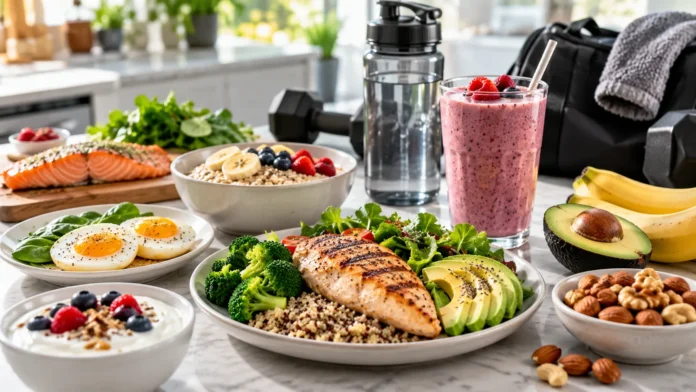

Eating the right foods after a workout helps your body recover, restore energy, and support muscle health. Whether you enjoy running, cycling, swimming, strength training, or everyday fitness activities, proper nutrition plays an important role in post-exercise recovery. Choosing balanced meals with protein, carbohydrates, healthy fats, and essential nutrients can help you feel energized and ready for your next activity.
After physical activity, your body uses nutrients to repair muscle tissue, replenish energy stores, and maintain normal functions. While exercise intensity and individual nutritional needs vary, eating a balanced meal or snack after training can support recovery. You do not need expensive supplements or complicated meal plans to meet these nutritional requirements.
This guide explores the best foods to eat after a workout, including protein-rich meals, healthy carbohydrates, fruits, vegetables, and convenient recovery snacks. You will also learn about post-workout hydration, meal timing, and practical food combinations that support overall fitness and well-being.
Why Is Eating After a Workout Important?
Eating after a workout provides your body with nutrients needed for normal recovery and ongoing physical activity. Exercise places demands on muscles and uses stored energy, particularly during longer or more intense sessions. Consuming a balanced meal afterward can help replenish energy and provide the building blocks needed for muscle maintenance and repair.
Protein supplies amino acids that support muscle protein synthesis, while carbohydrates help restore glycogen stored in muscles and the liver. Dietary fats contribute energy and support several important body functions. Including different nutrient sources in your meals helps provide balanced nutrition rather than focusing entirely on one food group.
Post-workout nutrition also supports general well-being by helping you maintain regular eating patterns and adequate energy intake. Your nutritional requirements depend on factors such as activity intensity, age, health, and overall diet. For most people, consistent daily nutrition matters more than following strict recovery rules after every exercise session.
What Nutrients Does Your Body Need After Exercise?
Protein, carbohydrates, fats, vitamins, and minerals all contribute to a balanced post-workout diet. Protein supports muscle maintenance, carbohydrates replenish available energy, and dietary fats help meet overall nutritional needs. Eating a variety of foods provides these nutrients along with other compounds that support normal body functions and recovery.
Hydration is another important part of recovery because physical activity can increase fluid loss through sweating. Water helps maintain normal temperature regulation, circulation, and other essential processes. During particularly long or sweaty activities, foods and drinks containing electrolytes may also help replace minerals lost through perspiration.
There is no single nutritional formula that works for every workout or individual. A short walk places different demands on the body than an extended cycling session or demanding sports practice. Choosing meals according to hunger, activity level, and personal preferences can make post-exercise nutrition practical and sustainable.
Eggs: A Nutritious Post-Workout Protein Source
Eggs are a convenient food for post-workout meals because they provide high-quality protein and several important vitamins and minerals. Their protein contains essential amino acids that support normal muscle maintenance and repair. Eggs are also versatile, making them easy to include in breakfast, lunch, or dinner after physical activity.
You can enjoy eggs boiled, scrambled, poached, or prepared as an omelet with vegetables. Combining eggs with whole-grain toast, potatoes, or fruit adds carbohydrates that help replenish energy after exercise. This creates a more balanced meal than relying on protein alone, particularly when you have completed a demanding activity.
Eggs also provide nutrients such as vitamin B12, selenium, and choline, which contribute to normal body functions. Their convenience makes them suitable for busy mornings or simple homemade meals. If you do not eat eggs, other protein sources can provide similar nutritional support without limiting your post-workout food choices.
Greek Yogurt: Protein and Calcium for Recovery
Greek yogurt is a popular post-workout food because it provides protein, calcium, and other nutrients in a convenient serving. Its creamy texture makes it suitable for breakfast bowls, snacks, and smoothies. Protein supports muscle maintenance, while calcium contributes to normal bone health and important muscular functions.
A simple recovery snack can include Greek yogurt with berries, sliced bananas, or oats. These ingredients add carbohydrates, fiber, and natural flavors that complement the protein in yogurt. You can also include nuts or seeds for additional nutrients and texture, creating a satisfying combination of different food groups.
Plain Greek yogurt allows you to choose your preferred toppings without depending on heavily flavored varieties. However, flavored yogurt can also fit into a balanced diet according to individual preferences. People who avoid dairy can explore fortified alternatives, although protein content varies considerably between different plant-based products.
Chicken: A Versatile Food for Muscle Recovery
Chicken is a familiar source of protein that fits easily into many post-workout meals. It provides essential amino acids used by the body to maintain and repair muscle tissue. Chicken also contains nutrients such as niacin, vitamin B6, and phosphorus, making it a useful addition to a varied diet.
Grilled, roasted, or baked chicken can be combined with rice, potatoes, whole grains, and vegetables. These combinations provide protein, carbohydrates, and other nutrients needed after physical activity. Preparing chicken in different ways can keep meals enjoyable while allowing you to include a variety of ingredients.
Chicken is especially practical for people who prefer larger meals after exercise rather than quick snacks. Leftover cooked chicken can also be added to sandwiches, wraps, or salads for convenient meal preparation. Follow appropriate food storage and cooking practices to maintain freshness and reduce the risk of foodborne illness.
Salmon: Protein and Healthy Fats
Salmon provides high-quality protein along with omega-3 fatty acids, making it a nutritious choice for post-workout meals. Protein supports muscle maintenance, while omega-3 fats contribute to several normal body functions. Salmon also contains vitamin B12, selenium, and other nutrients that support a balanced eating pattern.
Baked or grilled salmon pairs well with rice, quinoa, roasted potatoes, or vegetables. Adding a carbohydrate source helps make the meal more suitable for restoring energy after demanding activities. You can also enjoy salmon in sandwiches, grain bowls, or salads depending on your preferences.
Although salmon is nutritious, it is not necessary to eat fish after every workout. Beans, eggs, poultry, tofu, and other foods can provide useful recovery nutrients. Choosing a variety of protein sources throughout the week helps maintain nutritional diversity and makes meals more enjoyable.
Bananas: A Convenient Source of Carbohydrates
Bananas are an easy post-workout food because they provide carbohydrates, potassium, and other nutrients. Carbohydrates help replenish energy used during physical activity, particularly after longer exercise sessions. Their portability also makes bananas convenient for school, sports practice, travel, or other situations where preparing a meal is difficult.
You can eat a banana on its own or combine it with yogurt, milk, or nut butter for a more varied snack. Adding protein-containing foods creates a combination that supports muscle maintenance alongside energy replenishment. Bananas also work well in smoothies, oatmeal, and homemade breakfast bowls.
Potassium contributes to normal muscle and nerve function, but bananas are not the only source of this mineral. Potatoes, beans, dairy foods, and vegetables also provide potassium. Including different fruits and vegetables in your overall diet supports adequate nutrient intake without depending on one particular food.
Oatmeal: A Balanced Post-Workout Breakfast
Oatmeal is a useful post-workout carbohydrate source, especially for people who exercise in the morning. Oats provide complex carbohydrates, fiber, and minerals such as magnesium and manganese. Their versatility makes them suitable for warm breakfasts, overnight oats, and convenient meals prepared ahead of time.
For a balanced recovery meal, prepare oatmeal with milk or a fortified alternative and add yogurt, nuts, or seeds. Fruit can provide additional carbohydrates, flavor, and vitamins. These combinations offer a mixture of nutrients that can help support energy restoration and normal muscle recovery.
Oatmeal is also easy to adapt according to personal preferences and available ingredients. Some people enjoy berries and cinnamon, while others prefer bananas or chopped apples. Its combination of convenience, affordability, and nutritional value makes oatmeal a practical addition to a balanced post-exercise eating routine.
Sweet Potatoes: Energy and Essential Nutrients
Sweet potatoes provide carbohydrates, fiber, potassium, and beta-carotene, which the body can convert into vitamin A. Their carbohydrate content makes them useful for replenishing energy after physical activity. They also add variety to post-workout meals and can be prepared using several simple cooking methods.
Baked sweet potatoes pair well with chicken, beans, tofu, or fish to create a balanced meal. You can also prepare them as roasted wedges or combine them with vegetables and other ingredients. Adding a protein source helps provide nutrients for muscle maintenance alongside the carbohydrates in sweet potatoes.
Regular potatoes are another nutritious option and can provide similar recovery benefits through their carbohydrate content. The best choice depends on taste, availability, and overall meal balance. Including different starchy vegetables can help make your diet more varied without creating unnecessary restrictions around food choices.
Brown Rice and Quinoa for Post-Workout Energy
Brown rice and quinoa are useful carbohydrate sources for meals after exercise. Both can provide energy for daily activities and recovery, while also contributing fiber and minerals. Quinoa contains some protein as well, although combining it with additional protein-rich foods can create a more complete meal.
A grain bowl with brown rice, chicken, beans, and vegetables is a convenient way to include several food groups. Quinoa can also be combined with tofu, roasted vegetables, and a flavorful dressing. These meals provide flexibility because ingredients can be changed according to dietary preferences and availability.
White rice can be equally useful for replenishing carbohydrates after demanding activities, even though its fiber content differs from brown rice. No single grain is essential for recovery. Choosing a mixture of whole grains and other carbohydrate foods can support balanced nutrition and enjoyable everyday eating.
Cottage Cheese: A Simple Protein-Rich Snack
Cottage cheese is a dairy food that provides protein, calcium, and several important nutrients. It can be a convenient option when you want a simple post-workout snack without preparing a full meal. Its protein content supports normal muscle maintenance and repair after physical activity.
You can combine cottage cheese with berries, peaches, pineapple, or whole-grain toast. These additions provide carbohydrates and other nutrients while creating different flavors and textures. Cottage cheese can also be used in savory meals with tomatoes, herbs, and vegetables for people who prefer less sweet snacks.
Different cottage cheese products vary in texture, sodium content, and fat levels. Choose a variety that fits your taste and nutritional needs without assuming one version is necessary for recovery. If cottage cheese is unavailable, yogurt, milk, tofu, and other protein sources can provide convenient alternatives.
Beans and Lentils: Plant-Based Recovery Foods
Beans and lentils provide plant-based protein, complex carbohydrates, fiber, and important minerals. They are especially useful for people who prefer vegetarian or vegan meals after exercise. Their combination of carbohydrates and protein makes them practical ingredients for balanced meals that support energy replenishment and muscle maintenance.
You can include lentils in soups, rice dishes, salads, or vegetable stews. Beans work well in wraps, burrito bowls, and homemade grain-based meals. Combining legumes with vegetables and other foods adds flavor and nutritional variety while making meals more satisfying.
Legumes are also affordable and widely available in dried or canned forms. Canned varieties can save preparation time, while dried beans offer flexibility for larger meals. Eating different plant-based protein sources throughout the day helps support adequate protein intake without requiring animal products or specialized supplements.
Tofu: A Convenient Plant-Based Protein Option
Tofu is a soy-based food that provides protein and can fit into many different post-workout meals. It contains essential amino acids and is available in textures suited to different recipes. Depending on how it is prepared, tofu can be used in savory meals, sandwiches, soups, or smoothies.
Stir-fried tofu with rice and vegetables is a practical meal after physical activity. You can also add tofu to noodle dishes or prepare it with potatoes and other vegetables. Combining tofu with carbohydrate-rich foods creates a meal that supports energy restoration while providing protein for normal muscle recovery.
Tofu can be particularly useful for people who avoid meat or dairy products. Some varieties also provide calcium, depending on the ingredients used during production. Its mild flavor allows it to absorb different seasonings, making it adaptable to a wide range of cooking styles and food preferences.
Fruits and Vegetables for Post-Exercise Nutrition
Fruits and vegetables provide vitamins, minerals, fiber, water, and a wide range of naturally occurring plant compounds. These nutrients contribute to general health and support normal body functions during recovery. Including colorful produce in post-workout meals can improve dietary variety without requiring strict rules about specific fruits or vegetables.
Berries, oranges, apples, leafy greens, carrots, and peppers are examples of nutritious choices. You can add fruit to yogurt, oatmeal, or smoothies and include vegetables in sandwiches, grain bowls, and cooked meals. Different colors and varieties provide a broader mixture of nutrients than relying on one favorite food.
While fruits and vegetables are valuable, they may not provide enough protein or energy on their own after demanding exercise. Combining them with grains, dairy, beans, eggs, or other foods creates a more balanced meal. The goal is to support overall nutrition rather than expecting individual foods to deliver special recovery effects.
Best Post-Workout Snacks for Busy Days
Post-workout snacks can be helpful when you are hungry but do not have time to prepare a complete meal. Convenient combinations include yogurt with fruit, peanut butter on toast, or cheese with whole-grain crackers. These options provide different nutrients without requiring complicated recipes or expensive products.
A smoothie made with milk or a fortified alternative, fruit, and yogurt is another practical choice. Sandwiches containing eggs, chicken, hummus, or tofu can also provide a balanced mixture of protein and carbohydrates. Choose snacks according to your appetite, activity level, and the timing of your usual meals.
You do not need to eat a special recovery snack after every short or gentle workout. If your next regular meal is reasonably close, that meal may provide the nutrients you need. Maintaining consistent eating habits and responding to hunger are more important than following an inflexible post-workout snack schedule.
How Much Water Should You Drink After a Workout?
Hydration supports normal circulation, temperature regulation, digestion, and other essential functions after physical activity. Exercise increases fluid loss through breathing and sweating, particularly in warm conditions. Drinking water during and after activity helps replace these losses and supports overall comfort and recovery.
Fluid needs differ according to exercise duration, intensity, weather, individual sweat rates, and other factors. Thirst can provide useful guidance during many everyday activities, and drinking regularly throughout the day helps support hydration. Longer sessions in hot conditions may require additional attention to fluid and electrolyte replacement.
Water is usually suitable for routine workouts, while prolonged or particularly sweaty activities may benefit from drinks or foods containing electrolytes. Avoid forcing excessive amounts of water because overhydration can also create health problems. A balanced approach considers thirst, activity conditions, and individual health needs rather than one fixed drinking target.
When Should You Eat After a Workout?
Post-workout meal timing depends on when you last ate, how demanding your exercise was, and when your next meal is planned. The body continues recovering beyond the period immediately after training. For most recreational activities, eating a balanced meal within your normal routine is sufficient.
After long or intense exercise, eating when practical can help begin replenishing energy and supplying nutrients for muscle recovery. A meal containing protein and carbohydrates is a useful option, particularly when another training session is planned soon. However, there is no need to become anxious about meeting an exact minute-by-minute eating deadline.
If you are not hungry immediately after exercise, consider your overall food intake and how you feel. A smaller snack may be comfortable before a larger meal later. Consistent, adequate nutrition throughout the day generally matters more than following rigid post-workout timing rules.
Common Post-Workout Nutrition Mistakes to Avoid
One common mistake is focusing entirely on protein while overlooking carbohydrates, fats, fruits, and vegetables. Protein supports muscle recovery, but the body also needs sufficient energy and a range of nutrients. Balanced meals provide a broader nutritional foundation than depending on one food or supplement.
Another mistake is believing that exercise must be followed by strict food restrictions or that certain foods need to be earned. Physical activity increases the body’s energy demands, and adequate nourishment supports recovery and well-being. Eating after exercise is a normal part of caring for your body, not something that requires justification.
Some people also assume that expensive protein powders or specialized recovery products are necessary for fitness progress. While convenient products can have specific uses, ordinary foods can provide the nutrients needed for most recreational exercise routines. Regular meals, varied food choices, hydration, and adequate rest remain important foundations of healthy recovery.
Conclusion
The best foods to eat after a workout provide a balanced combination of protein, carbohydrates, healthy fats, vitamins, and minerals. Eggs, yogurt, chicken, fish, beans, tofu, oats, fruit, and whole grains are all nutritious options. Choosing foods from different groups supports muscle maintenance, energy replenishment, and overall well-being.
Post-workout nutrition does not need to involve complicated rules, expensive supplements, or carefully timed meals. A balanced breakfast, lunch, dinner, or convenient snack can provide the nutrients your body needs. Hydration, adequate rest, and consistent eating habits also play important roles in recovering comfortably from exercise.
The most practical approach is to choose enjoyable foods that fit your routine, hunger, preferences, and activity demands. Include a variety of nutrient-rich ingredients and remember that individual recovery needs can vary. By maintaining balanced nutrition and listening to your body, you can support exercise recovery and long-term health.
Frequently Asked Questions (FAQs)
1. What are the best foods to eat after a workout?
Good post-workout foods include eggs, yogurt, chicken, fish, tofu, beans, oats, rice, and fruit. Combining protein and carbohydrates helps support muscle recovery and replenish energy after physical activity.
2. Should I eat immediately after exercising?
You generally do not need to eat immediately after every workout. Eating a balanced meal within your usual routine is suitable for many activities, although demanding training may require more timely refueling.
3. Is a banana good to eat after a workout?
Yes, bananas provide carbohydrates and potassium, making them a convenient recovery snack. Combining a banana with yogurt, milk, or another protein source creates a more balanced post-workout option.
4. Do I need protein shakes after every workout?
No, protein shakes are not necessary after every workout. Regular foods such as eggs, yogurt, beans, tofu, and chicken can provide protein for muscle maintenance and recovery.
5. What should I drink after a workout?
Water is generally suitable for hydration after routine exercise. Longer or particularly sweaty activities may require additional fluids and electrolytes, depending on exercise intensity, environmental conditions, and individual needs.