

Malta Travel Guide: Best Places, Beaches & Local Tips
Malta packs an extraordinary amount of history, coastline, architecture, food, and Mediterranean scenery into a relatively small island nation. The Maltese archipelago includes Malta, Gozo, and Comino, each offering a noticeably different travel experience despite their close proximity. Valletta provides grand fortifications and historic streets, Mdina delivers quiet medieval atmosphere, Gozo feels greener and slower, and Comino is famous for brilliant turquoise water. Between these headline destinations, travelers can discover fishing villages, rocky swimming coves, sandy beaches, prehistoric sites, coastal walks, and lively waterfront communities. Malta is particularly convenient for visitors who enjoy combining sightseeing and swimming within the same trip. With thoughtful planning, a few days can feel remarkably varied without requiring long journeys between destinations.
A successful Malta trip is less about visiting every attraction and more about arranging places intelligently so you are not constantly crossing the island. Spend time walking through Valletta rather than treating it as a quick photo stop, explore quieter streets beyond Mdina’s main entrance, and give Gozo enough time to reveal its relaxed character. Beach lovers should mix famous sandy bays with Malta’s distinctive rocky swimming areas, while food-focused travelers can seek traditional pastries, breads, stews, seafood, and village restaurants. Summer brings the strongest beach atmosphere but also greater heat and crowds, while spring and autumn are excellent for balancing coast and sightseeing. This Malta travel guide covers the best places to visit, beaches, island trips, food experiences, accommodation areas, transportation choices, and local tips for creating a smoother Mediterranean holiday.
Explore Valletta: Malta’s Historic Capital
Valletta should be one of your first stops because its compact center introduces Malta’s distinctive mixture of honey-colored stone, fortifications, churches, balconies, steep streets, and Mediterranean views. The city is small enough to explore primarily on foot, yet individual streets contain enough architectural details to keep travelers occupied for hours. Republic Street is one of the main routes through the center, but some of Valletta’s most atmospheric moments appear when you turn onto quieter side streets. Look for traditional enclosed balconies, stone staircases, hidden cafés, and glimpses of water at the ends of descending roads. Comfortable walking shoes are useful because some streets involve considerable slopes and steps. Early morning and evening generally reveal a calmer side of the capital.
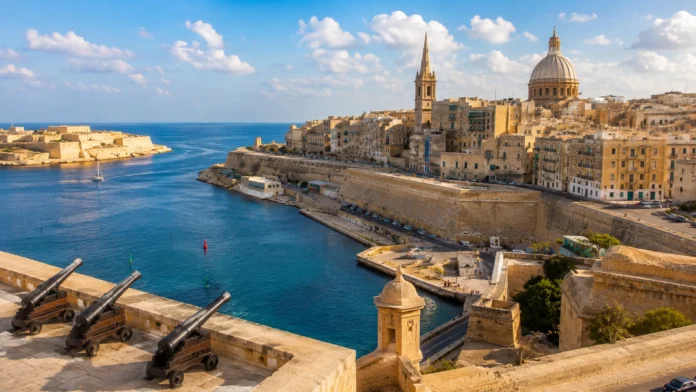
Upper Barrakka Gardens is an excellent place to understand Valletta’s dramatic position above the Grand Harbour. From the elevated terraces, you can look across the water toward the fortified communities collectively known as the Three Cities. The combination of bastions, harbor activity, limestone architecture, and blue water creates one of Malta’s classic urban views. Spend more than a few minutes here because changing light continually alters the appearance of the harbor below. The gardens also provide a pleasant break from walking through busy central streets, particularly during warmer weather. Visiting relatively early or later in the afternoon can produce a more relaxed experience than arriving during the busiest sightseeing period.
St John’s Co-Cathedral should appeal even to travelers who normally spend limited time visiting churches because its exterior gives little indication of the elaborate interior waiting inside. Rich decoration, chapels, artwork, and memorial elements reflect the wealth and influence associated with the Knights of St John. Allow enough time to look carefully rather than walking through simply because the building appears on every Valletta itinerary. Modest dress and respectful behavior are appropriate because this remains an important religious site rather than merely a museum. Architecture enthusiasts will notice how dramatically the building differs from the restrained stone façades seen elsewhere in the city. Combining the cathedral with nearby streets creates an excellent introduction to Valletta’s historical importance.
Walking along Valletta’s outer edges provides another perspective because the city was designed around an exceptionally strategic peninsula. Fortifications face both the Grand Harbour and Marsamxett Harbour, giving the capital a strong relationship with the sea in almost every direction. Follow portions of the waterfront or bastions when you want to escape crowded central shopping streets. Lower Barrakka Gardens can provide another attractive viewpoint, while the area around Fort St Elmo brings you closer to the tip of the peninsula. Photographers should leave time for late-afternoon light, when Malta’s pale limestone often becomes noticeably warmer in tone. Valletta rewards travelers who combine major landmarks with unstructured walking rather than moving only between famous attractions.
Staying in Valletta overnight can make your experience substantially different from visiting only during the busiest daytime hours. Once many day visitors leave, restaurant streets and illuminated architecture create a more relaxed evening atmosphere. You can enjoy dinner, walk through quieter lanes, or look over the harbor without worrying about immediately catching transportation elsewhere. Accommodation within the historic city can be convenient for culture-focused travelers, although steep streets and older buildings may affect accessibility. Sliema and nearby areas provide alternatives for visitors wanting easier access to broader hotel choices and waterfront services. Whether you sleep in Valletta or not, give the capital at least one substantial day instead of treating it as a brief stop before heading toward the beaches.
Discover Mdina, Rabat and the Three Cities
Mdina offers a completely different atmosphere from Valletta despite being another of Malta’s most famous historic destinations. The fortified city stands on higher ground and is known for narrow lanes, imposing stone buildings, quiet courtyards, religious architecture, and views across much of the island. Enter through the monumental gateway and spend time wandering without relying too heavily on a predetermined route. Some streets become busy when group tours arrive, but quieter corners can still feel surprisingly peaceful if you move away from the main path. The compact size means you can explore slowly without worrying about missing an entire district. Evening can be particularly atmospheric when the limestone streets become softer in color and fewer daytime visitors remain.
Do not leave the area immediately after walking through Mdina because neighboring Rabat adds another layer to the experience. Rabat feels more like a functioning town than an enclosed historic monument, with everyday streets, restaurants, religious sites, and archaeological attractions mixed together. Exploring both places helps prevent Mdina from becoming an isolated sightseeing stop disconnected from the surrounding community. Lunch in Rabat can also provide an opportunity to try Maltese snacks or traditional dishes away from the most obvious tourist-facing streets. Travelers interested in history can easily spend several hours between the two towns. If your itinerary is busy, half a day is workable, but a slower visit makes the atmosphere significantly more enjoyable.
Birgu, Senglea, and Cospicua form the Three Cities around the Grand Harbour and deserve more attention than many first-time visitors give them. Their waterfronts, fortifications, churches, narrow residential streets, and marina views provide a different perspective on Malta’s maritime history. Birgu is particularly rewarding for walking because atmospheric lanes climb away from the waterfront toward historic structures and quiet residential corners. Rather than trying to cover all three cities equally, you can focus on one or two areas and enjoy them properly. Harbor crossings can also make the journey itself part of the experience. Seeing Valletta’s massive walls from across the water helps you understand the scale of the fortifications more clearly than walking entirely within the capital.
The Three Cities are especially appealing around late afternoon and evening when waterfront restaurants begin filling and the intense midday light becomes softer. Walk along the marina before climbing into residential streets where traditional balconies, stone doorways, and small religious details give each neighborhood character. Compared with central Valletta, some areas can feel considerably less dominated by sightseeing traffic. This makes them useful for travelers who enjoy photography and slower neighborhood exploration. Allow yourself to stop for coffee or a meal rather than treating the area as another checklist destination. Malta’s historical towns are often most enjoyable when you spend time observing ordinary street life between major monuments.
Combining Mdina, Rabat, and the Three Cities in a single day is possible but can become unnecessarily rushed. They sit in different parts of Malta and offer enough detail to justify separate visits when your itinerary allows. A better approach for a four- or five-day trip is to pair Mdina and Rabat together while saving the Three Cities for the same day as Valletta or another harbor-based activity. This reduces unnecessary transportation and gives you more time on foot. Travelers staying for a full week can spread these destinations even further apart. Malta looks small geographically, but traffic, waiting times, summer heat, and sightseeing stops can make ambitious schedules take considerably longer than expected.
Best Beaches and Swimming Spots in Malta
Golden Bay is one of Malta’s best-known sandy beaches and appeals to travelers who want an accessible place for swimming and spending several hours beside the sea. Its broad sandy shoreline feels different from the rocky bathing areas found around much of the island. Summer can bring substantial crowds, so arriving earlier can make finding a comfortable position much easier. Sun protection matters because shade can be limited once you move away from organized facilities. Conditions vary with weather and wind, so assess the sea before entering rather than assuming the water will always remain calm. Golden Bay works particularly well as part of a relaxed beach day rather than something squeezed between several historical attractions.
Għajn Tuffieħa is close to Golden Bay but offers a more natural setting that many travelers find particularly attractive. Reaching the beach involves descending a significant number of steps, meaning the return journey can feel demanding during the hottest part of the day. The elevated approach provides beautiful views over the bay and surrounding landscape before you even reach the water. Travelers with mobility limitations should consider whether the access route suits them before planning a long beach visit. Bring water and everything you need because repeatedly climbing back toward the road is inconvenient. If you enjoy beaches framed by undeveloped hills rather than dense waterfront construction, Għajn Tuffieħa deserves a place in your Malta itinerary.
Mellieħa Bay, also commonly associated with Għadira, offers another popular sandy option and can be particularly practical for families because of its broader beach setting. The surrounding Mellieħa area is also a useful base for travelers whose main priorities are swimming, northern Malta, and access toward Gozo or Comino. Like Malta’s other popular beaches, the atmosphere changes dramatically according to season and time of day. Summer weekends can become busy, while shoulder-season visits may feel much calmer. Combine a beach day with exploration around Mellieħa rather than repeatedly traveling back toward Valletta. Staying locally for several nights can make northern coastal experiences significantly easier.
St Peter’s Pool near Marsaxlokk represents the other side of Malta’s swimming culture because it is a rocky natural bathing area rather than a conventional sandy beach. Clear water and pale limestone create an impressive setting, but visitors should remember that access, entry into the water, and sea conditions differ from an organized family beach. Strong swimmers may enjoy rocky coves, while people wanting gentle sand entry may prefer Mellieħa or another established bay. Water shoes can be useful around rocky shorelines throughout Malta. Never jump from cliffs or rocks simply because you see other visitors doing it, as depth and conditions can vary. Choose swimming locations according to your ability rather than photographs alone.
Malta’s coastline contains numerous smaller coves, rocky platforms, and swimming areas beyond the most famous beaches, which makes flexibility worthwhile. Instead of trying to visit every well-known bay, choose coastal locations based on where you are already sightseeing. A morning in Marsaxlokk can combine naturally with southeastern swimming spots, while northern sightseeing pairs better with Golden Bay or Mellieħa. Wind direction can also make one side of the island more comfortable than another on a particular day. Ask local accommodation staff about current conditions rather than relying entirely on a beach ranking created months earlier. The best Malta beach is often the one that suits the day’s weather, your swimming ability, and the amount of time you actually have.
Visit Gozo for a Slower Island Experience
Gozo deserves at least one full day because treating it as a short extension of Malta rarely leaves enough time to appreciate the island’s different pace and landscape. The countryside feels more open, villages are smaller, and agricultural areas create a greener impression than many heavily developed parts of Malta. Victoria, also known locally as Rabat, makes a logical central stop because its Citadel rises above the surrounding town and provides wide views across Gozo. Allow time to walk both the fortified upper area and the streets below rather than visiting only for a quick viewpoint. Cafés and restaurants make Victoria convenient for a meal between island excursions. It also works well as a transportation hub for travelers exploring Gozo without a car.
Ramla Bay is one of Gozo’s most distinctive beaches because of its warm reddish-golden sand and broad natural setting. It provides an excellent contrast to Malta’s limestone swimming platforms and tightly developed coastal areas. Beach conditions naturally vary with wind and season, so visitors should remain attentive to flags and local guidance. The surrounding landscape adds much of the appeal, making Ramla worthwhile even when you are not planning a full swimming day. Arriving earlier in busy periods can create a noticeably more peaceful experience. If you enjoy combining swimming with scenery rather than resort facilities, Ramla is one of the strongest reasons to include Gozo in a Malta itinerary.
The Citadel in Victoria reveals Gozo’s historical importance while offering one of the island’s best panoramic perspectives. Walk around the elevated walls and look across villages, fields, church domes, and distant coastline to understand how compact Gozo is. The surrounding old streets contain stone buildings, religious sites, small museums, and cafés that make exploration easy to extend beyond the main fortress area. Midday heat can be intense on exposed walls during summer, so morning or later afternoon may be more comfortable. Good footwear is useful on old stone surfaces. Allow enough time to explore rather than arriving solely to capture one panoramic photograph before returning immediately to transportation.
Gozo’s western and northern coasts offer dramatic scenery where limestone cliffs, salt pans, coves, and exposed shorelines create excellent opportunities for road trips and walks. Dwejra remains one of the island’s famous coastal areas, while places such as Wied il-Għasri provide narrower, more intimate landscapes. The best experience depends heavily on sea conditions, season, and how independently you can travel. Renting a vehicle or arranging a focused tour can provide more flexibility than attempting to reach numerous remote locations within a single day by public transportation. However, travelers staying overnight have enough time to use buses more patiently. Avoid designing a one-day Gozo itinerary containing every attraction on the island, because transfer time quickly erodes the relaxed atmosphere you came to experience.
Staying one or two nights on Gozo can become one of the strongest decisions in a longer Malta holiday. Evenings and mornings feel noticeably quieter after many day visitors have returned to the main island. You can build your schedule around sunset, early beach visits, countryside walks, or village meals without worrying about returning on a fixed afternoon timetable. Accommodation ranges from town-based hotels to converted farmhouses and rural properties. Gozo is especially suitable for couples, hikers, photographers, and travelers who want part of their holiday to feel slower. If you have seven days across the Maltese Islands, giving at least one night to Gozo creates significantly more variety than spending every evening in the same Malta resort area.
Experience Comino and the Blue Lagoon Carefully
Comino is best known for the Blue Lagoon, where shallow turquoise water between rocky islands creates some of the most recognizable scenery in the Maltese archipelago. The brilliant color is real under favorable sunlight, but the lagoon’s fame also means visitor levels can become high during popular periods. Approach the trip with realistic expectations rather than assuming you will have a deserted natural pool to yourself. Early travel or quieter seasons can provide a calmer experience, although conditions always vary. Bring sun protection because natural shade is extremely limited around exposed limestone areas. The lagoon can be visually impressive even when busy, but your enjoyment depends greatly on planning and expectations.
Swimming is the primary attraction for many visitors, yet Comino deserves attention beyond simply stepping from a boat into the Blue Lagoon. Walking away from the busiest landing areas can reveal dry Mediterranean landscapes, rocky coastline, smaller coves, and views toward Malta and Gozo. The island is largely exposed, making heat and sun significant factors during summer. Carry enough drinking water and avoid planning long walks during the most intense part of the day unless you are properly prepared. Sturdy footwear is preferable to beach sandals if you intend to explore rough paths. A few hours combining swimming and walking often produces a more rounded experience than remaining in one crowded area throughout the visit.
Boat choices can strongly influence the character of your Comino day. Larger excursions may include convenient transportation and additional stops, while smaller boats can sometimes create a more flexible atmosphere. Departure points differ, with northern Malta providing practical access for many travelers. Do not choose purely according to the cheapest advertised price because departure time, duration, boat size, included stops, and return arrangements matter considerably. Read current terms before booking and understand exactly how much usable time you will have on Comino. Travelers who dislike highly organized excursions may prefer simpler transport options that allow more independent exploration. Weather and sea conditions can also affect boat schedules, so maintain some flexibility.
Visitors should take special care around rocky edges and swimming areas because beautiful water does not eliminate ordinary coastal hazards. Limestone surfaces can be uneven or slippery, and popular jumping spots should never be assumed safe merely because other people use them. Swim according to your ability and remain aware of boat traffic, changing water depth, currents, and weather. Families should select entry points appropriate for children rather than choosing locations based on photographs alone. Keep valuables secure and bring only what you realistically need. A small waterproof bag can be useful when your day involves several boat transfers and swimming stops.
Comino works best when viewed as one element of a broader Malta trip rather than the single experience on which your entire holiday depends. Travelers who enjoy swimming and striking water color will probably appreciate it most, while people primarily interested in history may prefer spending additional time in Valletta, Mdina, or Gozo. If crowds make the Blue Lagoon less appealing, Malta and Gozo offer many other beautiful coastal locations. Do not force the excursion into poor weather simply because it appears on every list of things to do in Malta. Choose a suitable day, travel prepared, and recognize that the wider Maltese coastline provides alternatives if conditions are not ideal.
Visit Marsaxlokk and Malta’s Southern Coast
Marsaxlokk is a traditional fishing community in southeastern Malta known for its waterfront, seafood restaurants, and colorful boats. The harbor provides a different visual experience from fortified Valletta because fishing activity and low-rise waterfront buildings create a more relaxed atmosphere. Walk slowly along the promenade rather than arriving only for lunch, and look beyond the busiest central restaurant section toward quieter parts of the bay. Mornings can be appealing when local activity is underway and temperatures remain comfortable. The village is often included in short tours, but independent travelers can stay longer and combine it with southern coastal attractions. This makes Marsaxlokk a useful half-day destination rather than simply a place for a quick photograph.
Seafood naturally features heavily in the town’s dining scene, but choosing a restaurant deserves the same judgment you would use anywhere else. Compare menus, look at what appears seasonal, and do not assume the table closest to the harbor automatically provides the best meal. Fresh fish can vary in price according to type and preparation, so ask questions when pricing is not immediately clear. Travelers wanting something quicker can also look for cafés and casual local options instead of committing to a long seafood lunch. The waterfront is particularly pleasant when you allow time after eating for another walk. Combining food and exploration creates a more satisfying visit than arriving hungry, eating, and immediately leaving.
The colorful traditional boats associated with Maltese fishing culture make Marsaxlokk especially attractive to photographers. Brightly painted hulls stand out beautifully against blue water, while working boats remind visitors that the harbor is not simply decorative scenery. Photograph respectfully and avoid interfering with people carrying out their daily work. Morning light can create attractive reflections when water conditions are calm, although any time of day can produce interesting scenes. Walk toward different ends of the bay rather than photographing from one crowded position. Perspective changes significantly as boats overlap with church architecture, restaurants, and the wider harbor.
St Peter’s Pool is often combined with Marsaxlokk because both sit within the same general southeastern area. This rocky swimming location is attractive in calm conditions, but it should be approached as a natural coastal site rather than a managed sandy beach. Access and walking surfaces may feel less convenient than at larger tourist beaches, and natural shade can be limited. Bring water, sun protection, and suitable footwear. Travelers uncomfortable entering deep water from rock should choose another swimming location rather than feeling pressured to participate. When conditions are appropriate, combining Marsaxlokk with a coastal swim creates a satisfying day blending food, local atmosphere, and the Mediterranean Sea.
Southern Malta also contains important archaeological and coastal areas that can expand your itinerary beyond Marsaxlokk. Travelers interested in prehistoric Malta may want to dedicate additional time to temple sites rather than trying to include everything during one rushed afternoon. The Blue Grotto area provides another famous coastal setting where sea caves and dramatic limestone formations shape the landscape. Boat experiences depend on conditions, making weather flexibility important. Instead of crossing Malta repeatedly, group southern attractions into the same day whenever practical. This approach saves transportation time and lets you experience each region more deeply rather than spending large portions of your holiday moving between opposite ends of the island.
What to Eat and Drink in Malta
Pastizzi are among the easiest Maltese foods to try because these inexpensive savory pastries are sold widely and work well for breakfast, snacks, or quick meals. The crisp layered pastry traditionally surrounds fillings such as ricotta or peas, creating a satisfying option when you do not want a formal restaurant meal. Trying pastizzi from a busy local bakery or snack shop can be more memorable than searching for an elaborate tourist-focused version. They are particularly convenient during sightseeing days when you want to keep moving. Eat them while fresh and warm when possible because texture is part of their appeal. Simple local foods often provide some of the most accessible introductions to Maltese culinary traditions.
Ftira is another Maltese staple worth seeking, although preparation and presentation can vary depending on where you order it. Bread forms an important part of local food culture, and sandwiches or topped breads can incorporate tomatoes, olives, tuna, capers, vegetables, or other Mediterranean ingredients. These combinations work particularly well for beach lunches because they are substantial without requiring a long sit-down meal. Ask local cafés or bakeries what they prepare rather than assuming every tourist restaurant serves the most representative version. Regional specialties also differ between Malta and Gozo. Exploring everyday bakeries alongside restaurants creates a broader understanding of Maltese food.
Rabbit is associated strongly with traditional Maltese cuisine and may appear in stews, pasta preparations, or other home-style dishes. Travelers interested in local cooking can seek it at restaurants specializing in Maltese food rather than assuming international waterfront venues will prepare it best. Portions may be generous, making this a meal better suited to an evening when you are not immediately returning to intense sightseeing. Other traditional dishes may emphasize beef, pork, vegetables, legumes, or fish depending on the restaurant and season. Maltese cuisine reflects Mediterranean influences alongside its own historical development. Trying several dishes across the trip provides a better impression than searching for one supposed national meal.
Seafood becomes especially appealing in coastal communities such as Marsaxlokk, although good seafood restaurants can be found throughout the islands. Ask about seasonal availability because Mediterranean fish choices change and menus may contain both local and imported products. Octopus, squid, shellfish, and fish-based pasta dishes can add variety when you have already eaten several meat-heavy meals. Keep restaurant location in perspective, as harbor views can increase the appeal of a meal without guaranteeing superior cooking. Reading the menu before sitting down can help you avoid expensive surprises. A relaxed lunch beside the water is still worth enjoying when atmosphere is part of what you want from the experience.
Maltese wine, local beer, soft drinks, sweets, and seasonal produce can round out your food experience without requiring formal culinary tours. Gozo in particular can be enjoyable for travelers interested in agricultural products and slower countryside meals. Visit small shops or markets when practical and ask accommodation hosts about nearby bakeries or restaurants they genuinely use. Tourist districts naturally contain convenient options, but eating even a few streets away can sometimes produce a noticeably different atmosphere. Avoid trying to consume every specialty in two days because Maltese food can be filling. Spreading local dishes throughout a longer trip turns meals into recurring highlights rather than another checklist that needs to be completed.
Where to Stay and How to Get Around Malta
Valletta is ideal for travelers prioritizing architecture, history, restaurants, and an atmospheric evening environment. Staying inside or close to the capital puts major sights within walking distance and provides convenient access to harbor connections and bus routes. The main disadvantages can include higher accommodation prices, older buildings with stairs, and streets that become busy during daytime sightseeing hours. Valletta is less suitable if your primary goal is waking beside a large sandy beach every morning. For a first Malta trip focused on culture, however, spending at least part of your stay here can be extremely rewarding. Choose accommodation according to walking comfort and accessibility rather than assuming every historic building has modern facilities.
Sliema and St Julian’s offer a different experience with extensive accommodation, restaurants, waterfront promenades, shops, and connections toward Valletta and other areas. Sliema works particularly well for travelers wanting a convenient urban base without staying directly inside the historic capital. St Julian’s generally appeals more to visitors interested in restaurants, bars, nightlife, and a livelier holiday environment. Some districts can remain active late into the evening, so research the immediate surroundings if quiet sleep is important. The waterfront provides opportunities for walking and swimming, although these urban areas are not equivalent to Malta’s larger sandy beaches. Their greatest strength is convenience rather than traditional village atmosphere.
Mellieħa makes more sense for travelers whose priorities include beaches, northern Malta, and easier access toward Gozo and Comino. The atmosphere differs considerably from Valletta or Sliema because sightseeing is less concentrated immediately outside your hotel. A northern base can reduce travel time when you expect to spend several days swimming or island hopping. Families may particularly appreciate staying close to a sandy beach rather than transporting beach equipment across Malta each day. The tradeoff is a longer journey when you want to explore Valletta and southern destinations. Splitting a week-long stay between two areas can solve this problem for travelers who dislike repeated cross-island trips.
Public buses provide broad connections across Malta and Gozo, making a car unnecessary for many common tourist itineraries. They are especially practical for reaching major towns, beaches, and transportation hubs, although journey times can increase when traffic is heavy. Current route-planning tools are worth checking during your trip because schedules and services can change. Ferries and harbor crossings can also provide convenient alternatives on certain routes while adding scenic value to the journey. Taxis and app-based private transport offer useful flexibility when several people are traveling together or when bus transfers become inconvenient. Combine transportation methods rather than assuming one option must handle every day of your holiday.
Renting a car becomes more valuable when you want to reach rural areas, smaller beaches, remote Gozo locations, or several scattered attractions within one day. Remember that driving follows the left side of the road, which may require adjustment for visitors from countries using right-hand traffic. Dense towns, narrow streets, parking limitations, and congestion can make driving less relaxing than expected in urban areas. Do not rent a vehicle automatically simply because Malta is an island. Consider using public transportation for Valletta-focused days and reserving a car for the period when independent exploration provides a genuine advantage. This flexible approach can reduce parking stress while preserving freedom where it matters most.
Best Time to Visit Malta and Essential Local Tips
Spring is one of the most appealing periods for travelers who want to combine sightseeing, countryside walks, historic towns, and coastal scenery without the strongest summer heat. Landscapes can appear greener than they do after months of dry summer weather, giving rural Malta and Gozo a different visual character. Sea temperatures may still feel cool for visitors primarily interested in long swimming sessions, especially earlier in the season. However, walking around Valletta, Mdina, archaeological sites, and exposed coastal areas can be significantly more comfortable. Accommodation demand varies around holidays and events, so advance booking remains useful. Spring suits travelers who consider beaches one part of the trip rather than the entire purpose.
Summer is ideal for travelers prioritizing swimming, boats, nightlife, and long Mediterranean evenings. Expect stronger sunlight, hotter daytime temperatures, and greater demand at major beaches and attractions. Plan historical sightseeing earlier in the morning when possible, then reserve the hottest part of the afternoon for swimming, lunch, or a break. Carry drinking water and use serious sun protection because exposed limestone streets and rocky coastal areas provide limited natural shade. Book high-priority accommodation and boat activities ahead when traveling during busy periods. Summer Malta can be energetic and beautiful, but a slower daily rhythm usually feels much more comfortable than trying to sightsee continuously from morning until late afternoon.
Early autumn provides an appealing compromise because the sea may retain summer warmth while some peak-season pressure begins easing. September can still feel decidedly summery, while later autumn gradually becomes better suited to sightseeing than guaranteed beach weather. This period works particularly well for visitors wanting to combine Gozo, coastal swimming, Valletta, and cultural attractions within the same holiday. Weather naturally becomes less predictable as the season progresses, so maintain some flexibility around boat excursions and beach days. Use the clearest, calmest days for Comino or exposed coastal activities and keep museums or city exploration available for less suitable conditions. Flexible scheduling is one of Malta’s most useful travel strategies.
Winter offers an entirely different Malta experience centered more heavily on culture, food, architecture, history, and everyday local life. Temperatures are generally milder than in many northern European destinations, but visitors should not arrive expecting a conventional hot beach holiday. Wind and rain can occasionally affect plans, while swimming becomes less attractive for most casual travelers. The benefit is that historic cities and archaeological attractions can feel much easier to explore without intense heat. Accommodation choices and activity schedules may differ from summer, so confirm seasonal details when planning. Winter can be excellent for travelers interested in Malta’s history who view sunshine as a bonus rather than requiring daily beach conditions.
Whatever season you choose, avoid underestimating Malta simply because it looks small. Traffic and waiting times can make journeys slower than distances suggest, while historic towns often deserve considerably more time than visitors initially schedule. Group attractions geographically so you are not traveling from northern Malta to the far south and back within the same day. Carry good walking shoes because steps, slopes, uneven stone, and rocky coastlines appear frequently. Keep some flexibility for weather, particularly when planning Comino, Gozo, or boat excursions. Most importantly, allow time to sit in a village square, linger over a waterfront meal, or swim longer than planned, because these slower moments often become the strongest memories of a Malta holiday.
Conclusion
Malta is an unusually varied Mediterranean destination where historic cities, beaches, fortified harbors, fishing communities, archaeological sites, and island landscapes can all fit comfortably into one holiday. Valletta provides the strongest introduction to the country’s architectural and maritime history, while Mdina offers a quieter fortified atmosphere away from the capital’s busier streets. Marsaxlokk reveals Malta’s continuing connection to fishing, and the Three Cities provide excellent perspectives across the Grand Harbour. These destinations are close enough to combine efficiently but different enough that none feels like a repetition of another. Planning geographically allows travelers to experience more while spending less time unnecessarily crossing the island.
Beach lovers have plenty of options despite Malta not being defined solely by long sandy coastlines. Golden Bay, Għajn Tuffieħa, and Mellieħa provide traditional beach experiences, while rocky swimming locations such as St Peter’s Pool showcase the clear water and limestone landscape characteristic of the islands. Choose locations according to sea conditions and your own swimming ability rather than simply following social-media popularity. Malta’s coast is particularly rewarding when you remain flexible and ask locally which side of the island has calmer water that day. Combining historic sightseeing with an afternoon swim is one of the easiest ways to prevent your itinerary from becoming exhausting during warmer months.
Gozo and Comino add considerable variety and should not be treated as identical side trips. Comino is primarily attractive for brilliant water, swimming, boats, and rugged coastal scenery, while Gozo deserves substantially more time for villages, beaches, countryside, historical sites, and relaxed exploration. Travelers staying for a week should strongly consider spending at least one night on Gozo rather than attempting to experience everything during a rushed day tour. Visiting the Blue Lagoon can still be worthwhile when expectations and timing are realistic. Giving each island the amount of time appropriate to its character creates a much richer Maltese itinerary.
Where you stay should reflect your priorities rather than whichever destination appears most frequently in package holidays. Valletta works beautifully for history and atmosphere, Sliema offers excellent practical connections, St Julian’s suits nightlife and entertainment, and Mellieħa provides easier access to beaches and the northern islands. Public transportation can handle many common journeys, while selective taxi use or short-term car rental can make more remote destinations easier. Splitting a longer trip between two bases can dramatically reduce repetitive travel. A few thoughtful accommodation decisions often influence the quality of a Malta vacation more than adding another attraction to an already crowded itinerary.
Ultimately, the best Malta travel experience comes from combining famous places with enough unscheduled time to experience the islands naturally. Explore Valletta after evening crowds fade, eat something simple from a neighborhood bakery, spend longer than expected beside the sea, and wander through a village without treating every street as a route toward an attraction. Malta rewards curiosity because history and coastal scenery appear almost everywhere, not only at famous landmarks. Whether you are planning a beach holiday, cultural break, island-hopping trip, or combination of all three, build your itinerary around variety rather than quantity. With sensible planning and a slower pace, Malta, Gozo, and Comino can deliver a surprisingly complete Mediterranean trip within a relatively compact destination.
Frequently Asked Questions About Malta
How many days do you need in Malta?
Four to five days can cover Valletta, Mdina, several coastal areas, and either Gozo or Comino, but around seven days provides a much more relaxed experience. A week also gives you enough flexibility to include both Gozo and Comino without sacrificing beach or cultural time.
What are the best places to visit in Malta?
Valletta, Mdina, the Three Cities, Marsaxlokk, Mellieħa, Gozo, and Comino are among the strongest choices for a first visit. Travelers interested in history should also make time for Malta’s prehistoric and archaeological attractions.
What are the best beaches in Malta?
Golden Bay, Għajn Tuffieħa, and Mellieħa Bay are popular sandy choices, while Malta also has numerous rocky swimming areas and smaller coves. Gozo’s Ramla Bay provides another distinctive beach experience if you are exploring beyond Malta’s main island.
Can you travel around Malta without renting a car?
Yes. Buses connect many major towns, beaches, and visitor areas, while ferries, taxis, and private transport can fill gaps when necessary. A rental car becomes more useful for rural locations, remote coastal areas, and flexible exploration of Gozo.
What is the best month to visit Malta?
May, June, September, and early October are particularly attractive for travelers wanting a balance of sightseeing and coastal activities without relying entirely on peak summer conditions. July and August suit travelers primarily seeking hot weather, swimming, nightlife, and a lively beach atmosphere.