
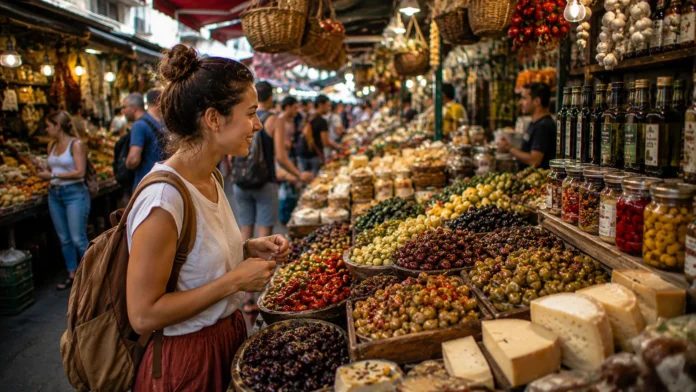

Best Food Markets to Explore on Vacation
Food markets can become some of the most memorable places you visit on vacation because they bring together local flavors, daily routines, regional ingredients, and cultural traditions in one lively setting. Instead of experiencing a destination only through restaurants and famous attractions, travelers can walk through markets where residents shop, eat, socialize, and discover what is fresh that day.
A good food market offers much more than something to eat. It can introduce you to local produce, traditional snacks, handmade products, fresh seafood, spices, baked goods, street food, and family-run businesses. The atmosphere is often just as important as the food, especially when vendors are preparing dishes in front of you and customers are moving between stalls with familiar routines.
Food markets are also useful for travelers who want flexibility. You can sample several dishes without committing to a large meal, buy ingredients for a picnic, pick up edible souvenirs, or simply observe what local people enjoy. This makes markets especially appealing for curious travelers, families, budget-conscious visitors, and anyone interested in authentic culinary experiences.
The best food markets to explore on vacation are those that reflect the place around them. Some are historic covered halls, while others are open-air produce markets, waterfront seafood centers, night markets, or modern food halls filled with local vendors. The following guide explains how to enjoy them, what to look for, and how to make market visits a meaningful part of your trip.
Why Food Markets Are Worth Visiting on Vacation
Food markets reveal the ingredients and dishes that shape everyday life in a destination. Restaurants show you what chefs choose to serve, while markets often show you what local households actually buy. Seasonal vegetables, regional cheeses, fresh fish, spices, bread, and prepared foods can all provide valuable insight into local eating habits.
They are also excellent places to discover regional specialties in small portions. Travelers may hesitate to order an unfamiliar dish in a full-size restaurant serving, but market stalls often make experimentation much easier. You can taste a pastry, snack, cheese, fruit, soup, or grilled specialty without spending much or committing to an entire meal.
Markets also create opportunities for direct interaction. Vendors can explain ingredients, suggest how something is eaten, or tell you which products are currently in season. Even simple conversations can make the experience more personal and help travelers understand food in a way that a menu description cannot.
Another advantage is atmosphere. The sounds of conversation, smells from cooking stalls, displays of colorful produce, and movement of local customers create a strong sense of place. A market can help you understand how a city or region feels, not just what it looks like.
Start With Historic Covered Markets
Historic covered markets are excellent for travelers because they combine architecture, local history, and food under one roof. Many have operated for generations and remain important parts of city life even as tourism grows around them.
Inside, you may find produce sellers, butchers, fishmongers, bakeries, cheese shops, cafés, and prepared-food counters. This variety makes covered markets particularly useful when you want to experience several parts of the local food culture during one visit.
The architecture can also be part of the experience. Iron frameworks, tiled interiors, old signs, and traditional stall layouts often reflect the commercial history of the city. Some markets have been renovated while still preserving their original character.
Visit earlier in the day if your priority is fresh ingredients and local shopping activity. Lunchtime can be better if you want prepared food and a busier social atmosphere. The same market can feel completely different depending on when you arrive.
Explore Open-Air Produce Markets
Open-air produce markets provide a direct connection to regional agriculture. Tables filled with fruit, vegetables, herbs, flowers, and seasonal ingredients can tell you a great deal about the climate and local growing conditions.
These markets are especially enjoyable during peak harvest seasons when vendors bring in produce that may not be widely available elsewhere. Travelers can discover unfamiliar varieties of fruit, tomatoes, peppers, mushrooms, citrus, or herbs.
Many open-air markets also sell bread, cheese, olives, cured meats, preserves, and other products suitable for a simple picnic. Buying a few items can be an affordable alternative to eating every meal in a restaurant.
Try not to treat the market only as a photography stop. These are working spaces, so avoid blocking stalls or handling produce without permission. Buying something small from a vendor can also create a more respectful and meaningful interaction.
Visit Traditional Fish Markets
Fish markets are fascinating in coastal destinations because they reveal the connection between local cuisine and the surrounding water. Fresh catches, shellfish, regional fishing methods, and morning auctions can make these markets especially distinctive.
The best time to visit is often early because seafood arrives after fishing boats return. This is when activity may be strongest and selection freshest, although exact routines depend on the destination.
Some fish markets include restaurants or cooking counters where seafood can be prepared immediately. This creates an opportunity to taste ingredients only a short time after they arrive at the market.
Strong smells and wet floors are normal in working fish markets, so dress appropriately and wear shoes with good grip. Travelers should also follow local rules about photography, particularly in active wholesale areas.
Discover Night Food Markets
Night markets are among the most exciting food experiences in many destinations because they combine dining, shopping, entertainment, and social activity after sunset.
Street-food stalls may serve noodles, grilled meat, dumplings, desserts, fruit, drinks, and regional snacks. The range makes night markets ideal for travelers who want to sample multiple dishes in one evening.
Crowds can be intense, so take your time and avoid ordering too much from the first stall that looks interesting. Walking through the market once before deciding what to eat can help you identify the most appealing options.
Pay attention to where local customers gather. Long lines can indicate popular vendors, although viral social-media stalls may also attract crowds. Local demand, food turnover, and visible preparation are usually useful signals.
Explore Farmers’ Markets
Farmers’ markets bring travelers closer to the people who actually grow or produce local food. They may feature fruit, vegetables, bread, cheese, honey, preserves, meat, flowers, and handmade products from nearby farms.
These markets are particularly valuable for understanding seasonality. Products often change throughout the year, making the experience closely connected to the time of your visit.
Talking with farmers can also reveal how regional conditions influence food. Soil, climate, rainfall, and traditional methods can all affect the ingredients you later encounter in local restaurants.
Farmers’ markets are excellent places to buy picnic supplies or edible souvenirs. Choose shelf-stable products if you are traveling for several more days or need to carry items home.
Look for Spice Markets
Spice markets can be visually dramatic, but their real value comes from understanding how seasonings shape regional cuisine. Dried chilies, herbs, spice blends, tea, coffee, nuts, and aromatics may appear in impressive quantities.
Ask vendors how particular spices are used rather than buying only because the displays look attractive. A local blend may be designed for meat, rice, tea, sweets, or a specific traditional dish.
Be cautious about buying large amounts unless you know import rules for your home country. Some plant products may face restrictions, and strongly scented spices can affect other luggage.
Smaller quantities are often more practical. A carefully chosen spice blend can become a useful souvenir that lets you recreate part of the travel experience after returning home.
Visit Bread and Bakery Markets
Bread markets and bakery-focused halls can reveal an important part of daily food culture. Different regions may specialize in flatbreads, sourdough loaves, filled pastries, sweet breads, biscuits, or ceremonial baked goods.
Morning is often the best time to visit because products are fresh and local customers are buying food for breakfast or the rest of the day.
Ask which item is traditional to the region. The most culturally important product may not always be the one with the most elaborate appearance.
Baked goods are also convenient for travelers because they are portable, affordable, and easy to share. A bakery market can therefore become a useful stop between larger sightseeing activities.
Explore Cheese and Dairy Markets
Regions with strong dairy traditions often have markets dedicated to cheese, yogurt, butter, cream, or other milk-based products.
Cheese stalls can introduce travelers to varieties that may never appear in supermarkets outside the region. Flavors can change depending on milk type, aging, production methods, and local grazing conditions.
Ask whether small samples are available and learn which cheeses are eaten fresh versus aged. Vendors may also recommend pairings with bread, fruit, honey, or preserves.
If you plan to take cheese home, check storage requirements and customs regulations. Soft products may not travel well, while aged cheeses are often easier to transport.
Discover Meat and Charcuterie Markets
Meat markets and charcuterie stalls can be particularly interesting in regions known for cured meats, sausages, smoked products, or traditional butchery.
These foods often reflect preservation methods that developed before modern refrigeration. Salt, smoke, drying, and fermentation became important techniques that eventually turned into regional specialties.
Market vendors can explain differences between products and suggest which ones are commonly eaten with bread, cheese, or local condiments.
Travelers should avoid buying more than they can safely store. If you are staying somewhere without refrigeration, prepared tasting plates may be more practical than taking perishable meat away.
Visit Markets Known for Street Food
Some markets function as both shopping centers and major street-food destinations. These places can be especially rewarding because ingredients and prepared dishes exist side by side.
You may see vegetables and seafood used by vendors only a few meters away, creating a visible connection between raw ingredients and finished food.
Walk through the market before choosing where to eat. This helps you understand the range of available dishes and prevents you from becoming full too quickly.
Small portions are ideal. Sharing several dishes allows you to taste more of the market without wasting food or missing something interesting later.
Explore Local Breakfast Markets
Morning markets can introduce travelers to breakfast foods that rarely appear on dinner menus. Depending on the destination, these may include soup, noodles, flatbreads, rice dishes, pastries, eggs, or savory snacks.
Arriving early also lets you observe a more local rhythm before large groups of tourists appear.
Breakfast markets can be especially interesting in cities where commuters stop for quick meals on the way to work. Watching these routines adds context to the food.
Do not be surprised if breakfast is much heavier or more savory than what you normally eat. Trying local morning food can be one of the easiest ways to step outside familiar travel habits.
Visit Markets During Lunch Hours
Lunch can transform a quiet produce market into a lively dining destination. Office workers and local residents may arrive for inexpensive set meals, sandwiches, soups, grilled dishes, or daily specials.
This is a good time to observe which stalls attract regular customers. A counter with a steady lunch queue often provides reliable food at reasonable prices.
Lunch markets may also offer excellent value compared with formal restaurants. Smaller overhead costs and quick service can keep prices more accessible.
Be prepared for limited seating. Some markets expect customers to stand, share tables, or eat quickly, which can be part of the local experience.
Explore Weekend Markets
Weekend food markets often combine local produce with prepared food, crafts, entertainment, and social activity.
They can be particularly enjoyable for travelers because vendors who do not operate daily may appear only on specific days.
Weekend markets sometimes attract more visitors than weekday markets, but they can still provide useful access to small producers and independent food businesses.
Check opening days carefully. Many markets operate only on Saturdays or Sundays, and missing the correct day may mean losing the opportunity entirely.
Search for Seasonal Food Markets
Seasonal markets can provide experiences unavailable during the rest of the year. Harvest periods, holidays, religious celebrations, and local festivals may all create temporary market traditions.
You might find markets focused on mushrooms, citrus, seafood, winter sweets, summer fruit, flowers, or regional harvest products.
These temporary markets offer a strong sense of time and place because what you see is closely tied to the season of your visit.
They can also become very busy, so arrive early if you want to explore more comfortably and speak with vendors before peak crowds arrive.
Explore Holiday and Festival Markets
Holiday food markets are ideal for discovering dishes associated with celebrations rather than everyday meals.
Traditional sweets, spiced drinks, baked goods, roasted snacks, and festival foods may appear only during a particular period each year.
Ask about the meaning behind these foods. Many are connected to religious traditions, family rituals, or historical events.
Tourist demand can influence festival markets, but the experience can still be culturally valuable when you understand which foods remain important to local communities.
Visit Markets in Smaller Towns
Large city markets receive most travel attention, but small-town markets can offer an entirely different experience.
Regional farmers, bakers, fishers, and craftspeople may sell directly to residents, creating a stronger connection between food and surrounding communities.
Crowds are often smaller and vendors may have more time for conversation.
Smaller markets can also reveal regional variations in products you have already seen elsewhere. Comparing them can deepen your understanding of local cuisine.
Try Markets in Rural Areas
Rural markets are excellent for travelers interested in agriculture and traditional food production.
You may encounter products grown only a short distance away, including vegetables, fruit, honey, cheese, herbs, or grains.
These markets often function as social gathering spaces as well as commercial ones, making them valuable places to observe community life.
Transportation can be more difficult, so research opening times carefully. Some rural markets operate only once a week for a few hours.
Explore Waterfront Food Markets
Waterfront markets combine scenery with fresh food, particularly in port cities and fishing communities.
Seafood, grilled fish, shellfish, soups, and regional snacks may dominate the stalls.
The location can create a memorable atmosphere, especially when boats, markets, and restaurants operate close together.
Prices may be higher in heavily visited waterfront areas, so compare vendors and look for stalls serving local customers rather than choosing solely based on the view.
Visit Modern Food Halls
Modern food halls differ from traditional markets, but they can still be useful for exploring local cuisine.
These spaces often bring together independent restaurants, bakeries, coffee shops, and specialty vendors under one roof.
They are convenient for groups because everyone can choose different foods while sharing the same seating area.
Look for food halls that prioritize local businesses rather than chains. The strongest examples can provide a good introduction to contemporary food culture alongside traditional flavors.
Look for Community Markets
Community markets are often created to support neighborhood businesses, farmers, artisans, or cultural groups.
They may be smaller than major tourist markets but can offer more personal interactions.
These markets sometimes feature foods connected to immigrant communities, regional minorities, or local traditions that are less visible in central tourist districts.
Attending respectfully can help travelers understand the cultural diversity within a destination rather than reducing local cuisine to one national identity.
Explore Multicultural Markets
Multicultural markets are especially interesting in large cities shaped by migration.
Different stalls may sell ingredients and prepared foods associated with several communities living in the same area.
These markets show how food traditions travel, adapt, and influence one another over time.
They can also provide excellent opportunities to try cuisines you did not expect to encounter in the destination, creating a more realistic picture of modern urban food culture.
Visit Markets Famous for Local Desserts
Some markets are particularly known for sweets, pastries, confectionery, or traditional desserts.
Regional treats may feature nuts, honey, fruit, chocolate, dairy, spices, or grain-based ingredients.
Trying dessert at a market allows you to compare several vendors without ordering a formal restaurant course.
Ask which sweets are seasonal or linked to holidays. These often have deeper cultural meaning than the most colorful products designed for tourists.
Explore Coffee and Tea Markets
Coffee- and tea-focused markets can provide insight into both agriculture and social customs.
In producing regions, travelers may learn about roasting, drying, fermentation, or different varieties of beans and leaves.
Elsewhere, the market may focus more on preparation and drinking culture.
Sampling different products in small quantities can be enjoyable, but avoid purchasing large amounts unless you understand storage and customs requirements.
Search for Markets With Cooking Demonstrations
Some food markets include cooking classes, vendor demonstrations, or guided tasting experiences.
These activities can help travelers understand how market ingredients are transformed into local dishes.
Watching preparation also makes unfamiliar foods less intimidating because you can see techniques and ingredients clearly.
Small workshops can be particularly useful for families or travelers who want a more interactive experience rather than simply walking through stalls.
Take a Guided Food Market Tour
A guided market tour can be valuable when language barriers or unfamiliar ingredients make independent exploration difficult.
Local guides can explain produce, introduce trusted vendors, translate conversations, and provide historical context.
The best tours allow enough time to observe the market naturally rather than rushing participants from one tasting to another.
Ask your guide for additional recommendations. Market experts often know nearby bakeries, cafés, and restaurants that can improve the rest of your trip.
Explore a Market Independently
Independent exploration offers flexibility and allows travelers to follow their curiosity.
You can spend extra time at stalls that interest you, return to a favorite vendor, or leave when the market becomes too crowded.
Do a little research beforehand so you know the best opening hours and several specialties to look for.
Independent visits work particularly well when the market is easy to navigate and vendors are accustomed to serving visitors.
Learn Basic Market Etiquette
Market etiquette varies, but respectful behavior improves every experience.
Avoid touching produce unless vendors clearly allow it, and wait your turn rather than blocking active customers.
Ask before photographing vendors closely, especially in smaller community markets.
Remember that markets are workplaces. Travelers should enjoy the experience without interfering with people who are shopping, cooking, or making a living.
Learn When Bargaining Is Appropriate
Bargaining is normal in some markets and inappropriate in others.
Food prices are often fixed, particularly for prepared meals and weighed produce, even in cultures where bargaining is common for clothing or souvenirs.
Observe how local customers interact with vendors before attempting to negotiate.
Avoid aggressively bargaining over small amounts with food producers. Respectful transactions are usually more important than saving a tiny amount of money.
Carry Small Local Currency
Cash remains useful in many traditional markets, even where restaurants and large shops accept cards.
Small notes and coins make transactions faster and reduce the need for vendors to provide large amounts of change.
Keep money secure and avoid displaying large amounts of cash in crowded spaces.
Digital payment systems are increasingly common in some destinations, so check local practices before assuming cash is always required.
Taste Before Buying When Appropriate
Some vendors offer samples of cheese, fruit, sweets, sauces, or other products.
Sampling can help you understand unfamiliar flavors before committing to a purchase.
Do not assume free samples are available everywhere, and avoid repeatedly tasting products without buying anything.
When a vendor spends time explaining and offering several samples, purchasing something small can be a polite way to acknowledge their effort.
Ask Vendors What’s Best Today
Instead of choosing only by appearance, ask what is particularly good that day.
Vendors know which produce is at peak ripeness, which seafood just arrived, or which baked goods were made recently.
This approach can lead you toward seasonal products you would otherwise overlook.
It also creates conversation and turns shopping into a more personal part of the travel experience.
Look for Long Local Queues
A queue can be a useful sign when it consists mainly of local customers.
Regular demand suggests that the stall has built a reputation for quality, value, or a particular specialty.
Do not assume every long line is worth waiting for, however. Social-media attention can create queues around stalls that are more famous than exceptional.
Consider what is being sold and how quickly the line moves before deciding whether to join.
Watch Food Being Prepared
Visible preparation can make market eating both interesting and reassuring.
Watching vendors cook allows you to see whether food is prepared fresh and served immediately.
It also gives you insight into techniques such as grilling, frying, steaming, kneading, or assembling dishes.
The preparation process often becomes part of the memory, especially when a vendor has developed impressive speed or skill through years of repetition.
Pay Attention to Food Turnover
High turnover is especially important for prepared food because ingredients are used and replenished more frequently.
A busy stall may therefore be a better choice than an empty one where cooked food has been sitting for a long period.
This is particularly relevant for seafood, meat, dairy, and dishes that should be served hot.
Use turnover as one factor alongside cleanliness, preparation, storage, and local reputation rather than treating it as a guarantee.
Keep Food Safety in Mind
Food markets can provide excellent meals, but travelers should still use sensible hygiene judgment.
Choose stalls with clean utensils, organized work areas, fresh ingredients, and appropriate storage.
Hot foods should generally be served hot, while cold products should be kept properly chilled when required.
Travelers with medical conditions or sensitive stomachs should follow destination-specific food and water guidance rather than feeling pressured to eat everything available.
Manage Food Allergies Carefully
Markets can be challenging for people with allergies because dishes may contain sauces, oils, nuts, dairy, seafood, or other ingredients that are not obvious.
Carry translated information describing serious allergies if you are traveling where communication may be difficult.
Ask vendors clearly about ingredients, but remember that cross-contact may be difficult to control in small stalls.
If you cannot confirm whether something is safe, choose another option. Missing one dish is far better than taking an unnecessary medical risk.
Find Vegetarian and Vegan Options
Food markets can be excellent for vegetarian and vegan travelers because fresh produce and plant-based dishes are often widely available.
However, foods that appear vegetarian may contain fish sauce, animal broth, lard, butter, or other hidden ingredients.
Learn relevant local phrases and research common dishes before visiting.
Produce stalls, bakeries, fruit sellers, and specialty vegetarian vendors can provide good alternatives when ingredient information is uncertain.
Shop for Edible Souvenirs
Markets are excellent places to buy food souvenirs because products often come directly from local producers.
Spices, tea, coffee, honey, preserves, sweets, oils, packaged biscuits, and dry goods can be easier to transport than perishable foods.
Check customs rules before buying meat, dairy, fresh fruit, seeds, or plant products for international travel.
Choose practical quantities. Large jars and fragile bottles can become frustrating when you still have several days of travel ahead.
Build a Market Picnic
A market picnic is an affordable way to enjoy several regional foods at once.
Buy bread, cheese, fruit, cured foods, pastries, or other ready-to-eat products and find an appropriate nearby park or public space.
This approach works especially well in destinations where restaurant meals are expensive.
Remember to purchase only what you can finish and dispose of waste responsibly afterward.
Photograph Markets Respectfully
Food markets are visually attractive, but photography should not interfere with business.
Ask before taking close photographs of vendors or customers.
Avoid standing in narrow aisles for extended periods while composing images.
Photography is most respectful when you remain aware that the people around you are working and shopping rather than performing for visitors.
Visit Early for a Local Experience
Early mornings can be ideal for travelers who want to see markets before heavy tourist traffic develops.
Vendors may be arranging fresh produce, receiving deliveries, and serving regular customers.
The atmosphere is often calmer and more focused on local commerce.
Early visits are particularly valuable at seafood, produce, and wholesale-oriented markets where the busiest activity happens before midday.
Visit Later for Prepared Food
Some markets become more enjoyable for eating later in the day.
Lunch counters, bars, and prepared-food stalls may open after the early shopping period.
Evening markets can become social destinations with music, lights, and larger crowds.
Choose your visiting time based on whether you want to observe shopping, eat prepared food, or experience nightlife.
Avoid Peak Crowds When Possible
Extremely crowded markets can become exhausting and make it difficult to speak with vendors or observe products.
Arriving shortly before peak hours can provide a better balance between activity and comfort.
Weekdays may be quieter than weekends at markets operating daily.
If you are traveling with children, older relatives, or anyone uncomfortable in crowds, timing can make a major difference.
Do Not Overplan Every Market Stop
Food-market travel works best when there is room for curiosity.
A strict list of twenty stalls can turn the visit into another stressful checklist.
Identify a few specialties you want to try, then allow the market itself to guide the rest of the experience.
Unexpected smells, displays, and local recommendations are often what make market visits memorable.
Combine Markets With Nearby Attractions
Markets are often located in historic neighborhoods, waterfront districts, or central commercial areas.
Planning nearby sightseeing can make the day more efficient without forcing the market into a rushed schedule.
A morning market visit might be followed by a museum, walking tour, or neighborhood exploration.
Leaving enough time is still important. Markets are more enjoyable when you can pause, taste, and observe rather than racing toward the next attraction.
Make Markets Part of Your Food Research
Markets can help you decide what to eat later in the trip.
Notice unfamiliar ingredients, prepared dishes, and products that appear repeatedly.
Ask vendors how certain foods are normally cooked or where you might try them in a restaurant.
This transforms the market from a one-time attraction into a source of ideas that shapes the rest of your culinary experience.
Common Mistakes Travelers Make at Food Markets
One common mistake is visiting only famous markets listed in every guidebook. Smaller neighborhood markets can sometimes provide a more relaxed and representative experience.
Another mistake is buying too much food early. Travelers may become full before reaching the most interesting stalls.
Ignoring opening hours is also common. Many traditional markets close much earlier than tourists expect.
Finally, avoid assuming every market is primarily designed for eating. Some are working produce or wholesale markets where prepared food options are limited.
How to Choose the Right Food Market
Start by deciding what you want from the experience.
If you want street food, choose a market known for prepared dishes. If you want local ingredients, a farmers’ or produce market may be better.
Consider location, opening hours, crowd levels, seating, and whether the market is primarily local or tourist-focused.
Reading recent descriptions can help, but your choice should ultimately match your interests rather than simply following popularity.
How to Make a Food Market Visit More Memorable
Arrive hungry enough to taste several things but not so hungry that you rush into the first available meal.
Walk through once before buying so you understand the layout and options.
Speak with vendors whenever communication allows and ask about seasonal or traditional specialties.
Most importantly, slow down. Food markets become memorable when you notice the people, ingredients, smells, sounds, and routines surrounding the food rather than treating them simply as places to eat.
Final Thoughts
The best food markets to explore on vacation are not always the largest or most famous. The strongest experiences come from markets that help you understand what people in the destination grow, buy, cook, and enjoy in their everyday lives.
Historic halls, open-air produce markets, seafood centers, night markets, farmers’ markets, and modern food halls can each offer a different perspective on local cuisine. Visiting more than one type can provide a broader understanding of how food moves from producers to vendors and eventually to the table.
Approach markets with curiosity and respect. Ask before photographing people, follow local purchasing customs, support genuine producers, and pay attention to food safety and dietary needs.
A market visit can become much more than a meal. It can introduce you to regional ingredients, local businesses, seasonal traditions, new flavors, and conversations that shape the rest of your trip. When you take time to explore thoughtfully, food markets can become some of the most rewarding cultural experiences on any vacation.
Frequently Asked Questions
1. What is the best time to visit a food market?
Morning is usually best for fresh produce, seafood, and local shopping activity, while lunch or evening may be better for prepared food. The ideal time depends on the type of market and local habits.
2. How do I find authentic food markets while traveling?
Look beyond major tourist districts, check local tourism information, ask residents, and search for neighborhood produce, farmers’, seafood, or weekly markets. Local customer activity is often a useful sign.
3. Are food markets safe for tourists to eat at?
They can be, especially when stalls have strong food turnover, clean preparation areas, properly stored ingredients, and freshly cooked food. Travelers should still follow destination-specific food safety guidance.
4. What should I buy at a local food market?
Consider regional produce, pastries, spices, tea, coffee, sweets, cheese, preserves, or prepared specialties. For souvenirs, choose products that are easy to transport and permitted through customs.
5. Are food markets good for budget travelers?
Yes. Markets often provide affordable snacks, lunch specials, produce, baked goods, and ingredients for picnics, making them an excellent way to experience local food without relying on expensive restaurants.