
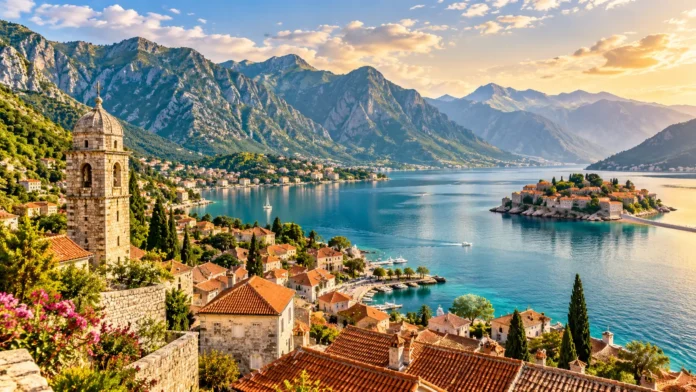

Montenegro is one of Europe’s most beautiful travel destinations, offering a remarkable combination of stunning Adriatic beaches, medieval towns, dramatic mountains, and peaceful lakes. Located in southeastern Europe along the Balkan Peninsula, this small country attracts visitors with its spectacular natural scenery, fascinating history, and welcoming coastal communities. Whether you love outdoor adventures, cultural attractions, or relaxing seaside holidays, Montenegro offers unforgettable experiences.
Exploring the best things to do in Montenegro, Europe, allows travelers to discover historic cities, UNESCO World Heritage Sites, beautiful national parks, and charming traditional villages. From the breathtaking Bay of Kotor to the rugged landscapes of Durmitor National Park, every region offers something unique. This Montenegro travel guide covers the country’s top attractions, memorable experiences, ideal visiting seasons, and practical travel tips.
Explore the Historic Old Town of Kotor
Kotor is one of Montenegro’s most famous tourist destinations, known for its beautiful medieval architecture, narrow cobblestone streets, and spectacular mountain surroundings. Located beside the breathtaking Bay of Kotor, this historic town is part of a UNESCO World Heritage Site. Visitors can explore ancient churches, charming squares, and impressive stone buildings that reflect centuries of Venetian influence.
Walking through Kotor Old Town is among the best things to do in Montenegro because every corner reveals fascinating architectural details. The Cathedral of Saint Tryphon, traditional stone houses, and historic city gates are particularly memorable attractions. Travelers can enjoy local cafés, browse small shops, and experience the peaceful atmosphere of the town’s picturesque pedestrian streets.
For panoramic views, visitors can explore the historic fortifications rising above Kotor toward San Giovanni Fortress. The elevated viewpoints reveal beautiful scenes of the bay, surrounding mountains, and red-roofed buildings below. Because access conditions, admission fees, and opening hours can change, travelers should confirm current visitor information before planning their sightseeing experience.
Visit Perast and the Beautiful Our Lady of the Rocks
Perast is a charming coastal town located along the Bay of Kotor, famous for its historic palaces, elegant churches, and peaceful waterfront scenery. Unlike larger tourist destinations, Perast offers a quieter atmosphere where visitors can appreciate traditional Montenegrin architecture. Its picturesque setting makes it especially attractive for photography, relaxing walks, and cultural exploration.
One of Perast’s most recognizable attractions is Our Lady of the Rocks, a historic church situated on a small artificial island in the bay. Visitors can usually reach the island through local boat services operating from the waterfront. The church contains religious artworks and historical objects that reflect the area’s maritime traditions and cultural heritage.
Travelers can also explore Perast’s narrow streets, admire traditional buildings, and enjoy beautiful views across the water. Waterfront restaurants provide opportunities to sample local dishes while appreciating the surrounding mountain scenery. Visiting during the morning or late afternoon can offer a more peaceful experience, particularly during the busy summer tourism season.
Discover Budva Old Town and Sveti Stefan
Budva is one of Montenegro’s most popular coastal destinations, offering beautiful beaches, lively waterfront areas, and fascinating historical attractions. Its medieval Old Town features stone walls, narrow streets, charming squares, and historic churches overlooking the Adriatic Sea. Visitors can explore the traditional architecture while discovering restaurants, boutique shops, and scenic viewpoints throughout the historic center.
The Budva Riviera also attracts travelers with its attractive beaches and clear blue water during the warmer months. Mogren Beach is particularly popular because of its scenic coastal setting near the Old Town. Visitors can enjoy relaxing seaside experiences, explore walking paths, and discover nearby coastal communities that provide a quieter alternative to Budva’s busiest areas.
Sveti Stefan is another iconic attraction along the coastline, famous for its historic stone buildings situated on a small island connected to the mainland. Although access to the island itself is restricted and depends on operating arrangements, surrounding viewpoints offer spectacular photography opportunities. The nearby coastal scenery makes Sveti Stefan a worthwhile stop during a Montenegro road trip.
Experience Durmitor National Park and Black Lake
Durmitor National Park is one of Montenegro’s most spectacular natural attractions, featuring dramatic mountains, glacial lakes, dense forests, and extraordinary alpine landscapes. Located in the northern part of the country, this UNESCO-listed national park attracts nature enthusiasts throughout the year. Its beautiful scenery provides excellent opportunities for sightseeing, photography, and exploring Montenegro’s impressive mountain environment.
Black Lake, locally known as Crno Jezero, is among the park’s most recognizable attractions and is located near the mountain town of Žabljak. Surrounded by forested hills and dramatic peaks, the lake creates a peaceful setting for nature walks. Visitors can explore established walking paths while enjoying beautiful reflections and impressive views of the surrounding landscape.
Summer generally offers favorable conditions for visiting Durmitor, although mountain weather can change quickly even during warmer months. Winter transforms the area into a snowy landscape with seasonal resort activities and scenic mountain views. Travelers should check weather forecasts, trail conditions, and park regulations before exploring, particularly when visiting higher elevations or remote locations.
Admire the Spectacular Tara River Canyon
Tara River Canyon is one of Montenegro’s most extraordinary natural landmarks, known for its dramatic cliffs, beautiful river scenery, and impressive mountain landscapes. The canyon extends through northern Montenegro and forms part of the wider Durmitor region. Its remarkable depth and natural beauty attract visitors interested in photography, geography, and exploring the country’s spectacular wilderness.
The Đurđevića Tara Bridge is among the area’s most recognizable attractions, stretching high above the river and surrounding forested valley. Visitors can admire the bridge’s impressive engineering and enjoy panoramic views from designated observation areas. The surrounding landscape features steep cliffs, dense vegetation, and beautiful scenery that makes the journey particularly memorable.
Exploring the Tara region offers opportunities to appreciate Montenegro’s natural diversity beyond its famous Adriatic coastline. Travelers can discover scenic roads, traditional mountain communities, and viewpoints overlooking the river valley. Spring through early autumn often provides pleasant sightseeing opportunities, although changing mountain weather and road conditions should always be considered when planning excursions.
Enjoy a Scenic Boat Trip on Lake Skadar
Lake Skadar is one of Montenegro’s most beautiful natural attractions, offering peaceful waters, spectacular mountain views, and remarkable biodiversity. Shared between Montenegro and Albania, the lake is surrounded by wetlands, traditional villages, and protected landscapes. Visitors can experience a quieter side of the country while appreciating natural scenery away from crowded coastal destinations.
The small town of Virpazar is a popular starting point for exploring Lake Skadar National Park and its surrounding attractions. Boat excursions allow travelers to admire beautiful waterways, floating vegetation, and scenic mountain backdrops. The lake is also an important habitat for numerous bird species, making it especially appealing for wildlife enthusiasts and nature photographers.
Visitors can combine a lake excursion with traditional village exploration and local food experiences. The surrounding region is known for fishing communities, agricultural traditions, and peaceful countryside scenery. Spring and autumn often provide particularly enjoyable temperatures, although summer remains popular for boat trips and exploring the beautiful landscapes around the lake.
Discover Lovćen National Park and Historic Cetinje
Lovćen National Park is one of Montenegro’s most culturally significant natural destinations, offering impressive mountain scenery and breathtaking views across the surrounding landscape. The park is closely connected to Montenegro’s national identity, history, and literary traditions. Visitors can explore beautiful mountain roads, designated viewpoints, and peaceful natural areas while discovering the region’s historical importance.
One of the park’s most famous attractions is the mausoleum of Petar II Petrović-Njegoš, an influential Montenegrin ruler, poet, and philosopher. Located near the summit of Jezerski Vrh, the monument offers panoramic views across the mountains and, on clear days, toward the Adriatic coastline. Visitors reach it by climbing a long series of steps.
Nearby Cetinje, Montenegro’s historic royal capital, provides another fascinating cultural experience filled with museums, churches, and traditional architecture. Travelers can explore former royal buildings and discover important chapters of the country’s political and cultural history. Combining Lovćen National Park with Cetinje creates a rewarding day trip focused on mountain scenery, heritage, and traditional Montenegrin identity.
Explore Herceg Novi and the Luštica Peninsula
Herceg Novi is a charming coastal town located near the entrance to the Bay of Kotor, famous for its historic fortresses, beautiful waterfront, and Mediterranean atmosphere. The town features steep streets, traditional stone buildings, and attractive public squares. Visitors can explore its historic neighborhoods while enjoying views of the surrounding coastline and mountains.
The Old Town contains important landmarks such as Forte Mare Fortress and Kanli Kula, which reflect the town’s complex history and architectural heritage. Travelers can also enjoy walks along the waterfront promenade, where restaurants and cafés overlook the Adriatic Sea. Its relaxed atmosphere makes Herceg Novi particularly appealing for visitors seeking cultural attractions alongside coastal scenery.
The nearby Luštica Peninsula offers beautiful landscapes, quiet villages, and access to scenic coastal excursions. The Blue Cave is a well-known natural attraction where sunlight can create striking blue reflections inside a sea cave. Boat access depends on sea conditions and local operating arrangements, so travelers should choose established operators and confirm availability beforehand.
Relax on Ulcinj’s Beaches and Discover Its Old Town
Ulcinj is one of Montenegro’s most interesting southern coastal destinations, known for its beautiful beaches, historic architecture, and diverse cultural traditions. Located near the Albanian border, the town offers a distinctive atmosphere influenced by different Mediterranean and Balkan cultures. Visitors can explore historic streets, enjoy seaside restaurants, and appreciate the region’s beautiful coastal scenery.
Velika Plaža, also known as Long Beach, is one of Ulcinj’s most famous attractions because of its extensive sandy shoreline. Unlike many smaller pebble beaches elsewhere in Montenegro, this coastal area provides plenty of space for relaxing walks and enjoying the seaside atmosphere. Its open landscape makes it especially appealing during warmer months.
Ulcinj Old Town is another worthwhile attraction, featuring historic stone buildings, elevated viewpoints, and beautiful views over the Adriatic Sea. Travelers can discover traditional restaurants and quiet streets while learning about the town’s maritime history. Nearby Ada Bojana and the Bojana River delta add further opportunities for appreciating the region’s distinctive natural environment.
Visit Ostrog Monastery and Explore Podgorica
Ostrog Monastery is one of Montenegro’s most remarkable religious and historical landmarks, famous for its extraordinary location within a steep mountainside. The monastery is an important Orthodox Christian pilgrimage destination and attracts visitors from different cultural backgrounds. Its striking white architecture contrasts beautifully with the surrounding rock formations, creating an unforgettable scene.
Visitors can explore designated areas of the monastery while appreciating its spiritual significance and peaceful mountain setting. Modest clothing and respectful behavior are expected because Ostrog remains an active religious site. Travelers should also consider the winding mountain roads and changing weather conditions when planning their journey to this remarkable historical destination.
Podgorica, Montenegro’s capital, offers a different travel experience with modern neighborhoods, cultural attractions, and pleasant public spaces. Visitors can explore the Millennium Bridge, discover the historic Stara Varoš district, and enjoy cafés near the city center. Although often overlooked in favor of coastal destinations, Podgorica provides useful insight into contemporary Montenegrin life.
Taste Traditional Montenegrin Food and Local Specialties
Discovering traditional Montenegrin cuisine is one of the most enjoyable ways to experience the country’s cultural heritage. Its food reflects Mediterranean, Balkan, and mountain influences, creating a variety of regional dishes. Coastal communities are known for fresh seafood and locally grown produce, while inland areas feature hearty meals prepared using traditional ingredients.
Popular local specialties include kačamak, a comforting dish made with potatoes or cornmeal and cheese, and cicvara, a rich traditional preparation featuring dairy products. Travelers can also enjoy priganice, small pieces of fried dough commonly served with honey or other accompaniments. These dishes reflect the country’s strong connection to traditional cooking methods.
Montenegro’s food culture extends beyond restaurants, with local markets providing opportunities to discover regional cheeses, olives, fruits, and homemade products. Places such as Kotor, Cetinje, and Podgorica offer dining experiences ranging from casual eateries to traditional family-run establishments. Exploring local cuisine adds another memorable dimension to a Montenegro holiday while supporting smaller businesses.
Best Time to Visit Montenegro and Essential Travel Tips
The best time to visit Montenegro generally falls between May and June or September and early October, when temperatures are comfortable and major attractions are less crowded. Summer, particularly July and August, brings warm weather and busy beaches along the Adriatic coastline. Spring and autumn are especially appealing for sightseeing, countryside exploration, and visiting historic towns.
Travelers can arrive through Tivat Airport or Podgorica Airport, depending on their destination and available flight connections. Buses connect many major towns, while rental cars offer flexibility for visiting remote attractions and mountain regions. However, narrow mountain roads, busy summer traffic, and winding coastal routes can make driving times longer than expected.
A seven-day itinerary can include Kotor, Perast, Budva, Lovćen, and Lake Skadar, while longer holidays allow additional time for Durmitor and northern Montenegro. The country uses the euro, and carrying some cash is useful for smaller establishments. Visitors should also check current entry requirements, accommodation availability, and local weather forecasts before departure.
Conclusion
Montenegro is an extraordinary European destination that combines stunning beaches, historic towns, dramatic mountain landscapes, and fascinating cultural attractions. From exploring Kotor’s medieval streets to admiring the beautiful scenery of Durmitor National Park, the country offers diverse experiences within a relatively compact geographical area. Its rich history and natural beauty make it an appealing choice for travelers.
Discovering destinations such as Perast, Budva, Lake Skadar, and Lovćen National Park reveals the remarkable variety of attractions available throughout Montenegro. Visitors can experience peaceful coastal villages, traditional cuisine, scenic mountain landscapes, and historic religious landmarks. Planning around seasonal weather and allowing enough time for transportation can make these experiences more enjoyable.
Whether you are planning a relaxing seaside holiday, a cultural city break, or an extended journey through the Balkans, Montenegro offers memorable experiences for different interests and budgets. Take time to explore smaller towns, appreciate the country’s natural landscapes, and discover its distinctive traditions. With thoughtful preparation, Montenegro can become one of the highlights of your European travels.
Frequently Asked Questions (FAQs)
What are the best things to do in Montenegro?
The best things to do in Montenegro include exploring Kotor Old Town, visiting Perast, relaxing on Budva’s beaches, and discovering Durmitor National Park. Lake Skadar and Lovćen are also excellent attractions.
What is the best month to visit Montenegro?
June and September are among the best months to visit Montenegro because temperatures are generally pleasant and tourist attractions are less crowded than in peak summer. Both months are excellent for coastal sightseeing.
How many days are enough to explore Montenegro?
Seven to ten days provide enough time to explore Montenegro’s major attractions, including Kotor, Budva, Perast, and Lake Skadar. Travelers interested in northern mountains and national parks may prefer two weeks.
Is Montenegro expensive for tourists?
Montenegro offers accommodation and dining options for different budgets, although popular coastal destinations become more expensive during summer. Traveling in spring or autumn can provide better value and fewer crowds.
Is Montenegro worth visiting for first-time travelers?
Yes, Montenegro is an excellent destination for first-time visitors to the Balkans because it combines beautiful beaches, historic architecture, mountain scenery, and welcoming communities. Its compact size makes exploring multiple destinations relatively convenient.