
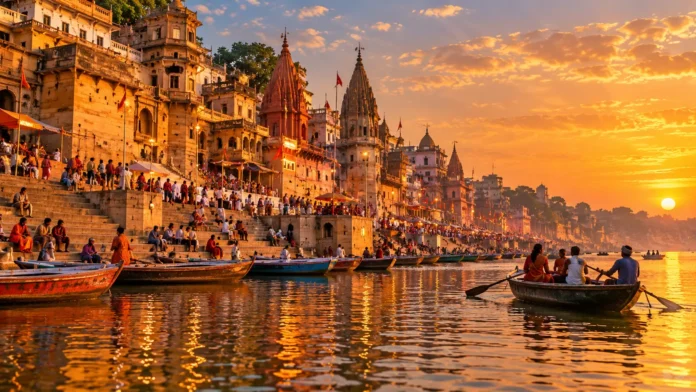

Varanasi is one of India’s most fascinating travel destinations, famous for its ancient temples, sacred riverfront ghats, narrow streets, and rich cultural traditions. Located on the banks of the River Ganges in Uttar Pradesh, the city attracts visitors who want to experience its history, architecture, spiritual heritage, and lively atmosphere. Whether you enjoy exploring historic landmarks, discovering traditional markets, or experiencing local culture, Varanasi offers memorable experiences.
Also known as Kashi or Banaras, Varanasi is considered one of the world’s oldest continuously inhabited cities. It holds deep religious significance for Hindus and is closely connected with important Buddhist traditions through nearby Sarnath. The city is particularly famous for its evening Ganga Aarti ceremonies, traditional silk weaving, and riverfront scenery.
Planning a trip to Varanasi requires understanding its major attractions, cultural customs, weather, and transportation options. This Varanasi travel guide highlights the best things to do and see, including famous temples, historic ghats, museums, and nearby destinations. It also covers the best time to visit, local food, travel expenses, and practical tips for first-time visitors.
Why Visit Varanasi?
Varanasi offers a distinctive combination of ancient history, religious traditions, and everyday Indian culture. The city’s riverfront is lined with historic steps known as ghats, where visitors can observe ceremonies and daily activities. Its streets contain traditional shops, temples, and buildings that reflect centuries of development. Exploring these surroundings provides insight into an important cultural destination.
The city is especially significant in Hindu traditions because of its association with Lord Shiva and the sacred River Ganges. Pilgrims travel from across India to visit temples and participate in religious activities. Varanasi is also recognized for its classical music, Sanskrit learning, and traditional craftsmanship. These cultural connections make the city appealing beyond religious tourism.
Another reason to visit Varanasi is its proximity to Sarnath, an important Buddhist pilgrimage destination. Travelers can explore ancient archaeological remains and museums while learning about Buddhist history. The combination of Hindu and Buddhist heritage creates a varied sightseeing experience. Spending several days in the area allows visitors to appreciate its diverse attractions.
1. Explore the Famous Ghats of Varanasi
The ghats of Varanasi are among the city’s most recognizable attractions. These stone steps lead toward the River Ganges and serve as important spaces for religious ceremonies, gatherings, and daily activities. Different ghats have distinct historical and cultural associations. Exploring the riverfront is one of the best ways to understand Varanasi’s atmosphere.
Popular riverfront locations include Dashashwamedh Ghat, Assi Ghat, and several smaller historic ghats. Some areas are especially busy during religious festivals, while others offer quieter surroundings. Traditional buildings and temples line many sections of the waterfront. Early mornings can provide particularly memorable views as the city begins its daily activities.
Walking along the ghats allows visitors to observe architecture and cultural traditions at a comfortable pace. However, the steps may be uneven or slippery, particularly during wet weather. Some ghats are used for private or sensitive religious ceremonies. Respecting local customs and avoiding intrusive photography helps create a more considerate travel experience.
2. Experience the Evening Ganga Aarti
The evening Ganga Aarti is one of Varanasi’s most famous cultural and religious experiences. This Hindu ceremony honors the River Ganges through prayers, lamps, music, and traditional rituals. Dashashwamedh Ghat is particularly well known for its elaborate evening ceremony. Visitors gather along the waterfront to observe the event.
During the ceremony, priests perform coordinated rituals with ceremonial lamps while devotional chants and bells contribute to the atmosphere. The illuminated riverfront creates a distinctive scene after sunset. Large numbers of pilgrims and travelers often attend. The experience offers visitors an opportunity to observe an important part of Varanasi’s living religious heritage.
The ceremony can become crowded, especially during weekends and major festivals. Arriving with adequate time helps visitors find a suitable authorized viewing area. Timing may change according to seasonal conditions and local arrangements. Following crowd guidance and respecting worshippers ensures a more comfortable experience for everyone.
3. Visit the Kashi Vishwanath Temple
Kashi Vishwanath Temple is one of India’s most important Hindu temples and a major pilgrimage destination in Varanasi. Dedicated to Lord Shiva, the temple holds deep religious significance for devotees. It is located near the River Ganges in the historic part of the city. The surrounding area attracts large numbers of visitors throughout the year.
The Kashi Vishwanath Dham development has improved access between the temple precinct and the riverfront. Visitors can explore designated public areas while appreciating the cultural significance of the complex. Entry arrangements, security procedures, and permitted belongings are subject to official rules. Some areas may have access restrictions.
Travelers should check current temple guidance before visiting, particularly during festivals and important religious dates. Modest clothing and respectful behavior are appropriate. Photography and electronic-device restrictions may apply in particular areas. Understanding these requirements before arrival can help prevent inconvenience and support a respectful visit.
4. Enjoy a Sunrise Boat Ride on the Ganges
A sunrise boat ride on the River Ganges is one of the most memorable experiences in Varanasi. The early morning light reveals the city’s riverfront architecture, temples, and historic ghats from a different perspective. Boats provide broad views of the waterfront as daily activities begin. Many travelers consider this a highlight of their visit.
From the river, visitors can observe the arrangement of the ghats and surrounding buildings. Morning light often creates beautiful conditions for photography, particularly during clear weather. Some excursions include commentary about the history and religious importance of different locations. The experience can provide useful context before exploring the waterfront on foot.
Boat services depend on weather, river levels, and local safety regulations. During the monsoon season, high water levels may lead to restrictions or cancellations. Travelers should choose authorized operators that provide suitable safety equipment. Checking local conditions before booking helps ensure a more comfortable and responsible experience.
5. Discover Assi Ghat and Morning Traditions
Assi Ghat is one of Varanasi’s best-known riverfront locations and a popular destination for visitors interested in local culture. Situated toward the southern end of the main ghat area, it has a distinctive atmosphere. The surrounding neighborhood includes cafes, guesthouses, and traditional establishments. Many travelers enjoy beginning their sightseeing here.
Assi Ghat is particularly associated with the Subah-e-Banaras morning cultural program. Activities may include devotional music, traditional ceremonies, and other cultural presentations. The riverside setting provides an attractive background for observing the city’s morning routines. Program schedules and activities may vary, so checking current arrangements is useful.
The surrounding streets offer opportunities to discover local food and traditional shops. Visitors can combine time at Assi Ghat with nearby cultural attractions. The area may feel more relaxed than some sections around Dashashwamedh Ghat, depending on the time of day. It provides another perspective on life along the Ganges.
6. Explore Sarnath and Buddhist Heritage
Sarnath is an important historical and religious destination located approximately 10 kilometers northeast of central Varanasi. It is traditionally recognized as the place where the Buddha delivered his first teaching after attaining enlightenment. This association makes Sarnath significant for Buddhists around the world. Its archaeological sites also attract travelers interested in ancient Indian history.
The Dhamek Stupa is among the area’s most recognizable monuments. Visitors can explore designated archaeological grounds and learn about the development of Buddhist traditions. Sarnath also contains temples and cultural landmarks associated with different Buddhist communities. These sites provide a peaceful contrast to Varanasi’s busy riverfront.
The Sarnath Archaeological Museum is another important attraction, although access and opening schedules should be checked before visiting. It contains significant sculptures and objects associated with the site’s history. Travelers may prefer dedicating several hours to the area rather than rushing through it. Including Sarnath creates a more complete cultural itinerary.
7. Visit Banaras Hindu University
Banaras Hindu University, commonly called BHU, is one of India’s prominent educational institutions. Established in the early twentieth century, the university has an important place in the country’s educational and cultural development. Its campus includes landscaped areas and significant institutional buildings. Certain visitor-accessible locations attract tourists interested in history and architecture.
One notable attraction is the New Vishwanath Temple, also known as the Birla Temple, located within the campus. This temple is distinct from the historic Kashi Vishwanath Temple in the old city. Its tall structure and peaceful surroundings make it a recognizable landmark. Visitors should observe applicable access and religious guidelines.
The campus also contains Bharat Kala Bhavan, a museum known for its collections related to art and cultural history. Museum opening hours and visitor arrangements may change. Combining permitted campus attractions can provide a rewarding cultural experience. Travelers should remember that BHU remains an active educational institution and respect academic activities.
8. Discover Ramnagar Fort
Ramnagar Fort is a historic landmark located across the River Ganges from the main city of Varanasi. Built during the eighteenth century, it is associated with the former royal family of Banaras. The fort features traditional architectural elements and a scenic riverside setting. Its historical significance makes it attractive to heritage enthusiasts.
The complex includes sections displaying architectural features associated with the region’s royal past. Depending on current access arrangements, visitors may be able to explore museum areas and selected historic spaces. Some structures require ongoing maintenance or conservation. It is advisable to verify which sections are open before arranging a visit.
Ramnagar provides a different sightseeing experience from the crowded old-city neighborhoods. Its location offers views of the surrounding river landscape and historic architecture. Travelers should allow sufficient time for transportation between the main city and the fort. Combining this visit with other nearby attractions can make the itinerary more practical.
9. Explore Varanasi’s Old City and Markets
Varanasi’s old city is famous for its narrow lanes, traditional shops, historic buildings, and lively atmosphere. Exploring these streets provides an opportunity to observe everyday life and local craftsmanship. Small temples, food stalls, and markets appear throughout the area. The combination of history and modern activity creates a distinctive travel experience.
The city is particularly famous for Banarasi silk sarees and traditional textile weaving. Visitors can explore established markets to appreciate different designs, fabrics, and regional craftsmanship. Some shops offer information about weaving methods and textile traditions. However, product quality and prices vary considerably between sellers.
Navigating the old city can be confusing because many lanes are narrow and interconnected. A knowledgeable local guide may help visitors understand the area’s history without losing their way. Travelers should respect residential spaces and keep important belongings secure in crowded markets. Exploring at an unhurried pace makes the experience more enjoyable.
10. Experience Traditional Varanasi Food
Varanasi has a distinctive food culture that reflects regional traditions and generations of culinary history. The city is especially known for vegetarian dishes, local sweets, and popular street food. Exploring established food markets can be an enjoyable part of sightseeing. Different neighborhoods offer a variety of flavors and traditional preparations.
Popular foods associated with the region include kachori sabzi, tamatar chaat, and various milk-based sweets. Seasonal specialties may also appear at local shops. Travelers can discover traditional breakfast options and casual dining establishments throughout the city. Trying regional dishes provides another way to experience Banaras culture.
Food hygiene is important when exploring busy markets and unfamiliar establishments. Visitors should choose vendors with suitable food handling practices and drink safe water. People with dietary restrictions should ask about ingredients before ordering. A balanced food itinerary allows travelers to experience local cuisine while prioritizing comfort and health.
11. Best Time to Visit Varanasi
The best time to visit Varanasi is generally from October through March, when temperatures are more comfortable for outdoor sightseeing. These months are often suitable for exploring the ghats, visiting temples, and enjoying riverfront experiences. Winter mornings can be misty, creating distinctive scenery. However, fog may occasionally affect visibility and transportation.
Summer, particularly April through June, can become extremely hot. Temperatures sometimes exceed 40°C, making extended outdoor activities uncomfortable. During this period, early morning and evening sightseeing may be more practical. Visitors should prepare for heat and avoid unnecessary exposure during the hottest hours.
The monsoon season generally brings increased rainfall and higher river levels between July and September. Some boat services or riverfront pathways may become inaccessible because of local conditions. Religious festivals can also create substantial crowds during different seasons. Checking seasonal circumstances helps travelers select dates that match their interests.
12. How to Reach and Travel Around Varanasi
Varanasi is accessible by air, rail, and road from several major Indian cities. Lal Bahadur Shastri International Airport serves the region and is located approximately 25 kilometers from the city center. Railway connections include Varanasi Junction and Banaras Railway Station. Travelers should compare available services according to their starting location.
Within the city, transportation options include auto-rickshaws, taxis, and other local services. Some historic streets are too narrow for ordinary vehicles, making walking necessary near certain attractions. Traffic can become heavy during busy periods. Choosing accommodation close to priority destinations may reduce transportation difficulties.
Visitors should allow additional travel time when moving between the airport, railway stations, and old-city attractions. Transport arrangements may also change during major festivals or local events. Checking pickup locations and approximate fares before departure is helpful. A practical transportation plan makes sightseeing more manageable.
13. Varanasi Travel Budget and Money-Saving Tips
Varanasi offers accommodation and dining options across a wide range of budgets. Travelers can choose from simple guesthouses, midrange hotels, traditional stays, and premium riverside properties. Prices depend on location, facilities, and seasonal demand. Hotels with direct river views may charge more than accommodations farther from the ghats.
A budget-conscious itinerary can include public riverfront areas, historic neighborhoods, and selected cultural attractions. Local transportation and casual restaurants may provide affordable options, depending on individual preferences. Paid boat excursions, museums, and guided tours should be included in financial planning. Comparing total costs helps avoid unexpected expenses.
Travel demand can increase significantly during major festivals and religious gatherings. Booking suitable accommodation in advance may provide more choice during these periods. Travelers should also confirm current admission fees and transport prices rather than relying on older estimates. Flexible planning helps maintain a manageable travel budget.
Conclusion
Varanasi is one of India’s most culturally significant destinations, offering a memorable combination of ancient history, spiritual traditions, and lively city experiences. Its riverfront ghats, historic temples, and narrow markets provide opportunities to explore the city’s distinctive identity. Attractions such as Dashashwamedh Ghat and Kashi Vishwanath Temple remain important highlights. Nearby Sarnath adds another dimension through its Buddhist heritage.
The best things to do in Varanasi include observing the evening Ganga Aarti, enjoying a sunrise boat excursion, exploring traditional streets, and visiting museums and historic landmarks. Assi Ghat, Banaras Hindu University, and Ramnagar Fort provide additional sightseeing options. Local food and textile traditions enrich the experience. Allowing enough time makes it easier to appreciate these different attractions.
A successful Varanasi trip requires thoughtful planning around weather, transportation, accommodation, and cultural customs. October through March generally offers comfortable conditions, while summer heat and monsoon rainfall can affect outdoor activities. Respecting local traditions and following river safety guidance is important throughout the visit. With suitable preparation, Varanasi can provide a rewarding and unforgettable travel experience.
Frequently Asked Questions
What is Varanasi most famous for?
Varanasi is famous for its sacred River Ganges, historic ghats, Kashi Vishwanath Temple, Ganga Aarti ceremonies, and traditional Banarasi silk weaving. It is also one of India’s most important cultural and pilgrimage destinations.
How many days are enough to explore Varanasi?
Two to three days can provide a useful introduction to Varanasi. This allows time for the major ghats, temples, a Ganga Aarti ceremony, and an excursion to nearby Sarnath.
What is the best month to visit Varanasi?
November, December, February, and March are often appealing for sightseeing because temperatures are generally cooler than in summer. The best month depends on weather preferences and festival travel plans.
Is Varanasi safe for tourists?
Varanasi welcomes many domestic and international visitors. Travelers should follow ordinary city precautions, remain aware in crowded areas, respect local customs, and choose authorized services for river excursions.
What are the best places to visit in Varanasi?
Popular attractions include Kashi Vishwanath Temple, Dashashwamedh Ghat, Assi Ghat, Sarnath, Banaras Hindu University, Ramnagar Fort, and the city’s historic markets and riverfront neighborhoods.