
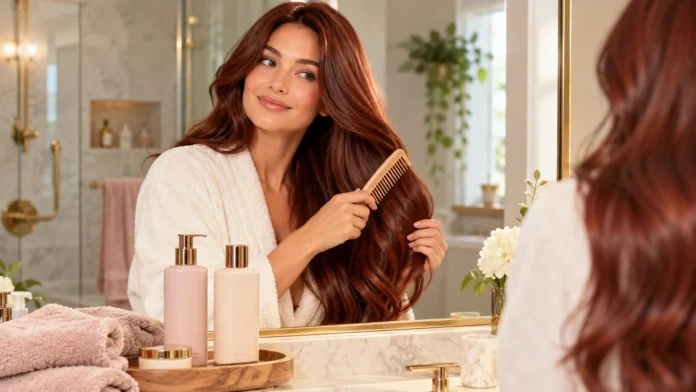

Freshly colored hair can look beautiful, vibrant, and full of dimension, whether you choose rich brunette, warm copper, soft blonde, or a bold fashion shade. However, maintaining that color can become challenging when frequent washing, heat styling, and environmental exposure cause the shade to fade. Learning how to make hair color last longer helps you preserve your chosen tone, maintain healthy-looking hair, and avoid unnecessary color refreshes.
The good news is that keeping dyed hair vibrant does not always require expensive salon treatments or complicated products. Simple changes to your washing routine, conditioning habits, and daily styling practices can make a meaningful difference. This guide explains practical ways to prevent hair color from fading, protect color-treated hair, and maintain a consistent shade between coloring appointments.
Why Does Hair Color Fade So Quickly?
Hair color gradually fades because artificial pigments can change or wash out of the hair shaft over time. Repeated shampooing, sunlight exposure, heat styling, and the condition of your hair all influence how quickly this happens. Some coloring methods deposit pigments near the outer hair layers, making them more vulnerable to fading during regular washing.
Different hair colors also behave differently because their formulas and pigment combinations are not identical. Vibrant reds, copper shades, and certain fashion colors may lose intensity relatively quickly, while darker permanent colors often retain their overall depth longer. However, even permanent hair dye can gradually change tone as treated strands experience everyday wear.
Hair porosity is another important factor because highly porous strands may absorb color readily but struggle to retain certain pigments. Previous bleaching, chemical treatments, and mechanical damage can increase porosity and affect color longevity. Understanding your hair’s condition and coloring history helps you create a more suitable maintenance routine that reduces unnecessary fading.
Follow the Right Hair Care Routine After Coloring
The first few days after coloring are a useful time to establish gentle hair care habits. Your stylist may recommend waiting before the first shampoo, depending on the color formula and treatment performed. Following those specific instructions is more reliable than assuming every permanent or semi-permanent dye requires the same waiting period.
Avoid unnecessary washing immediately after a coloring appointment when your scalp and hair do not need cleansing. Frequent shampooing can contribute to pigment loss, particularly with temporary and semi-permanent shades. However, maintaining a comfortable, clean scalp remains important, so washing should reflect your hair type, styling products, and individual needs.
Newly colored hair may also benefit from minimizing unnecessary exposure to strong heat and additional chemical processing. Gentle detangling, appropriate conditioning, and simple hairstyles can help reduce friction and breakage. Establishing these habits early makes it easier to maintain the condition of your color-treated hair throughout the following weeks.
Wash Color-Treated Hair Less Frequently When Appropriate
Frequent shampooing can gradually remove color pigments, particularly from semi-permanent dyes and vibrant fashion shades. If your hair remains comfortable and clean between washes, slightly increasing the interval may help preserve your chosen color. The ideal washing frequency depends on scalp oil production, hair texture, activity level, and personal preference.
Some people can comfortably wash their hair every few days, while others need more frequent cleansing to manage oil, sweat, or buildup. There is no universal shampoo schedule that works for everyone with colored hair. The goal is to avoid unnecessary washing without ignoring scalp health or allowing uncomfortable product accumulation.
On days when shampooing is unnecessary, gentle brushing or a simple styling refresh may be sufficient. Dry shampoo can sometimes help manage visible oil between washes, but it does not replace cleansing the scalp. Using it occasionally and following product directions can support convenience without relying on excessive applications that create buildup.
Choose a Gentle Shampoo and Conditioner for Colored Hair
Selecting an appropriate shampoo is an important part of protecting dyed hair from unnecessary fading. Products labeled for color-treated hair are often formulated with gentle cleansing ingredients and conditioning agents. However, product performance varies, so the label alone does not guarantee that a shampoo will preserve every hair color equally.
Some people prefer sulfate-free shampoos because certain formulas provide a gentler cleansing experience. However, not every sulfate-containing shampoo is harsh, and not every sulfate-free product is suitable for all hair types. Consider how your scalp and hair respond to a formula rather than assuming one ingredient automatically determines color protection.
Conditioner is equally important because it helps improve softness, reduce friction, and support easier detangling after washing. Apply it according to the product instructions, concentrating on areas that need additional conditioning. Choosing a compatible shampoo and conditioner can make colored hair easier to manage while supporting a more consistent appearance between appointments.
Use Lukewarm Water and Gentle Washing Techniques
Water temperature can influence how comfortable washing feels and how effectively products remove oil and buildup. Very hot water may contribute to dryness and make some colored hair feel rougher after washing. Lukewarm water provides a practical option for cleansing without exposing your hair and scalp to unnecessary heat.
When shampooing, focus primarily on the scalp rather than aggressively scrubbing the entire length of your hair. The cleanser will move through the lengths during rinsing, helping remove everyday residue. Rough rubbing can increase tangling and friction, particularly when hair has already experienced bleaching or repeated coloring treatments.
After washing, handle wet hair carefully because it can be more vulnerable to stretching and breakage. Gently squeeze away excess water instead of vigorously rubbing your hair with a towel. A soft microfiber towel or smooth cotton fabric can help reduce friction, making your routine more comfortable and manageable.
Keep Colored Hair Moisturized With Conditioning Treatments
Color-treated hair often benefits from regular conditioning, especially when the coloring process involves lightening or chemical treatments. Dry or rough strands can appear less shiny, making even a recently applied shade seem less vibrant. Maintaining softness and manageability helps colored hair reflect light more evenly and retain a polished appearance.
A moisturizing hair mask can provide additional conditioning when ordinary conditioner does not meet your hair’s needs. Some formulas contain conditioning oils, fatty alcohols, or other ingredients that improve the feel of dry lengths. The ideal treatment frequency depends on hair condition and product instructions rather than following a strict schedule.
Leave-in conditioners can also help reduce tangling and improve daily manageability between washing sessions. Apply an appropriate amount to areas needing extra care while avoiding excessive buildup near the scalp. Remember that moisturizing products support hair condition, but they cannot permanently repair every form of chemical damage or completely prevent pigment fading.
Reduce Heat Styling to Protect Hair Color
Frequent use of flat irons, curling tools, and high-temperature dryers can contribute to hair damage and changes in color appearance. Excessive heat may leave treated strands feeling dry or rough, especially after bleaching or repeated coloring. Reducing unnecessary heat exposure can help maintain softness and support better-looking color between salon visits.
When using heated styling tools, choose a suitable temperature and avoid repeatedly passing them over the same sections. A heat-protectant product may help reduce certain forms of heat-related damage when used correctly. However, heat protection does not eliminate every risk, making thoughtful styling habits equally important for maintaining hair condition.
Heatless hairstyles offer another option for creating texture without regularly applying high temperatures. Loose braids, soft rollers, and comfortable overnight styling methods can produce different effects depending on hair type. Alternating between heated and nonheated techniques allows more flexibility while reducing repeated exposure to potentially damaging styling temperatures.
Protect Dyed Hair From Sunlight and Swimming Pool Water
Prolonged sunlight exposure can affect artificial hair pigments and contribute to visible color changes over time. Ultraviolet radiation may also influence the condition of the hair fiber, particularly when exposure is frequent. Wearing a comfortable hat or seeking shade during extended outdoor activities provides a simple way to reduce direct exposure.
Swimming pools introduce additional challenges because chlorine and other water treatment chemicals may influence hair color or texture. Some lightened hair can develop unexpected tones after contact with metals present in certain water sources. These effects vary according to water chemistry, hair condition, and previous coloring treatments.
Before swimming, wetting your hair with clean water may help limit how much pool water it absorbs. Rinsing afterward and using a suitable conditioner can help remove residue and maintain comfort. If you swim frequently, ask your stylist about products that suit your particular color and exposure level.
Use Color-Depositing Products and Toners When Needed
Color-depositing conditioners and masks can temporarily refresh certain hair shades by adding small amounts of pigment. These products are available in colors such as copper, red, brown, and various fashion tones. They may help maintain a desired appearance between professional coloring sessions, although their results depend on the original shade and hair porosity.
Toning products serve a somewhat different purpose by helping adjust unwanted color undertones. Purple shampoo is commonly used to reduce the appearance of yellow tones in suitable blonde or lightened hair, while blue-toned formulas may address certain orange tones. Using these products unnecessarily or too frequently can produce unwanted results.
Before applying a pigment-depositing product, read the instructions carefully and consider testing a small section of hair. Porous areas may absorb more color than expected, creating uneven results or temporary staining. A professional colorist can help determine whether toning, a gloss treatment, or another color service best suits your desired outcome.
Adjust Your Routine for Different Hair Colors and Dye Types
Not all hair colors require identical maintenance because pigment composition and coloring methods affect longevity. Red and copper shades often need particular attention to fading, while some brunette colors may gradually reveal warmer undertones. Blonde hair can require toner maintenance when unwanted yellow or brassy tones become more noticeable.
Permanent hair dye generally provides longer-lasting pigment changes than many temporary or semi-permanent options. However, visible root growth and gradual tone changes still require consideration. Semi-permanent fashion colors may wash out more noticeably, making gentle cleansing and suitable color-refresh products particularly relevant to their maintenance.
Bleached or heavily lightened hair may require additional conditioning because chemical processing can affect the hair’s structure. Repeated coloring without considering its condition may increase dryness, breakage, or uneven pigment absorption. Choosing a maintenance routine based on the specific dye, starting color, and previous treatments helps create more realistic expectations.
Plan Color Refreshes and Avoid Common Hair Care Mistakes
Maintaining hair color becomes easier when you understand when a professional refresh may be useful. Depending on your shade and coloring method, this could involve a gloss, toner, root touch-up, or a more extensive coloring appointment. Different treatments address different concerns, so repeating the entire coloring process is not always necessary.
One common mistake is using strong clarifying products too frequently without considering their effect on artificial pigments. Another is applying additional dye whenever the color appears slightly different under changing lighting. Evaluating your hair’s actual condition and asking a professional for guidance can help prevent unnecessary chemical processing.
A sustainable color maintenance routine should remain simple enough to follow consistently. Gentle cleansing, suitable conditioning, thoughtful heat styling, and environmental protection can support both comfort and appearance. If coloring products cause itching, irritation, or an unexpected reaction, stop using them and seek appropriate professional or medical guidance rather than applying more chemicals.
Conclusion
Learning how to make hair color last longer begins with understanding why artificial pigments fade and how everyday habits affect treated hair. Washing frequency, shampoo choice, styling heat, and environmental exposure can all influence color longevity. Making small adjustments to your routine may help maintain vibrancy while supporting softer, more manageable hair.
Effective color maintenance does not require purchasing every specialized product available. Gentle cleansing, regular conditioning, reasonable heat protection, and appropriate shade-specific treatments can provide a practical foundation. Following professional aftercare instructions and avoiding unnecessary chemical processing also helps reduce preventable damage and unwanted color changes.
Every person’s hair responds differently to coloring, so the most effective routine depends on hair type, dye formulation, and individual preferences. Whether you enjoy rich brunette, soft blonde, warm copper, or vibrant fashion shades, thoughtful care can help you enjoy your chosen color for longer. Consistency and realistic expectations remain the most important parts of maintaining color-treated hair.
Frequently Asked Questions (FAQs)
How Long Does Hair Color Usually Last?
Hair color longevity depends on the dye type, shade, hair porosity, and maintenance habits. Permanent color generally lasts longer than temporary options, while semi-permanent shades gradually fade with washing and everyday exposure.
How Can I Stop My Hair Color From Fading Quickly?
Use a gentle shampoo, avoid unnecessary washing, condition regularly, and limit excessive heat styling. Protecting hair during prolonged sun exposure and following color-specific aftercare recommendations can also help reduce fading.
Is It Better to Wash Colored Hair With Cold Water?
Lukewarm water is generally a comfortable choice for cleansing colored hair. Very hot water may contribute to dryness, but extremely cold water is unnecessary and does not guarantee longer-lasting color.
Does Sulfate-Free Shampoo Make Hair Color Last Longer?
Some sulfate-free shampoos use gentle cleansing formulas that may suit color-treated hair. However, results depend on the complete formulation, washing habits, and hair condition rather than whether the product contains sulfates alone.
Can I Make Faded Hair Color Vibrant Again Without Recoloring?
Color-depositing conditioners, suitable toning products, and professional gloss treatments may temporarily refresh certain shades. Their effectiveness depends on your current color and hair condition, and they cannot reproduce every original coloring result.