
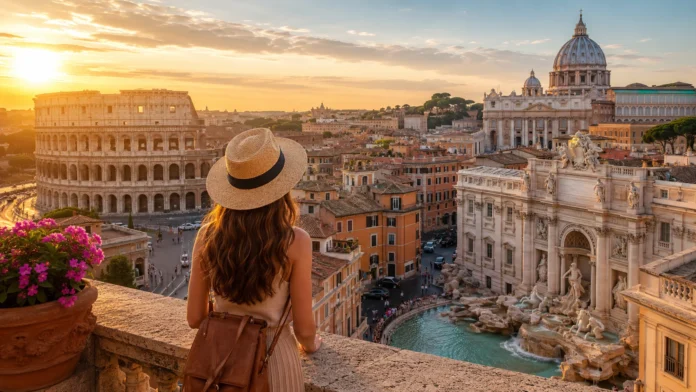

20 Incredible Things to See in Rome at Least Once
Rome is one of those rare cities where famous landmarks are only the beginning of the experience. Ancient amphitheaters stand near busy roads, Renaissance masterpieces fill active churches, Baroque fountains appear at the end of narrow streets, and archaeological remains sit beneath buildings used every day. For travelers visiting for the first time, deciding what to see in Rome can therefore feel more difficult than finding interesting places. The city contains enough museums, ruins, piazzas, basilicas, neighborhoods, and panoramic viewpoints to fill several weeks. A rewarding itinerary focuses on sights that reveal different periods instead of trying to visit every attraction with a famous name. These twenty places provide an excellent introduction to the history, architecture, art, and atmosphere that make Rome unforgettable.
The best Rome sightseeing plan also needs realistic pacing. Attractions such as the Vatican Museums, Colosseum, Roman Forum, and Galleria Borghese require concentration and significant walking, while Trevi Fountain, Piazza Navona, Trastevere, and the Aventine Hill work better as slower experiences between demanding visits. Ticket systems have also evolved, so old travel advice can be misleading. In 2026, the Colosseum continues to require timed reservations, the Pantheon charges standard admission, and access to the closest basin area at Trevi Fountain requires a separate fee for tourists and non-residents. Planning those details early leaves more freedom once you arrive. Rome becomes far more enjoyable when reservations support your itinerary instead of forcing you to race continuously between fixed appointments.
Natural SEO topics such as Rome attractions, best places to see in Rome, ancient Rome landmarks, Vatican City sights, Rome historic center, famous monuments in Rome, Rome travel tips, and must-see places in Italy appear throughout this guide without distracting from the reader. Each section explains why the sight matters, what makes it memorable, and how to experience it with fewer avoidable frustrations. Some locations need several hours, while others can become highlights during a thirty-minute walk. You do not need to complete all twenty during one short vacation. Instead, use the list to build a balanced Rome itinerary around the interests that matter most to you. Whether you love archaeology, art, architecture, photography, religion, or simply beautiful streets, Rome provides something extraordinary at almost every turn.
1. The Colosseum
The Colosseum is the most recognizable symbol of ancient Rome and remains the obvious starting point for many first-time visitors. Built during the Flavian dynasty, the amphitheater once hosted gladiatorial contests, animal hunts, public spectacles, and events designed to demonstrate imperial wealth and authority. Its surviving arches make the exterior impressive, but the internal structure reveals how sophisticated Roman engineering truly was. Corridors, stairways, entrances, seating divisions, and underground spaces were designed to move enormous crowds and organize elaborate performances efficiently. Social hierarchy was reflected in where different spectators sat, turning the building into a physical representation of Roman society. Seeing those systems in person makes the Colosseum far more meaningful than viewing it only as an ancient arena.
Inside, look beyond the obvious arena and consider how the entire building functioned as a carefully managed entertainment machine. The exposed underground area reveals passages where animals, scenery, equipment, and performers were moved before appearing in front of spectators. Upper levels provide a better understanding of the amphitheater’s enormous dimensions and its relationship with surrounding ancient sites. Different ticket products can include access to the arena, underground areas, attic, or more specialized routes depending on availability. Travelers who enjoy history may benefit from a guided tour because many architectural details are difficult to interpret without context. Independent visitors can still have an excellent experience with advance reading or the park’s official visitor resources. Either way, allow yourself time to stop rather than walking continuously.
Current planning is important because Colosseum admission operates through timed reservations. Official ticket sales for standard visits open thirty days before the intended date, and the archaeological park states that the reserved Colosseum entry time is compulsory. Tickets are issued in the visitor’s name, so travelers should keep identification available when entering. (colosseo.it) Opening hours vary across the year, with longer operating periods during spring and summer and earlier closing after late October. Buying through the official ticketing channel makes it easier to understand exactly which archaeological areas are included. High-demand morning slots may disappear quickly during busy months, so arrange this reservation before planning flexible attractions such as fountains or piazzas.
The best visiting time depends partly on weather and season. Early morning is particularly useful during summer because the monument and surrounding archaeological areas contain long stretches exposed to strong sun. Late afternoon can provide attractive light for photography, although you should confirm closing times before choosing a late slot. Wear comfortable shoes because stairs, ancient surfaces, and continued exploration toward the Forum can create a demanding day. Carry water and sun protection, especially from late spring through early autumn. Avoid scheduling the Vatican Museums immediately afterward because delays or simple curiosity may keep you at the Colosseum longer than expected. One major historical area per half day generally creates a much more pleasant Rome itinerary than stacking several enormous attractions together.
Even after touring the interior, see the Colosseum from outside after sunset if your schedule allows. Artificial lighting emphasizes the arches and creates a completely different mood from busy daytime sightseeing. Walk around several sides rather than stopping at the first viewpoint near the metro because the monument changes dramatically with perspective. The surrounding archaeological landscape also becomes more atmospheric as evening activity slows and warm light reaches the ancient stone. This second visit requires no complicated itinerary and can easily be combined with dinner in Monti or another nearby neighborhood. The Colosseum deserves that extra attention because it represents far more than gladiators. It remains one of the world’s most powerful surviving statements about Roman engineering, spectacle, politics, and the extraordinary scale of the ancient city.
2. The Roman Forum
The Roman Forum is where ancient Rome becomes easier to imagine as a functioning city rather than a collection of isolated monuments. The valley once contained temples, basilicas, government buildings, public spaces, monuments, and ceremonial routes connected with almost every aspect of civic life. Politicians debated, religious rituals took place, legal matters were handled, business occurred, and victorious military leaders passed through triumphal processions. Today, many structures survive only as columns, walls, arches, or foundations, so the site requires more imagination than the Colosseum. That effort is worthwhile because understanding the Forum transforms how you see ancient ruins throughout Rome. Suddenly, broken stone begins representing streets, institutions, religious beliefs, political competition, and ordinary human activity instead of merely archaeological remains.
Several major landmarks help visitors understand the enormous site. The Curia is closely associated with the Roman Senate, while the Via Sacra formed an important ceremonial route through the Forum. Triumphal arches commemorate military and political achievements, and temple remains demonstrate the powerful connection between religion and public life. Ancient basilicas reveal that the term originally referred to large civic and administrative structures rather than specifically Christian churches. A guide or detailed audio tour can be extremely valuable because ruins that look similar from a distance often served completely different purposes. Instead of trying to memorize every emperor and construction date, focus on how the space functioned. Thinking in terms of politics, religion, commerce, justice, and ceremony makes the landscape considerably easier to understand.
The Forum is normally combined with Palatine Hill and the Colosseum because official archaeological ticket products connect the three areas. That geographical connection is also historically useful because seeing them during the same day helps you understand how entertainment, imperial residence, and public life existed close together. Official 2026 Colosseum tickets continue to offer access combinations involving the Roman Forum-Palatine area, although specific inclusions depend on the ticket purchased. (colosseo.it) Read ticket conditions carefully rather than assuming every product includes every special archaeological space. Allow at least two hours for the Forum and longer if ancient history is one of your strongest interests. Rushing through in forty minutes defeats the purpose of entering such a complex site.
Practical preparation matters because the Forum is physically demanding. Ancient paving, slopes, gravel, stairs, and exposed archaeological surfaces can become tiring after several hours, particularly when combined with the Colosseum. Summer heat creates another challenge because shade is inconsistent across much of the site. Bring water, use sun protection, and take short breaks before fatigue begins reducing your attention. Rainy days require shoes with reliable grip because ancient stone can become slippery. Photographers may enjoy late-afternoon light, but closing schedules change seasonally and should be checked before relying on sunset conditions. The Forum rewards travelers who accept that they will not understand every ruin. Choose several important structures and allow the wider atmosphere to complete the experience.
One of the finest moments comes from finding an elevated viewpoint and looking across the whole archaeological valley. Ancient columns and temples overlap with medieval churches, Renaissance structures, modern streets, and the distant skyline. This layered view explains why Rome often feels unlike any other major European city. History here was rarely sealed away and forgotten; later generations repeatedly built around, over, and beside what came before. Visiting the Forum early in your trip also helps you recognize reused ancient materials and fragments throughout the modern city. You begin noticing columns inside churches, foundations beneath streets, and old routes still influencing contemporary movement. For travelers who genuinely want to understand Rome rather than photograph it, the Roman Forum is one of the most important places to see at least once.
3. Palatine Hill
Palatine Hill rises above the Roman Forum and is traditionally connected with Rome’s legendary foundation. According to ancient tradition, Romulus established the city on the hill, and later generations associated the location with some of the most powerful families in Roman history. Emperors eventually constructed enormous residential complexes across the elevated terrain, turning Palatine into a center of imperial life. Modern visitors walk through palace remains, gardens, archaeological structures, courtyards, and viewpoints that reveal how commanding the location would have been. The English word “palace” itself ultimately reflects the association between elite residence and the Palatine. This combination of mythology, archaeology, political history, and scenery makes the hill much more than an extension of the Forum.
The surviving structures require imagination because the imperial residences were once significantly more luxurious than the brick ruins visible today. Marble, mosaics, painted interiors, sculpture, water features, and gardens transformed the complex into an environment designed to communicate power. Archaeological remains associated with successive rulers show that emperors repeatedly expanded or remodeled areas according to changing tastes and political priorities. Look toward the Circus Maximus from the hill to understand how closely imperial residences stood beside one of Rome’s greatest entertainment venues. Other viewpoints reveal the Forum and distant monuments below. These perspectives make ancient urban geography easier to grasp than any flat map. Palatine becomes especially rewarding when you use the views to connect places you have already explored earlier in the day.
Official Colosseum archaeological tickets often combine Palatine and Roman Forum access, making it easy to include the hill within the same overall visit. Some expanded products also grant entry to additional SUPER sites and archaeological interiors that may follow specific closure schedules. (colosseo.it) Check your chosen ticket before arrival if the Houses of Augustus or Livia or another specialized area is particularly important to you. Even without extra interiors, the hill deserves at least an hour beyond whatever time you allocate to the Forum. Travelers who enjoy archaeology or landscape photography could easily remain longer. Treating Palatine merely as a route between entrances means missing one of the most atmospheric sections of the ancient city.
The hill can also provide welcome relief from the most congested areas around the Colosseum. Although popular, its paths and gardens sometimes feel calmer than major approaches below, allowing visitors to slow down after crowded queues. Trees provide occasional shade, but summer conditions can still become hot, particularly during midday. Wear comfortable footwear because slopes and uneven surfaces continue throughout the route. If your archaeology day begins at the Colosseum, plan a relaxed meal afterward rather than another demanding museum reservation. Palatine works best when you have enough energy to pause at viewpoints and appreciate the landscape. The experience is partly intellectual but also sensory: warm brick, umbrella pines, open sky, and distant church domes create a distinctly Roman atmosphere.
Late afternoon is especially beautiful when warm light reaches the ruins and the city begins softening around the edges. Arches, palace foundations, gardens, and trees create photographs very different from the instantly recognizable Colosseum views nearby. Even travelers who are not passionate about Roman emperors may find these scenic spaces among their favorite moments in the archaeological zone. Palatine also helps correct the misconception that ancient Rome consisted only of public monuments and crowded streets. Powerful people lived, entertained guests, governed, and looked across the city from elevated residential environments. Understanding that human dimension makes the ruins more relatable. For a complete introduction to ancient Rome, the Colosseum, Forum, and Palatine should be seen as three connected chapters rather than competing attractions.
4. The Pantheon
The Pantheon may be Rome’s most astonishing ancient building because visitors can still experience its interior as a complete architectural space. Its massive columned portico dominates Piazza della Rotonda, but the exterior does not fully prepare you for the circular room beyond the entrance. Once inside, the enormous concrete dome rises overhead with the famous oculus open at its center. The proportions feel remarkably balanced despite the building’s scale and extraordinary age. Unlike the Roman Forum, where imagination must reconstruct missing structures, the Pantheon allows you to stand inside one of antiquity’s greatest engineering achievements. That immediate physical experience explains why architects, historians, and ordinary travelers continue finding the building extraordinary nearly two thousand years after its construction.
The oculus is the defining feature of the interior. Natural light enters through the circular opening and moves across the dome and walls as the sun changes position, making the architecture feel constantly different. Rain can also enter because the opening is genuinely exposed to the sky, and the floor incorporates drainage to manage water. Coffering in the dome helps reduce weight while creating one of the most recognizable ceiling designs in architectural history. The building later became a Christian church, helping ensure its continued use and preservation. Tombs and religious elements connect the ancient structure with later Italian history, including the burial of Renaissance artist Raphael. The Pantheon therefore contains Roman engineering, Christianity, Renaissance memory, and modern national history within one building.
Visitor information changed again in 2026, making current planning useful. From July 1, standard full-price admission increased to €7 under the latest management arrangements, while qualifying reductions and exemptions remain available. Official information states that tickets are sold through Musei Italiani channels or at the site and that there is no official “skip-the-line” entry option. (direzionemuseiroma.cultura.gov.it) The visiting calendar is released in defined periods, and religious activity can influence tourist access because the monument remains the Basilica of Santa Maria ad Martyres. In August 2026, special evening openings have also been introduced on many dates. Always check official information rather than relying on older guides that describe the Pantheon as universally free.
Most travelers need between thirty minutes and an hour inside, which makes the Pantheon easy to combine with other central Rome sights. Piazza Navona is nearby, while Trevi Fountain, Campo de’ Fiori, and several significant churches can be reached through enjoyable walking routes. Avoid rushing directly from one landmark to another because the streets connecting them contain much of the historic center’s charm. Cafés, small fountains, courtyards, artisan shops, church façades, and unexpected ancient fragments appear constantly. Early morning is ideal for viewing the exterior before heavy crowds arrive, while evening transforms Piazza della Rotonda into a lively social space. If your accommodation is close, see the façade both during daylight and after dark. The setting changes almost as dramatically as the interior light.
Stand near the center of the Pantheon and look upward for several minutes before trying to photograph everything. Modern cameras can record the oculus and dome, but they cannot reproduce the physical sensation of standing beneath such a large ancient structure. The building’s longevity makes its engineering even more impressive because centuries of use have not reduced its ability to surprise. Visitors often leave realizing that ancient Roman architecture was far more technically ambitious and visually sophisticated than fragmented ruins sometimes suggest. The Pantheon also demonstrates Rome’s unusual continuity because the same structure has served radically different communities across many centuries. For architecture enthusiasts it is essential, but even travelers with little interest in engineering often consider it one of their strongest Rome memories.
5. Trevi Fountain
Trevi Fountain is one of the world’s most photographed fountains, yet its setting can still surprise first-time visitors. Rather than occupying a large formal park, the monument appears suddenly where narrow streets open into the relatively compact Piazza di Trevi. Nicola Salvi’s design combines architecture, sculpture, rock formations, and water across the façade of Palazzo Poli, creating a scene that feels theatrical rather than decorative. Oceanus dominates the central composition while powerful horses and allegorical figures bring movement to the surrounding stone. The sound of rushing water often reaches you before the entire fountain is visible. That approach through tight streets increases the visual impact and explains why Trevi remains impressive despite enormous visitor numbers and constant social-media exposure.
The traditional coin toss is part of the experience for many travelers. Popular custom connects throwing a coin backward over your shoulder with returning to Rome someday, turning a simple photograph into a small personal ritual. Crowded conditions mean patience is important because large numbers of visitors want exactly the same foreground position. Take your photograph, participate if you wish, and then move back so other people can approach. The full fountain often looks better from farther away because its relationship with the surrounding façade becomes easier to appreciate. Early morning provides a calmer atmosphere, while night lighting emphasizes the pale stone and moving water beautifully. If Trevi lies near your walking routes, consider visiting twice at different times rather than expecting one crowded afternoon to capture everything.
A major 2026 change applies to visitors entering the controlled basin area closest to the fountain. Since February 2, tourists and non-residents have been required to pay €2 for access to that closest viewing zone during ticketed hours, currently listed as 9:00 a.m. to 10:00 p.m. Rome’s official tourism authority explains that the measure is intended to improve protection, maintenance, and crowd management around the monument. (turismoroma.it) The wider square and broader views should not be confused with admission to the basin zone. Operational times may occasionally change for maintenance or public-order reasons. Check current information if entering the closest area is important to your experience.
Timing can dramatically influence whether Trevi feels magical or overwhelming. Around midday and early evening, pedestrian routes funnel large numbers of visitors into a relatively small square. Keep phones, wallets, and bags secure because attention naturally shifts toward photography when the monument appears. Summer heat adds another reason to visit early in the morning or after dinner, when the air may feel more comfortable. The Spanish Steps, Pantheon, and Piazza Navona are all close enough to connect on foot, making Trevi a natural part of a historic-center walking route. Walking also allows you to discover quieter fountains and churches between headline attractions. Rome’s smaller details often provide exactly the breathing room needed after encountering a heavily visited icon.
Trevi Fountain becomes more interesting when viewed as part of Rome’s long relationship with water rather than simply a romantic landmark. Monumental fountains celebrated aqueducts, engineering, civic prestige, and papal patronage while transforming practical water infrastructure into public art. Trevi represents that tradition at its most spectacularly Baroque. Notice how rocky sculptural forms seem to invade the surrounding architecture and dissolve the boundary between palace and landscape. At night, artificial lighting adds another layer of drama that makes the water appear almost luminous. Despite crowds, souvenir shops, and constant photography, the design remains powerful enough to justify its reputation. Seeing Trevi at least once is less about completing a tourist checklist and more about experiencing Rome’s ability to turn an ordinary street corner into architectural theater.
6. St. Peter’s Basilica
St. Peter’s Basilica is one of the largest and most artistically significant churches in the world, and its scale becomes fully understandable only after entering. The vast nave, monumental columns, mosaics, chapels, sculptures, tombs, and enormous dome create an interior designed to overwhelm the senses. Michelangelo’s Pietà is among the most celebrated works inside, yet focusing only on one sculpture would miss the larger architectural achievement. Bernini’s bronze baldachin rises dramatically near the papal altar, while decorative details extend across spaces that appear modest in photographs but are actually enormous. The basilica remains an active center of Catholic worship as well as a major visitor attraction. That dual function gives it an atmosphere different from a conventional art museum.
St. Peter’s Square should be treated as part of the same experience rather than simply the queue before the basilica. Bernini’s sweeping colonnades define an enormous ceremonial space that feels carefully choreographed when approached from Via della Conciliazione. The central obelisk and fountains provide visual structure while the basilica façade dominates the far side. During major religious events, the square can fill with pilgrims and organized groups, completely changing its atmosphere and access arrangements. Early morning may offer a calmer experience, while evening lighting creates beautiful views after the interior has closed or visitor activity has reduced. Stand in several parts of the piazza because the geometry changes as you move. Rome’s greatest public spaces often reveal themselves through movement rather than one photograph.
Security screening is an important practical consideration because long lines can form before entry. Dress requirements also apply because St. Peter’s is a functioning religious space, and Vatican visitor information specifically requires appropriately modest clothing at its sacred sites. Sleeveless or very low-cut clothing, very short garments, and other attire inconsistent with current Vatican rules can lead to denied entry. (museivaticani.va) A lightweight layer is therefore useful during hot weather. Religious services, papal events, and security arrangements can also affect normal access, so avoid scheduling another nonrefundable attraction immediately afterward. Arriving early often provides the simplest way to reduce stress and give the basilica the attention it deserves.
The dome provides one of the most memorable viewpoints in Rome for travelers comfortable with stairs and confined spaces. Depending on current arrangements, a lift may reduce part of the climb, but upper sections still involve narrow passages and significant physical effort. From interior levels, you can appreciate mosaics and architectural details much closer than from the basilica floor. Higher outside viewpoints reveal St. Peter’s Square, Vatican City, church domes, rooftops, and central Rome spreading toward the horizon. People with claustrophobia, mobility concerns, or significant difficulty climbing should research the route carefully before purchasing access. For everyone else, the ascent adds an unforgettable sense of scale. Allow extra time rather than trying to squeeze the dome into a tightly scheduled museum day.
Many visitors combine St. Peter’s Basilica with the Vatican Museums, but that strategy requires realistic expectations about physical and mental fatigue. The museums can involve several hours of standing and visual concentration before you even begin walking toward the basilica. A substantial lunch or break can make the second half of the day far more enjoyable. Travelers staying four or five days may prefer dividing the museums and basilica between separate mornings. After leaving St. Peter’s, walk toward Castel Sant’Angelo rather than immediately taking transportation away from the area. Looking backward toward the basilica dome provides one of Rome’s classic perspectives. Whether your interest is faith, sculpture, Renaissance architecture, Baroque design, or photography, St. Peter’s deserves to be experienced with time rather than rushed.
7. Vatican Museums and the Sistine Chapel
The Vatican Museums contain such an enormous concentration of art and history that trying to see everything in one visit is almost impossible. Collections developed across centuries of papal patronage and now include classical sculpture, Renaissance frescoes, maps, tapestries, paintings, archaeology, decorative arts, and ceremonial spaces. The experience can initially feel overwhelming because famous works appear within rooms that would themselves be major attractions elsewhere. First-time visitors should identify several priorities before arrival and accept that some galleries will receive only brief attention. The Raphael Rooms, Gallery of Maps, classical sculptures, and Sistine Chapel provide a strong framework for a focused visit. Quality of attention matters more than the number of rooms completed. Museum fatigue can make extraordinary art feel ordinary when the itinerary becomes too ambitious.
The Sistine Chapel forms the emotional high point for many visitors. Michelangelo’s ceiling frescoes cover the space with biblical narratives and monumental figures, while the later Last Judgment dominates the altar wall. Seeing these works at architectural scale reveals details and relationships that reproductions cannot communicate. The chapel also remains a sacred and ceremonial space, most famously associated with papal conclaves, so current behavioral and photography rules deserve respect. Learning the main themes before entering can help because the room is not designed for visitors to stand indefinitely reading detailed explanations. The goal should be to look carefully rather than simply prove you reached the famous endpoint of the museum route. Even people who normally struggle with large museums often find the chapel deeply memorable.
Current opening information lists the Vatican Museums from Monday through Saturday between 8:00 a.m. and 8:00 p.m., with final entry at 6:00 p.m. Last-Sunday openings usually operate from 9:00 a.m. to 2:00 p.m. with earlier final entry, subject to holiday exceptions. (museivaticani.va) The museums also warn travelers that their official ticket portal is the only authorized Vatican online ticket site and advise caution with lookalike resellers charging significantly higher prices. Reservations are especially useful during busy seasons when desirable entry times can disappear. Check the 2026 closure calendar when planning around religious holidays. A little preparation prevents the museum day from beginning with unnecessary ticket confusion.
Allow at least three hours for a first visit and longer if art history is one of your main interests. Comfortable footwear is essential because the route involves substantial walking and prolonged standing. Vatican dress requirements apply, so shoulders and knees should be appropriately covered according to current visitor guidance. (museivaticani.va) Guided tours can help travelers who want a structured narrative through the enormous collection, while independent visitors may prefer an audio guide and a carefully chosen list of highlights. Avoid adding the Colosseum or another major museum on the same day. After several hours surrounded by art, a relaxed meal or outdoor walk will usually feel more rewarding than another queue.
The most memorable object in the Vatican Museums may not be the one you expected before arriving. A classical statue, painted ceiling, ancient map, tapestry, courtyard, or quiet detail can capture your attention even while crowds move toward more famous rooms. Give yourself permission to stop when something genuinely interests you. That small act turns a massive institution into a personal experience rather than a route everyone completes identically. The Sistine Chapel deserves its worldwide reputation, but treating every preceding gallery merely as an obstacle means missing much of what makes the Vatican extraordinary. Art, politics, faith, collecting, archaeology, and architecture all overlap inside the complex. Anyone who wants to understand Rome’s Renaissance and papal history should see these collections at least once.
8. Piazza Navona
Piazza Navona is one of the most beautiful public spaces in Rome and one of the finest examples of Baroque urban design. The long oval shape follows the footprint of the ancient Stadium of Domitian, meaning the square preserves Roman history even though most visitors first notice seventeenth-century architecture. Three fountains, monumental façades, cafés, performers, artists, and constant pedestrian activity make the piazza lively throughout the day. Bernini’s Fountain of the Four Rivers dominates the center, while Sant’Agnese in Agone adds a dramatic church façade nearby. Rome’s tourism authority describes Piazza Navona as one of the city’s most characteristic Baroque squares, directly shaped by the ancient stadium beneath it. (turismoroma.it) That historical layering makes the space more interesting than a simple scenic square.
Walk around Bernini’s fountain rather than viewing it from only one side. Monumental figures symbolize major rivers associated with continents as understood during the period, while an obelisk rises from the seemingly unstable rocky center. The Danube, Ganges, Nile, and Rio de la Plata appear through dramatic human figures accompanied by symbolic animals and objects. The sculpture changes as you move because different figures, gaps, and architectural relationships become visible. Smaller fountains at either end of the piazza reinforce the long shape inherited from the ancient stadium. Late-afternoon light can make the travertine and surrounding façades particularly attractive. Even travelers uninterested in detailed Baroque symbolism can appreciate how effectively sculpture, architecture, water, and public space work together.
Piazza Navona sits within one of Rome’s best walking areas. The Pantheon is only a short distance away, while Campo de’ Fiori, the Tiber, Trevi Fountain, and numerous churches can also be connected on foot. Instead of using navigation solely to choose the fastest route, allow yourself to wander through quieter streets between major sights. Small fountains, courtyards, bakeries, artisan shops, architectural fragments, and unexpected churches frequently appear. These discoveries provide relief from heavily promoted landmarks and make central Rome feel more personal. Piazza Navona therefore works particularly well as a pause between structured attractions. You can spend thirty minutes sitting and observing the square without feeling that valuable sightseeing time is being wasted. In Rome, public life is part of the attraction.
Restaurants immediately facing Piazza Navona charge partly for their location, so decide whether the view itself is important to you before choosing a table. A coffee or aperitivo can be a worthwhile way to enjoy the setting without committing to an expensive meal. Travelers focused on traditional Roman food may prefer walking several streets away and looking for restaurants with more concentrated local menus. Carbonara, amatriciana, cacio e pepe, gricia, supplì, and seasonal artichokes are among the foods worth trying somewhere during your stay. Meals should be treated as part of the Rome experience rather than interruptions between museums. Taking a long lunch near Piazza Navona can provide exactly the rest your feet need after several hours of walking through the historic center.
Return after dark if possible because the square develops an entirely different personality. Architectural lighting, fountains, outdoor tables, conversations, and evening pedestrians create a warmer and more social atmosphere than early-morning sightseeing. Families may appreciate the open space after museum visits, while couples and solo travelers can simply sit and watch the city move around them. Piazza Navona demonstrates that Rome’s greatest sights are not always enclosed behind ticket barriers. Some are living spaces where ancient foundations, Baroque ambition, modern tourism, and daily life coexist continuously. You may not remember every date connected with the square, but you will likely remember how it felt. That emotional connection is exactly why Piazza Navona belongs on any list of Rome sights everyone should see at least once.
9. The Spanish Steps and Piazza di Spagna
The Spanish Steps create one of Rome’s most elegant urban scenes, connecting Piazza di Spagna with the church of Trinità dei Monti above. Built between 1723 and 1726, the broad travertine staircase uses multiple ramps, curves, terraces, and changing directions to transform a steep slope into theatrical public architecture. Rome’s tourism authority describes the steps as an eighteenth-century masterpiece linking the Pincio hill with the square below. (turismoroma.it) At the base, Pietro Bernini’s Barcaccia fountain adds another distinctive shape to the composition. Luxury boutiques, historic buildings, cafés, and busy pedestrian streets surround the area. Together they reveal a fashionable, cosmopolitan version of Rome far removed from the ancient Forum.
Begin at the bottom and look upward before climbing because the full structure is easiest to understand from Piazza di Spagna. As you ascend, stop at several landings and turn around because the view changes continuously. The church above provides a strong architectural endpoint, making the staircase feel intentionally staged rather than merely practical. In spring, seasonal azalea displays can add color to the monument depending on the annual arrangement. Morning is generally the best time for visitors who want more space and clearer photographs. Later hours bring crowds from nearby shopping streets and walking tours, which can make the staircase feel much busier than its photographs suggest. The monument should be appreciated through movement rather than one quick picture from the bottom.
Piazza di Spagna also deserves exploration in its own right. Rome’s tourism authority describes it as a historic international gathering place surrounded by buildings connected with centuries of visitors and commercial life. (turismoroma.it) The Keats-Shelley House adds literary history, while Via dei Condotti and neighboring streets provide some of Rome’s best-known luxury shopping. Even travelers who have no intention of purchasing designer goods may enjoy the polished architecture and window displays. Small churches, galleries, cafés, and side streets make the surrounding district more varied than it first appears. Use the piazza as a starting point for wandering rather than treating the Spanish Steps as a standalone attraction. Rome becomes richer when famous monuments lead you into neighborhoods.
The steps are also ideally positioned for connecting several must-see Rome sights on foot. Trevi Fountain can be reached through central streets, while Villa Borghese lies above and beyond the staircase area. Piazza del Popolo offers another attractive direction for walkers interested in architecture and city views. This geography makes the Spanish Steps useful even for travelers with limited time because the visit can form part of a natural half-day route. Summer visitors may find midday climbing surprisingly tiring after several hours elsewhere, so early or evening visits are preferable. Respect posted monument rules and do not assume every historic surface functions like ordinary seating or picnic space. Preservation rules exist because enormous visitor numbers create real physical wear.
The Spanish Steps may not require the historical concentration of the Forum or Vatican Museums, but that is part of their appeal. They provide a visually beautiful pause where architecture, fashion, movement, and city life become the attraction. Sunrise offers a nearly architectural study of lines and stone, while evening creates a social atmosphere beneath glowing façades and shop windows. Travelers who enjoy photography can return at both times because the mood changes dramatically. From the upper area, continue toward the Pincian gardens or simply look across rooftops before descending again. The Spanish Steps belong among Rome’s essential sights because they demonstrate how the city can turn an ordinary change in elevation into a monumental public experience remembered around the world.
10. Castel Sant’Angelo
Castel Sant’Angelo stands beside the Tiber with a shape unlike almost any other famous monument in Rome. The massive cylindrical building began as the mausoleum of Emperor Hadrian before later generations converted it into a fortress, prison, papal refuge, military structure, and eventually museum. That long history means visitors move through architecture representing very different periods rather than seeing one perfectly preserved moment. Ancient foundations coexist with defensive corridors, Renaissance apartments, courtyards, ramps, and panoramic terraces. The castle’s repeated reuse demonstrates Rome’s habit of adapting important buildings instead of abandoning them completely. Even travelers who do not enter should approach across Ponte Sant’Angelo because the fortress and bridge together create one of the city’s most memorable riverfront views.
Inside, the route gradually climbs through increasingly varied spaces. Lower areas retain a stronger fortress and mausoleum character, while upper rooms associated with papal use contain frescoes and more elaborate decoration. The famous Passetto di Borgo historically linked the castle toward the Vatican, giving popes a protected route during periods of danger. Current access to specialized sections can depend on guided arrangements, so check official museum information if a particular space matters to you. Narrow passages and changing levels help the building feel more immersive than museums arranged in ordinary rectangular galleries. The architecture itself is the main exhibit. Castel Sant’Angelo tells a story about survival, power, fear, defense, ceremony, and political change through the physical transformation of one enormous structure.
Current 2026 ticket information is worth checking before arrival because full-price admission increased to €18 from July 1. The museum has also introduced special Monday afternoon openings on selected first Mondays from August through December 2026 with separate temporary pricing and conditions. (direzionemuseiroma.cultura.gov.it) Normal schedules and temporary work can influence access, so travelers should consult the official museum page rather than relying on older Rome itineraries. Advance planning is particularly useful on weekends and holidays when visitor numbers increase. Carry identification if required by your ticket conditions and leave enough time for security procedures. The castle works especially well when paired with Vatican City because the two areas are connected by a straightforward walk.
The upper terrace provides one of the best reasons to visit. St. Peter’s Basilica appears impressively close, while the Tiber, bridges, church domes, historic rooftops, and central Rome extend in multiple directions. Late afternoon is particularly attractive for photography because softer light gives the city a warm tone. Stay long enough to identify places you have already visited rather than immediately beginning the descent. The bronze angel crowning the fortress creates the landmark silhouette associated with its modern name. Views from here also help explain the castle’s strategic position between the river and Vatican area. Few Rome viewpoints combine such strong panoramas with such significant history directly beneath your feet. The terrace transforms the museum visit into a city-orientation experience.
After leaving, cross Ponte Sant’Angelo slowly rather than using it only as the fastest route toward the historic center. Angel sculptures line the bridge and frame views toward the castle, while turning around reveals St. Peter’s dome in the opposite direction. From there, Piazza Navona and the Pantheon are reachable on foot, making the castle a natural transition between Vatican City and central Rome. Evening can be particularly beautiful when the fortress and bridge are illuminated above the river. Travelers with only two days may need to prioritize the Colosseum and Vatican first. With three or four days, however, Castel Sant’Angelo becomes one of the best additions. Its unusual combination of imperial, medieval, military, Renaissance, and papal history makes it impossible to reduce to one simple label.
11. Galleria Borghese
Galleria Borghese contains one of Rome’s finest art collections inside an environment small enough to appreciate without the overwhelming scale of the Vatican Museums. The gallery occupies a former villa associated with the powerful Borghese family, and paintings, sculptures, decorated ceilings, marble surfaces, and architecture work together as a unified experience. Major artists represented include Bernini, Caravaggio, Raphael, Titian, and Canova. Bernini’s sculptures are particularly extraordinary because hard marble appears transformed into soft skin, flowing fabric, hair, leaves, and movement. Caravaggio’s dramatic use of light provides an intense contrast in nearby paintings. Even visitors who think they have limited interest in art may find the gallery surprisingly immediate because many masterpieces communicate their emotional and technical power without requiring specialist knowledge.
Bernini’s Apollo and Daphne is one of the collection’s defining works. The sculpture captures a moment of transformation, with fingers becoming branches and human form changing into a tree while the composition seems to move through space. Walking around the work reveals details that cannot be understood from one viewpoint. The Rape of Proserpina demonstrates another extraordinary illusion of physical softness carved into stone. Caravaggio’s paintings create darker psychological tension through dramatically directed light and human expressions that feel strikingly modern. Instead of trying to photograph everything, select several masterpieces and study them carefully. The museum’s controlled entry system creates a rare opportunity to view important works without the endless movement found inside larger institutions.
Reservations are mandatory for every ticket category, including free-entry categories, according to current museum rules. Galleria Borghese is open Tuesday through Sunday from 9:00 a.m. to 7:00 p.m., with standard visits organized into controlled two-hour periods and a final shorter entry at 5:45 p.m. (galleriaborghese.cultura.gov.it) Large and medium bags are not permitted in the galleries and must be left according to museum procedures. The official site also warns visitors about unofficial resellers charging inflated prices. Booking several weeks ahead is wise during busy travel periods because capacity is deliberately limited. That limitation is one of the reasons the experience remains more manageable than museums where continuous entry creates dense crowds.
Two hours is usually enough for a focused visit if you arrive knowing which works you most want to see. Read about several Bernini sculptures or Caravaggio paintings beforehand so their stories do not require constant phone research inside the gallery. At the same time, notice the rooms themselves because the decorative ceilings, wall treatments, floors, and architectural proportions were part of the original display environment. Guided tours can provide useful historical context about the Borghese family and the development of Baroque Rome. Independent visitors may prefer moving more slowly around the sculpture rooms and making their own discoveries. Because entry is timed, arrive early enough for ticket validation and bag procedures. Losing fifteen minutes to preventable logistics feels especially frustrating in a two-hour museum.
Afterward, step into Villa Borghese and give yourself time outdoors. Tree-lined paths, gardens, open lawns, viewpoints, and recreational areas provide a welcome transition after concentrated art viewing. Continue toward the Pincian Terrace if sunset is approaching, or simply walk through the park before returning to central streets. Pairing the gallery with green space creates one of Rome’s most balanced half-day experiences. It also helps travelers understand that the city’s artistic history did not end with antiquity or Vatican patronage. Elite Roman families shaped major parts of Renaissance and Baroque culture through collecting, commissioning, and architectural display. Galleria Borghese captures that world brilliantly. For anyone who loves sculpture or painting, this museum belongs among the Rome sights that should be seen at least once in a lifetime.
12. Capitoline Hill and the Capitoline Museums
Capitoline Hill is one of Rome’s most historically significant urban spaces and provides a direct connection between the ancient city and later civic Rome. The hill overlooks the Roman Forum, yet its modern appearance is strongly shaped by Michelangelo’s redesign of Piazza del Campidoglio. Elegant façades, geometric paving, a monumental staircase, and an equestrian statue create one of the city’s finest Renaissance civic compositions. Walking into the square after climbing from the busy streets below feels surprisingly theatrical. The Capitoline Museums occupy surrounding buildings and preserve important sculptures, paintings, inscriptions, and archaeological objects connected with Roman history. Even visitors who skip the museum should see the piazza and viewpoints because the hill’s urban design alone is worth the short climb.
Inside the museums, ancient Rome becomes populated with recognizable faces and objects rather than remaining an abstract world of ruins. Important sculptures include celebrated classical works and portraits of emperors, while inscriptions and archaeological material help explain civic, religious, and political life. Paintings and later collections add additional depth, making the institution broader than a conventional archaeological museum. One of the strongest experiences comes from looking through museum windows toward the Forum after seeing objects that originated within the same historical landscape. The relationship between artifact and place becomes immediate. Travelers who found the outdoor Forum difficult to interpret may especially appreciate the museum because sculpture and contextual displays help reconstruct the personalities and visual culture that once occupied those ancient spaces.
The Capitoline Museums also represent an important chapter in museum history. Their collections developed from major civic donations and gradually became associated with the idea of publicly accessible cultural heritage. That institutional story fits the setting because the Campidoglio itself has long served as a symbolic center of Roman civic identity. Give yourself at least two hours if you enter, and more if classical sculpture is one of your strongest interests. Families with older children can focus on a smaller set of famous works rather than attempting every gallery. Temporary exhibitions and occasional room closures may affect the visitor route, so checking current notices is worthwhile. Unlike the Colosseum, however, this museum can often fit more flexibly into a Rome itinerary.
Outside, walk toward viewpoints behind the museum complex for spectacular perspectives over the Roman Forum. These elevated views are particularly beautiful in late afternoon when columns, arches, and ruins catch warmer light. The position helps you understand how closely modern civic Rome sits beside the ancient ceremonial center. Piazza Venezia and the Vittoriano are nearby, allowing you to continue naturally into another important monumental area. Walking rather than taking transportation between these sights keeps the historical transitions visible. You move from ancient ruins to Renaissance planning and then toward nineteenth- and twentieth-century national monuments in a remarkably short distance. Few cities allow such a compressed architectural timeline within one easy walk. Capitoline Hill makes Rome’s historical layering exceptionally clear.
The square is especially atmospheric at quieter times when tour groups are limited and the careful proportions become easier to appreciate. Stand near the center and observe how the surrounding façades create balance despite the hill’s uneven medieval history. Michelangelo transformed the orientation of the space toward the developing modern city rather than the ancient Forum behind it, symbolically reframing Rome’s civic identity. That design decision becomes more meaningful once you physically walk between both sides. Capitoline Hill therefore offers far more than a museum visit. It connects ancient politics, Renaissance architecture, modern civic symbolism, and one of Rome’s best archaeological views within a compact area. For travelers who want to understand how Rome continually reinvented itself, this hill deserves much more attention than a quick photograph.
13. Basilica di Santa Maria Maggiore
Santa Maria Maggiore is one of Rome’s great papal basilicas and provides a powerful contrast with the enormous scale of St. Peter’s. Located near Termini but surrounded by older streets and neighborhoods, the church combines Early Christian origins with later medieval, Renaissance, Baroque, and modern additions. Its interior contains glittering mosaics, richly decorated chapels, a magnificent nave, and architectural details reflecting centuries of patronage. Because the basilica remained important across so many periods, it allows visitors to see how Roman religious architecture evolved without completely replacing earlier layers. The building feels monumental but more intimate than St. Peter’s. Travelers interested in mosaics, sacred art, or church architecture should consider it one of the essential religious sights in Rome.
The nave provides one of the most memorable first impressions. Rows of classical columns guide the eye toward the richly decorated apse, while golden ceiling details and mosaic cycles create an interior both grand and coherent. Early Christian mosaics are particularly important because they preserve artistic traditions very different from later Baroque Rome. Chapels added over centuries introduce new materials, colors, and architectural styles without erasing the older structure entirely. This layered development makes Santa Maria Maggiore a useful place for understanding continuity within Roman Christianity. Move slowly through the building instead of walking directly toward one famous chapel. The most rewarding experience comes from noticing how different centuries coexist within the same sacred environment.
The basilica also holds strong devotional significance and remains an active place of worship. Visitors should therefore dress and behave respectfully, particularly when services are underway. Major religious dates can change normal access or create larger crowds, so current information is useful if your itinerary depends on entering at a specific time. Early morning often provides a calmer atmosphere and allows you to appreciate the mosaics before groups arrive. The church’s location near Termini makes it easy to include on arrival or departure days, but do not reduce it to something seen only because it is convenient. Even travelers who have already visited several Roman churches may find Santa Maria Maggiore distinctive enough to avoid “church fatigue.” Its mosaics alone justify the stop.
The exterior is equally interesting because the basilica presents different architectural faces depending on where you stand. Later façades and the tall bell tower conceal some of the building’s much earlier origins, demonstrating how churches in Rome often evolved outward as well as internally. Walk around the surrounding piazzas rather than entering and leaving through the same direct route. Nearby streets connect toward Monti and other central neighborhoods, making the basilica a good starting point for a broader walking itinerary. Evening illumination can also create beautiful views if you stay near Termini or return through the area after dinner. Because the site is not surrounded by the same visitor infrastructure as St. Peter’s, the experience often feels more connected with everyday city life.
Santa Maria Maggiore belongs on a deeper Rome itinerary because it shows that the city’s Christian history cannot be reduced to Vatican City alone. Papal basilicas, neighborhood churches, ancient Christian sites, and medieval mosaics are distributed across Rome, each revealing a different phase of religious and artistic development. Seeing this basilica after the Forum or Colosseum can create an especially useful chronological contrast. The imperial city did not disappear overnight; its materials, urban spaces, artistic traditions, and institutions gradually became part of a changing Christian Rome. Santa Maria Maggiore makes that transition visible through architecture. For travelers with three or more days, it is one of the finest additions beyond the most famous central sights and a place that rewards attention rather than hurried collection.
14. St. John Lateran
St. John Lateran deserves greater attention from first-time visitors because it is the cathedral church of Rome and holds an importance that many travelers mistakenly associate only with St. Peter’s Basilica. Its formal status connects it directly with the Bishop of Rome, the pope, giving the basilica extraordinary religious significance. The building has been reconstructed and transformed across centuries, so today’s appearance combines ancient Christian foundations with later architectural changes. A monumental façade introduces an enormous interior filled with sculpture, chapels, decorative ceilings, mosaics, and ceremonial spaces. Because it sits outside the most heavily visited Vatican zone, the basilica can feel calmer than St. Peter’s. That difference makes it easier to appreciate both architecture and spiritual atmosphere without the same intensity of tourist movement.
Inside, the long nave immediately communicates scale, while colossal apostle statues occupy niches along the central space. The arrangement gives the church a formal, processional quality that reflects its ceremonial status. The apse contains important mosaic decoration, while chapels and monuments reveal patronage across multiple historical periods. Visitors interested in Christian architecture should notice how the basilica differs from both Early Christian churches and the more unified Baroque interiors elsewhere in Rome. The Lateran complex also includes associated religious and historical spaces nearby, making it possible to spend more than an hour in the area. You do not need to understand every theological detail to appreciate how strongly the building communicates authority. Architecture itself performs much of the message.
Because St. John Lateran remains an active basilica, normal church etiquette applies. Dress respectfully, maintain quiet around services, and avoid treating devotional areas like ordinary museum exhibits. Access can change around religious celebrations, especially during major Catholic dates, so verify current conditions if the church is a high priority. Morning often provides the easiest atmosphere for careful viewing, while later periods may bring more organized groups. Entry to the main basilica has traditionally differed from ticketed museums, although special associated areas may have their own arrangements. Keep current information in mind rather than assuming every part of the complex follows identical rules. The lack of a major admission barrier is one reason the basilica can work well between more expensive Rome attractions.
The surrounding Lateran area also connects with significant early Christian and ancient sites. Nearby streets lead toward the Scala Santa, city walls, and routes that can eventually connect with San Clemente and the Colosseum. This makes the basilica useful within a thematic day focused on Christian Rome rather than something visited in isolation. Travelers who enjoy walking can move gradually from imperial monuments toward churches built within the transformed late-antique city. Doing so reveals how Rome’s religious center shifted and evolved across centuries. The neighborhood feels less intensely touristic than the Pantheon or Trevi area, allowing you to see another side of the modern city as well. Rome becomes more rewarding when famous sights are balanced with these quieter historical districts.
St. John Lateran is particularly valuable because it challenges a common first-time assumption that Vatican City contains all of Rome’s most important Christian architecture. In reality, the city is filled with basilicas whose histories predate many of the Renaissance monuments visitors recognize instantly. The Lateran stands at the center of that deeper religious geography. Its monumental interior, papal significance, and relationship with surrounding Christian sites make it one of the best additions for travelers with four or five days. Even people who are not religious can appreciate the building as a record of architecture, ceremony, and institutional power. Seeing St. Peter’s and St. John Lateran together provides a much fuller understanding of Rome’s sacred landscape than either basilica can offer alone.
15. Baths of Caracalla
The Baths of Caracalla reveal the extraordinary scale of public leisure in ancient Rome. Opened in the early third century, the complex contained hot, warm, and cold bathing areas alongside exercise spaces, gardens, social rooms, libraries, and other facilities. Today, enormous brick walls tower over visitors, but the original environment would have been covered with marble, mosaics, sculpture, water, and rich decoration. These were not simply places to wash. Roman baths functioned as major social institutions where people exercised, met friends, conducted business, relaxed, and participated in public life. Walking through Caracalla therefore reveals a dimension of ancient Rome quite different from gladiatorial combat or political ceremony. It shows how architecture shaped ordinary routines and collective recreation.
The surviving size of individual halls makes reconstruction easier than at more fragmented archaeological sites. Even without complete roofs or decoration, visitors can understand how enormous interior spaces must once have felt. Remaining mosaics and architectural fragments hint at the luxury removed or reused in later centuries. Learning how water was supplied and heated adds another layer of appreciation because the engineering required to support such a massive bathing complex was extraordinary. Digital reconstructions, guidebooks, or guided tours can make this especially vivid. Instead of seeing brick walls as empty shells, imagine steam, polished stone, conversation, pools, exercise, and movement. That mental shift turns the Baths of Caracalla into one of the most immersive archaeological experiences outside the central Forum.
The site is generally easier to visit than the Colosseum because crowd pressure is lower, although current opening hours and ticket conditions should still be checked. Archaeological programming and seasonal cultural events can affect access to particular areas. Give yourself roughly ninety minutes for a comfortable visit, with additional time if you enjoy photography or Roman engineering. The complex is largely outdoors, so weather has a major influence on comfort. Summer visitors should arrive earlier or later in the day to avoid the strongest heat. Spring and autumn are particularly pleasant because the open ruins can be explored without intense sun. Wear supportive shoes because ancient surfaces and long routes continue even when the site appears compact from outside.
Photography is particularly rewarding because the massive walls create strong geometric shapes against open sky. Late-afternoon light can make the warm brick glow and emphasize arches that once supported enormous roof structures. The relative lack of crowding also makes it easier to pause and compose photographs without blocking busy visitor routes. If you are interested in opera or cultural events, check seasonal programming because the baths have long been associated with performances in addition to archaeology. Even without an event, the space can feel theatrical simply because of its monumental scale. Sit for a few minutes rather than walking continuously. The silence between the surviving walls provides a very different emotional experience from crowded central Rome. It can be one of the trip’s most unexpectedly peaceful ancient sites.
The Baths of Caracalla pair well with the Circus Maximus, Aventine Hill, or a longer archaeology-focused route toward the Appian Way. Combining them with nearby viewpoints and green spaces prevents the day from becoming too heavily focused on ruins. Travelers with only two days in Rome may understandably prioritize the Colosseum and Forum. With four or five days, however, Caracalla becomes one of the best places to deepen your understanding of Roman urban life. The complex demonstrates that imperial engineering was applied not only to military or political monuments but also to everyday public amenities on an astonishing scale. Seeing these ruins at least once changes the mental picture of ancient Rome from a city of temples and arenas into a far more sophisticated social environment.
16. The Appian Way
The Appian Way provides one of the best opportunities to experience ancient Rome beyond the crowded center. Begun in the fourth century BC, the road eventually connected the capital with southern Italy and became one of the most important routes in the Roman world. Sections near Rome still preserve ancient paving stones, tombs, monuments, villas, churches, and long stretches surrounded by countryside. Umbrella pines, stone walls, fields, and archaeological remains create a landscape that feels remarkably distant from modern traffic despite being accessible from the city. Walking or cycling allows visitors to experience history as a journey rather than standing within one defined attraction. The road’s scale makes clear how transportation networks helped support Roman expansion, communication, trade, and military movement.
A first visit works best when you select one section rather than trying to cover the entire archaeological landscape. Important sights include the Mausoleum of Cecilia Metella, the Villa of Maxentius, ancient tombs, church sites, and catacomb complexes located near the road. Walkers can concentrate on several kilometers, while cyclists cover greater distances and reach quieter sections more efficiently. Ancient paving is beautiful but can be uncomfortable on unsuitable bicycles, so choosing appropriate equipment matters. Guided cycling tours are valuable for travelers who want historical interpretation and navigation handled together. The wider park landscape also connects with valleys and aqueduct areas, creating options for visitors who want a full outdoor day. Download a map before leaving central Rome.
Weather strongly affects the experience because the Appian Way includes exposed stretches with limited services. Spring and autumn offer excellent conditions for walking and cycling, while summer heat can make midday exploration uncomfortable. Start early during warmer months and carry more water than you expect to need. Supportive footwear is important because Roman paving and uneven paths can become tiring over several hours. Travelers visiting individual catacombs or archaeological monuments should check separate operating schedules, since each site may have distinct opening days and ticket arrangements. Do not assume that being physically located along the road guarantees unrestricted entry. Leave flexibility in the itinerary so a closed monument does not spoil the day. The route itself remains the central attraction.
The Appian Way is especially rewarding for photographers because the landscape changes continuously. Ancient paving disappears beneath grass, ruined tombs emerge beside trees, and distant countryside creates compositions very different from the dense historic center. Early morning offers softer light and fewer visitors, while late afternoon can create long shadows across stone surfaces. Avoid spending the entire day chasing famous photo points because unexpected stretches often become more memorable. Stop, listen, and imagine travelers, soldiers, merchants, funeral processions, and messengers moving along the same road centuries ago. Few archaeological experiences make physical distance feel so historically meaningful. You are not merely looking at an ancient structure; you are moving through the infrastructure that once connected Rome with a wider empire.
A half-day is enough for a strong introduction, while history enthusiasts can easily spend most of a day combining walking, cycling, and selected monuments. Transportation from central Rome requires more planning than reaching the Pantheon or Colosseum, so organize your starting point before departure. If you have only three days, the Appian Way may compete with more famous central sights. On a four- or five-day itinerary, it becomes one of the most rewarding ways to create contrast. After hours inside museums and churches, open countryside can restore your energy while keeping you connected with Roman history. The Appian Way belongs among the incredible things to see in Rome because it reveals the ancient city not as an isolated center but as the beginning of a vast network extending outward.
17. The Domus Aurea
The Domus Aurea offers an unusual opportunity to explore the remains of Emperor Nero’s enormous palace complex beneath later layers of Rome. Constructed after the great fire of AD 64, the Golden House once included lavish rooms, gardens, pavilions, water features, and decoration across a vast area. Much of the complex disappeared beneath later building projects, including structures associated with the Flavian emperors. Today, surviving interiors are partially underground, creating an archaeological experience very different from the sunlit Forum or Palatine Hill. Walking through vaulted rooms allows visitors to imagine spaces that influenced Renaissance artists when parts of the ancient decoration were rediscovered centuries later. The Domus Aurea therefore connects imperial extravagance, archaeological burial, rediscovery, and later artistic inspiration within one site.
The surviving decorations are particularly important because Roman wall painting can be difficult to imagine when visiting ruins stripped of color. Fresco fragments and architectural details reveal that elite interiors were richly decorated rather than dominated by bare brick or stone. Renaissance artists explored buried rooms that resembled caves, helping inspire the decorative tradition later called “grotesque” from the Italian concept of grotte. Understanding that rediscovery changes how you interpret both ancient decoration and later Renaissance art. Guided explanations are especially valuable because parts of the palace are difficult to reconstruct visually without assistance. Virtual or multimedia interpretation may also be used depending on the current visitor program. This is one Rome sight where historical explanation significantly increases the impact of the physical remains.
Current official Colosseum Archaeological Park information lists Domus Aurea visits on Fridays, Saturdays, and Sundays, with scheduled time slots and reservations. (colosseo.it) Because access is more limited than ordinary outdoor sites, book ahead if the Golden House is a priority. The monument may also close or alter routes because conservation work is especially important inside delicate underground environments. Arrive at the correct entrance rather than assuming access occurs through the main Colosseum gate. The nearby location makes it easy to combine Domus Aurea with the Colosseum area geographically, but a tightly packed schedule can become stressful if reserved times conflict. Consider visiting on a separate morning or arranging the archaeological day carefully around fixed entry slots.
Temperatures underground can feel cooler than the Roman streets outside, even during hot weather. A light layer is useful for travelers who become cold easily, particularly during longer guided visits. Stairs, enclosed environments, and uneven surfaces may also present challenges for some visitors, so current accessibility information should be checked in advance. Photography restrictions or conservation rules may apply depending on the route. Avoid touching surfaces because surviving ancient decoration is extremely fragile. The experience rewards people willing to listen and imagine rather than expecting enormous intact rooms filled with furniture. What remains is partial, but those fragments offer rare evidence of imperial interior design and the way later Rome literally buried previous architecture beneath new construction.
Domus Aurea is ideal for travelers who have already seen the Colosseum and want a deeper understanding of the political transformation surrounding it. Nero’s palace became closely associated with imperial excess, while later Flavian building projects reshaped areas connected with his private complex into spaces with different public meanings. Seeing both monuments helps turn famous names into an urban story about power, memory, and architectural propaganda. The underground setting also reinforces Rome’s vertical history, where important periods remain hidden beneath later streets and monuments. You may emerge into daylight looking at the Colosseum with a completely different perspective. For archaeology enthusiasts and repeat visitors, Domus Aurea can easily become one of the most intellectually satisfying sights in Rome.
18. Piazza Venezia and the Vittoriano
Piazza Venezia is one of Rome’s busiest and most visually dramatic intersections, where major roads converge beneath the enormous Vittoriano monument. The white marble complex, officially associated with Victor Emmanuel II and national unification, creates a striking contrast with ancient and Baroque surroundings. Its terraces, staircases, sculptures, flags, and monumental proportions make it impossible to ignore even for travelers simply walking between the Forum and historic center. The building is sometimes called the Altare della Patria, or Altar of the Fatherland, because it also contains important national commemorative elements. Seeing it after several days of ancient and papal monuments reminds visitors that Rome also became the capital of a modern nation. The city’s history continued changing dramatically into the nineteenth and twentieth centuries.
The monument’s terraces provide some of the strongest central views of Rome. From elevated areas, visitors can look toward the Roman Forum, Colosseum district, church domes, historic rooftops, and major streets spreading from Piazza Venezia. Higher panoramic access may involve current ticket arrangements, so check operating information if reaching the top is important to you. Even lower terraces provide excellent visual orientation because the monument sits directly beside ancient and central districts. Photography becomes especially rewarding near sunset when warm light reaches surrounding stone buildings. The contrast between the bright Vittoriano and darker ruins below creates dramatic compositions. Looking outward also helps travelers understand how close many major Rome attractions actually are when connected on foot.
Piazza Venezia is useful geographically because it links several sightseeing areas. Walk one direction toward Capitoline Hill and the Roman Forum, another toward Via del Corso and the Trevi district, or continue toward Largo di Torre Argentina and the historic center. This central position makes the square difficult to avoid during a multi-day Rome itinerary. Traffic and pedestrian crossings can feel intense, so remain attentive rather than focusing exclusively on the monument while moving through the intersection. The surrounding streets are also historically significant and contain palaces, churches, and archaeological traces often ignored by travelers rushing toward more famous sights. Rome rewards people who occasionally look sideways. Piazza Venezia is less intimate than Piazza Navona but equally useful for understanding how the city functions spatially.
The Vittoriano represents a chapter of Italian history very different from the Roman Empire or Renaissance papacy. Victor Emmanuel II became the first king of unified Italy, and the monument reflects the national symbolism created around that political transformation. Its enormous scale and bright marble have inspired both admiration and criticism, making it one of Rome’s more visually divisive landmarks. That debate itself is interesting because cities are shaped not only by universally loved monuments but also by ambitious structures reflecting particular historical moments. Walk around rather than judging the building from one photograph. Details in sculpture, inscriptions, stairways, and surrounding memorial spaces reveal a more complex national narrative than the monument’s nickname suggests. Modern Rome deserves historical curiosity too.
Evening can be a particularly attractive time to return as architectural lighting makes the monument stand out against the darkening sky. From nearby streets, the illuminated structure becomes a visual anchor connecting the historic center with the ancient Forum area. Travelers staying near central Rome often pass through Piazza Venezia several times, allowing the monument to become familiar gradually rather than through one formal visit. That repeated encounter suits Rome because many landmarks become part of daily movement rather than isolated attractions. The Vittoriano may not inspire the same emotional reaction as the Pantheon or Colosseum, but it broadens the historical story significantly. Anyone interested in seeing Rome as a capital shaped across millennia should include this modern national landmark at least once.
19. Trastevere and Santa Maria in Trastevere
Trastevere is one of Rome’s most atmospheric neighborhoods and offers a welcome shift from monumental sightseeing. Narrow streets, warm-colored façades, small piazzas, cafés, restaurants, churches, ivy-covered walls, and everyday residential details create a district best explored without a strict checklist. The name refers to its location across the Tiber, and that geographical separation historically helped shape a distinctive local identity. Today, tourism has transformed parts of the neighborhood, particularly around popular dining streets, but quieter corners still reward slow wandering. Visit in the morning if you want to see daily neighborhood rhythms before restaurant and nightlife crowds arrive. Return in the evening if you enjoy energy, outdoor dining, and lively public spaces. Trastevere provides multiple personalities within the same day.
Santa Maria in Trastevere gives the neighborhood an important historical and artistic center. The basilica occupies a prominent position on its namesake piazza and contains mosaics and architectural elements connected with centuries of Christian history. Step inside before dinner crowds gather outside and allow enough time to observe the apse decoration rather than treating the church as a quick stop. The surrounding square functions almost like an outdoor living room later in the day, filling with residents, visitors, musicians, and people waiting for restaurants. This mixture of sacred architecture and social life feels particularly Roman. Churches here are not isolated museum objects; they remain embedded within neighborhoods that continue evolving around them. That relationship gives Trastevere much of its appeal.
Food is another major reason to explore the area, but popularity means restaurant quality varies considerably. Traditional Roman dishes such as carbonara, cacio e pepe, amatriciana, gricia, tripe, and seasonal artichokes appear frequently, alongside modern international options. Avoid choosing a restaurant solely because someone is standing outside aggressively inviting customers inside. Look for focused menus, recent reviews, and dining rooms that match the kind of experience you actually want. Reservations are wise at highly regarded restaurants, particularly on weekends. Travelers interested in food history can also join walking tours connecting Trastevere with the Jewish Ghetto or nearby markets. A long dinner works particularly well here because the neighborhood’s evening atmosphere makes lingering part of the experience rather than wasted sightseeing time.
Trastevere also connects naturally with the Janiculum, Botanical Garden, Tiber Island, and the Jewish Ghetto. This geography makes it possible to design an entire half day without using public transportation. Begin with churches and quiet streets, cross through gardens or river areas, and finish with dinner after sunset. Comfortable shoes remain important because cobblestones and long walking distances can become tiring after several days in Rome. Travelers who want photographs of relatively quiet alleys should arrive earlier because prime restaurant streets become very busy after dark. Remember that people live here, so avoid treating residential doorways and private courtyards as staged photo sets. Respectful curiosity produces a better experience than aggressively searching for a mythical “authentic” Rome untouched by tourism.
The neighborhood’s greatest value is emotional rather than monumental. After several days of queues, security checks, audio guides, and famous masterpieces, simply walking without a reservation can feel refreshing. Stop for coffee, browse small shops, sit in a piazza, and allow the route to change when a street looks interesting. Evening lights reflecting on old façades can create memories as strong as another ticketed museum. Trastevere demonstrates that Rome’s character exists between its landmarks as much as inside them. Ancient fragments, medieval churches, modern restaurants, scooters, laundry, conversation, and nightlife all share the same streets. Anyone who wants to see Rome as a living city rather than only an extraordinary collection of historical monuments should spend meaningful time in Trastevere at least once.
20. Aventine Hill and the Orange Garden
Aventine Hill provides one of Rome’s most peaceful escapes and a fitting final sight after an itinerary filled with crowded monuments. The residential hill rises above the Tiber and contains churches, gardens, quiet streets, and panoramic viewpoints that feel surprisingly removed from central traffic. The Orange Garden, or Giardino degli Aranci, is especially popular for views across Rome toward St. Peter’s dome and the historic skyline. Umbrella pines, citrus trees, stone terraces, and open sky create a setting that encourages visitors to slow down. Unlike major museums, the attraction does not demand intense historical concentration or a complicated ticket reservation. It is simply a beautiful place to understand Rome geographically and reflect on everything you have already seen during your trip.
Nearby, the famous Aventine Keyhole provides one of Rome’s most unusual framed views. Looking through the keyhole at the gate of the Priory of the Knights of Malta reveals St. Peter’s dome aligned dramatically in the distance. The effect feels almost theatrical, and visitors often queue briefly for the chance to see it. Remember that the experience lasts only a few seconds, so do not build the entire Aventine visit around one optical composition. The surrounding streets, churches, gardens, and viewpoints deserve much more time. Santa Sabina is especially significant for travelers interested in early Christian architecture and can add historical depth to the peaceful walk. Together, these stops create an area that feels contemplative rather than heavily commercialized.
The Orange Garden becomes particularly beautiful in late afternoon. Warm light spreads across rooftops and church domes before the sky begins changing color, creating excellent conditions for photography. Arrive before sunset rather than at the exact final moment so you can explore the garden and choose a comfortable viewpoint. Couples often find the setting romantic, while solo travelers may appreciate the quiet after several intense sightseeing days. Families can use the open space as a break from churches and archaeological sites. During summer, the elevated garden may feel more comfortable than exposed ruins around midday, although shade and temperatures still vary. Bring water and simply allow yourself to sit. Not every memorable Rome experience requires constant movement.
Aventine Hill also pairs naturally with the Circus Maximus and Baths of Caracalla. Travelers can begin with archaeology, climb gradually through quieter streets, visit Santa Sabina, continue toward the keyhole, and finish in the Orange Garden. This sequence combines ancient history, religious architecture, neighborhood atmosphere, and panoramic scenery without requiring long transportation connections. The climb can be tiring in hot weather, so pacing matters. Comfortable footwear remains essential, particularly if the Aventine appears near the end of an already walking-heavy day. The neighborhood’s quieter character also makes it an appealing place to escape midday crowds found around Trevi or the Vatican. Rome rewards travelers who balance spectacle with calm, and the Aventine provides that balance beautifully.
Ending a Rome trip here can feel especially satisfying because many places you have visited appear together across the skyline. St. Peter’s dome, historic rooftops, church towers, and distant monuments no longer feel like isolated locations on a map. You can mentally retrace walks through Trastevere, Vatican City, the Forum, Pantheon district, and other neighborhoods while looking across the city. That perspective reinforces Rome’s defining characteristic: thousands of years of architecture remain layered inside one functioning modern capital. The Aventine does not compete with the Colosseum for fame, yet it often provides exactly the reflective moment travelers need after seeing the major sights. Sometimes the final memory of Rome is not another masterpiece but the quiet realization that an extraordinary city is spread out below you.
Frequently Asked Questions About Things to See in Rome
What are the top five things you should see in Rome?
For a first visit, prioritize the Colosseum, Roman Forum and Palatine Hill, Vatican Museums and Sistine Chapel, St. Peter’s Basilica, and the Pantheon. Trevi Fountain and Piazza Navona can then be added easily during a historic-center walking route.
How many days do you need to see Rome properly?
Three days can cover the essential Rome attractions at an active pace, but four or five days provide a much more enjoyable experience. Extra time allows you to include places such as Galleria Borghese, the Appian Way, Baths of Caracalla, Trastevere, and Aventine Hill without rushing.
Which Rome sights should be booked in advance?
The Colosseum, Vatican Museums, Galleria Borghese, and specialized archaeological attractions such as Domus Aurea deserve advance planning. The Colosseum currently opens standard timed ticket sales thirty days before the visit, while reservations are mandatory for every Galleria Borghese ticket category.
What are the best free sights to see in Rome?
Piazza Navona, the Spanish Steps, St. Peter’s Square, Trastevere, Piazza Venezia, and the Orange Garden can all be enjoyed without standard sightseeing admission. Trevi Fountain remains visible from the wider area, although tourists and non-residents now pay €2 to enter the controlled basin zone closest to the fountain during ticketed hours.
Is Rome easy to explore on foot?
Central Rome is highly walkable, especially around the Spanish Steps, Trevi Fountain, Pantheon, Piazza Navona, Campo de’ Fiori, and nearby neighborhoods. However, cobblestones, hills, summer heat, archaeological surfaces, and long museum visits make comfortable footwear, water, and occasional public transportation important for a pleasant trip.