
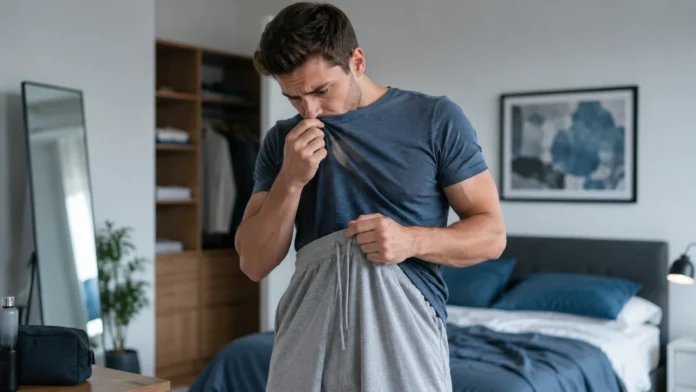

I Can Smell Myself Through My Pants: Possible Causes
Noticing an odor coming through your pants can feel embarrassing, distracting, and difficult to ignore, especially when you are unsure whether other people can smell it too. In many cases, the cause is relatively simple, such as sweat, tight clothing, trapped moisture, or wearing fabrics that hold odor. However, persistent odor can sometimes be linked to urine leakage, vaginal discharge, bacterial imbalance, fungal infections, skin conditions, or gastrointestinal issues. The type of smell, where it seems to come from, and whether you have other symptoms can provide useful clues. Understanding the possible causes is more helpful than repeatedly using perfumes or scented products to cover the odor. A persistent or unusual smell deserves attention rather than shame.
Odor around the groin is common because the area contains sweat glands, skin folds, hair, and limited airflow. Warmth and moisture create an environment where bacteria naturally living on the skin can break down sweat and produce noticeable smells. Tight pants, synthetic underwear, exercise, hot weather, and sitting for long periods can make this stronger. The odor may also seem more noticeable to you because you are physically closer to the source than anyone around you. Still, a sudden change in odor can sometimes signal infection or another health issue. Paying attention to associated itching, burning, discharge, pain, sores, urinary changes, or bowel symptoms can help determine when medical evaluation is appropriate.
The phrase “I can smell myself through my pants” can describe several different situations, so there is no single explanation that applies to everyone. Some people notice a sweaty or musky smell, while others describe fishy, sour, ammonia-like, musty, or fecal odors. Different odor patterns may suggest different causes, but smell alone cannot reliably diagnose a medical condition. Personal hygiene, hormones, diet, medications, health conditions, and even fabric type can influence how strong body odor becomes. The goal of this guide is to explain common possibilities in a practical and respectful way. It also covers when odor can be managed at home and when it is better to speak with a healthcare professional.
Why Can You Smell Yourself Through Your Pants?
One of the most common reasons you can smell yourself through clothing is trapped sweat. The groin contains apocrine and eccrine sweat glands that become more active with heat, exercise, stress, and hormonal changes. Sweat itself has relatively little odor, but bacteria on the skin break down sweat and skin oils into compounds that can smell stronger. Clothing traps those compounds close to the body, particularly when ventilation is poor. If pants or underwear remain damp for several hours, the smell may become more noticeable. This does not necessarily mean your hygiene is poor, because even clean skin can develop odor after sweating heavily.
Fabric type makes a major difference in how odor develops. Synthetic materials such as polyester can retain oils, bacteria, and sweat compounds more readily than some breathable natural fabrics. Tight leggings, athletic wear, compression garments, and fitted pants may also reduce airflow around the groin. When moisture cannot evaporate efficiently, skin remains warm and damp for longer periods. This can make normal body odor stronger and may increase the likelihood of skin irritation or fungal overgrowth. Changing out of sweaty clothing soon after exercise can help significantly. Breathable underwear and looser clothing may also reduce odor for people who notice the problem most often during hot weather or long workdays.
Body hair can also hold sweat and odor-producing bacteria close to the skin. This does not mean that removing pubic or body hair is necessary for cleanliness, because hair itself is normal and protective. However, people with dense hair may notice that odor lingers longer after sweating. Regular gentle washing can usually manage this without aggressive scrubbing or frequent hair removal. Overwashing can actually irritate the skin and disrupt the natural barrier, which may worsen discomfort and odor. Good hygiene means cleaning appropriately rather than trying to eliminate every natural smell. Human skin is not expected to remain completely odorless throughout the day.
Hormonal changes may increase sweating and alter body odor as well. Puberty, menstrual cycle changes, pregnancy, menopause, stress, and certain medical conditions can affect sweat production and skin chemistry. Some people notice that their body odor becomes stronger at particular points in the menstrual cycle or during periods of increased stress. Hormonal shifts can also influence vaginal discharge and pH, which may change how the genital area smells. These variations can be normal when there is no itching, pain, burning, or unusual discharge. A strong new odor that persists, however, is worth evaluating rather than assuming hormones are always responsible.
Personal perception is another factor to consider. Because you are constantly close to your own body, you may notice smells that others would not detect unless they were very close. Anxiety about odor can sometimes make people repeatedly check themselves and become increasingly aware of minor changes. At the same time, concerns should not automatically be dismissed as imagination, especially when there is a clear new or persistent smell. A practical approach is to look for physical changes, review hygiene and clothing habits, and consider whether the odor improves after bathing and changing clothes. If it returns quickly or is accompanied by symptoms, a medical cause becomes more likely.
Sweat and Body Odor Around the Groin
Sweating is a natural way for the body to regulate temperature, and the groin is particularly prone to moisture because of skin folds and limited airflow. People who exercise, work outdoors, wear heavy clothing, or live in hot climates may notice stronger groin odor by the end of the day. Stress can also increase sweating because the nervous system activates sweat glands during emotional tension. The resulting moisture allows bacteria to multiply more easily and produce a stronger smell. Washing once daily and after heavy sweating is usually sufficient for many people. The area should be dried thoroughly afterward because persistent dampness can encourage irritation and microbial growth.
Some people sweat more heavily than others even under similar conditions. Excessive sweating, known medically as hyperhidrosis, can affect the underarms, hands, feet, groin, or multiple body areas. People with hyperhidrosis may soak through clothing or notice odor returning shortly after bathing. Heat and exercise can make symptoms worse, but sweating may also occur without an obvious trigger. Treatment options vary depending on the affected area and severity. A healthcare professional can help determine whether excessive sweating is primary hyperhidrosis or a symptom of another condition such as thyroid disease, medication effects, hormonal changes, or infection.
Skin bacteria play a major role in body odor because different species produce different odor compounds. The balance of bacteria can change with sweating, friction, shaving, soaps, and skin conditions. Strong antibacterial products are not always helpful and can sometimes cause irritation or disrupt normal skin flora. Gentle cleansing with water and a mild unscented soap on external skin is generally safer than applying harsh deodorants or fragranced washes directly to sensitive genital tissue. Irritated skin may become more prone to secondary infection, which can increase odor rather than improve it. Keeping the area dry and reducing friction are often more effective than repeatedly using strong products.
Exercise clothing deserves particular attention when odor repeatedly returns despite bathing. Some synthetic garments retain odor-producing residues even after normal washing, especially when fabric softeners or excessive detergent trap oils in the fibers. Wearing freshly washed clothing that already has a lingering smell can make it seem as though the odor is coming immediately from your body. Washing workout clothes promptly and allowing them to dry completely can help. Rotating between several sets of underwear and exercise clothing also prevents repeated use before fabric is fully dry. If a garment continues to smell after washing, replacing it may sometimes be easier than trying increasingly aggressive cleaning methods.
Weight and skin folds can also influence groin odor because areas where skin touches skin are more likely to remain warm and damp. Friction may create irritation known as intertrigo, which can become uncomfortable and sometimes develop bacterial or fungal overgrowth. Redness, tenderness, itching, cracking, or a strong odor may occur when the skin barrier becomes damaged. Keeping folds dry and reducing friction can help prevent recurrence. People with persistent rashes or painful skin changes should seek medical advice rather than repeatedly applying random creams. The correct treatment depends on whether the problem is irritation, fungus, bacteria, or another skin condition.
Vaginal Odor and Changes in Discharge
For people with a vagina, some genital odor is completely normal because the vagina naturally contains bacteria that help maintain its environment. Normal vaginal scent can vary with the menstrual cycle, exercise, sex, sweating, and hormonal changes. A mild musky or slightly acidic smell does not automatically indicate infection. The concern is more significant when the odor becomes suddenly strong, fishy, foul, or noticeably different from your usual scent. Changes in discharge color, consistency, or amount can also provide useful clues. Vaginal odor should not be treated by aggressively washing inside the vagina, because douching can disrupt the natural bacterial balance and make problems worse.
Bacterial vaginosis is one possible cause of a noticeable fishy odor. It occurs when the balance of normal vaginal bacteria changes, allowing certain bacteria to become more dominant. Some people also notice thin grayish or white discharge, although symptoms can vary. The odor may become more noticeable after sex or around menstruation. Bacterial vaginosis is common and treatable, but it requires proper evaluation because other conditions can produce similar symptoms. Over-the-counter scented products do not correct the underlying bacterial imbalance. A clinician can confirm the diagnosis and recommend appropriate treatment when necessary.
Trichomoniasis, a sexually transmitted infection, can also produce an unusual genital odor in some people. Symptoms may include abnormal discharge, irritation, burning, or discomfort, although many people have mild symptoms or none at all. Because it is sexually transmitted, testing and treatment of sexual partners may be necessary to prevent reinfection. Other sexually transmitted infections can cause discharge or irritation as well, although odor is not always the main symptom. Anyone with a new sexual partner, unprotected sex, unusual discharge, pelvic discomfort, or persistent genital odor may benefit from STI testing. Symptoms alone cannot reliably identify which infection is present.
Yeast infections usually cause intense itching, irritation, redness, and thicker discharge rather than a strong fishy odor. Still, people sometimes describe a mild bread-like or sour scent when yeast is present. Because yeast infections and bacterial vaginosis can feel similar in the early stages, repeatedly using antifungal treatments without confirming the cause may delay proper care. Vaginal symptoms can also result from allergic reactions, hormonal changes, retained foreign objects, or skin conditions. A strong odor combined with fever, pelvic pain, or significant bleeding should be assessed promptly. Persistent symptoms deserve evaluation even if they seem mild.
Vaginal hygiene should focus primarily on the external vulvar area rather than trying to clean inside the vagina. The vagina is self-cleaning and normally removes fluids and cells through natural discharge. Warm water and a mild unscented cleanser on external skin are sufficient for most people. Fragranced sprays, deodorants, powders, and douches can irritate sensitive tissue and may disrupt the normal environment. Breathable underwear and changing out of damp clothing can also help reduce odor caused by external sweat. If a strong smell persists despite normal hygiene, it is better to investigate the cause than to keep adding scented products.
Urine Leakage and Ammonia-Like Odor
Urine can create a noticeable ammonia-like smell when even small amounts leak onto underwear or clothing. Mild urinary leakage is more common than many people realize and can occur with coughing, sneezing, laughing, exercise, lifting, or sudden urges to urinate. Some people experience only a few drops and may not notice visible wetness, yet the odor becomes stronger as urine dries. Stress urinary incontinence and urge incontinence have different causes, but both can affect daily comfort. Pelvic floor weakness, pregnancy, childbirth, menopause, prostate conditions, aging, and certain neurological problems can increase the likelihood of leakage.
Dehydration can make urine smell stronger because it becomes more concentrated. Dark yellow urine with a sharp ammonia-like odor may improve when fluid intake increases, assuming there is no medical reason to restrict fluids. Foods, vitamins, and medications can also change urine smell temporarily. Asparagus is a well-known example, but coffee, certain supplements, and some medications may alter urinary odor as well. Strong-smelling urine does not always mean infection. However, odor accompanied by burning, urgency, pelvic discomfort, fever, or cloudy urine deserves more attention. These symptoms may indicate a urinary tract infection or another urinary problem.
Urinary tract infections can sometimes cause urine to smell unusually strong or unpleasant. Other symptoms may include burning during urination, frequent urges, passing small amounts of urine, lower abdominal discomfort, or blood in the urine. Fever, back pain, nausea, or chills can indicate that infection may have spread toward the kidneys and requires prompt medical assessment. Some older adults or people with certain medical conditions may experience less typical symptoms. Anyone with persistent urinary odor plus discomfort should avoid relying only on cranberry products, supplements, or home remedies. Proper diagnosis can determine whether antibiotics or another treatment is needed.
Pelvic floor dysfunction may contribute to urinary leakage in some people. The pelvic floor muscles help support the bladder and participate in urinary control, but they can become weak, overactive, poorly coordinated, or affected by injury. Pregnancy, childbirth, pelvic surgery, aging, and chronic coughing can influence pelvic floor function. Pelvic floor exercises may help certain types of incontinence, but the right approach depends on the specific problem. Some people actually have overly tense muscles rather than simple weakness. A healthcare professional or pelvic floor physical therapist can assess symptoms and recommend appropriate exercises instead of relying on generic advice.
Managing urine-related odor usually begins with addressing leakage rather than simply masking the smell. Breathable absorbent liners designed for urinary leakage can be useful temporarily, but they should be changed regularly to protect the skin. Damp underwear should be replaced as soon as possible because prolonged contact with urine can cause irritation. Gentle cleansing and thorough drying can reduce odor and skin breakdown. Persistent leakage deserves medical attention because several treatments may improve bladder control. People should not assume that incontinence is an unavoidable part of aging or childbirth, even though both can increase risk.
Fungal, Bacterial and Skin Conditions
Fungal infections thrive in warm, damp areas, making the groin a common location for problems such as jock itch. This condition usually affects the skin folds of the upper thighs and groin and may cause redness, itching, scaling, or a spreading rash. Sweat and tight clothing can make symptoms worse. Although odor is not always the primary complaint, inflamed or moist skin can develop a noticeable musty smell. Athletes, people who sweat heavily, and individuals who remain in damp clothing for long periods may be more susceptible. Treatment depends on the location and severity, and persistent rashes should be evaluated if over-the-counter care does not help.
Bacterial skin infections can also cause strong odor, particularly when skin becomes irritated, broken, or chronically moist. Certain bacteria grow well in skin folds and may produce unpleasant or unusual smells. Redness, tenderness, warmth, drainage, sores, or swelling may occur when infection develops. These symptoms require more attention than ordinary body odor. Applying perfume or deodorant to infected skin can increase irritation without treating bacteria. A healthcare professional may recommend topical or oral treatment depending on the specific condition. People with diabetes or weakened immune systems should seek care sooner for persistent skin infections because complications can develop more easily.
Intertrigo is inflammation that occurs where skin rubs against skin, commonly in the groin, under the breasts, or beneath abdominal folds. Heat, moisture, friction, and poor ventilation contribute to the problem. The area may become red, sore, itchy, cracked, or moist and can develop a strong odor if bacteria or yeast grow secondarily. Keeping the area dry and reducing friction are central parts of management. Powders or barrier products may help in some situations, but treatment depends on the skin condition and whether infection is present. Persistent intertrigo can recur unless contributing moisture and friction are addressed.
Hidradenitis suppurativa is a less common but important skin condition that can affect the groin and other areas containing sweat glands. It causes recurring painful lumps, abscesses, tunnels beneath the skin, and drainage that may have a noticeable odor. The condition is not caused by poor hygiene, and aggressive scrubbing does not prevent it. People sometimes delay seeking care because they feel embarrassed about the location or smell. Early medical treatment can help manage inflammation and reduce complications. Repeated painful boils or draining lumps in the groin should be evaluated rather than assumed to be ordinary ingrown hairs.
Skin conditions can also be worsened by shaving, friction, scented products, and tight clothing. Razor irritation and ingrown hairs may create small breaks in the skin where bacteria can grow. Repeatedly applying alcohol, perfume, or strong antiseptics can further damage the skin barrier. If odor occurs together with redness or irritation, simplifying the skincare routine may help while the cause is investigated. Clean, dry skin and loose breathable clothing often provide a better healing environment. Any worsening rash, fever, spreading redness, pus, or severe pain should prompt medical assessment.
Anal, Bowel and Digestive Causes
Sometimes the odor a person notices through clothing comes from the anal area rather than the groin or urinary tract. Small traces of stool can remain on the skin after bowel movements, particularly when stools are loose, sticky, or difficult to clean. Hemorrhoids, excess skin folds, mobility limitations, and diarrhea can make hygiene more difficult. Moisture around the anus can also trap odor and irritate the skin. Gentle cleaning with water and unscented products may help, while aggressive wiping can create soreness. Persistent fecal odor despite careful hygiene may suggest another issue that deserves evaluation.
Bowel leakage, also called fecal incontinence, can range from occasional staining to more obvious loss of stool. Causes may include diarrhea, constipation with overflow, muscle injury, pelvic floor disorders, nerve problems, inflammatory bowel disease, or previous surgery. Some people experience only minor leakage and notice odor before recognizing the underlying problem. This can be particularly distressing, but effective treatments are available depending on the cause. A medical evaluation may include discussion of bowel habits, medications, diet, pelvic floor function, and gastrointestinal symptoms. People should not avoid seeking help because of embarrassment.
Chronic diarrhea can make odor more noticeable because frequent loose stools are harder to contain and clean completely. Food intolerances, infections, medications, irritable bowel syndrome, inflammatory bowel conditions, and other digestive problems may contribute. Diarrhea lasting more than a few days, especially when accompanied by blood, fever, dehydration, weight loss, or severe pain, should be medically assessed. Replacing lost fluids and maintaining hygiene can help temporarily, but ongoing symptoms require attention to the underlying cause. Strong odor alone is less important than the overall bowel pattern and associated symptoms.
Constipation can sometimes contribute indirectly to leakage or odor. Hard stool may become stuck in the rectum while softer stool leaks around it, creating staining and unpleasant smell. This is sometimes called overflow incontinence and may occur more often in older adults or people with chronic constipation. Abdominal discomfort, bloating, infrequent bowel movements, and a sense of incomplete emptying may accompany the problem. Increasing fiber or fluids can help some people, but severe or persistent constipation should be evaluated before repeatedly using laxatives. Treatment depends on the cause and individual health status.
Anal odor can also arise from skin irritation, infections, draining abscesses, or fistulas. Persistent pain, swelling, pus, blood, fever, or a recurring sore near the anus should not be managed solely with hygiene products. These symptoms may require medical examination and targeted treatment. Similarly, unexplained rectal bleeding should be evaluated, particularly when it is recurrent or accompanied by bowel changes. Odor may be the symptom that draws attention to the area, but the underlying condition is more important. Prompt assessment can prevent minor problems from becoming more complicated.
Diet, Medications and Lifestyle Factors
Food can influence body odor because certain compounds are released through sweat, urine, or breath after digestion. Garlic, onions, strong spices, alcohol, and some cruciferous vegetables can change the way sweat smells temporarily. These effects vary widely from person to person depending on metabolism and gut bacteria. A strong odor that appears shortly after eating certain foods and disappears when those foods are avoided may be harmless. Keeping a brief food and symptom diary can help identify patterns. Extreme dietary restrictions are rarely necessary unless a clear relationship is present.
High-protein diets can sometimes alter urine or body odor, particularly when carbohydrate intake is very low. Ketogenic diets may produce ketones, which can create a distinctive smell in breath and occasionally sweat or urine. Dehydration associated with intense dieting can also concentrate urine and make odor stronger. People making major dietary changes should ensure they are eating enough overall and maintaining appropriate hydration. Sudden unexplained odor changes accompanied by weight loss, excessive thirst, or frequent urination should not automatically be blamed on diet. These symptoms may require medical evaluation.
Certain medications and supplements can affect sweating or body scent. Antidepressants, hormone treatments, stimulants, some pain medicines, and other drugs may increase sweating in certain people. Vitamins and supplements can also change urine color or smell. If odor begins soon after starting a new medication, reviewing the side-effect information may provide clues. However, prescription medicines should not be stopped suddenly without medical advice. A clinician or pharmacist can determine whether an alternative medication or dose adjustment is appropriate.
Smoking and alcohol can affect body odor as well. Tobacco smoke sticks to hair, skin, and clothing, which may combine with natural sweat smells and become more noticeable throughout the day. Alcohol can alter sweating, hydration, and the scent of perspiration as the body metabolizes it. Heavy drinking can also contribute to digestive symptoms and poor sleep, both of which may indirectly influence hygiene and odor. Reducing these exposures may improve several aspects of health beyond body smell. Persistent odor despite changing lifestyle habits should still be evaluated if symptoms suggest another cause.
Stress can increase sweating and make odor more noticeable because emotional sweating is often produced by apocrine glands concentrated in areas such as the armpits and groin. Anxiety may also make someone more aware of body smells and more likely to check repeatedly. Stress management, breathable clothing, and regular hygiene can help when sweating is the primary issue. However, concerns should not automatically be labeled as anxiety if there is a clear physical odor and associated symptoms. Both physical and psychological factors can exist at the same time. A balanced approach avoids dismissing either possibility.
What You Can Do at Home to Reduce Odor
Begin with simple hygiene rather than harsh products. Wash the external groin area daily and after heavy sweating using warm water and a gentle, unscented cleanser if needed. Dry the area thoroughly because moisture encourages bacterial and fungal growth. Avoid douching, fragranced sprays, strong antiseptics, and perfumed wipes on sensitive genital tissue. These products can irritate skin and alter the normal bacterial environment. If you exercise or sweat heavily, changing clothes soon afterward can make a significant difference. Simple consistency is usually more helpful than aggressive cleaning.
Choose underwear that allows airflow and does not stay damp for long periods. Breathable cotton or moisture-managing fabrics may be more comfortable depending on activity and climate. Tight pants can trap sweat and increase friction, particularly when worn for many consecutive hours. If odor is worse during workouts, carry a clean pair of underwear and change after exercising. Washing clothes thoroughly and drying them completely helps prevent old odor from being reactivated by new sweat. Replacing garments that permanently retain smell may also help.
Hydration can reduce strong urine odor when dehydration is the cause. Pale yellow urine is often a sign of adequate hydration, although needs vary by person, activity, weather, and health conditions. People with kidney, heart, or other medical problems may have specific fluid recommendations and should follow professional guidance. Regular bathroom breaks can also reduce the chance of urine leakage from an overly full bladder. If leakage occurs repeatedly, absorbent products designed for urinary incontinence may protect clothing while the underlying issue is evaluated. They should be changed regularly to prevent skin irritation.
For bowel-related odor, careful cleaning after bowel movements and maintaining regular bowel habits can help. Fiber, fluids, and physical activity support bowel regularity for many people, but persistent diarrhea or constipation deserves medical attention. Unscented wipes may be useful for some individuals, although products containing alcohol or fragrance can irritate the anal area. Water-based cleansing is often gentler when irritation is already present. Any ongoing leakage should be discussed with a clinician rather than managed indefinitely with hygiene alone. Treatments are available for many causes of bowel incontinence.
Finally, avoid trying to mask strong odor with perfume or excessive deodorant. Fragrance may temporarily cover the smell but does not treat infection, leakage, or skin disease. It may also create a stronger combined odor or trigger irritation. If basic hygiene, clean clothing, and moisture control do not improve the problem within a reasonable period, consider medical evaluation. Keeping notes about the smell, associated symptoms, timing, discharge, urinary changes, or bowel problems can make that appointment more useful. The goal is to identify and correct the cause rather than simply hide the symptom.
When Should You See a Doctor?
A persistent odor that is new, strong, or noticeably different from your normal body scent is worth discussing with a healthcare professional when simple hygiene measures do not help. This is especially true when the smell returns quickly after bathing and changing into clean clothes. A clinician can help determine whether the source is sweat, skin, vaginal discharge, urine, or bowel leakage. Different causes require different treatments, so identifying the source is an important first step. You do not need to wait until symptoms become severe. Early evaluation can often identify manageable conditions before they become more uncomfortable.
Seek medical attention for vaginal odor accompanied by unusual discharge, itching, burning, pelvic pain, bleeding, or pain with urination. These symptoms may suggest bacterial vaginosis, an STI, yeast overgrowth, or another gynecological issue. Persistent fishy or foul odor should not be treated repeatedly with scented products. Vaginal symptoms are common and healthcare professionals deal with them routinely. Testing can determine whether infection is present and what treatment is appropriate. Treating the correct condition is usually faster and safer than experimenting with multiple over-the-counter products.
Urinary symptoms also deserve evaluation when odor occurs with burning, urgency, frequent urination, cloudy urine, blood, fever, or back pain. These may indicate a urinary tract infection or another urinary problem. Recurrent leakage should also be discussed, even when it is mild. Pelvic floor therapy, bladder training, medication, lifestyle changes, or other treatments may help depending on the cause. People with fever, severe pain, vomiting, or signs of kidney infection should seek care promptly. Urinary odor alone is usually less concerning than odor combined with additional symptoms.
Skin symptoms such as painful lumps, draining sores, spreading redness, severe itching, or persistent rash should not be ignored. These signs may indicate fungal infection, bacterial infection, intertrigo, hidradenitis suppurativa, or another skin condition. People with diabetes or reduced immunity should be particularly cautious because infections can worsen more quickly. A clinician can examine the skin and determine whether antifungal, antibacterial, anti-inflammatory, or other treatment is needed. Randomly applying several creams can sometimes make diagnosis more difficult. Early treatment may also reduce recurrence and odor.
Bowel leakage, blood in the stool, severe constipation, persistent diarrhea, rectal pain, or drainage around the anus also warrants medical evaluation. These symptoms may involve gastrointestinal, pelvic floor, or anorectal conditions that cannot be corrected through hygiene alone. Sudden severe abdominal pain, heavy bleeding, fainting, fever, or rapidly worsening symptoms require more urgent care. Most causes of noticeable odor are treatable and many are not serious. The important point is to seek help when the pattern changes, persists, or begins affecting daily life.
Conclusion
Being able to smell yourself through your pants can happen for many reasons, ranging from ordinary sweat to conditions involving the skin, urinary tract, vagina, or bowel. Heat, exercise, synthetic clothing, trapped moisture, and normal bacteria are among the most common explanations. In these cases, bathing regularly, drying the area well, wearing breathable clothing, and changing out of damp garments may significantly improve the problem. Human bodies naturally produce odor, and having some scent does not mean someone is dirty. The concern becomes greater when the smell is unusually strong, persistent, or accompanied by other symptoms.
For people with vaginal odor, changes in discharge, itching, or irritation can provide important clues. Bacterial vaginosis and sexually transmitted infections are among the conditions that can cause a noticeable change in smell, while yeast infections typically cause more itching and irritation. Douching and scented genital products are not recommended because they can disrupt the normal vaginal environment. Gentle external hygiene is usually safer. When symptoms continue, medical testing can identify the cause more accurately than smell alone. Appropriate treatment can often resolve the issue quickly.
Urine leakage is another commonly overlooked source of odor. Even a small amount of dried urine can create a strong ammonia-like smell in underwear or pants. Dehydration may make urine more concentrated, while urinary tract infections can cause additional urinary symptoms. Pelvic floor problems, pregnancy, childbirth, aging, and prostate conditions may contribute to leakage. Persistent incontinence should not be accepted automatically as something you have to live with. Several treatment approaches can improve bladder control depending on the underlying cause.
Skin and bowel conditions can also create noticeable odors. Fungal infections, bacterial overgrowth, intertrigo, hidradenitis suppurativa, diarrhea, constipation, or fecal leakage may all contribute in certain situations. These problems often produce additional signs such as rash, itching, pain, drainage, or changes in bowel habits. Treating only the smell will not correct the underlying condition. Paying attention to associated symptoms can help determine which type of healthcare professional is most appropriate. Many of these issues are common and can be managed effectively once diagnosed.
If you can smell yourself through your pants despite regular hygiene and clean clothing, focus on finding the source rather than feeling embarrassed. Note when the odor occurs, what it smells like, and whether there are urinary, vaginal, skin, or bowel symptoms. Seek medical advice if the problem persists, suddenly worsens, or is accompanied by pain, bleeding, fever, discharge, sores, or urinary difficulty. Strong body odor is often manageable and sometimes completely normal, but persistent changes deserve evaluation. Understanding the cause is the most reliable way to restore comfort and confidence.
Frequently Asked Questions
Why can I smell myself through my pants even after showering?
The odor may return quickly if the cause is heavy sweating, urine leakage, vaginal discharge, skin infection, or clothing that retains odor. If it happens repeatedly despite clean skin and fresh clothes, consider discussing the problem with a healthcare professional.
Does a fishy smell through my pants mean I have an infection?
A strong fishy vaginal odor can occur with bacterial vaginosis and some sexually transmitted infections, but smell alone cannot confirm the cause. Testing is recommended when the odor persists or occurs with unusual discharge, irritation, or pelvic symptoms.
Why does my groin smell like ammonia?
An ammonia-like smell can come from concentrated urine, dehydration, or small amounts of urinary leakage. Persistent urinary odor with burning, frequency, fever, cloudy urine, or pain should be medically evaluated.
Can sweating cause strong odor through clothing?
Yes. Sweat trapped in warm, poorly ventilated areas allows skin bacteria to produce stronger odors, particularly when tight or synthetic clothing is worn. Changing damp clothing and choosing breathable fabrics can often help.
When should I worry about genital or groin odor?
Seek medical advice when odor is new, persistent, very strong, or accompanied by unusual discharge, itching, pain, sores, bleeding, urinary symptoms, or bowel leakage. Sudden severe pain, heavy bleeding, fever, or rapidly worsening symptoms require more urgent attention.