
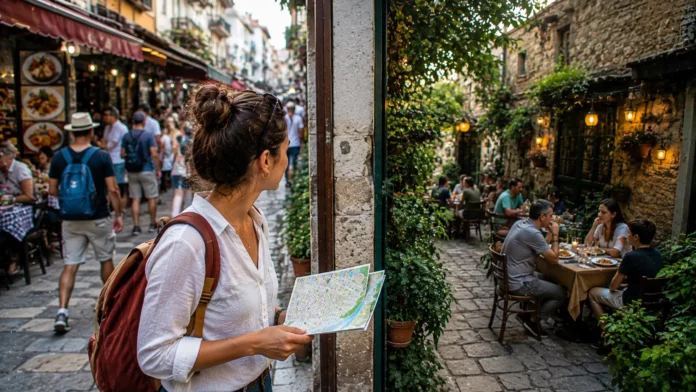

How to Avoid Tourist Trap Restaurants
Eating well can become one of the best parts of any trip, but finding the right restaurant is not always easy in heavily visited destinations. Around famous landmarks, transport hubs, beaches, and historic squares, restaurants often compete aggressively for travelers who may never return. Some serve excellent food, while others rely mainly on location, convenience, and high foot traffic rather than strong local reputation.
A tourist trap restaurant is usually not defined by the presence of tourists alone. Popular restaurants can still be authentic, well-run, and respected by locals. The real concern is whether a place depends so heavily on one-time visitors that it has little incentive to provide strong value, regional character, consistent quality, or transparent pricing. Learning to recognize these patterns can save money and improve your overall travel experience.
Modern travelers face an additional challenge because online popularity can blur the difference between genuinely good food and restaurants built around visibility. Viral videos, heavily promoted listings, polished photos, and high-volume review pages may attract attention without telling you whether the restaurant is actually worth your time. That makes observation, local knowledge, and thoughtful comparison more important than ever.
Understanding how to avoid tourist trap restaurants does not require becoming suspicious of every place near a landmark. Instead, it means learning to evaluate location, menu design, customer mix, pricing, service style, reviews, and local demand together. The following strategies can help you find more authentic restaurants, avoid disappointing meals, and spend your food budget where it creates better memories.
What Is a Tourist Trap Restaurant?
A tourist trap restaurant is generally a dining establishment that relies heavily on visitors rather than repeat local customers and often charges more than the quality or experience justifies. These restaurants frequently benefit from high-traffic locations where travelers make quick decisions without comparing alternatives.
The term does not mean every restaurant in a tourist area is poor. Some excellent restaurants operate beside major attractions and remain popular with both residents and visitors. The problem begins when location and aggressive marketing become more important than food quality, service, transparency, or regional identity.
Tourist traps often design their experience around convenience. Menus may be highly visual, broadly international, heavily translated, and filled with familiar dishes intended to reduce uncertainty for travelers. None of these features are automatically bad, but several of them together can suggest that the business is targeting visitors first.
The strongest way to identify a tourist trap is therefore to look at the whole picture. Consider whether locals eat there, whether prices make sense, whether the menu feels coherent, whether reviews mention hidden charges, and whether the restaurant depends on aggressive tactics to bring people inside.
Why Tourist Trap Restaurants Are So Common
Popular destinations create ideal conditions for tourist-focused restaurants because thousands of new customers arrive every day. A business located beside a famous attraction may never need to earn repeat visits if there is always another group of travelers walking past.
High rents also influence the situation. Restaurants in central squares, waterfront promenades, and famous historic areas often pay more for location, and those costs can appear in menu prices. Travelers may end up paying primarily for the view or convenience rather than the food itself.
Limited time also makes visitors vulnerable to poor choices. After hours of sightseeing, people often choose the nearest restaurant because they are tired, hungry, or unfamiliar with the neighborhood. Businesses positioned in these areas understand that convenience can override careful decision-making.
Language barriers create another advantage for tourist-focused establishments. A restaurant with large photographs, multilingual menus, and employees actively guiding customers inside can feel easier than navigating a small local place. Convenience can be useful, but travelers should recognize when it comes at the expense of value or authenticity.
Be Careful Around Major Attractions
Restaurants located directly beside famous monuments, museums, beaches, and historic squares deserve extra scrutiny because they benefit from constant tourist traffic.
These locations can be convenient, especially when you have limited time, but convenience often comes with higher prices. In some cases, the quality remains strong; in others, the restaurant relies primarily on its location.
Walk a few streets away before deciding. Even five or ten minutes can dramatically change the type of restaurants you find, especially in dense historic cities.
Compare menus, customers, prices, and atmosphere as you move farther from the attraction. The contrast can reveal whether the closest options are charging a significant premium mainly because of their location.
Watch for Aggressive Restaurant Promoters
Employees standing outside and actively persuading travelers to enter are common in heavily visited areas.
Aggressive promotion does not automatically mean the food is poor, but it can suggest that the restaurant relies heavily on attracting one-time customers.
Restaurants with strong neighborhood reputations often do not need to pressure pedestrians because regular demand already fills tables.
If someone is pushing you to sit down immediately, take a moment to review the menu and prices first. A good restaurant should give you enough space to make an informed decision.
Be Suspicious of Huge Menus
An extremely large menu covering many unrelated cuisines can be a warning sign.
A restaurant serving sushi, pizza, burgers, curry, seafood, pasta, steak, and local specialties all at once may struggle to prepare everything equally well.
Focused restaurants usually have a clearer culinary identity and may manage ingredients more efficiently.
There are exceptions because some cuisines traditionally include extensive menus. Still, when a restaurant appears to offer every famous food travelers might recognize, it is worth comparing alternatives.
Look for Menus Built Around Local Food
A strong local restaurant usually has dishes that make sense for the region.
Seafood in coastal towns, regional pasta in Italy, local stews in rural areas, or traditional grilled dishes in specific communities can all indicate a stronger connection to place.
If the menu contains mostly generic international dishes with only a token local section, the restaurant may be prioritizing tourist familiarity.
Ask what the restaurant is known for. A confident answer connected to regional ingredients or a house specialty can be a positive sign.
Compare Prices Before Sitting Down
Tourist traps often rely on customers who sit down before checking the full menu.
Always look at prices first, especially around famous squares, waterfronts, and major attractions.
Compare the cost of a few common items with restaurants several streets away. Large differences can reveal how much you are paying for location.
Also check whether service charges, bread, water, terrace fees, or other extras are clearly stated. Transparent pricing is a strong sign of a more trustworthy dining experience.
Read the Fine Print on Menus
Unexpected charges can turn an average meal into an expensive mistake.
Look for notes about service fees, minimum orders, cover charges, bread charges, seating fees, or mandatory gratuities.
Some destinations have normal local customs around these charges, so the presence of a fee is not automatically suspicious.
The concern is whether costs are hidden or explained poorly. Transparent restaurants should make important charges reasonably clear before you order.
Avoid Judging by Food Photos Alone
Large menu photographs can be useful when you do not speak the language, but they should not be your main quality signal.
Highly polished images may create expectations that the actual dish cannot match.
In some destinations, photo menus are completely normal even in local restaurants, so context matters.
Look beyond the pictures and pay attention to ingredient descriptions, menu focus, customer mix, and local reputation.
Notice Who Is Actually Eating There
Customer mix can reveal a great deal about a restaurant.
If every table is filled exclusively with visitors carrying maps and cameras while nearby restaurants are full of residents, that difference may be meaningful.
Local customers provide repeat business, which usually encourages consistent food and fair value.
Still, do not treat the presence of tourists as proof of a problem. Some excellent restaurants become famous and naturally attract international visitors.
Learn Local Meal Times
A restaurant may look empty simply because you are eating at the wrong time.
In some places, dinner begins much later than travelers expect, while lunch may be the most important meal of the day.
Researching local meal times prevents you from incorrectly assuming that a quiet restaurant is unpopular.
It also helps you see which restaurants genuinely attract residents during peak hours rather than judging based on off-peak activity.
Walk Into Residential Neighborhoods
Residential areas are often better places to find authentic restaurants because businesses depend more heavily on repeat customers.
Neighborhood restaurants usually need to provide enough quality and value for local people to return regularly.
You may also find simpler menus, lower prices, and more relaxed service away from major tourism corridors.
Walking beyond the central attraction zone can therefore improve both the food experience and your understanding of everyday local life.
Eat Where Local Workers Eat
Restaurants near offices, markets, universities, workshops, and transport areas often serve people who need reliable meals regularly.
A busy weekday lunch crowd can be a strong signal of value.
Worker-focused places may not have stylish interiors, elaborate service, or extensive English-language information.
Their strength is often efficiency, affordability, and consistent everyday food rather than an experience designed primarily for visitors.
Search for Specific Local Dishes
Searching for one regional dish often produces better restaurant options than searching broadly for “best local restaurant.”
Specialist establishments may not appear prominently in tourist rankings but can have strong reputations around a particular food.
This method also helps you understand which neighborhoods are known for certain dishes.
Food-focused searches can therefore lead you toward restaurants built around expertise rather than general tourist appeal.
Search in the Local Language
English-language search results often prioritize businesses popular with international travelers.
Translating phrases such as “best local lunch,” “traditional restaurant,” or the name of a specific dish can uncover different results.
Local blogs, community discussions, and resident reviews may reveal restaurants that international platforms overlook.
Translation tools make this approach easier even if you do not speak the language.
Ask Locals Better Questions
Asking “Where should I eat?” can produce generic tourist recommendations.
Instead, ask where the person eats with family, where they go for lunch, or where they would take a visiting friend.
Specific questions encourage more personal answers.
Taxi drivers, shopkeepers, market vendors, guides, café workers, and hotel staff can all provide useful recommendations when you explain what kind of food and budget you want.
Compare Several Local Recommendations
One recommendation can reflect individual taste.
If several unrelated people mention the same restaurant, that repetition is more meaningful.
Ask people in different situations so you are not relying on one social circle or one hotel relationship.
Repeated local recommendations can help you identify restaurants with genuine neighborhood reputations.
Be Careful With Hotel Recommendations
Hotel staff can provide excellent advice, especially when they genuinely understand local dining.
However, some hotels maintain commercial relationships with particular restaurants or suggest places that are easy for tourists to navigate.
Ask where the staff member personally eats rather than simply requesting their standard guest recommendation.
The wording of the question can reveal much more interesting options.
Use Food Markets as a Research Tool
Local markets can show you which ingredients, dishes, and vendors matter to the region.
Seeing what residents buy can make authentic restaurant menus easier to recognize later.
Market vendors may also know nearby places that prepare particular foods well.
Visiting a market early in your trip can therefore improve your restaurant choices for several days afterward.
Ask Market Vendors for Lunch Recommendations
People who work with food every day often know where to eat nearby.
Ask where vendors personally go when they finish work or take a lunch break.
Their recommendations can lead to casual restaurants with strong local connections.
If several vendors independently suggest the same place, it is usually worth checking.
Look for Specialized Restaurants
Restaurants that focus on one dish or one category of food often develop strong expertise.
Examples include noodle shops, dumpling houses, seafood restaurants, grills, bakeries, soup counters, or regional specialty restaurants.
Specialization can also support fresher ingredients because the kitchen uses the same core products frequently.
When you find this kind of place, order what it is known for rather than choosing something unrelated.
Check for Daily Specials
Daily specials can indicate that the kitchen works with fresh ingredients or local habits rather than relying entirely on a fixed tourist menu.
These dishes may be written on a board or communicated verbally.
Ask what is good today.
A changing special can sometimes provide a better representation of everyday local cooking than the most famous dish on the printed menu.
Look for Seasonal Food
Authentic food culture often changes with the season.
A restaurant that highlights seasonal vegetables, seafood, fruit, mushrooms, or regional harvest products may have a stronger connection to local ingredients.
Ask what is especially good during your visit.
Seasonal dishes can make the meal feel more connected to the exact place and time of your trip.
Pay Attention to Restaurant Hours
Restaurants that follow local meal schedules can feel very different from places designed to serve tourists continuously all day.
A business open from early morning until very late at night with the same menu may be targeting constant visitor traffic.
That does not make it automatically bad, but it is worth comparing with restaurants operating around local dining rhythms.
Opening hours are useful only when interpreted alongside other signs.
Notice Whether the Restaurant Has Local Regulars
Regular customers often interact differently with staff.
You may notice people being greeted by name, ordering without menus, or speaking comfortably with employees.
These small signs suggest that the restaurant serves a community rather than relying only on passing visitors.
Repeat business is one of the strongest incentives for maintaining consistency.
Read Recent Reviews, Not Just Ratings
A high score alone does not tell you why people like a restaurant.
Read recent reviews and look for repeated comments about food quality, pricing, hidden fees, customer service, and whether the experience matches the menu.
Older reviews may no longer reflect current ownership or kitchen standards.
Detailed comments are generally more useful than short statements saying only “amazing” or “terrible.”
Pay Attention to Review Patterns
A restaurant with many extremely similar reviews may deserve additional scrutiny.
Look for natural variation in language, specific dish names, and realistic descriptions of the experience.
Repeated complaints about surprise charges, pressure to order, or poor value are particularly important.
No restaurant satisfies everyone, so focus on patterns rather than individual negative reviews.
Look for Reviews From Local Customers
Reviews from residents can provide a different perspective from those written by short-term visitors.
Locals may comment more on consistency, value, service changes, and whether the restaurant remains worth returning to.
International travelers may focus more on convenience, language support, or proximity to attractions.
Both perspectives are useful, but local reviews can help you understand whether the restaurant has genuine repeat demand.
Do Not Trust Social Media Hype Automatically
A restaurant can become famous because one dish looks dramatic on video.
Long cheese pulls, oversized desserts, unusual presentation, or spectacular views may generate online attention without saying much about flavor.
Use social media for discovery, then investigate the restaurant independently.
Check whether local people actually recommend it and whether recent reviews discuss food quality rather than only appearance.
Avoid Choosing Only Based on a View
Restaurants with landmark, beach, or waterfront views often charge a premium.
That premium may be completely worthwhile if the setting matters to you.
The mistake is assuming that a beautiful view guarantees excellent food.
Decide whether you are paying for the meal, the atmosphere, or both, and choose consciously rather than being surprised afterward.
Look for Transparent Pricing
Trustworthy restaurants should make it reasonably easy to understand what you will pay.
Prices should be clearly displayed, and major additional charges should not appear unexpectedly at the end.
If staff refuse to explain pricing or the menu lacks essential information, consider another option.
Transparency is especially important in areas known for heavy tourist traffic.
Be Cautious With “Market Price”
Market pricing can be completely legitimate for seafood and other products whose cost changes frequently.
The problem occurs when travelers order without asking for the actual price.
Always confirm the cost before ordering expensive items sold by weight or market value.
This simple step can prevent surprisingly large bills.
Confirm Prices for Seafood by Weight
Seafood restaurants may price fish, crab, lobster, or shellfish by weight rather than per plate.
Ask how the weight will be calculated and what the approximate total will be before the food is prepared.
Clarify whether the displayed price is per 100 grams, kilogram, pound, or item.
Understanding the unit is essential because misunderstandings can become expensive quickly.
Watch Out for Unrequested Extras
Bread, bottled water, appetizers, olives, or snacks may appear on the table automatically.
In some cultures, these are complimentary; in others, they are charged.
Ask politely if you are unsure.
Knowing the local custom prevents frustration and helps distinguish normal practice from misleading billing.
Understand Local Service Charges
Service fees and tipping customs vary significantly.
A charge that feels unusual at home may be completely standard in the destination.
Research common local practices before assuming that every additional fee is dishonest.
The real warning sign is when charges are hidden, inconsistent, or unexplained.
Do Not Assume English Menus Mean Tourist Trap
Many excellent restaurants provide English menus because international visitors are common.
Translation can improve accessibility without reducing authenticity.
Evaluate the actual food, regional focus, customer mix, and local reputation.
A translated menu is far less important than whether the restaurant still serves food that makes sense for the destination.
Do Not Assume Handwritten Menus Mean Authenticity
Travelers often romanticize handwritten menus as proof of local character.
A chalkboard can indicate daily specials, but it can also simply be a design choice.
Likewise, a printed menu does not make a restaurant less authentic.
Use deeper signals such as local demand, regional dishes, ingredient quality, and transparency rather than superficial aesthetics.
Avoid Restaurants Trying to Serve Every Tourist Taste
Menus designed to satisfy every possible nationality may indicate a broad tourist focus.
If the same restaurant promises burgers, pasta, curry, seafood, local dishes, pizza, and breakfast all day, ask yourself how much attention each category receives.
A more focused identity often indicates greater culinary confidence.
Still, consider local context because some urban restaurants genuinely specialize in varied international food.
Notice Whether Local Dishes Are Simplified Too Much
Tourist-focused restaurants sometimes reduce spice, acidity, texture, or unusual ingredients because they assume visitors prefer familiar flavors.
This can make regional dishes taste very different from what local residents eat.
If you want a more authentic experience, ask whether the dish can be prepared in the usual local style.
Be respectful and understand that regional variation also exists, so difference alone does not prove that food has been modified.
Look for Ingredient Quality
Simple dishes depend heavily on ingredient quality.
Fresh herbs, seasonal vegetables, good bread, properly prepared seafood, and well-cooked staple ingredients can reveal more than elaborate presentation.
Watch what arrives at nearby tables.
If food looks mass-produced, tired, or inconsistent, consider whether another restaurant may provide better value.
Observe the Kitchen When Possible
Open kitchens and visible preparation areas can provide useful information.
You can see whether food is actively being cooked, how ingredients are handled, and whether the kitchen appears organized.
Visible preparation is not essential, but it can provide reassurance in casual restaurants and street-food settings.
Use practical judgment rather than expecting every local kitchen to look like a luxury hotel.
Smell the Food, Not Just the Marketing
Restaurants built around fresh cooking often have recognizable aromas coming from grills, ovens, frying pans, or spices.
A place heavily advertising food while producing little evidence of active cooking may deserve a second look.
Smell is not a scientific test, but it can provide useful sensory information.
Combine it with customer turnover, menu focus, and visible preparation.
Check How Fast Tables Turn Over
Steady table turnover during peak hours can suggest strong demand.
Restaurants with local customers moving through lunch or dinner regularly often need consistent operations.
However, extremely rapid turnover in a place built entirely around tourist groups can mean something different.
Context matters, so compare activity with nearby restaurants and local meal habits.
Look for Long-Term Local Reputation
Restaurants that have served the same neighborhood for many years often have stronger incentives to maintain standards.
Longevity can indicate that the business has built customer loyalty.
Still, history alone does not guarantee current quality.
Combine long-term reputation with recent reviews and present-day local demand.
Do Not Confuse Old-Fashioned Décor With Authenticity
Rustic furniture, traditional costumes, old photos, and folk decorations can create atmosphere.
They may also be used strategically to communicate an image of authenticity to visitors.
The food itself matters more than the décor.
Ask whether the menu, ingredients, customers, and cooking style genuinely connect with the local culinary tradition.
Be Open to Modern Local Restaurants
A contemporary restaurant can be just as authentic as a traditional family-run place.
Local chefs often reinterpret regional ingredients and techniques in ways that reflect how food culture is evolving.
Avoid assuming that modern design automatically means tourist-focused.
Authenticity is about connection to place and community, not whether the furniture looks old.
Follow Local Food Creators
Local food writers, chefs, and creators often know which restaurants are currently strong.
Their recommendations can help you avoid outdated travel lists.
Look for people who explain why they like a place rather than accounts built mainly around sponsorships or dramatic photography.
Comparing several local voices gives you a more balanced picture.
Check Local Newspaper or Magazine Food Coverage
Local publications may review restaurants for residents rather than visitors.
This can surface neighborhood establishments that do not appear in international travel guides.
Articles may also provide useful context about chefs, ingredients, opening history, and regional specialties.
Food coverage written for locals can be particularly helpful in large cities with many dining options.
Use Maps Strategically
Map tools are useful when you search by neighborhood and dish rather than simply choosing the restaurant with the highest rating near you.
Zoom slightly away from major attractions and examine areas where local businesses cluster.
Look at recent photos, opening hours, menu information, and review patterns.
Mapping several options before you become hungry can prevent rushed decisions later.
Save Several Options in Each Neighborhood
Keeping a short list of possible restaurants gives you flexibility.
If one place is closed, full, or looks different from what you expected, you can move to another without starting research from scratch.
This works particularly well in food neighborhoods where many options are within walking distance.
Backup choices reduce the temptation to settle for the nearest tourist-focused restaurant.
Do Not Wait Until You Are Extremely Hungry
Hunger makes almost everyone less selective.
If you wait until you are exhausted and starving, the closest available restaurant can become irresistible regardless of quality.
Research one or two possible options before sightseeing.
This simple habit makes it much easier to walk a few additional minutes when the first restaurant looks questionable.
Check Menus Before You Travel Across Town
A famous recommendation may not suit your budget, dietary needs, or preferences.
Looking at the menu in advance prevents unnecessary travel.
Check whether the restaurant serves the regional dishes you actually want to try.
This is especially useful when a restaurant is popular mainly because of one item that may not interest you.
Learn a Few Local Food Words
Basic food vocabulary can help you use smaller local restaurants confidently.
Learn words for meat, fish, vegetarian dishes, common cooking methods, spice levels, and major allergens.
This reduces dependence on restaurants designed specifically for international visitors.
Even a few phrases can open up far more dining options.
Use Translation Apps Without Depending on Them Completely
Menu translation tools can make local dining much easier.
They are useful for identifying common ingredients and understanding basic descriptions.
Automatic translation can still make mistakes, particularly with regional dish names or allergens.
For serious dietary needs, confirm directly with staff rather than relying only on an app.
Take a Food Tour Early in the Trip
A good local food tour can teach you how to evaluate restaurants in the destination.
Guides often explain meal times, neighborhood specialties, food terminology, and dining customs.
Take the tour early enough that you can use those insights later.
Ask the guide where they personally eat outside the official tour itinerary for additional local recommendations.
Learn the Local Dining Culture
Understanding how meals normally work helps you avoid misinterpreting ordinary local behavior.
Service may be slower, more direct, or less attentive than you expect at home.
Tables may be shared, water may not be free, or servers may not bring the bill until you ask.
Knowing these customs helps you distinguish cultural differences from genuinely poor restaurant practices.
Understand Tipping Before You Eat
Tipping expectations vary widely.
Some countries expect tips, others include service automatically, and some have little tipping culture.
Researching this in advance helps you avoid both unnecessary spending and accidental disrespect.
It also makes suspicious or duplicated service charges easier to recognize.
Watch for Currency Confusion
In heavily visited places, some restaurants may display prices in multiple currencies.
Always confirm which currency applies.
Check the decimal placement and whether taxes or service charges are included.
Small misunderstandings can become significant when exchange rates are unfamiliar.
Avoid Dynamic or Unclear Pricing
Some tourist-heavy restaurants may quote prices verbally instead of displaying them clearly.
This is especially risky with seafood, drinks, or daily specials.
Ask for the price before ordering.
If staff seem reluctant to answer directly, consider another restaurant.
Photograph the Menu When Necessary
Taking a quick menu photo can help if you are concerned about unclear pricing.
It gives you something to refer to when the bill arrives.
Do this discreetly and respectfully.
The goal is not to create confrontation, but to avoid confusion when prices or fees are difficult to understand.
Check the Bill Before Paying
Travelers sometimes pay quickly because they feel rushed or do not understand the language.
Take a moment to compare the bill with what you ordered.
Look for duplicate items, unexpected fees, incorrect quantities, or prices that differ from the menu.
Most mistakes are innocent, but reviewing the bill is a sensible habit anywhere.
Speak Up Politely About Unclear Charges
If something on the bill does not make sense, ask for an explanation.
There may be a normal local fee you did not understand.
Remain calm and specific rather than assuming dishonesty immediately.
Clear communication often resolves confusion quickly.
Trust Your Instincts About Pressure
If staff pressure you to order expensive items, refuse to explain prices, or make you uncomfortable, leaving is reasonable.
A restaurant should not make dining feel coercive.
Travelers sometimes stay because they worry about appearing rude.
Your comfort and budget matter, and you are allowed to choose somewhere else before ordering.
Avoid Ordering the Most Expensive Recommendation Automatically
Servers may recommend premium seafood, wine, or specialty dishes.
That recommendation may be genuine, but always ask the price.
You do not need to accept an expensive suggestion to have an authentic experience.
Traditional local food is often available at many price points.
Look for Strong Lunch Crowds
Lunch can be particularly revealing in business and residential neighborhoods.
Restaurants filled with local workers need to deliver reliable food quickly and at reasonable prices.
These places may offer fixed menus or daily specials that provide excellent value.
Observing lunch demand can therefore be one of the easiest ways to identify locally trusted restaurants.
Try Fixed Local Menus
Set menus designed for residents can be a good alternative to tourist à la carte selections.
They often feature seasonal or everyday dishes at a lower combined price.
Ask whether there is a lunch menu, daily menu, or local equivalent.
These options can introduce you to foods that are less famous internationally but more representative of normal local eating.
Visit Bakeries and Cafés for Clues
Neighborhood bakeries and cafés often know the local dining scene well.
Staff may recommend nearby restaurants if you ask.
Spending time in these places also gives you a sense of which streets are used mainly by residents.
Food discovery often works best when you learn from several small local interactions rather than relying on one guidebook list.
Pay Attention to Delivery and Takeaway Traffic
Restaurants receiving steady takeaway or local delivery orders may have stronger community demand than their dining room alone suggests.
This is especially useful in cities where residents frequently order food at home.
A quiet room does not always mean the restaurant lacks customers.
Look at the broader activity around the business before judging.
Notice Whether Customers Order the Same Dish
If many local diners are ordering one particular item, the restaurant may be known for that specialty.
Ask staff what it is.
Specialty dishes often provide better experiences than generic menu choices.
Following local ordering patterns can be a simple way to discover what the restaurant does best.
Do Not Overschedule Famous Restaurants
Building every meal around famous recommendations can make your trip rigid.
Leave room to follow local advice and spontaneous discoveries.
A restaurant you notice while walking may turn out to be more memorable than one you saved months earlier.
Flexibility is one of the best protections against settling for tourist traps simply because your original plan fails.
Avoid Thinking Every Hidden Restaurant Is Better
Hidden does not automatically mean authentic.
A restaurant can be obscure and still serve poor food.
Likewise, famous restaurants can remain excellent and locally respected.
Evaluate quality and local connection rather than treating secrecy as a virtue.
Remember That Authentic Restaurants Can Be Popular
Once a strong local restaurant gains international attention, tourists naturally start visiting.
That does not erase its history or culinary identity.
Check whether locals still eat there and whether the menu remains connected to regional food.
Popularity itself should not be your deciding factor.
Prioritize Value, Not Just Low Prices
Tourist traps can be expensive, but cheap restaurants can also be disappointing.
Value means the food, service, portion, quality, and experience feel appropriate for the price.
A more expensive restaurant may still be worthwhile if ingredients and cooking justify the cost.
The goal is to avoid paying a premium for poor quality, not to choose the cheapest meal available.
Be Realistic About Prime Locations
Restaurants with spectacular views often cost more because location is part of the product.
If you knowingly choose a terrace overlooking a famous square, the higher price may be acceptable.
Problems arise when travelers expect neighborhood prices in premium real estate.
Decide whether the view matters enough to justify the difference before sitting down.
Balance Convenience With Quality
Sometimes eating near an attraction is the practical choice.
You may have children, limited mobility, a tight schedule, or simply need a break.
Avoiding tourist traps should not turn dining into another stressful challenge.
Use the warning signs to make informed choices rather than chasing perfection at every meal.
Build a Simple Restaurant Checklist
Before entering, consider the location, menu focus, customer mix, pricing, and local reputation.
Ask whether the menu makes sense for the region and whether charges are transparent.
Check recent reviews when necessary.
A quick mental checklist can prevent impulsive choices without requiring extensive research.
Common Mistakes Travelers Make When Choosing Restaurants
One common mistake is picking the first restaurant after leaving a major attraction.
Another is trusting ratings without reading what recent customers actually say.
Travelers may also assume that expensive means high quality or that hidden means authentic.
The better approach is to combine observation, local advice, price comparison, menu analysis, and personal preferences before deciding.
How to Recover From a Tourist Trap Experience
Even careful travelers occasionally choose a disappointing restaurant.
Do not let one poor meal dominate your impression of the destination.
Note what went wrong, whether it was location, pricing, menu quality, or misleading reviews.
Use that experience to refine your choices for the rest of the trip rather than becoming overly suspicious of every restaurant afterward.
How to Create a Better Dining Strategy Before Traveling
Research several regional dishes and neighborhoods before your trip.
Save a few restaurant options but avoid booking every meal.
Learn basic local dining customs, typical meal times, and common price ranges.
This preparation gives you enough confidence to recognize stronger restaurants without removing the spontaneity that makes food travel enjoyable.
Final Thoughts
Learning how to avoid tourist trap restaurants is not about avoiding every restaurant near a famous landmark or refusing to eat anywhere other travelers are present. The most reliable strategy is to understand what genuine value looks like and evaluate restaurants using several clues rather than one stereotype.
Location, aggressive promoters, oversized menus, unclear pricing, hidden charges, weak local demand, and excessive emphasis on tourist familiarity can all be warning signs. At the same time, English menus, modern décor, international popularity, or a prime location do not automatically mean the restaurant is poor.
The strongest restaurant choices usually come from combining research with observation. Explore residential neighborhoods, search for regional dishes, ask locals specific questions, read recent reviews, compare prices, and notice where residents actually eat during normal meal times.
Most importantly, keep the process enjoyable. Food should add to your travel experience rather than become a constant source of suspicion. With a little awareness and flexibility, you can avoid many disappointing meals while discovering restaurants that provide better flavor, fairer value, and a more meaningful connection with the destination.
Frequently Asked Questions
1. What are the biggest signs of a tourist trap restaurant?
Common signs include aggressive promoters, oversized menus covering unrelated cuisines, unclear pricing, hidden charges, inflated prices near landmarks, and very little local customer traffic during normal meal times.
2. Are restaurants near tourist attractions always bad?
No. Some excellent restaurants operate near famous attractions. Compare menus, prices, reviews, and customer mix before deciding rather than rejecting a restaurant based only on location.
3. How can I find restaurants where locals eat?
Explore residential neighborhoods, visit during local meal times, ask residents where they personally eat, and search for specific regional dishes instead of relying only on general tourist restaurant rankings.
4. Are multilingual menus a sign of a tourist trap?
Not necessarily. Many authentic restaurants provide translated menus for convenience. Menu focus, local customers, food quality, transparent pricing, and regional dishes are more meaningful indicators.
5. What should I do if a restaurant bill seems too high?
Review the bill carefully and compare it with the menu and what you ordered. Ask politely about unfamiliar fees or price differences before paying so any mistake or misunderstanding can be explained.