
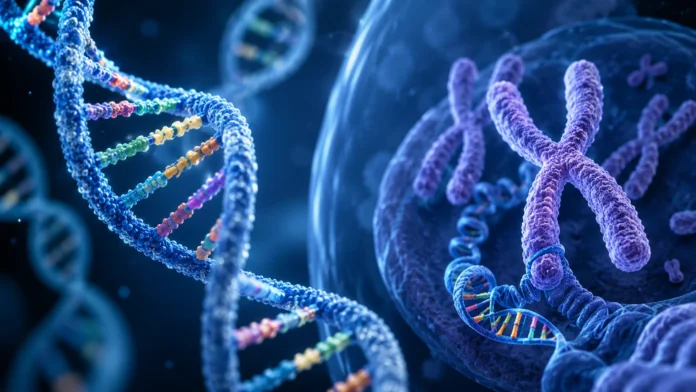

What Causes Genetic Mutations?
Genetic mutations are changes in the DNA sequence that can occur naturally or because of environmental influences. DNA contains the biological instructions that help cells grow, divide, function, and repair themselves, so even a small change in that sequence can sometimes affect how a gene works. Many mutations have little or no noticeable effect, while others can influence physical traits, health risks, or the way particular proteins are produced inside the body.
Understanding what causes genetic mutations is important because mutations are part of both normal biology and many medical conditions. They can happen when cells copy DNA, when DNA becomes damaged by radiation or chemicals, or when inherited genetic changes are passed from biological parents to children. Mutations also play a major role in evolution by creating genetic variation that can be passed through generations when it occurs in reproductive cells.
Not every mutation should be viewed as harmful. Some mutations are neutral and do not significantly affect health, while a smaller number may provide advantages in particular environments. Others can disrupt important genes and contribute to inherited disorders, developmental conditions, or cancer. The effect depends on where the mutation occurs, how much DNA is changed, and whether the change affects an important biological function.
This article explains what causes genetic mutations, including spontaneous DNA changes, inherited mutations, radiation, chemicals, viruses, errors during cell division, and other factors. It also explores different types of mutations, whether mutations can be prevented, how the body repairs damaged DNA, and why genetic mutations are an essential part of human variation and evolution.
What Is a Genetic Mutation?
A genetic mutation is a permanent change in the sequence of DNA. DNA is made from four chemical bases known as adenine, thymine, cytosine, and guanine, usually shortened to A, T, C, and G. The order of these bases stores biological information, so changing one base or a larger section of DNA can sometimes alter the instructions that cells use.
Mutations can be extremely small or very large. Some involve only one DNA base, while others may delete, duplicate, reverse, or move long sections of genetic material. Large genetic changes can even affect entire chromosomes, making mutations a broad category that includes many different types of DNA alterations rather than one single biological event.
A mutation can occur in almost any cell of the body. Changes in ordinary body cells are known as somatic mutations and usually affect only the person in whom they occur. Mutations in sperm or egg cells are known as germline mutations, and these changes can potentially be passed from biological parents to their children.
Whether a mutation matters depends on where it happens and what it changes. A DNA alteration in a non-critical region may produce no noticeable effect, while a change inside an important gene can alter protein production or gene regulation. This is why two mutations of similar size can have very different biological consequences.
What Causes Genetic Mutations?
Genetic mutations can occur because of natural processes inside cells or because DNA is exposed to outside factors that cause damage. Some mutations happen when DNA is copied before a cell divides, while others appear when environmental agents interfere with the DNA molecule. These causes are generally divided into spontaneous mutations and induced mutations.
Spontaneous mutations happen naturally without an obvious external cause. Cells need to copy billions of DNA bases whenever they divide, and although the process is highly accurate, occasional mistakes still occur. Most copying errors are corrected by cellular repair systems, but some escape repair and become permanent changes in the DNA sequence.
Induced mutations result from exposure to substances or forms of energy known as mutagens. Examples include ultraviolet radiation from sunlight, ionizing radiation, certain chemicals, tobacco smoke, and some biological agents. These factors can damage DNA directly or interfere with the mechanisms cells use to copy and repair genetic material.
Mutations can also be inherited rather than newly created during a person’s lifetime. If a genetic change occurs in a sperm or egg and becomes part of a developing embryo, that mutation can be present in many or all cells of the resulting child. This is why some genetic conditions can run through families across multiple generations.
How DNA Copying Errors Cause Mutations
Before a cell divides, it must create an accurate copy of its DNA so each new cell receives the necessary genetic information. Specialized enzymes move along the DNA molecule and build matching strands based on the existing sequence. This replication system is highly precise, but billions of individual bases need to be copied, creating occasional opportunities for mistakes.
A copying error may involve inserting the wrong DNA base, skipping a base, or adding an extra one. Many of these mistakes are detected almost immediately because DNA replication enzymes have proofreading abilities. Additional repair systems then examine the DNA and correct mismatched bases that remain after the initial copying process.
Sometimes an error escapes both proofreading and repair. If the cell later divides with that incorrect DNA sequence still present, the change becomes established as a mutation. Future cells descended from that original cell may carry the same altered sequence, allowing the mutation to persist within a tissue.
These natural replication errors explain why mutations can develop even when someone has not been exposed to an obvious mutagen. Cell division is a normal part of growth, tissue renewal, and repair, so spontaneous mutations are expected to occur throughout life. The majority cause no major problem, but some can affect important genes.
Can Genetic Mutations Be Inherited?
Yes, some mutations are inherited from biological parents. These mutations are known as germline or hereditary mutations because they are present in reproductive cells such as eggs or sperm. When a reproductive cell containing a mutation contributes to conception, the resulting child may inherit that genetic change.
Inherited mutations are different from mutations acquired later in life. A germline mutation can be present in nearly every cell of a person’s body because it entered the genetic material at the earliest stages of development. A mutation that develops in a skin cell during adulthood, by contrast, usually remains limited to the descendants of that particular cell.
Some inherited mutations cause recognizable genetic disorders, while others simply increase the likelihood of developing a particular condition. A person can carry an inherited variant for years without showing any obvious symptoms because the biological impact of mutations varies widely between genes and individuals.
Inheritance patterns can also differ. Some mutations produce an effect when only one altered gene copy is inherited, while others require mutations in both copies of a gene. Certain changes are connected with sex chromosomes or mitochondrial DNA, meaning they can follow different patterns when passed through families.
How Ultraviolet Radiation Causes DNA Mutations
Ultraviolet radiation from sunlight is one of the best-known environmental causes of DNA damage. UV radiation can be absorbed by DNA molecules in skin cells and cause neighboring DNA bases to form abnormal chemical bonds. These distortions can interfere with normal DNA copying unless cellular repair systems remove the damage correctly.
The body has mechanisms specifically designed to detect and repair UV-related DNA damage. However, repeated or intense exposure can create more damage than repair systems successfully correct. When damaged DNA is copied incorrectly, permanent mutations may become established within the affected skin cells.
Over time, accumulated mutations can disrupt genes responsible for controlling cell growth and division. This is one reason excessive ultraviolet exposure is strongly associated with skin cancers. Sunburn represents visible tissue damage, but DNA changes can occur even before dramatic symptoms become noticeable.
Reducing unnecessary UV exposure can therefore reduce one preventable source of genetic damage. Shade, protective clothing, appropriate sunscreen, and avoiding excessive exposure to intense sunlight can help protect skin cells. These measures cannot prevent every mutation, but they can reduce mutations caused by ultraviolet radiation.
How Ionizing Radiation Causes Mutations
Ionizing radiation carries enough energy to damage molecules inside cells, including DNA. Sources can include X-rays, gamma rays, and certain radioactive materials. At sufficiently high doses, this type of radiation can break DNA strands or create highly reactive molecules that damage genetic material indirectly.
Cells can often repair individual DNA breaks successfully. Problems become more likely when several breaks occur at the same time or when damage affects both strands of the DNA molecule. Incorrect repair can delete sections of DNA, rearrange genetic material, or produce chromosome abnormalities.
The biological effect depends heavily on radiation dose, duration, type of radiation, and which tissues are exposed. Medical imaging procedures use controlled radiation levels when necessary because healthcare professionals balance diagnostic benefits against potential radiation exposure.
Radiation-related mutations illustrate how DNA damage and mutation are not exactly the same thing. DNA damage can sometimes be repaired completely, leaving the sequence unchanged. A mutation appears when damage is repaired incorrectly or copied before the original DNA structure has been restored.
Can Chemicals Cause Genetic Mutations?
Certain chemicals can damage DNA and increase the likelihood of mutations. Chemicals capable of increasing mutation rates are called chemical mutagens. They may react directly with DNA bases, alter their chemical structure, insert themselves between DNA molecules, or interfere with normal replication and repair processes.
Tobacco smoke contains numerous chemicals that can damage DNA. Repeated exposure can create mutations in cells lining the lungs and other tissues, contributing to the development of cancers. The risk comes from the accumulation of genetic damage across time rather than from one single mutation immediately creating disease.
Some industrial chemicals, environmental pollutants, and laboratory substances can also act as mutagens. However, whether a chemical causes meaningful genetic damage depends on factors such as concentration, exposure route, duration, metabolism, and the ability of the body to detoxify or repair the resulting damage.
The existence of chemical mutagens does not mean every synthetic chemical causes mutations. Many naturally occurring substances can also damage DNA, while countless manufactured compounds do not act as mutagens at normal exposure levels. Toxicology research is used to determine which chemicals create meaningful genetic risks.
How Tobacco Smoke Causes DNA Mutations
Tobacco smoke exposes the body to a complex mixture of chemicals, including compounds capable of damaging DNA. When these substances enter the lungs, some can react with genetic material inside cells and create abnormal chemical structures known as DNA adducts. If those alterations are not repaired, mutations may develop when the cell copies its DNA.
Repeated exposure means cells may experience DNA damage again and again over many years. The body’s repair mechanisms can correct much of this damage, but no repair system is perfect. Mutations can gradually accumulate in genes that control cell division, programmed cell death, or other processes involved in preventing tumors.
This relationship helps explain why smoking is associated with multiple forms of cancer rather than only lung cancer. Chemicals from tobacco smoke can enter the bloodstream and reach tissues elsewhere in the body, exposing additional cells to substances capable of damaging DNA.
Stopping smoking does not remove every mutation that has already occurred, but it reduces continuing exposure to tobacco-related mutagens. Over time, the risk of several smoking-related diseases decreases because tissues are no longer being repeatedly exposed to the same level of harmful chemicals.
Can Viruses Cause Genetic Mutations?
Some viruses can contribute indirectly or directly to genetic changes inside infected cells. Certain viruses insert their genetic material into the host cell’s DNA, while others produce proteins that interfere with normal controls over cell division or DNA repair. These effects can increase the likelihood that abnormal cells survive and multiply.
Human papillomavirus, commonly called HPV, is one example of a virus connected with several cancers. Certain high-risk HPV types produce proteins that interfere with important cellular systems responsible for controlling cell growth. Long-term infection can therefore create conditions in which additional genetic abnormalities accumulate.
Other viruses may produce chronic inflammation, which increases cell turnover and exposes tissues to repeated cycles of damage and repair. More cell division means more DNA replication, creating additional opportunities for copying errors and genetic changes to develop.
Viruses do not account for most everyday genetic mutations, but they demonstrate that biological factors can influence genome stability. Vaccination against certain cancer-associated viruses, where available and appropriate, can reduce infections that would otherwise increase the risk of serious long-term cellular changes.
What Are Spontaneous Mutations?
Spontaneous mutations are genetic changes that occur naturally without an identifiable external mutagen. They can result from DNA replication errors, spontaneous chemical changes in DNA bases, normal metabolic activity, or imperfect repair of naturally occurring DNA damage.
Cells constantly perform chemical reactions to produce energy and maintain normal biological functions. Some of these processes generate reactive molecules that can accidentally damage DNA. The body has antioxidant and repair systems that control much of this damage, but a small amount can still contribute to mutations.
DNA bases can also undergo spontaneous chemical changes simply because molecules are not perfectly stable forever. A base might lose part of its structure or change chemically, altering how it pairs during the next round of DNA replication.
Spontaneous mutations are therefore a normal feature of life rather than evidence that something necessarily went wrong externally. Without these natural genetic changes, populations would have far less genetic variation, and biological evolution would not occur in the same way.
What Are Induced Mutations?
Induced mutations are mutations associated with exposure to external factors that increase DNA damage. The substances or physical agents responsible are called mutagens and can include radiation, chemicals, and certain biological agents.
The word induced does not mean that exposure always produces a mutation. A mutagen may damage DNA, but the cell can sometimes repair that damage accurately. A permanent mutation forms only when the altered sequence remains after repair and replication processes are complete.
Different mutagens create different patterns of DNA damage. UV radiation frequently affects neighboring bases, while ionizing radiation can create strand breaks. Chemical mutagens can modify individual bases or interfere with replication through several different mechanisms.
Scientists study characteristic patterns of mutation because they can sometimes provide clues about the processes that caused DNA damage. These patterns, known as mutational signatures, have become particularly valuable in cancer research when investigating how tumors developed.
How Age Influences Genetic Mutations
Mutations accumulate in many body cells as people age because DNA has been copied repeatedly and exposed to natural metabolic processes for longer periods. Every cell division provides another opportunity for copying errors, while environmental exposures can contribute additional DNA damage over time.
The relationship between age and mutation does not mean aging is simply caused by mutations. Aging involves numerous processes, including changes in gene regulation, cellular repair, metabolism, immune function, and tissue structure. Mutations are one part of this much larger biological picture.
Age can also influence reproductive mutations. Sperm-producing cells continue dividing throughout much of a man’s adult life, which means the number of DNA replication events increases with paternal age. Certain new genetic mutations therefore become somewhat more likely in children of older fathers.
Maternal age is more strongly associated with some chromosome-number abnormalities because egg cells undergo a different reproductive process. These age-related effects involve complex biology and should not be interpreted as meaning that older parents will necessarily have children with genetic disorders.
Can Cell Division Cause Chromosome Mutations?
Yes. Genetic changes can occur not only within individual DNA sequences but also at the chromosome level. During cell division, chromosomes must be copied, organized, and distributed accurately so each new cell receives the correct amount of genetic material.
Occasionally, chromosomes fail to separate properly. This process can produce cells containing too many or too few copies of a chromosome. Such changes are called numerical chromosome abnormalities and can have major effects because entire groups of genes become duplicated or missing.
Chromosomes can also break and rejoin incorrectly. Sections may be deleted, duplicated, inverted, or moved to a different chromosome. These structural changes can disrupt genes or change how nearby genes are regulated.
Many major chromosome abnormalities prevent normal cell development and may never produce a viable organism. Others are compatible with life and can contribute to recognizable genetic conditions. The outcome depends on which chromosome region is affected and how much genetic material changes.
What Are Point Mutations?
A point mutation is a change affecting a single position in the DNA sequence. One base may be replaced by another, creating what scientists often call a base substitution. Although the change is extremely small, its biological effect can range from none at all to significant disruption of gene function.
Some point mutations do not change the amino acid produced because the genetic code has redundancy. These are often called silent mutations. The DNA sequence changes, but the protein can remain exactly the same at that position.
Other substitutions change one amino acid into another. These are known as missense mutations, and their effects depend on where the amino acid occurs and how important it is to the protein’s structure or function.
A third type can create a premature stop signal, causing protein production to end too early. These nonsense mutations can produce shortened proteins that may not function normally, especially when the stop appears early in an important gene.
What Are Insertions and Deletions?
Insertions occur when one or more DNA bases are added to a sequence, while deletions occur when genetic material is removed. These changes can range from a single base to extremely large sections containing multiple genes.
When a small insertion or deletion occurs within a protein-coding region, it may change how the genetic code is read. DNA instructions are interpreted in groups of bases, so adding or removing a number that is not a multiple of three can shift the reading frame.
These frameshift mutations can alter every amino acid produced after the mutation point and may introduce an early stop signal. As a result, a tiny DNA change can sometimes have a much larger effect on the final protein.
Not every insertion or deletion causes disease. Location remains extremely important, and some changes occur in regions where they have little measurable effect. Others may occur naturally within populations and contribute to normal genetic variation between individuals.
Are All Genetic Mutations Harmful?
No. Most mutations are not automatically harmful. Many occur in parts of DNA where they produce little or no noticeable biological effect, and some changes do not alter the function of a gene even when they occur within a coding region.
Certain mutations are harmful because they disrupt important proteins or interfere with gene regulation. These changes can contribute to inherited disorders, developmental problems, or diseases such as cancer when they affect cells responsible for controlling growth.
Other mutations can potentially be beneficial. A genetic change that improves survival or reproduction in a particular environment may become more common over generations through natural selection. What is beneficial can also depend heavily on environmental conditions.
Many genetic variants are best described as neutral or nearly neutral rather than beneficial or harmful. Human genomes naturally contain millions of differences, and most contribute to normal variation without producing serious medical consequences.
How Do Mutations Cause Genetic Disorders?
A mutation can cause a genetic disorder when it significantly disrupts a gene or biological pathway that the body needs to function normally. The effect depends on the particular gene, the type of mutation, and whether one or both copies of the gene are affected.
Some inherited conditions result from a single altered gene. In these disorders, a mutation may reduce protein production, eliminate protein function, or cause the body to produce an abnormal protein.
Other conditions involve many genes and environmental factors. A collection of genetic variants may increase susceptibility to a disease without guaranteeing that the person will develop it.
Chromosome abnormalities can cause additional disorders because they alter much larger amounts of genetic material. When an entire chromosome or large chromosome section is duplicated or missing, many genes can be affected simultaneously.
How Do Genetic Mutations Contribute to Cancer?
Cancer develops when cells acquire changes that allow them to grow and divide abnormally. Mutations can affect genes that normally encourage controlled cell growth, suppress unnecessary division, repair DNA, or trigger damaged cells to die.
A single mutation is usually not enough to transform a normal cell into a cancer cell. Instead, multiple genetic and epigenetic changes commonly accumulate over time, gradually giving abnormal cells advantages over surrounding cells.
Some cancer-related mutations are inherited, which means a person begins life with a genetic change that increases susceptibility to particular cancers. Most cancer mutations, however, are acquired during life through normal cellular processes or environmental exposures.
This distinction is important because cancer itself is generally not inherited directly. What can sometimes be inherited is a genetic variant that increases the likelihood that enough additional mutations will eventually accumulate in particular tissues.
Can the Body Repair DNA Damage?
Yes. Cells contain sophisticated DNA repair systems that continuously identify and correct damaged genetic material. Different repair pathways handle different types of problems, including mismatched bases, damaged nucleotides, and broken DNA strands.
DNA polymerase enzymes also proofread genetic material while copying it. If the wrong base is inserted, the enzyme can often remove the mistake immediately and replace it with the correct one before replication continues.
When damage escapes this proofreading system, other repair proteins can recognize unusual DNA structures and remove damaged sections. The missing information is then rebuilt using the undamaged strand as a template whenever possible.
Repair is extremely effective but not perfect. Some errors escape detection, while overwhelming or complex damage may be repaired incorrectly. These remaining changes can become permanent mutations once the cell continues dividing.
Why Do Some Mutations Have No Effect?
A mutation may have no obvious effect because much of the genome does not directly encode proteins. Changes in some of these regions can occur without significantly altering cell function, although researchers continue discovering important roles for many non-coding sequences.
Even mutations inside genes can sometimes be harmless. Because multiple DNA combinations can encode the same amino acid, certain base substitutions change the DNA sequence without changing the resulting protein.
A mutation might also alter an amino acid in a region of a protein that is not essential to its normal function. The protein may continue working effectively enough that no noticeable difference appears.
The biological system also has considerable redundancy. Other genes or pathways can sometimes compensate for reduced activity in one component, making the effect of certain mutations much less dramatic than expected.
Why Are Mutations Important for Evolution?
Mutations create new genetic variation within populations. Without new variations appearing in DNA, natural selection would have far less material on which to act, and populations would have limited ability to adapt genetically to changing environments.
Most new mutations do not immediately provide a major advantage. Many are neutral, some are harmful, and a relatively small number may improve survival or reproduction under particular conditions.
When a beneficial mutation occurs in a reproductive cell and is passed to offspring, individuals carrying that variant may become more successful in a specific environment. Across many generations, the mutation can become increasingly common within the population.
Evolution therefore depends partly on mutations, even though individual mutations occur without planning or purpose. Natural selection acts afterward by influencing which inherited variations become more or less common over time.
Can Lifestyle Cause Genetic Mutations?
Lifestyle factors can influence exposure to DNA-damaging agents, although they do not control every mutation that occurs. Smoking, excessive ultraviolet exposure, and certain occupational chemical exposures can increase contact with known mutagens.
Diet and metabolic health may also influence cellular environments, inflammation, and oxidative stress, although relationships between lifestyle and specific mutations are complex. It would be inaccurate to claim that an individual food directly creates or prevents most genetic changes.
Exercise, balanced nutrition, avoiding tobacco, and appropriate sun protection support general health but cannot eliminate spontaneous DNA replication errors. Mutations remain a normal part of cellular biology even in people with very healthy lifestyles.
The most realistic goal is therefore to reduce avoidable exposure to established mutagens while recognizing that mutation itself cannot be completely prevented. Human cells will always experience some DNA damage and replication errors throughout life.
Can Stress Cause Genetic Mutations?
Everyday psychological stress is not usually described as a direct mutagen in the same way as ultraviolet radiation or tobacco smoke. Feeling anxious or experiencing a stressful week does not mean your DNA suddenly begins accumulating dangerous mutations.
Long-term stress can affect hormones, immune responses, sleep, metabolism, and behavior, and researchers continue studying how these changes interact with cellular biology. However, these relationships are much more complicated than saying emotional stress directly rewrites genes.
Stress may also influence behaviors that affect health, such as smoking, alcohol consumption, sleep quality, diet, or sun exposure. These indirect pathways can sometimes matter more than any proposed direct effect on DNA.
For SEO and health information, it is therefore important not to exaggerate claims about stress and mutations. Established mutagens such as radiation and certain chemicals have much clearer mechanisms for directly damaging DNA.
Can Genetic Mutations Be Prevented?
Not all mutations can be prevented because spontaneous mutations occur naturally during DNA replication and normal cellular metabolism. Every person’s cells accumulate some genetic changes throughout life regardless of lifestyle.
However, exposure to certain known mutagens can be reduced. Avoiding tobacco, limiting unnecessary ultraviolet exposure, using appropriate workplace protection around hazardous chemicals, and following radiation-safety practices can reduce preventable DNA damage.
Vaccination against certain cancer-associated viruses can also reduce infections that may otherwise contribute to cellular changes and cancer development. Preventive healthcare therefore plays an indirect role in reducing some mutation-related disease risks.
The goal should not be to eliminate all mutations, which is biologically impossible. Instead, reduce unnecessary exposure to well-established causes of DNA damage while supporting normal health and following appropriate medical guidance.
Can Genetic Mutations Be Reversed?
Once a mutation becomes permanently established in the DNA of a cell, the body usually does not simply recognize the original sequence and restore it automatically. DNA repair systems mainly work before damage becomes fixed as a permanent mutation.
Occasionally, another mutation can occur later that restores function or compensates for the original change, but this is not something that can normally be relied upon as a natural treatment.
Modern gene-editing technologies are being studied and used in carefully controlled medical contexts to correct or compensate for certain disease-causing genetic changes. However, gene therapy is highly specialized and depends on the condition and affected cells.
Most genetic mutations therefore remain part of the cells carrying them. Medical treatment usually focuses on managing their biological consequences unless a specific targeted therapy or approved genetic treatment is available.
What Is the Difference Between a Mutation and a Genetic Variant?
The terms mutation and genetic variant both describe differences in DNA sequence, but modern genetics increasingly uses the word variant because the term mutation can incorrectly suggest that every change is harmful.
A genetic variant may be common or rare within a population. Some variants affect appearance or other normal characteristics, while others influence disease risk or have no known effect at all.
Medical laboratories often classify variants according to evidence about their biological impact. Categories can include benign, likely benign, uncertain significance, likely pathogenic, and pathogenic.
This classification highlights why discovering a DNA difference does not automatically mean discovering the cause of a disease. Genetic interpretation requires evidence about how the variant affects genes, proteins, families, and populations.
How Are Genetic Mutations Detected?
Genetic mutations can be identified through different forms of genetic testing. Some tests examine one particular gene, while others analyze panels of genes associated with a disease or sequence large portions of a person’s genome.
DNA sequencing allows laboratories to determine the order of genetic bases and compare it with expected reference sequences. Differences can then be identified and investigated to determine whether they may have biological significance.
Chromosome tests use different techniques when researchers need to identify larger genetic changes. These tests can reveal missing chromosomes, additional chromosomes, or structural rearrangements too large to be efficiently studied through some standard sequencing methods.
Interpreting the result can be more complicated than detecting the change itself. A genetic counselor, medical geneticist, or other qualified healthcare professional can help explain what a particular result means for health and family members.
Final Thoughts on What Causes Genetic Mutations
Understanding what causes genetic mutations begins with recognizing that DNA is constantly being copied, repaired, and exposed to both internal and external influences. Mutations can arise naturally through replication errors or spontaneous chemical changes, even when no obvious environmental cause exists.
Environmental factors can increase mutation rates by damaging DNA. Ultraviolet light, ionizing radiation, tobacco smoke, certain chemicals, and some viral infections are among the best-known examples. Whether DNA damage becomes a permanent mutation depends partly on how successfully cells repair it before replication occurs.
Mutations can be inherited when they occur in reproductive cells, while acquired mutations develop within body cells during life. Their effects range from completely neutral to beneficial or harmful, depending on the gene, cell type, and biological pathway involved.
Most importantly, mutations are not simply biological mistakes that should never happen. They contribute to human genetic diversity and provide the variation that makes evolution possible. Understanding their causes helps explain inherited disease, cancer biology, genetic testing, and the remarkable way genomes change across both individual lifetimes and generations.
Frequently Asked Questions
What is the most common cause of genetic mutations?
Many mutations occur naturally through DNA replication errors and ordinary chemical changes inside cells. Environmental factors such as UV radiation, tobacco smoke, and certain chemicals can also increase mutation rates.
Can genetic mutations happen naturally?
Yes. Spontaneous mutations occur naturally during DNA replication, normal metabolism, and other cellular processes even when a person has not been exposed to an obvious mutagen.
Can you inherit genetic mutations from your parents?
Yes. Mutations present in sperm or egg cells can be passed to children. These inherited or germline mutations may then be present in many cells throughout the child’s body.
Does radiation always cause genetic mutations?
No. Radiation can damage DNA, but cells can often repair that damage successfully. A mutation occurs only when the DNA sequence is permanently changed after damage or incorrect repair.
Are all genetic mutations dangerous?
No. Many mutations have no noticeable effect, some can be harmful, and a small number may be beneficial in particular environments. Their impact depends on where and how the DNA changes.