
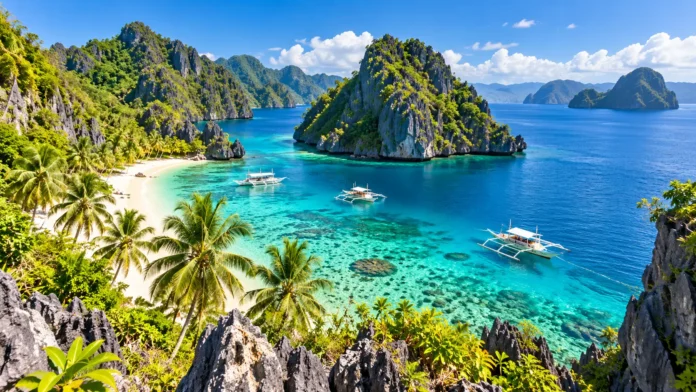

The Philippines is one of Southeast Asia’s most exciting travel destinations, offering tropical beaches, limestone cliffs, coral reefs, waterfalls, mountain landscapes, historic cities, and thousands of islands to explore. Every region feels different, which means travelers can build trips around adventure, culture, food, diving, or simple relaxation by the sea.
A first visit can feel overwhelming because the country is spread across many islands and transportation often involves flights, ferries, buses, and local transfers. Rather than trying to see everything, it is better to choose a few regions and explore them properly. Palawan, Cebu, Bohol, Boracay, Manila, and Siargao are among the most popular starting points.
The best Philippines itinerary depends on your travel style and available time. Beach lovers can focus on island destinations, while adventure travelers may prefer waterfalls, diving, surfing, and mountain activities. This Philippines travel guide highlights some of the best things to do and see while helping you plan a balanced and memorable trip.
Explore the Islands and Lagoons of Palawan
Palawan is one of the most famous destinations in the Philippines, known for dramatic limestone cliffs, turquoise lagoons, hidden beaches, and clear tropical water. El Nido is especially popular with travelers who want to explore offshore islands by boat. Island-hopping tours usually combine lagoons, beaches, snorkeling spots, and scenic stops throughout the day.
Coron offers a different experience with beautiful lakes, reefs, viewpoints, and famous underwater attractions. Divers are especially drawn to the area because of its wreck sites and marine life, while non-divers can enjoy boat tours and snorkeling. Kayangan Lake and surrounding limestone landscapes create some of the most recognizable scenery in the country.
Palawan deserves several days because rushing between El Nido, Coron, and Puerto Princesa can consume valuable travel time. Choose one or two bases depending on the length of your trip. Early starts are useful for popular boat tours, while flexible planning helps when weather or sea conditions affect island-hopping schedules.
Relax on the Beaches of Boracay
Boracay is famous for White Beach, a long stretch of soft sand and clear water lined with hotels, restaurants, cafés, and activity providers. The island works well for travelers who want a convenient beach holiday with plenty of facilities nearby. Swimming, sunset walks, dining, and relaxed mornings can easily fill several days.
White Beach is divided into different areas, each offering a slightly different atmosphere. Some sections are livelier and closer to restaurants and entertainment, while others feel quieter and more suited to travelers seeking relaxation. Exploring the full beachfront on foot helps you find the part of Boracay that best matches your preferred travel style.
Boracay also offers water activities such as sailing, paddleboarding, snorkeling, and other coastal experiences depending on local conditions. Sunset is especially popular, when visitors gather along the beach and boats move across the horizon. Travelers looking for a slower vacation can simply alternate between beach time, meals, and short excursions without creating a packed schedule.
Discover Cebu’s Waterfalls and Marine Adventures
Cebu combines city experiences, beaches, waterfalls, diving, and access to several neighboring islands. Many travelers use Cebu City as an arrival point before moving toward coastal areas and smaller towns. The island’s variety makes it suitable for visitors who want a mix of adventure and relaxation rather than spending the entire trip in one resort.
Kawasan Falls is one of Cebu’s best-known natural attractions, with bright blue water surrounded by tropical vegetation. Adventure-focused visitors may join guided canyoning experiences, while others can enjoy the scenery in a more relaxed way. Proper footwear and experienced local operators are important when activities involve slippery rocks, moving water, or technical sections.
Cebu is also popular for snorkeling and diving, particularly in coastal areas with rich marine environments. Moalboal is widely known for underwater experiences and easy access to nearby attractions. Spending several days in the region allows you to combine waterfalls, beaches, marine activities, and quieter evenings without constantly changing accommodation.
See the Chocolate Hills and Tarsiers in Bohol
Bohol is best known for the Chocolate Hills, an unusual landscape of hundreds of rounded hills spread across the island. Their appearance changes with the season, but the overall view remains one of the Philippines’ most distinctive natural sights. Elevated viewpoints allow visitors to appreciate the scale and pattern of the surrounding countryside.
The island is also associated with the Philippine tarsier, a small primate with large eyes and a highly distinctive appearance. Travelers should visit responsible conservation facilities that prioritize animal welfare and limit unnecessary disturbance. Observing quietly and following local instructions helps protect these sensitive animals while allowing visitors to learn more about their habitat.
Bohol offers more than its two famous attractions. Panglao provides beaches, diving, restaurants, and accommodation, while inland areas include rivers, villages, and rural scenery. Combining Panglao with a countryside trip creates a balanced itinerary that includes both tropical beach time and some of the island’s most recognizable landmarks.
Go Surfing and Island Hopping in Siargao
Siargao has become one of the Philippines’ most popular island destinations, especially for surfing, tropical scenery, relaxed cafés, and outdoor adventures. General Luna is the main traveler hub, where accommodation, restaurants, surf schools, and transport options are concentrated. The atmosphere is casual, making the island appealing to both active travelers and visitors who simply want to slow down.
Surfing is one of Siargao’s biggest attractions, with breaks suited to different skill levels depending on conditions. Beginners can take lessons with local instructors, while experienced surfers may seek more challenging waves. Even travelers who never surf can enjoy the island because beaches, lagoons, mangroves, and boat trips provide plenty of alternatives.
Island-hopping excursions often include small offshore islands with white sand and clear water. Inland exploration can also reveal palm-lined roads, natural pools, and quieter communities away from the busiest tourism areas. Renting appropriate local transport or hiring a driver can make it easier to explore while leaving enough time for spontaneous stops.
Explore Manila’s History and City Life
Manila is often used as a transportation hub, but the capital also offers important historical and cultural attractions. Intramuros, the historic walled district, contains churches, fortifications, plazas, and buildings connected with the city’s colonial past. Walking through the area provides a useful introduction to several periods that shaped the Philippines.
Fort Santiago is one of the best-known landmarks within Intramuros and can be combined with nearby churches and museums. Travelers interested in history may appreciate spending several hours exploring rather than immediately leaving the city after arrival. The surrounding districts also provide restaurants, shopping areas, markets, and modern urban experiences.
Traffic can make travel times unpredictable, so group attractions by area instead of crossing the city repeatedly. Choosing accommodation near the places you want to visit can save considerable time. Manila works best when approached realistically, with fewer daily stops and enough flexibility for transportation delays, meals, and unexpected changes.
Dive and Snorkel in the Philippines
The Philippines is one of the most rewarding destinations for travelers interested in underwater activities. Warm tropical waters, coral reefs, marine biodiversity, and numerous islands create opportunities for snorkeling and diving across the country. Palawan, Cebu, Bohol, and several other regions offer experiences suitable for both beginners and advanced divers.
Choosing a reputable operator is more important than selecting an activity based only on price. Equipment quality, safety procedures, instructor experience, weather, and sea conditions should all influence your decision. Beginners should receive proper instruction before entering deeper water, while certified divers should choose sites appropriate for their training and experience.
Snorkeling can be equally memorable for travelers who do not want to dive. Shallow reefs, clear lagoons, and protected coastal areas often provide opportunities to see colorful marine life close to the surface. Responsible visitors should avoid touching coral, feeding wildlife, or standing on reefs because these ecosystems can be easily damaged.
Taste Traditional Filipino Food
Food is an important part of traveling through the Philippines because each region offers different dishes and ingredients. Rice, seafood, pork, chicken, vegetables, tropical fruit, and rich sauces appear in many meals. Eating in local restaurants, markets, and casual eateries provides a much broader experience than relying only on hotel menus.
Popular dishes include adobo, sinigang, lechon, pancit, and different regional seafood preparations. Travelers can also try street snacks, grilled dishes, tropical desserts, and fresh fruit depending on the destination. Recipes vary across islands, so ordering the same dish in different places may produce surprisingly different flavors and preparation styles.
Do not be afraid to ask restaurant staff what is locally popular. Smaller establishments can often introduce travelers to dishes they would never find through a generic tourist menu. Food-focused exploration also provides an easy way to experience local culture on days when weather makes long outdoor activities less practical.
Plan an Island-Hopping Itinerary
Island hopping is one of the best ways to experience the Philippines, but transportation requires realistic planning. Domestic flights connect major regions, while ferries and smaller boats serve many island routes. Transfers between airports, ports, towns, and hotels can add several hours, even when destinations appear relatively close on a map.
Avoid trying to visit too many islands within a short vacation. A seven-day trip might focus on one or two regions, while two weeks allows more flexibility for three or four destinations. Constantly packing, flying, and checking into hotels can reduce the time available for beaches, diving, sightseeing, and relaxation.
Build extra time into your itinerary when ferry or boat travel is important. Weather and sea conditions can affect schedules, so tight same-day connections may create unnecessary stress. Keeping one flexible day before an international departure is especially useful when you are traveling from smaller islands back toward a major airport.
Choose the Best Time for Your Philippines Trip
Weather plays an important role in a Philippines vacation because tropical conditions vary by region and season. Rain, strong winds, rough seas, and storms can affect boat trips, diving, flights, and beach activities. Check the typical seasonal patterns for the specific islands you plan to visit rather than relying on one national weather assumption.
Popular dry-weather periods can provide excellent conditions for beaches and island hopping, but they may also bring larger crowds and stronger demand for accommodation. Shoulder periods can sometimes offer good value, although greater weather flexibility may be necessary. Travelers should leave room in the itinerary for activities to move between days if conditions change.
Pack lightweight clothing, strong sun protection, comfortable footwear, and a waterproof layer. A dry bag can also be useful when taking boats or visiting waterfalls. Most importantly, follow local guidance when conditions are poor, because skipping one boat trip is always better than taking unnecessary risks during rough weather.
Conclusion
The Philippines offers an extraordinary combination of beaches, islands, waterfalls, mountains, historic neighborhoods, marine life, and regional food. Palawan provides dramatic limestone scenery, Boracay delivers an easy beach escape, Cebu and Bohol combine nature with adventure, and Siargao offers surfing and a laid-back island atmosphere.
The best itinerary is usually one that includes fewer destinations with more time in each. Transportation between islands can take longer than expected, so rushing through several regions often makes a trip feel more stressful than enjoyable. Leaving flexible time also helps when weather changes boat schedules or outdoor activities.
Whether you are interested in diving, island hopping, history, surfing, food, or simply relaxing beside clear tropical water, the Philippines offers countless possibilities. Plan transportation carefully, choose destinations that match your interests, and travel at a comfortable pace. Giving each island enough time is often the best way to experience what makes the country special.
FAQs
How many days do you need in the Philippines?
Around 10–14 days allows travelers to explore two or three regions comfortably. Longer trips are better for combining Palawan, Cebu, Bohol, Boracay, Siargao, or other islands without spending too much time in transit.
What are the best places to visit in the Philippines?
Popular choices include Palawan, Boracay, Cebu, Bohol, Siargao, and Manila. The best destinations depend on whether you prefer beaches, diving, surfing, waterfalls, history, nightlife, or relaxed island experiences.
Is the Philippines good for island hopping?
Yes. The country is ideal for island hopping, but travel times and connections require planning. Domestic flights, ferries, and local boats connect major destinations, while weather can affect some routes.
What food should I try in the Philippines?
Try adobo, sinigang, lechon, pancit, fresh seafood, grilled dishes, regional desserts, and tropical fruit. Different islands have their own specialties, so local recommendations can make the food experience more interesting.
What should I pack for a Philippines trip?
Pack lightweight clothing, sun protection, comfortable sandals or shoes, a waterproof layer, swimwear, and a dry bag for boat trips. Bring any essential medication and leave enough luggage space for island transfers.