
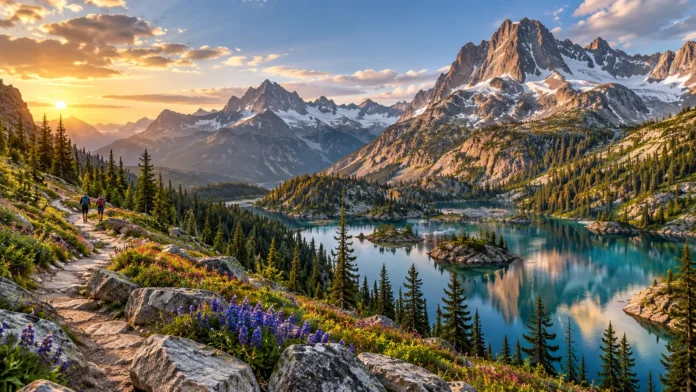

America’s most famous national parks attract millions of visitors, but some of the most memorable landscapes sit far beyond the busiest scenic drives and crowded viewpoints. Remote mountains, isolated islands, desert valleys, ancient forests, glaciers, caves, and wild rivers can all be found in parks that receive far fewer visitors than destinations such as Yellowstone, Yosemite, or Grand Canyon.
Many of the least visited national parks stay quiet because reaching them requires more planning. Some have no roads, others need flights or boats, and a few sit far from major cities. That extra effort often creates a completely different travel experience, with fewer crowds, darker skies, more wildlife, and a stronger feeling of wilderness.
This guide focuses on lesser-visited U.S. national parks worth adding to an adventurous travel list. Some are extremely remote, while others are surprisingly accessible despite receiving modest visitor numbers. Whether you enjoy hiking, photography, kayaking, wildlife, stargazing, or simply exploring places most travelers overlook, these hidden gems deserve attention.
Explore Gates of the Arctic National Park
Gates of the Arctic National Park in Alaska offers one of the wildest national park experiences in the United States. There are no established roads or traditional visitor facilities inside the vast wilderness. Instead, travelers encounter mountains, rivers, tundra, remote valleys, and enormous open landscapes where nature remains the main attraction.
Most visitors reach the park through small aircraft or carefully planned backcountry routes. Hiking here is very different from following marked trails in heavily developed parks because travelers often navigate across completely undeveloped terrain. River trips are another memorable way to experience the region, especially for experienced adventurers comfortable with remote conditions.
This park is best suited to travelers who understand wilderness preparation and are willing to accept unpredictable weather and limited services. Professional guiding can make a visit more manageable for people without extensive backcountry experience. The reward is an extraordinary sense of isolation that is difficult to find in more accessible national parks.
Discover the Sand Dunes of Kobuk Valley
Kobuk Valley National Park is another remote Alaska destination that feels almost completely removed from conventional tourism. Its most unusual feature is the Great Kobuk Sand Dunes, where large dunes rise within a northern landscape of forests, rivers, and tundra. The contrast creates scenery that looks surprisingly different from what many travelers expect in Alaska.
There are no roads leading directly into the park, so visitors typically arrive by small aircraft. Once inside, activities can include hiking, camping, wildlife observation, photography, and river travel. Because the landscape is open and largely undeveloped, even a short visit can feel like a true expedition rather than an ordinary sightseeing stop.
Caribou migration adds another fascinating element to the region, although wildlife sightings are never guaranteed. Visitors should prepare carefully for changing weather, insects, river conditions, and backcountry navigation. Kobuk Valley is ideal for experienced travelers seeking one of the most unusual and rarely explored national park landscapes in the country.
Experience Lake Clark National Park
Lake Clark National Park combines mountains, turquoise lakes, volcanoes, rivers, forests, and coastal landscapes within one spectacular part of Alaska. Unlike parks built around a central scenic road, Lake Clark requires air or water access in many areas. This keeps visitor numbers relatively low despite the park’s extraordinary scenery and wildlife opportunities.
Kayaking, hiking, fishing, wildlife watching, and photography are among the most popular activities. Coastal areas can provide opportunities to observe brown bears from appropriate distances with experienced guides. Inland regions feature lakes and mountain scenery that appeal to travelers interested in quiet cabins, backcountry adventures, and peaceful days away from urban environments.
Lake Clark works particularly well for visitors who want Alaska wilderness without choosing the most difficult expedition possible. Guided lodges and specialized operators can simplify transportation and activities while still providing a remote experience. Travelers should plan around weather carefully because flights and boat access can change when conditions become unfavorable.
Hike Through North Cascades National Park
North Cascades National Park in Washington protects rugged mountains, glaciers, forests, rivers, and alpine lakes within a dramatic section of the Pacific Northwest. Despite being relatively close to major population centers, the park receives fewer visitors than many better-known western destinations. Its steep terrain and strong hiking focus help preserve a quieter wilderness atmosphere.
Hiking is one of the best ways to experience the park, with routes ranging from shorter walks to demanding backcountry journeys. Alpine viewpoints reveal jagged peaks, glacier-carved valleys, waterfalls, and intensely colored lakes. Summer and early autumn are especially popular for hiking because higher elevations can remain snowy for long periods.
Travelers should not expect the same roadside sightseeing experience found in more developed national parks. Many of the best views require effort, preparation, and time on foot. For hikers willing to work for their scenery, North Cascades delivers some of the most dramatic mountain landscapes in the continental United States.
Visit Remote Isle Royale National Park
Isle Royale National Park sits in Lake Superior and can be reached only by boat or seaplane. The island’s isolated location naturally limits crowds and creates a slower, more adventurous atmosphere. Forests, rocky shorelines, inland lakes, wildlife, and hiking trails provide an excellent setting for travelers who enjoy remote wilderness without traveling to Alaska.
Backpacking is one of the classic ways to experience Isle Royale because trails connect campsites and scenic areas across the island. Kayaking and boating also provide opportunities to explore quiet bays and rugged shoreline. Wildlife enthusiasts may be interested in the island’s long-studied relationship between wolves and moose, although encounters remain unpredictable.
A visit requires more planning than a typical drive-in national park trip because transportation schedules and weather influence access. Travelers should reserve enough time to make the journey worthwhile rather than attempting a rushed visit. Those who stay several days often appreciate the silence, slower pace, and lack of heavy tourism infrastructure.
Explore the Islands of Dry Tortugas National Park
Dry Tortugas National Park lies west of Key West, Florida, and is accessible mainly by boat or seaplane. The park combines turquoise water, coral environments, small islands, birdlife, and the massive historic Fort Jefferson. Its remote location makes it feel far removed from the busy streets and resorts of the Florida Keys.
Visitors can explore the fort, snorkel in suitable areas, enjoy beaches, photograph coastal scenery, and observe marine life. Clear water can make the park particularly attractive to travelers who enjoy tropical landscapes and underwater experiences. Day trips are popular, although limited transportation means careful scheduling is necessary before leaving Key West.
Camping can create an even more memorable experience for travelers prepared to bring everything they need. Nightfall removes most day visitors and reveals a much quieter side of the islands. Because facilities are limited, planning food, water, sun protection, and weather needs in advance is essential for a comfortable visit.
Discover Great Basin National Park
Great Basin National Park in Nevada is one of the best hidden gems for travelers interested in mountains, ancient trees, caves, and exceptionally dark skies. The park feels dramatically different from the desert image many people associate with Nevada. High elevations create cooler forests, alpine scenery, and mountain environments above the surrounding basin.
Wheeler Peak is one of the major landmarks, while groves of ancient bristlecone pines introduce visitors to some of the world’s oldest living trees. Lehman Caves provides another experience entirely, with underground formations that reveal the geological complexity beneath the landscape. Hiking routes connect many scenic areas during suitable seasonal conditions.
Stargazing is another major reason to visit because the park’s remote location produces remarkably dark night skies. Camping overnight allows travelers to experience stars that may be difficult to see near major cities. Great Basin is especially rewarding for road-trippers who want mountain scenery and quiet trails without the crowds of more famous western parks.
Walk Through Congaree National Park
Congaree National Park in South Carolina protects one of the largest remaining areas of old-growth bottomland hardwood forest in the southeastern United States. Tall trees, wetlands, creeks, and floodplain landscapes create an ecosystem that feels completely different from western mountain parks. The relatively modest visitor numbers make it a peaceful destination for nature-focused travelers.
Boardwalks and hiking trails allow visitors to explore sections of the forest without needing technical outdoor skills. Canoeing and kayaking can provide another perspective when water conditions are suitable, with routes moving beneath trees and through quiet waterways. Birdwatching, photography, and wildlife observation are also rewarding for visitors willing to slow down.
Seasonal flooding, insects, heat, and humidity can influence the experience, so timing matters. Cooler periods often make walking more comfortable, while water levels affect paddling routes. Congaree is a strong choice for travelers who want an accessible hidden gem that still feels natural and very different from heavily developed tourist attractions.
Experience Wrangell-St. Elias National Park
Wrangell-St. Elias National Park in Alaska is enormous, containing mountains, glaciers, rivers, historic mining areas, and vast stretches of wilderness. Its scale can be difficult to understand until you begin traveling through the region. Even with roads reaching selected sections, much of the park remains remote and undeveloped.
The historic communities of McCarthy and Kennecott provide a useful base for exploring part of the park. Visitors can learn about mining history, walk near glaciers, join guided hikes, or take flightseeing trips over mountain landscapes. These experiences combine cultural history with scenery that feels much more remote than most traditional road-trip destinations.
Travel times can be long, and road conditions may require patience, so visitors should avoid overloading the itinerary. Spending several nights allows enough time to experience the landscape without immediately turning around. Wrangell-St. Elias rewards travelers who enjoy big wilderness, historic settlements, and the feeling of exploring somewhere far beyond ordinary tourist routes.
Visit Guadalupe Mountains National Park
Guadalupe Mountains National Park in West Texas is a quieter destination known for desert scenery, rugged peaks, canyons, and extensive hiking opportunities. The park contains Guadalupe Peak, the highest point in Texas, along with several routes that reveal dramatically changing landscapes. Desert plants, rocky cliffs, and high-elevation views make the region particularly photogenic.
Hikers can choose between shorter trails and demanding climbs depending on experience and weather. Reaching Guadalupe Peak is a popular challenge, but strong winds, heat, and elevation can make the hike more difficult than distance alone suggests. Other trails offer canyon scenery and quieter experiences for travelers who do not want a strenuous summit day.
The park’s location works well for road trips through West Texas and nearby desert regions. Services around the park are more limited than at major tourist destinations, so fuel, food, water, and accommodation should be planned ahead. Travelers who arrive prepared will find open landscapes and rewarding trails with far fewer crowds than many famous parks.
Plan a Trip to Lesser-Visited National Parks
Visiting quieter national parks requires different planning than traveling to heavily developed destinations. Remote parks may have limited roads, phone service, food, fuel, accommodation, or emergency support. Research transportation, weather, seasonal access, trail conditions, and permits before leaving, especially when flights, boats, or backcountry travel are involved.
Do not assume fewer visitors means easier travel. Some parks stay quiet precisely because reaching them is difficult or because activities require experience and preparation. Carry appropriate clothing, navigation tools, food, water, emergency supplies, and communication equipment when entering isolated areas, and consider professional guides for unfamiliar wilderness environments.
The biggest advantage of lesser-visited parks is the opportunity to experience landscapes at a slower pace. Instead of racing between crowded viewpoints, travelers can spend more time observing wildlife, hiking, photographing scenery, or simply enjoying silence. Respecting Leave No Trace principles helps protect these fragile places as more travelers begin discovering them.
Conclusion
The least visited national parks often provide some of America’s most memorable wilderness experiences. Gates of the Arctic, Kobuk Valley, Lake Clark, and Wrangell-St. Elias offer enormous Alaskan landscapes, while Isle Royale and Dry Tortugas require memorable journeys across water before visitors even reach the park.
More accessible destinations such as Great Basin, Congaree, North Cascades, and Guadalupe Mountains prove that hidden gems do not always require an expedition. These parks offer dark skies, ancient forests, alpine lakes, desert peaks, and quiet trails without the same level of crowding found at better-known national parks.
Choosing a lesser-visited park means accepting that transportation and planning may take more effort, but the reward can be extraordinary. Prepare carefully, travel responsibly, and leave enough time to experience each landscape properly. For travelers who value solitude, adventure, and natural scenery, America’s quieter national parks deserve a place on the itinerary.
FAQs
What are some of the least visited national parks in the USA?
Remote Alaska parks such as Gates of the Arctic and Kobuk Valley are consistently among the quietest. Isle Royale, Lake Clark, and several other difficult-to-reach parks also receive relatively low visitation.
Why do some national parks receive so few visitors?
Remote locations, limited road access, difficult weather, expensive transportation, and fewer tourist facilities keep visitation low. Many require boats, small aircraft, long drives, or serious backcountry preparation.
What is the best lesser-known national park for hiking?
North Cascades, Guadalupe Mountains, and Great Basin offer excellent hiking opportunities. The best choice depends on your preferred scenery, fitness level, season, and comfort with mountain or desert conditions.
Are less visited national parks better for avoiding crowds?
Usually, yes. Quieter parks often provide more solitude than famous destinations, although popular trails or seasonal weekends can still become busy. Remote parks generally offer the strongest sense of isolation.
What should I pack for a remote national park?
Bring weather-appropriate layers, food, water, navigation tools, first-aid supplies, sun protection, sturdy footwear, and emergency equipment. More isolated trips may also require specialized communication, camping, or backcountry gear.