
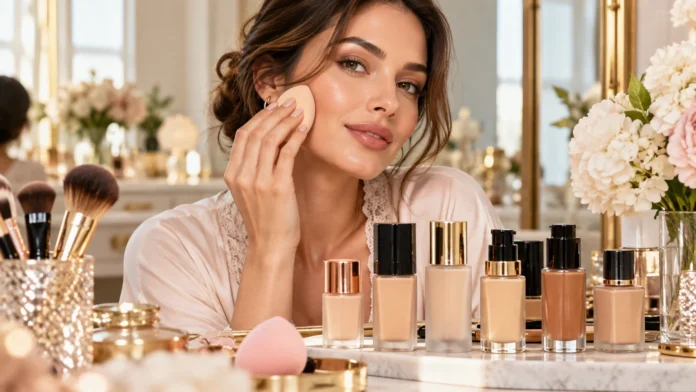

Finding the best foundation for a natural-looking finish is less about covering every imperfection and more about creating skin that still looks like skin. The right formula can even out tone, soften redness, blur minor texture, and add a healthy finish without appearing heavy or mask-like. For many people, that balance is what makes everyday makeup feel comfortable and flattering.
Natural-looking foundation usually combines lightweight texture, flexible coverage, and a finish that complements your skin type. Some people prefer a luminous glow, while others want a soft matte appearance that still preserves natural dimension. The goal is not necessarily invisible makeup, but coverage that blends seamlessly enough to avoid obvious lines, patchiness, or an overly powdered effect.
Choosing the right product also depends on skin type, coverage preferences, climate, application technique, and shade matching. A formula that looks beautifully natural on dry skin may perform differently on an oily complexion. Understanding these differences makes it easier to choose a foundation that enhances your complexion instead of fighting against your skin throughout the day.
What Makes a Foundation Look Natural?
A natural-looking foundation should blend smoothly into the skin rather than sitting visibly on top of it. Lightweight and flexible formulas tend to move better with facial expressions, which helps prevent obvious creasing or cakiness. Buildable coverage is especially useful because it allows you to apply more product only where needed instead of creating one heavy layer across the entire face.
The finish also plays an important role in how realistic foundation appears. Satin, natural, and softly radiant finishes often resemble healthy skin because they maintain some dimension rather than eliminating all shine. Matte formulas can still look natural, but extremely flat finishes may emphasize texture if the skin is dry or the foundation is applied too heavily.
Another important factor is how well the formula works with your skincare and application method. Foundation tends to look more natural when the skin is properly moisturized and excess product is avoided. Using thin layers, blending carefully around the hairline and jaw, and allowing natural skin texture to remain visible can make even medium-coverage foundation appear softer.
Best Foundation Types for a Skin-Like Finish
Skin tints and tinted moisturizers are excellent options for people who want very light coverage and a fresh appearance. They usually even out mild discoloration while allowing freckles and natural skin characteristics to remain visible. These formulas are particularly suitable for everyday makeup, warm weather, or anyone who prefers an uncomplicated routine that takes only a few minutes.
Lightweight liquid foundations provide more coverage while still maintaining a natural effect. Look for formulas described as buildable, breathable, serum-like, or skin-like because they are often designed to blend smoothly without feeling heavy. They can usually be layered over redness or uneven areas while remaining sheer enough across the rest of the face.
Cream foundations may also create a natural finish when applied sparingly, particularly for normal or dry skin. Their richer texture can blend beautifully when warmed into the complexion with a sponge or brush. However, creams can become heavy when applied too generously, so beginners should start with a very small amount and gradually increase coverage only where necessary.
Best Natural-Looking Foundation for Dry Skin
Dry skin usually benefits from foundations with hydrating ingredients and radiant or satin finishes. Formulas that contain humectants or moisturizing components can help prevent foundation from emphasizing flaky areas and fine texture. Very matte or fast-drying products may make dryness more noticeable, particularly around the nose, mouth, and areas where the skin naturally loses moisture.
Skin preparation is especially important when applying foundation to a dry complexion. Use a gentle moisturizer and allow it to absorb before adding makeup so the surface feels comfortable rather than slippery. A hydrating primer can also help in particularly dry areas, but applying too many skincare layers may sometimes cause foundation to pill or separate.
When applying foundation, use a damp sponge or flexible brush and press the product into the skin rather than rubbing aggressively. Thin layers are usually more flattering because heavy coverage can settle into texture. If additional coverage is needed, place a small amount only on specific areas and blend the edges carefully instead of adding another full layer.
Best Natural-Looking Foundation for Oily Skin
People with oily skin often need a foundation that controls excess shine without making the complexion appear completely flat. Soft matte or natural matte formulas can provide a balanced finish while helping makeup remain stable throughout the day. Long-wearing products may also be helpful, particularly around the forehead, nose, and chin where oil production is commonly stronger.
Preparation should focus on lightweight hydration rather than skipping moisturizer completely. Oily skin can still become dehydrated, and applying foundation over an uncomfortable surface may encourage uneven texture. A mattifying primer can be used selectively on oily areas rather than across the entire face, which helps preserve a more natural appearance elsewhere.
Apply foundation in thin layers and set only the areas that need additional shine control. Pressing a small amount of translucent powder around the T-zone can help improve longevity without creating a heavy powdered look. Blotting papers can also remove excess oil later in the day without requiring repeated layers of powder that may eventually make foundation appear cakey.
Best Foundation for Combination Skin
Combination skin requires balancing areas that behave differently throughout the day. The cheeks may feel normal or dry while the forehead, nose, and chin become noticeably oily. A natural or satin-finish liquid foundation often works well because it provides enough flexibility to accommodate both areas without becoming excessively matte or overly luminous.
You can also customize skin preparation rather than treating the entire face the same way. Apply richer moisturizer to dry areas and use a lightweight product on oilier sections. If necessary, place mattifying primer around the T-zone while keeping hydrating products on the cheeks, creating a more balanced surface before foundation is applied.
Setting techniques can also be adjusted according to each area. Powder the regions that become shiny while leaving naturally dry areas with minimal or no powder. This targeted approach can help foundation maintain a realistic finish for longer because you are responding to your skin’s actual behavior rather than forcing every area into the same finish.
How to Choose the Right Foundation Shade
Even an excellent formula can look unnatural when the shade does not match your complexion. Foundation that is too light may appear grey or washed out, while a shade that is too dark can create obvious contrast around the jawline and neck. Testing foundation in natural lighting whenever possible helps you see whether the color blends smoothly into your skin.
Undertone is equally important because two shades with similar depth can look very different once applied. Common undertones include warm, cool, neutral, and olive, although real skin tones often fall somewhere between simple categories. Understanding your undertone can help narrow down options and reduce the chance of choosing a foundation that appears overly pink, yellow, or orange.
When comparing products, test potential shades along the jawline and allow them to settle for several minutes before making a decision. Some foundations oxidize slightly and become darker after application. If shade matching is challenging, this guide on choosing the right foundation shade can help you evaluate depth and undertone more accurately.
How Much Coverage Looks Most Natural?
Sheer coverage usually creates the most transparent result because it allows natural skin variation to remain visible. It can soften mild redness and uneven tone without fully concealing freckles, pigmentation, or texture. This makes sheer foundation particularly suitable for everyday makeup, casual settings, and people who want their complexion to look polished without appearing heavily made up.
Light-to-medium coverage provides more correction while still looking realistic when applied carefully. It can reduce visible redness, discoloration, and minor imperfections while maintaining enough transparency to preserve natural dimension. Buildable formulas are especially useful because you can keep most areas light and add a little extra product where coverage is actually needed.
Full-coverage foundation can still look natural, but application becomes more important because excessive product is easier to notice. Instead of applying a thick layer everywhere, use a small amount and blend thoroughly before adding targeted concealer. This technique creates a cleaner result because foundation handles overall tone while concealer provides concentrated coverage on specific areas that need additional correction.
Best Ways to Apply Foundation Naturally
A damp makeup sponge is one of the easiest tools for creating a soft, skin-like foundation finish. The sponge absorbs some excess product while pressing the remaining formula evenly into the complexion. Use gentle bouncing motions rather than dragging the sponge across the skin, which can disturb skincare underneath and create streaks or uneven coverage.
Foundation brushes can provide slightly more coverage while still creating a natural appearance when used correctly. Dense brushes work well for buffing product into the skin, while flatter brushes can spread liquid formulas before blending. Start with a small amount and work outward from the center of the face, where redness and uneven tone are often more noticeable.
Your fingers can also work well with lightweight foundations, skin tints, and serum formulas. The warmth of your hands can help certain textures melt into the skin quickly, making them convenient for everyday makeup. Regardless of the tool, the most important rule is to use less product initially and build only where necessary to prevent an obvious makeup layer.
How to Keep Foundation Natural Throughout the Day
Long-lasting natural makeup begins with thoughtful skin preparation rather than simply using more foundation. Cleanse gently, moisturize according to your skin type, and allow skincare products to settle before applying makeup. Excessively heavy skincare layers can sometimes cause foundation to slide or separate, while insufficient hydration may make dry areas appear textured as the day progresses.
Setting should also be strategic rather than automatic. Use a small amount of powder on areas that crease or become oily, but avoid heavily coating the entire complexion unless your skin genuinely requires it. A light mist of setting spray can help powder and foundation layers blend together, creating a softer finish while improving the overall appearance of the makeup.
During the day, resist the urge to continually add more foundation whenever shine or wear appears. Blot excess oil gently and touch up only areas where coverage has actually faded. Adding repeated layers of product over oil, powder, or existing makeup can create uneven texture, whereas minimal targeted corrections usually keep the complexion looking fresher.
Common Foundation Mistakes That Make Makeup Look Heavy
Applying too much foundation is one of the most common reasons a complexion looks artificial. Many people use the same amount across the entire face even though only certain areas require meaningful coverage. Beginning with a small quantity and spreading it thinly allows you to identify where additional product is truly necessary, helping preserve natural skin texture.
Using the wrong finish can also exaggerate concerns rather than improve them. Extremely matte foundation on very dry skin may highlight flakes and fine lines, while overly luminous foundation on oily skin can quickly appear greasy. Choosing a formula that works with your skin type makes it easier to create a balanced finish without relying on excessive powder or primer.
Another common mistake is neglecting the edges of the foundation. Visible lines around the jaw, hairline, ears, or neck can immediately reveal where makeup begins and ends. Taking a few extra moments to blend these areas carefully creates a smoother transition and helps the foundation appear like part of your complexion rather than a separate layer sitting on top.
Conclusion
The best foundations for a natural-looking finish are those that complement your skin type, match your complexion closely, and provide flexible coverage. Lightweight liquids, skin tints, serum foundations, and carefully applied cream formulas can all create realistic results. The right choice depends less on following trends and more on understanding how your skin behaves throughout the day.
Application technique can be just as important as the formula itself. Thin layers, careful blending, targeted concealing, and minimal powder usually produce a more natural result than heavy coverage applied everywhere. Allowing some natural texture and dimension to remain visible can make foundation appear fresher while still providing the polished effect many people want.
Experiment with different finishes and application tools until you find a combination that feels comfortable and reliable. A good foundation should improve the appearance of your complexion without making you constantly worry about touch-ups or visible makeup. When shade, texture, coverage, and application work together, achieving a smooth, skin-like finish becomes much easier.
FAQs
What type of foundation looks the most natural?
Lightweight liquid foundation, skin tint, or tinted moisturizer usually creates the most natural appearance. Buildable formulas are especially helpful because you can keep coverage sheer while adding more only where needed.
Is matte or dewy foundation better for a natural finish?
Both can look natural when matched to your skin type. Dry skin often benefits from satin or radiant formulas, while oily skin may prefer soft matte foundation that controls shine without looking completely flat.
Should foundation be lighter or darker than your skin?
Foundation should match your natural skin tone as closely as possible. Testing shades along the jawline helps you find a color that blends smoothly into both your face and neck without obvious contrast.
How can I make full-coverage foundation look natural?
Apply a very thin layer, blend thoroughly, and build coverage only where necessary. Using minimal powder and a damp sponge can also help soften the appearance of heavier foundation formulas.
Why does my foundation look cakey?
Cakiness can result from excessive product, too much powder, dry skin, incompatible skincare, or repeated layering. Proper preparation and applying foundation in thin, well-blended layers usually creates a smoother appearance.