
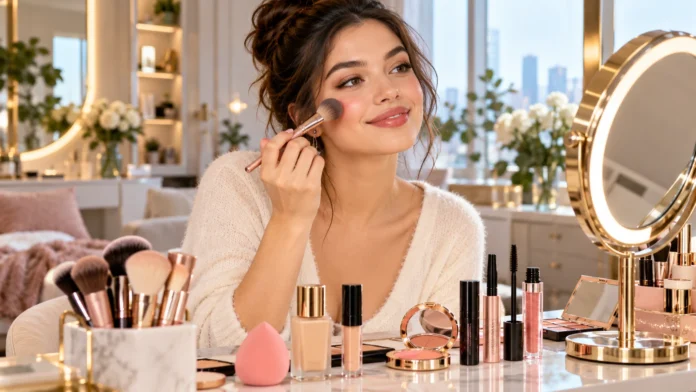

Learning makeup for the first time can feel overwhelming because there are endless products, techniques, tutorials, and beauty trends competing for attention. The good news is that beginners do not need a huge makeup collection or advanced skills to create a polished look. A few reliable products and simple techniques can make a noticeable difference.
In 2026, makeup trends are becoming more beginner-friendly, with greater emphasis on natural-looking skin, lightweight formulas, soft definition, and products that are easy to blend. Instead of covering every feature, modern makeup focuses on enhancing the face while allowing natural texture, freckles, and individual characteristics to remain visible.
The best approach is to learn basic makeup techniques before experimenting with complicated looks. Understanding skin preparation, foundation application, concealer placement, blush, brows, eye makeup, and lip products gives you a strong foundation. Once these basics feel comfortable, you can gradually introduce bolder colors, advanced techniques, and trending products.
Start With Proper Skin Preparation
Good makeup begins before foundation touches your face. Clean, moisturized skin creates a smoother surface and helps makeup blend more evenly, reducing the appearance of dry patches or uneven texture. Use a gentle cleanser when needed, followed by a moisturizer suited to your skin type before beginning your makeup routine.
If your skin is dry, choose a hydrating moisturizer that leaves the complexion comfortable without feeling excessively greasy. Oily or combination skin may work better with lightweight gel-based hydration, while sensitive skin often benefits from simple fragrance-free formulas. Give your moisturizer a few minutes to settle before applying complexion products.
Sunscreen should also be part of your daytime preparation, especially when you are heading outdoors. Choose a broad-spectrum sunscreen that works comfortably beneath makeup and allow it to set properly. Proper skin preparation often improves your final makeup more than adding extra layers of foundation, powder, or primer.
Keep Your Beginner Makeup Kit Simple
One of the most useful makeup tips for beginners is to avoid buying everything at once. Start with essentials such as foundation or skin tint, concealer, blush, brow product, mascara, a neutral eyeshadow, lip color, and basic application tools. You can always expand your collection as your technique and preferences develop.
Choose versatile products whenever possible because they make learning easier and reduce unnecessary spending. A neutral eyeshadow palette can create multiple everyday looks, while a cream blush may double as a subtle lip color depending on the formula. Multifunctional makeup is especially useful when you are still discovering which products you actually enjoy using.
Do not assume that expensive makeup automatically produces better results. Affordable beauty products can perform extremely well when shades and formulas suit your skin. Focus on texture, pigmentation, ease of blending, wear time, and compatibility with your routine rather than choosing products mainly because they are heavily promoted online.
Choose the Right Foundation Shade and Formula
Foundation should help even out your complexion without making your face look completely different from your neck. When possible, test several shades along your jawline instead of your wrist or hand because facial undertones can differ. The best match should blend naturally into both the face and neck without appearing noticeably orange, pink, or gray.
Understanding your skin type can also help you choose a better foundation formula. Dry skin often looks more comfortable with hydrating or luminous finishes, while oily skin may prefer natural-matte or oil-controlling formulas. Combination skin can use different preparation techniques in different areas instead of relying solely on one extremely matte product.
Beginners usually benefit from starting with light or medium coverage rather than applying heavy foundation immediately. Use a small amount and blend it outward from the center of your face, adding coverage only where needed. Building thin layers generally creates a more natural finish and makes mistakes easier to correct.
Apply Concealer Only Where You Need It
Concealer is useful for brightening the under-eye area and covering specific blemishes or uneven spots, but applying too much can make makeup look heavy. Instead of creating a large triangle beneath each eye, beginners can place small amounts around areas of discoloration and blend gently until the edges disappear.
For under-eye makeup, choose a concealer that feels flexible and does not emphasize dryness. A shade close to your natural complexion usually creates the most natural result, while a slightly lighter shade can provide subtle brightness. Extremely pale concealer may create an obvious contrast that becomes difficult to blend with the rest of your complexion.
Use a fingertip, sponge, or small brush to blend depending on your preference. Patting usually works better than dragging because it keeps the product concentrated where coverage is needed. If your concealer tends to crease, apply only a small amount of finely milled setting powder rather than heavily coating the entire under-eye area.
Learn How to Use Blush for a Fresh Look
Blush is one of the easiest ways to make beginner makeup look more lively and balanced. Soft pink, peach, rose, berry, and neutral tones can bring warmth back to the face after foundation and concealer have evened out the complexion. Choosing a shade that complements your undertone generally creates the most natural effect.
Placement can change the overall appearance of your makeup. Applying blush toward the apples of the cheeks creates a youthful, rounded effect, while placing it slightly higher toward the temples can give the face a lifted appearance. Beginners should experiment gradually rather than following one placement rule for every face shape.
Cream and liquid blush formulas continue to be popular because they can create a fresh, skin-like finish. However, powder blush remains easy to control and works particularly well for oily skin or anyone who prefers traditional makeup. Start with a small amount because adding more pigment is much easier than removing excess color.
Keep Contour and Bronzer Soft
Contour and bronzer are often confused, but they serve slightly different purposes. Bronzer adds warmth to areas where sunlight naturally reaches the face, while contour uses cooler tones to create the appearance of subtle shadows. Beginners do not necessarily need both products to achieve a polished everyday makeup look.
If you use bronzer, lightly apply it around the forehead, temples, cheek area, and other places where you want gentle warmth. Blend carefully to avoid harsh lines or obvious patches. A soft bronzed finish usually looks more natural than applying a very dark shade simply because dramatic contouring appears popular in tutorials.
For contour, use a small amount beneath the cheekbones or around areas you want to define. The goal should be subtle dimension rather than completely changing your facial structure. Blending is essential, and beginners should remember that makeup viewed in natural daylight often appears stronger than it does under bright indoor lighting.
Make Your Brows Look Natural
Well-groomed brows can frame the face and make a simple makeup look appear more complete. Beginners should focus on filling sparse areas rather than drawing an entirely new eyebrow shape. Follow your natural brow structure and use light, hair-like strokes instead of applying one thick block of color.
Brow pencils are easy to control and work well when you need precision. Tinted brow gels are useful for quick everyday makeup because they can add subtle color while keeping hairs in place. People with naturally full brows may need only a clear or lightly tinted gel to achieve a polished result.
Choose a brow shade close to your natural hair color, although extremely dark shades can sometimes appear harsh. Blend pencil or powder with a spoolie brush after application to soften visible lines. This simple step helps create a more realistic finish and prevents the brows from overpowering the rest of your makeup.
Master Simple Eye Makeup First
Beginners do not need complicated cut creases, graphic liner, or several eyeshadow colors to make their eyes stand out. A neutral shadow across the eyelid with a slightly deeper shade blended into the crease can create definition while remaining easy to apply. Soft browns, taupes, peaches, and beige tones are especially beginner-friendly.
Blend eyeshadow gradually using light pressure rather than trying to create strong color immediately. Place pigment where you want it, then soften the edges using a clean or lightly loaded blending brush. Taking a little extra time to blend often improves an eye look more than adding additional colors or layers.
Eyeliner is optional, particularly when you are still learning. If liquid liner feels difficult, try using a soft pencil or dark eyeshadow close to the lash line for gentle definition. This technique creates a forgiving effect and allows small mistakes to blend naturally rather than requiring perfectly sharp lines.
Use Mascara to Define Your Eyes
Mascara can make a significant difference even when you skip eyeshadow and eyeliner entirely. Curling your lashes first can help open the eyes, while mascara adds darkness, length, and definition. Apply from the base of the lashes and gently move the wand upward to distribute the product.
Beginners should avoid repeatedly layering mascara after it has started drying because too many coats can create clumps. One or two light layers are usually enough for an everyday makeup look. If your lashes stick together, a clean lash comb can help separate them before the product becomes completely dry.
Waterproof mascara can be useful for humid weather, special occasions, or watery eyes, but it may require more careful removal. Regular formulas can be easier for everyday wear and gentle cleansing. Whichever option you choose, remove mascara thoroughly before sleeping to prevent product buildup around the eyes.
Choose Beginner-Friendly Lip Products
Lip products are one of the easiest ways to change the mood of your makeup without learning advanced techniques. Tinted balms, lip oils, glosses, soft lipsticks, and neutral liners are excellent beginner options because they are relatively easy to apply and usually require less precision than highly pigmented matte formulas.
If you want more definition, use a lip liner close to your natural lip color and lightly trace your existing lip shape. You can slightly soften or balance the edges, but dramatic overlining may be difficult to maintain evenly. Blend the liner inward before adding lipstick or gloss for a smoother transition.
Hydrated lips also make color look better, particularly when wearing satin or matte products. Use lip balm regularly and gently remove flaky skin when necessary without aggressive scrubbing. In 2026, comfortable glossy and balm-like finishes remain especially practical for beginners who want polished lips with minimal effort.
Learn to Use Powder Without Looking Cakey
Setting powder can help control shine and improve makeup wear, but using too much may emphasize texture or dryness. Beginners should focus powder mainly on areas that become oily, such as the forehead, nose, chin, or around the sides of the nose, rather than automatically covering the entire face.
Use a fluffy brush for light application or a small powder puff when you need more targeted setting. Pressing a tiny amount over concealer or oily areas can improve longevity without creating a thick layer. Always remove excess powder from your tool before applying it to avoid depositing too much product at once.
People with dry skin may need very little powder or none in certain areas. A natural glow is not necessarily something that needs to be removed, especially as modern makeup trends favor skin-like finishes. Adjust powder placement based on your skin rather than following routines designed for completely different complexions.
Use the Right Makeup Brushes and Tools
You do not need a professional collection of twenty brushes to apply makeup successfully. A foundation sponge or brush, fluffy powder brush, blush brush, eyeshadow blending brush, and small detail brush can handle most beginner makeup looks. Many products can also be blended effectively using clean fingertips.
Beauty sponges generally create a soft finish when slightly damp, while brushes can offer more controlled coverage. Fingers work particularly well with many cream products because natural warmth helps soften the formula. Try different application methods and choose the one that feels easiest rather than assuming there is only one correct technique.
Keeping your makeup tools clean is equally important. Brushes and sponges collect product, skin oils, and debris with repeated use, which can affect application and hygiene. Wash frequently used tools regularly using an appropriate cleanser, rinse thoroughly, and allow them to dry completely before using them again.
Follow the Less-Is-More Approach
One of the best makeup tips for beginners in 2026 is simply to use less product. Heavy layers are harder to blend, more likely to crease, and easier to notice throughout the day. Starting with small amounts gives you greater control and allows the natural character of your skin to remain visible.
This approach works across almost every makeup category. Use one pump or less of foundation before adding more, tap blush onto the cheeks gradually, and build eyeshadow color slowly. Makeup becomes easier when you treat coverage and pigment as something you can increase rather than something you need to correct afterward.
Natural-looking makeup also tends to feel more comfortable during long days. Instead of trying to achieve completely poreless skin, concentrate on balancing tone, enhancing features, and creating a finish you enjoy. Modern beauty is increasingly about personalization rather than forcing every face into the same highly perfected style.
Practice Makeup in Natural Lighting
Lighting can dramatically affect how makeup appears. Warm bathroom lighting may hide uneven foundation, while extremely bright mirrors can encourage you to apply more product than necessary. Whenever possible, check your makeup near a window or in balanced daylight before deciding whether you need additional coverage or color.
Natural light makes it easier to spot foundation lines around the jaw, unblended concealer, excessive blush, or eyeshadow edges. It can also help you understand how different colors actually look against your complexion instead of relying only on how products appear under artificial lighting.
Taking occasional photos can also help beginners evaluate their progress. You may notice blending, color balance, or foundation matching differently in photographs than in the mirror. Use these observations as learning opportunities instead of expecting perfect results immediately, because makeup skills naturally improve through repeated practice.
Avoid Comparing Your Makeup to Filtered Content
Social media provides useful makeup inspiration, but it can also create unrealistic expectations. Filters, professional lighting, editing, and camera settings can make skin appear completely smooth and makeup look more flawless than it does in everyday life. Real faces naturally have pores, texture, lines, and asymmetry.
Beginners sometimes assume their makeup is unsuccessful because it does not resemble highly edited beauty content. In reality, makeup that looks attractive in person may still show texture when viewed closely. Your goal should be creating a look that makes you feel comfortable and confident rather than achieving digital perfection.
Use tutorials to learn techniques, but adapt them to your own facial features and preferences. A method that works beautifully for one creator may not suit your eye shape, skin type, complexion, or lifestyle. Makeup becomes much easier once you stop treating trends as strict rules.
Conclusion
The best makeup tips for beginners in 2026 focus on simplicity, good preparation, controlled product application, and natural-looking results. You do not need an enormous collection or advanced techniques to create attractive makeup. Learning a few basics well will usually deliver better results than attempting complicated trends immediately.
Begin with healthy skin preparation, light complexion coverage, carefully placed concealer, soft blush, natural brows, simple eye makeup, mascara, and a comfortable lip product. Build coverage gradually and choose formulas suited to your skin type so your routine remains easy to apply and comfortable to wear.
Most importantly, give yourself time to practice. Makeup is a skill, and small mistakes are part of learning what suits your face. Experiment with colors and techniques at your own pace, keep the methods you enjoy, and allow your personal makeup style to develop naturally.
FAQs
What makeup products should a beginner buy first?
Start with foundation or skin tint, concealer, blush, brow product, mascara, a simple eyeshadow palette, lip product, and a few basic tools. Add other products only when you genuinely need them.
Should beginners use foundation or skin tint?
Either can work, but skin tints and light-coverage foundations are often easier to blend. They allow natural skin to show through while helping even out tone without creating a heavy appearance.
How can beginners make makeup look natural?
Use thin layers, choose shades close to your natural coloring, blend carefully, and avoid excessive powder. Concentrate on enhancing your features rather than trying to completely cover natural skin texture.
What is the easiest eye makeup for beginners?
Apply a neutral shade across the eyelid and blend a slightly deeper color through the crease. Finish with mascara, and optionally use soft pencil liner or dark eyeshadow near the lashes for definition.
How long does it take to become good at makeup?
There is no fixed timeline because everyone learns differently. Regular practice with a few basic techniques can improve your skills significantly, while experimenting gradually helps you discover which products and methods work best for you.