

Why Visit Tanis, Egypt?
Tanis is one of Egypt’s most intriguing ancient destinations, especially for travelers who want to explore somewhere beyond the country’s busiest archaeological sites. Set in the Nile Delta, the ruins reveal traces of temples, royal monuments, enormous stone statues, and centuries of Egyptian history. The quieter atmosphere also makes the site appealing to visitors who enjoy exploring ancient places without overwhelming crowds.
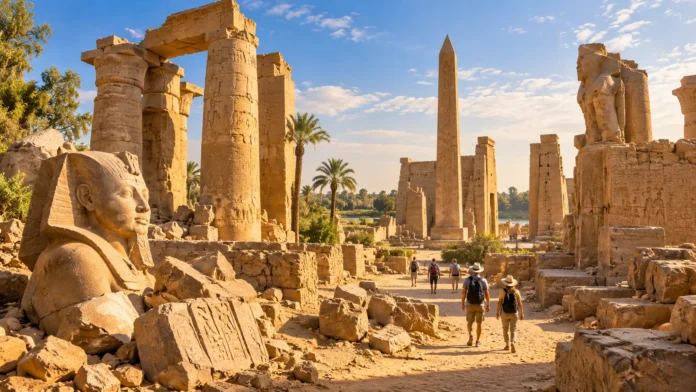
Unlike highly developed tourist attractions, Tanis feels more like an active archaeological landscape where history is scattered across open ground. Broken columns, carved blocks, statues, inscriptions, and temple remains encourage visitors to slow down and examine the details. Instead of moving between polished displays, you experience the ruins within the environment where many of these monuments once stood.
Tanis is particularly interesting for travelers fascinated by ancient Egyptian dynasties, archaeology, and lesser-known historical destinations. Its importance as a royal city gives it much more significance than its relatively low profile might suggest. Adding Tanis to an Egypt itinerary can therefore provide a different perspective on the civilization beyond famous destinations such as Giza, Luxor, and Aswan.
Explore the Ancient Ruins of Tanis
Exploring the archaeological site is the main reason to visit Tanis. The surviving ruins are spread across a broad area, with monumental stone pieces appearing throughout the landscape. Visitors can walk among architectural fragments and imagine the temples, ceremonial spaces, and royal structures that once made this settlement an important political and religious center in ancient Egypt.
Because much of the site is open, comfortable walking shoes are essential. The terrain can be uneven, dusty, and exposed to the sun, so exploring slowly is generally more enjoyable than rushing between monuments. Carrying water, wearing lightweight clothing, and using sun protection can make a significant difference, especially during warmer periods of the year.
One of the pleasures of Tanis is that exploration feels less structured than visiting a modern museum. Instead of seeing objects arranged behind glass, travelers encounter monumental remains directly within the archaeological landscape. Take time to examine carved surfaces, hieroglyphic details, fragmented statues, and differences in stone because these small observations make the experience far more rewarding.
Discover the Temple of Amun Area
The Temple of Amun was one of the most significant religious complexes associated with ancient Tanis. Although visitors today encounter ruins rather than a complete temple, the surviving architectural elements help demonstrate the scale and religious importance of the city. Large stone fragments, columns, inscriptions, and monumental remains provide clues about how impressive the sacred complex once appeared.
Walking through the temple area is especially worthwhile for travelers who have already visited other Egyptian temples. Recognizing familiar architectural elements makes it easier to visualize how the sanctuary may have functioned when complete. At the same time, the fragmented condition of Tanis creates a very different experience from more extensively preserved temple complexes elsewhere in the country.
Give yourself enough time to look beyond the largest monuments. Smaller carved blocks and architectural pieces can reveal decorative patterns, royal names, religious symbols, and traces of craftsmanship that are easily missed when moving quickly. A knowledgeable guide can also help provide historical context and explain how archaeologists have interpreted different parts of the temple complex.
See the Royal Tombs of Tanis
Tanis became internationally famous among archaeologists because of important royal burials discovered within the ancient city. These discoveries helped scholars better understand rulers from periods of Egyptian history that receive less attention from casual travelers. For history enthusiasts, knowing that significant royal treasures were found here makes walking around the site considerably more meaningful.
The surviving tomb areas are more understated than the enormous royal monuments many travelers associate with ancient Egypt. That contrast is part of their appeal. Instead of vast pyramids or decorated mountain tombs, Tanis demonstrates how royal burial traditions varied across different periods and locations within Egyptian history.
Before visiting, learning a little about the rulers connected with Tanis can greatly improve the experience. Understanding why kings established power in the Nile Delta and how the city developed as an important royal center gives context to what might otherwise appear as scattered ruins. Even a short introduction to the historical period makes the archaeological remains easier to appreciate.
Admire Statues, Obelisks, and Stone Monuments
Some of the most visually impressive sights at Tanis are the huge stone monuments scattered throughout the archaeological site. Visitors can encounter remains of colossal statues, decorated stone blocks, columns, and obelisk fragments. Their scale provides an immediate reminder of the resources and craftsmanship that ancient rulers invested in monumental architecture and religious spaces.
Many monuments are no longer standing in their original positions, but that does not make them less fascinating. Seeing enormous statues lying among temple ruins creates a powerful sense of how much the site has changed over thousands of years. Weathering, reuse, destruction, excavation, and environmental changes have all shaped the archaeological landscape visible today.
Photography enthusiasts will find plenty of interesting compositions among the monuments. Carved hieroglyphs, weathered stone surfaces, contrasting shadows, and monumental fragments can produce dramatic images, particularly when sunlight falls across the ruins at an angle. Be respectful of any barriers or preservation instructions while photographing archaeological remains, since protecting the site is more important than getting a particular picture.
Learn About the History of Ancient Tanis
Understanding Tanis becomes easier when you recognize its role in Egypt’s changing political geography. The Nile Delta supported important settlements because its waterways, fertile land, and connections with surrounding regions made it strategically valuable. Over time, Tanis developed into an influential political and religious center associated with rulers who governed from northern Egypt.
Ancient Egyptian cities did not remain static. Temples were expanded, monuments were reused, settlements shifted, and rulers sometimes incorporated material from older locations into newer construction. This complex history explains why interpreting archaeological sites such as Tanis requires careful study rather than assuming every monument was originally created exactly where it is found today.
For travelers, this historical complexity makes Tanis more interesting rather than less. The site represents multiple layers of Egyptian civilization and shows how political centers could rise and decline over centuries. Visiting Tanis can therefore broaden your understanding of ancient Egypt beyond the better-known narratives focused primarily on pyramids, pharaohs, and southern temple cities.
Enjoy a Quieter Side of Egyptian Archaeology
One advantage of visiting Tanis is the possibility of experiencing ancient ruins in a calmer setting. Egypt’s most famous attractions can become extremely busy, particularly during peak travel periods. Tanis usually attracts travelers specifically interested in archaeology, which can create a slower and more contemplative atmosphere while exploring the historical landscape.
A quieter site also gives you more time to focus on individual details. You can study stonework, photograph monuments, listen to explanations from a guide, and imagine how the ancient city may once have looked without constantly moving around large tour groups. For travelers who enjoy absorbing historical places gradually, this can become one of the highlights of the visit.
However, fewer visitors also mean you should not expect the same tourism infrastructure found around major attractions. Planning transportation, food, water, and your return journey in advance is sensible. Tanis is best approached as an archaeological excursion rather than a destination filled with restaurants, entertainment, shopping streets, and other conventional tourist facilities.
Best Time to Visit Tanis
The cooler months are generally more comfortable for exploring archaeological sites in Egypt because visitors spend significant time outdoors. Walking among open ruins becomes much easier when temperatures are moderate. If you dislike intense heat, arranging your Egypt itinerary during the cooler part of the year can make Tanis and other outdoor attractions noticeably more enjoyable.
Regardless of season, visiting earlier in the day is often a practical choice. Morning temperatures can feel more comfortable, and softer sunlight may also improve photography. Starting early gives you additional flexibility if transportation takes longer than expected or if you want to spend more time examining monuments instead of feeling pressured to leave.
Weather protection should still be part of your planning. Wear breathable clothing, comfortable shoes, a hat, and suitable sun protection, and carry enough drinking water for your visit. Because Tanis is primarily an outdoor archaeological experience, preparation for sun, wind, dust, and walking can influence how much you actually enjoy the site.
How Much Time Do You Need in Tanis?
Most travelers can experience the main archaeological areas of Tanis during a focused visit rather than needing several days. However, the ideal duration depends on your interest in archaeology. Someone who simply wants to see the major remains may move relatively quickly, while history enthusiasts could spend considerably longer examining individual monuments and discussing the site with a guide.
Avoid planning such a tight schedule that you have to rush through the ruins. Archaeological sites become much more meaningful when you have time to observe details and understand what you are seeing. Allowing extra time also helps account for transportation delays, rest breaks, photography, and the uneven walking conditions found around ancient monuments.
If Tanis forms part of a broader exploration of the Nile Delta, consider dedicating most of the day to the excursion and surrounding travel. This creates a more relaxed experience and prevents the archaeological visit from becoming just another rushed stop. Travelers who value historical depth usually benefit from fewer destinations explored properly rather than many attractions visited briefly.
What to Bring When Visiting Tanis
Comfortable footwear should be near the top of your packing list because exploring Tanis involves walking across archaeological terrain. Choose shoes with reliable grip and support rather than footwear designed mainly for city sightseeing. Lightweight, breathable clothing can also help you remain comfortable during extended periods outdoors, particularly if the weather becomes warm.
Bring drinking water and consider carrying a few simple snacks, especially if your transportation plan does not include convenient stops. Sunglasses, a hat, and sun protection are also useful because shade can be limited around exposed ruins. A small backpack keeps these essentials together while leaving your hands free for photography and moving across uneven ground.
Photography equipment should remain relatively lightweight unless you are visiting specifically for professional work. A phone or compact camera is usually enough for capturing monuments, inscriptions, and landscapes. Travelers who enjoy recording historical details may also benefit from keeping notes about particular structures, because remembering individual ruins can become difficult after visiting several Egyptian archaeological sites.
Should You Visit Tanis With a Guide?
A guide can significantly improve a visit to Tanis because many archaeological remains are fragmented and may be difficult to interpret without background knowledge. A knowledgeable guide can explain what specific structures represented, why particular rulers were important, and how archaeological discoveries changed historians’ understanding of the city. This turns scattered stone remains into a much clearer historical story.
Independent travelers can still enjoy Tanis, particularly if they research the site beforehand. Reading about the major temple areas, royal tomb discoveries, and historical periods connected with the city will help you recognize significant features. Downloading or saving useful background information in advance is sensible because you should not rely entirely on having perfect mobile connectivity while exploring.
The best approach depends on your travel style. Visitors primarily interested in photography and atmosphere may be comfortable exploring more independently, while serious history enthusiasts can gain considerable value from expert interpretation. If Tanis is your first lesser-known Egyptian archaeological site, guided context can make the experience much easier to understand and remember.
Combine Tanis With a Wider Egypt Itinerary
Tanis works best as part of a broader Egyptian journey rather than as a standalone vacation destination. Travelers can combine famous attractions with lesser-visited archaeological places to gain a more balanced understanding of the country. Seeing both monumental tourist icons and quieter ruins demonstrates how diverse Egypt’s ancient settlements, religious centers, and royal landscapes really were.
If your itinerary focuses heavily on Cairo and the major Nile destinations, Tanis offers a chance to explore the northern Delta region. It introduces another geographical dimension to Egyptian history and shows that important political centers were not limited to the areas most tourists visit. This variety can make a longer cultural trip much more rewarding.
When planning your route, prioritize realistic travel times instead of trying to include too many attractions in one day. A successful archaeological itinerary needs space for transportation, rest, meals, and unexpected delays. Tanis is most rewarding when treated as a meaningful historical destination rather than simply another location to check off a long sightseeing list.
Is Tanis Worth Visiting?
Tanis is worth considering if ancient history and archaeology are important parts of your travel experience. The ruins do not offer the same instantly recognizable spectacle as the pyramids, yet their historical significance and quieter atmosphere provide something different. Travelers who enjoy understanding the stories behind archaeological sites may find Tanis especially memorable.
It may be less suitable for visitors with very limited time in Egypt. First-time travelers who only have a few days will often prioritize the country’s major landmarks before exploring lesser-known locations. However, repeat visitors, archaeology enthusiasts, photographers, and travelers seeking destinations beyond standard itineraries have stronger reasons to make the journey.
The key is arriving with realistic expectations. Tanis is an archaeological landscape rather than a polished resort or entertainment destination, so its appeal comes from history, ruins, discovery, and atmosphere. If those qualities match the way you enjoy traveling, spending time among the remains of this ancient city can become a fascinating addition to Egypt.
Conclusion
Tanis offers travelers an opportunity to experience a historically important part of ancient Egypt away from many of the country’s busiest tourism centers. Its temple ruins, royal connections, monumental stones, statues, and archaeological landscape reveal a city that once played a major role in northern Egypt. Exploring it can add valuable depth to a history-focused itinerary.
Preparation makes the visit more enjoyable. Comfortable footwear, water, sun protection, realistic transportation planning, and some historical background can help you get much more from the archaeological site. Travelers who prefer detailed interpretation should also consider arranging a knowledgeable guide rather than relying only on what can be understood visually.
For anyone interested in discovering a quieter side of ancient Egypt, Tanis deserves consideration. It rewards curiosity more than rushed sightseeing and encourages visitors to look closely at the remains left across the landscape. Combined with Egypt’s more famous destinations, Tanis can help create a richer understanding of the country’s extraordinary archaeological heritage.
FAQs
Where is Tanis located?
Tanis is an ancient archaeological site in Egypt’s Nile Delta region. It is best known for its temple remains, monumental stonework, royal history, and important archaeological discoveries connected with ancient Egyptian rulers.
What is Tanis famous for?
Tanis is especially known for its ancient temples, royal burials, monumental statues, and archaeological discoveries. It became an important political and religious center during later periods of ancient Egyptian history.
How long should I spend at Tanis?
A focused visit can cover the main archaeological remains within several hours. History enthusiasts may want longer because the open site contains numerous monuments, temple fragments, inscriptions, and areas worth examining carefully.
Is Tanis good for first-time visitors to Egypt?
It can be, but travelers with limited time usually prioritize Egypt’s most famous attractions first. Tanis particularly suits archaeology enthusiasts, repeat visitors, and travelers interested in exploring destinations beyond standard tourist routes.
What should I wear when visiting Tanis?
Wear lightweight, comfortable clothing suited to outdoor conditions and supportive walking shoes for uneven archaeological terrain. A hat, sunglasses, sun protection, and enough drinking water can also make the visit more comfortable.