
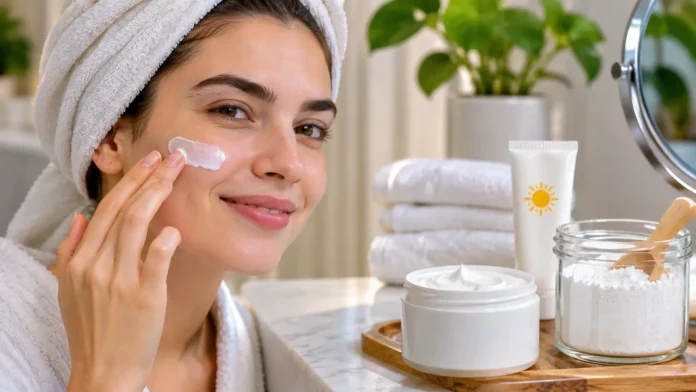

Zinc oxide is a widely used skincare ingredient known for its protective properties and role in mineral sunscreens. It appears in products ranging from daily facial sunscreen to soothing creams and protective ointments. Many people choose zinc oxide skincare products because they provide sun protection and can be suitable for sensitive skin. However, understanding how this ingredient works is important before adding it to your routine.
Whether you are dealing with skin sensitivity, looking for reliable sun protection, or exploring ingredients for your daily skincare routine, zinc oxide deserves attention. Its benefits depend on the product formulation, concentration, and intended purpose. Learning about its uses, safety, and limitations can help you make informed decisions and select suitable skincare products.
What Is Zinc Oxide in Skincare?
Zinc oxide is a white, mineral-based compound made from zinc and oxygen. It has been used for many years in cosmetics, sunscreens, and protective skincare products. Its most recognized purpose is helping protect skin from ultraviolet radiation. The ingredient also appears in barrier creams designed to reduce irritation caused by moisture and friction.
In skincare formulations, zinc oxide functions differently depending on the product’s intended use. Sunscreen products contain it as an active ingredient that provides protection against ultraviolet rays. Protective creams use its ability to form a barrier over the skin. These different applications make zinc oxide a versatile ingredient in personal care products.
Zinc oxide is often described as a physical or mineral sunscreen ingredient. Unlike certain skincare compounds that penetrate the skin to produce their primary effects, zinc oxide mainly performs its protective functions at the skin’s surface. Modern sunscreen formulations use carefully processed particles to improve application and appearance. Product quality and formulation influence the results users experience.
How Does Zinc Oxide Work on the Skin?
Zinc oxide works primarily by forming a protective layer within topical skincare formulations. In sunscreen, its particles absorb, scatter, and reflect ultraviolet radiation before that energy can damage the skin. This action helps reduce exposure to harmful UVA and UVB rays. The effectiveness depends on the complete sunscreen formulation and whether it is applied correctly.
In barrier creams, zinc oxide helps protect the skin from external irritants and excessive moisture exposure. This is particularly useful when skin experiences friction or prolonged contact with damp materials. The protective coating can reduce further irritation while the skin recovers. However, it does not treat every underlying cause of inflammation.
Zinc oxide is generally considered suitable for many skin types because it has a relatively low potential to cause irritation. Nevertheless, the complete product contains additional ingredients that may affect individual skin reactions. Fragrance, preservatives, and other formulation components can influence tolerability. Understanding the full ingredient label is important when evaluating a product.
Zinc Oxide Benefits for Everyday Skincare
One of the most valuable zinc oxide benefits is its ability to protect skin against ultraviolet radiation. Regular sun protection helps reduce sunburn, premature skin aging, and the risk of certain skin cancers. Zinc oxide is a common ingredient in broad-spectrum mineral sunscreens. Choosing a suitable product can support long-term skin health.
Another benefit is its use in protective creams for irritated or vulnerable skin. Zinc oxide can form a barrier that limits contact with moisture and certain external irritants. This property makes it useful in products intended for chafing and diaper rash. Its protective action supports comfort while the skin’s natural barrier recovers.
Zinc oxide is also available in formulations designed for sensitive skin. Many people who experience stinging with certain sunscreen filters find mineral sunscreens more comfortable. However, individual responses vary, and no ingredient works perfectly for everyone. Selecting an appropriate formulation helps maximize benefits while reducing the likelihood of unwanted reactions.
Zinc Oxide Sunscreen and UV Protection
Zinc oxide is a widely used active ingredient in mineral sunscreens because it provides protection across a broad range of ultraviolet wavelengths. UVA rays contribute to skin aging and damage, while UVB rays are strongly associated with sunburn. Effective broad-spectrum sunscreens protect against both types. Zinc oxide can contribute to this protection when formulated appropriately.
For everyday use, dermatologists generally recommend choosing a broad-spectrum sunscreen with SPF 30 or higher. Water-resistant formulations are useful during swimming or activities involving sweating. Zinc oxide concentration alone does not determine the labeled SPF. The finished product must undergo appropriate testing to establish its sun protection performance.
Sunscreen works best when combined with additional protective habits. Seeking shade during intense sunlight, wearing protective clothing, and using suitable hats can reduce unnecessary UV exposure. No sunscreen blocks all ultraviolet radiation. Applying an adequate amount and reapplying as directed remain essential for maintaining protection throughout outdoor activities.
Is Zinc Oxide Good for Sensitive Skin?
Zinc oxide is commonly recommended as a sunscreen ingredient for people with sensitive skin. Mineral sunscreens containing zinc oxide or titanium dioxide may be less likely to cause stinging than some alternative formulations. This makes them useful options for individuals who experience discomfort with certain products. However, sensitivity varies from person to person.
People with conditions such as rosacea or eczema may prefer fragrance-free mineral sunscreen formulations. These products can provide UV protection without some ingredients that trigger irritation. Nevertheless, zinc oxide does not cure rosacea, eczema, or other inflammatory skin disorders. Appropriate medical care may still be necessary when symptoms persist.
When trying a new zinc oxide skincare product, examine its complete ingredient list. A formulation containing fragrance or another irritating ingredient may still cause a reaction. Testing a small area before regular use can help identify potential sensitivity. Stop using the product if persistent redness, burning, or discomfort develops.
Zinc Oxide for Acne-Prone and Oily Skin
People with acne-prone skin often look for sunscreens that provide protection without feeling excessively heavy. Zinc oxide can be included in formulations designed for these preferences. Its mineral UV-filtering properties help protect skin from sunlight. However, zinc oxide in sunscreen should not be considered a proven standalone treatment for acne.
The overall product formulation matters more than the presence of zinc oxide alone. Some mineral sunscreens contain rich oils or heavy ingredients, while others have lightweight textures. Products labeled non-comedogenic may be more suitable for people concerned about clogged pores. Individual tolerance still varies, so personal experience can help guide product selection.
Acne-prone skin also benefits from a simple, consistent skincare routine. Gentle cleansing, suitable moisturizing, and regular sun protection can support overall skin care. Prescription or over-the-counter acne treatments may be needed for persistent breakouts. A dermatologist can recommend appropriate options when acne causes discomfort, scarring, or ongoing concerns.
Zinc Oxide for Skin Irritation and Barrier Protection
Zinc oxide is commonly found in skin-protectant creams and ointments intended to reduce irritation. These products form a protective coating over the skin, limiting exposure to moisture and friction. They are frequently used for diaper rash and certain forms of chafing. Their primary purpose is protection rather than treatment of every possible skin condition.
Barrier products can be useful when repeated rubbing or dampness affects the skin. For example, specially formulated creams may protect areas exposed to frequent moisture. Zinc oxide helps reduce direct contact between the skin and external irritants. Keeping the affected area appropriately clean and dry can support recovery.
Not every rash or irritated area should be treated with zinc oxide without understanding its cause. Fungal infections, allergic reactions, and other medical conditions may require different treatments. Symptoms that worsen, spread, or fail to improve deserve professional evaluation. Zinc oxide can be a helpful protective ingredient, but it is not a replacement for diagnosis.
Zinc Oxide vs Titanium Dioxide in Sunscreen
Zinc oxide and titanium dioxide are two common mineral sunscreen ingredients. Both provide ultraviolet protection by interacting with incoming radiation at the skin’s surface. They are frequently used together in sunscreen formulations. Their combined properties can help manufacturers develop products with desirable protection, texture, and appearance.
Zinc oxide provides protection across UVA and UVB wavelengths, making it particularly useful in broad-spectrum products. Titanium dioxide also contributes to UV protection, although its coverage characteristics differ. A finished sunscreen may combine both ingredients to achieve its intended performance. The actual level of protection depends on product testing rather than ingredient names alone.
Choosing between these ingredients does not require identifying one as universally superior. Both have established uses in sunscreens and can be suitable for sensitive skin. Texture, comfort, white cast, and individual reactions may influence preference. The most useful sunscreen is one that provides appropriate protection and can be used consistently.
Zinc Oxide vs Chemical Sunscreen Ingredients
Mineral and chemical sunscreens differ mainly in the ultraviolet filters they contain. Mineral formulations commonly use zinc oxide or titanium dioxide, while chemical sunscreens use approved organic UV filters. Both categories can protect skin when properly formulated and tested. Neither category should automatically be considered ineffective or unsafe simply because of its name.
A common misconception is that mineral sunscreen only reflects sunlight while chemical sunscreen absorbs it. In reality, zinc oxide also absorbs a substantial portion of ultraviolet radiation while scattering and reflecting some light. This makes the difference between the two categories more complex than popular descriptions suggest. Both rely on physical interactions with UV energy.
Personal preference often determines which sunscreen formulation feels more comfortable. Some people prefer mineral products because of their skin sensitivity, while others prefer chemical sunscreens that blend more transparently. Broad-spectrum protection, adequate SPF, and correct application remain the most important considerations. A product’s performance matters more than broad marketing labels.
How to Use Zinc Oxide in Your Skincare Routine
Adding zinc oxide to a skincare routine usually begins with selecting a suitable mineral sunscreen. During the morning, gently cleanse your skin and apply moisturizer if needed. Follow with a broad-spectrum sunscreen containing zinc oxide as an active ingredient. The sunscreen should be applied according to its label and cover skin exposed to sunlight.
Use enough sunscreen to achieve the protection described on the packaging. Adults generally need approximately two finger lengths of sunscreen for the face, although the correct amount varies with product and coverage area. Reapply approximately every two hours when outdoors and after swimming or sweating. Follow the product’s specific directions for water resistance.
Zinc oxide barrier creams have different instructions from sunscreen products. These creams are generally applied to areas that require protection from moisture or friction. They should not replace a properly tested sunscreen unless the product specifically provides labeled sun protection. Using each formulation for its intended purpose helps maintain appropriate skincare practices.
Common Zinc Oxide Side Effects and Safety Concerns
Topical zinc oxide is generally well tolerated when used according to product instructions. However, some people may experience irritation, dryness, redness, or contact reactions. These effects may result from zinc oxide or other ingredients within the formulation. Persistent discomfort is a reason to discontinue use and seek professional advice when necessary.
One common cosmetic concern is the white cast that some mineral sunscreens leave on the skin. This occurs because zinc oxide particles can scatter visible light. Modern formulations use different particle sizes and textures to reduce this effect. Tinted mineral sunscreens may provide a more transparent appearance across different skin tones.
Questions also arise about zinc oxide nanoparticles and their safety. Available evidence indicates that zinc oxide nanoparticles in approved topical sunscreen formulations do not meaningfully penetrate intact skin. However, inhaling airborne sunscreen particles presents different considerations. Using lotions or creams can avoid the potential inhalation concerns associated with certain sprays or powders.
How to Choose the Best Zinc Oxide Skincare Product
Choosing a zinc oxide product begins with identifying your main skincare goal. For sun protection, look for broad-spectrum SPF 30 or higher and suitable water resistance when needed. For moisture-related irritation, choose a product specifically labeled as a skin protectant. Different formulations serve different purposes and should not be treated as interchangeable.
Skin type and personal comfort also influence product selection. People with dry skin may prefer moisturizing sunscreen creams, while those with oily skin may appreciate lighter formulations. Fragrance-free options can be useful for sensitive skin. Reading the complete ingredient label helps identify products that match individual preferences and previous skin reactions.
Consider product texture, application instructions, and packaging before making a decision. A sunscreen that feels comfortable may be easier to apply consistently in the recommended amount. Expensive products are not automatically more effective than affordable alternatives with appropriate testing. Prioritizing reliable protection and usability creates a practical approach to skincare.
Conclusion
Zinc oxide in skincare is a versatile ingredient commonly used in mineral sunscreens and protective creams. Its ability to provide ultraviolet protection makes it valuable in daily sun care, while its barrier properties support certain skin-protectant applications. Many sensitive-skin formulations include zinc oxide because of its generally favorable tolerability. Understanding these functions helps consumers choose products for appropriate purposes.
The benefits of zinc oxide depend on the complete formulation and how the product is used. Broad-spectrum sunscreen protects against harmful UV exposure when applied correctly, while barrier creams help shield skin from moisture and friction. Neither product category replaces treatment for underlying skin diseases. Individual skin reactions and personal preferences should guide product selection.
A simple skincare routine with gentle cleansing, suitable moisturizing, and reliable sun protection can support skin health over time. Zinc oxide sunscreen may be an effective part of that routine, especially for people who prefer mineral filters. Focus on appropriate SPF, comfortable application, and consistent use rather than exaggerated ingredient claims. Thoughtful skincare choices provide a practical foundation for long-term protection.
Frequently Asked Questions
What does zinc oxide do for your skin?
Zinc oxide helps protect skin from ultraviolet radiation when used in sunscreen. In barrier creams, it forms a protective layer that reduces exposure to moisture and certain irritants, supporting everyday skin care.
Is zinc oxide safe for daily skincare use?
Zinc oxide is generally considered safe for regular topical use in appropriately formulated products. Individual reactions can occur, so follow product instructions and discontinue use if persistent irritation or discomfort develops.
Is zinc oxide good for acne-prone skin?
Zinc oxide sunscreen can provide UV protection for acne-prone skin, particularly in lightweight, non-comedogenic formulations. However, it is not a proven standalone acne treatment, and the overall product ingredients matter.
Does zinc oxide sunscreen leave a white cast?
Some zinc oxide sunscreens leave a visible white residue because mineral particles scatter light. Tinted formulations and newer cosmetic technologies may reduce this effect while maintaining appropriate sunscreen protection.
Can zinc oxide replace moisturizer?
Zinc oxide itself is not a substitute for moisturizer. Some zinc oxide products contain moisturizing ingredients, but their primary purpose may be sun protection or barrier care. Choose products according to your skin’s needs.




