
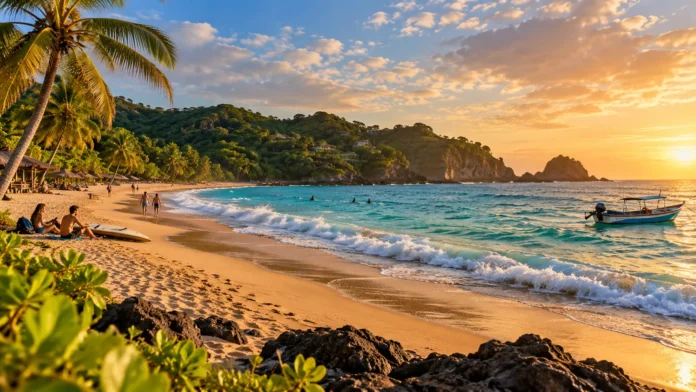

Nicaragua is one of Central America’s most fascinating beach destinations, offering a beautiful combination of Pacific Ocean coastlines and Caribbean island escapes. Travelers can discover golden and volcanic sand beaches, scenic fishing villages, tropical islands, and peaceful coastal landscapes. Whether you enjoy relaxing by the water, exploring local communities, or watching spectacular sunsets, Nicaragua beaches offer diverse experiences.
The country’s Pacific coast is particularly famous for its surf culture, dramatic scenery, and accessible beach towns. Meanwhile, the Caribbean coast features white sand, clear turquoise water, and a slower island atmosphere. This guide explores the best beaches in Nicaragua, highlighting popular attractions, hidden coastal destinations, and practical travel information to help you plan a memorable vacation.
Why Visit Nicaragua Beaches?
Nicaragua offers a remarkable variety of coastal scenery across its Pacific and Caribbean shorelines. The Pacific coast features volcanic sand, rocky headlands, fishing communities, and consistent ocean waves. In contrast, the Caribbean region is known for tropical islands, coral reefs, and clear blue water, creating completely different experiences within the same country.
Another appealing feature is the range of coastal destinations available to travelers. Some areas have established accommodations, restaurants, and organized excursions, while others remain relatively quiet and undeveloped. This variety makes Nicaragua suitable for visitors interested in beachside relaxation, cultural experiences, scenic walks, and observing the natural environment.
Nicaragua’s beaches also provide opportunities to discover local traditions and coastal communities. Fishing remains important in several towns, and local restaurants often serve freshly prepared seafood and regional dishes. Travelers who explore beyond the most popular tourist areas can appreciate the country’s landscapes while supporting locally operated accommodations and tourism businesses.
San Juan del Sur: Best for Coastal Town Atmosphere
San Juan del Sur is one of Nicaragua’s most famous Pacific beach towns, located in the southern department of Rivas. Its horseshoe-shaped bay, colorful buildings, and surrounding hills create a picturesque coastal setting. The town is popular with visitors who want convenient accommodation, restaurants, organized excursions, and access to nearby beaches.
The main beach stretches along the town’s waterfront and offers beautiful views of the surrounding bay. Visitors can enjoy walking beside the water, exploring local shops, and watching fishing boats along the coastline. The Christ of Mercy statue stands above the town and provides an impressive viewpoint overlooking the Pacific Ocean.
San Juan del Sur also serves as a convenient base for visiting several nearby beaches. Travelers can arrange transportation to locations known for surfing, natural scenery, and quieter surroundings. Although the bay can appear sheltered, swimming conditions vary, and visitors should check local safety advice before entering the water.
Playa Maderas: Best for Surfing and Scenic Views
Playa Maderas is one of the best-known surfing beaches in Nicaragua, situated a short drive north of San Juan del Sur. The beach features golden sand, rocky formations, and tropical vegetation along the surrounding hills. Its dramatic coastal appearance makes it attractive for photography, sightseeing, and enjoying the relaxed Pacific atmosphere.
The beach is particularly recognized for its relatively consistent waves and established surfing community. Several local businesses offer accommodations, restaurants, and professional surfing instruction. Wave size and ocean conditions change throughout the year, so beginners should seek qualified guidance and avoid entering unfamiliar water without appropriate supervision.
Visitors who prefer land-based activities can enjoy coastal walks, scenic viewpoints, and beautiful sunsets. The natural rock formations create interesting scenery, particularly when the tide is low. Playa Maderas offers a rewarding combination of outdoor beauty and local coastal culture without requiring visitors to participate in surfing activities.
Playa Hermosa: Best for Wide Beaches and Relaxation
Playa Hermosa is a beautiful Pacific beach located near San Juan del Sur in southern Nicaragua. It is known for its wide sandy shoreline, surrounding green hills, and relatively peaceful environment. The beach provides an attractive escape for travelers who prefer open coastal landscapes away from busier town centers.
Surfing is a popular activity at Playa Hermosa because its coastline receives regular Pacific swells. However, the strength of the waves can change significantly, making some conditions unsuitable for inexperienced visitors. Those interested in lessons should choose reputable instructors and follow local safety recommendations before participating in water activities.
The beach is also appealing for visitors who enjoy walking, taking photographs, and relaxing beside the ocean. Its long shoreline creates an impressive setting for watching the changing colors of the evening sky. Access arrangements and available facilities may vary, so checking transportation and visitor information before arriving is helpful.
Playa El Remanso: Best for a Quiet Coastal Escape
Playa El Remanso is a scenic beach south of San Juan del Sur, surrounded by rocky headlands and natural coastal landscapes. The relatively sheltered bay gives it a distinctive appearance compared with more exposed Pacific beaches. Its peaceful setting appeals to visitors looking for a quieter alternative to busy tourist areas.
The beach is known for smaller waves during certain conditions, making it a location where organized beginner surfing lessons are sometimes offered. However, ocean conditions can change quickly, and sheltered scenery does not guarantee safe swimming. Visitors should assess local warnings and avoid entering the water when currents or surf appear dangerous.
El Remanso is equally enjoyable for travelers who prefer watching the ocean from shore. Coastal scenery, open views, and a relaxed atmosphere make it an appealing location for photography and peaceful afternoons. Bringing suitable sun protection and confirming available facilities can help create a comfortable visit.
Playa El Coco: Best for Natural Beauty and Peaceful Walks
Playa El Coco is a beautiful sandy beach located south of San Juan del Sur, close to Nicaragua’s border with Costa Rica. Its broad shoreline, surrounding vegetation, and comparatively quiet atmosphere create a memorable coastal landscape. The beach is particularly attractive for visitors seeking natural scenery rather than a busy resort environment.
The area is known for its connection to the surrounding coastal ecosystem. Nearby La Flor Wildlife Refuge protects important nesting habitat for sea turtles, which visit the region during particular seasons. Wildlife experiences should be arranged through appropriate local operators, and visitors must respect conservation rules protecting nesting animals.
Playa El Coco offers excellent opportunities for scenic walking and appreciating the Pacific coastline. Families and nature enthusiasts may enjoy the open landscape, although swimming conditions require caution. Visitors should check transportation options and plan ahead because services may be more limited than those available in larger beach towns.
Popoyo and Playa Guasacate: Best for Coastal Scenery
Popoyo is one of Nicaragua’s most recognized Pacific surfing destinations, located in the municipality of Tola in Rivas. The surrounding coastline features attractive beaches, rocky formations, and small communities connected to coastal tourism. Travelers visit the region for its natural scenery, relaxed atmosphere, and established surfing culture.
Nearby Playa Guasacate offers a broad sandy shoreline and convenient access to several local accommodations and restaurants. Visitors can enjoy beach walks, coastal photography, and peaceful views of the Pacific. The surrounding area provides an alternative to larger resort destinations, particularly for travelers interested in simple coastal experiences.
Popoyo’s surf breaks can be powerful, and some involve reefs or challenging ocean conditions. These areas are not suitable for casual swimming or inexperienced water users. Travelers should distinguish between beaches intended for relaxation and areas with strong surf, following local guidance and choosing shore-based activities when conditions are unsafe.
Playa Gigante: Best for Traditional Fishing Village Charm
Playa Gigante is a picturesque coastal village in the Tola region of Nicaragua. The beach sits beside a curved bay surrounded by green hills and rocky coastal formations. Its traditional fishing community and modest tourism development create a relaxed atmosphere that appeals to visitors seeking an authentic coastal setting.
Walking along the waterfront provides opportunities to observe everyday village life and enjoy impressive ocean views. Small restaurants and local accommodations contribute to the area’s welcoming character. Visitors may also appreciate the contrasting landscapes of sandy beaches, fishing boats, and surrounding tropical vegetation.
Playa Gigante is a useful destination for travelers who prefer smaller coastal communities over busy tourist centers. Nearby beaches and viewpoints provide additional sightseeing opportunities, although transport arrangements may require planning. Supporting local businesses and respecting fishing activities can make a visit more meaningful for both travelers and residents.
Las Peñitas and Poneloya: Best Beaches Near León
Las Peñitas is a popular Pacific beach destination located near the historic city of León. Its long stretch of dark volcanic sand, coastal scenery, and nearby restaurants makes it attractive for visitors seeking a beach excursion. The area offers a quieter contrast to León’s churches, museums, and busy urban streets.
The nearby Juan Venado Nature Reserve protects coastal habitats, including mangroves and important wildlife environments. Guided nature excursions provide opportunities to learn about the ecosystem and observe birds when conditions permit. These experiences are particularly suitable for travelers interested in conservation and exploring Nicaragua beyond its traditional beach attractions.
Poneloya, located close to Las Peñitas, is another coastal destination known for its broad shoreline and attractive sunset views. Visitors can enjoy local food and appreciate the natural scenery. Strong currents are a serious concern along this coastline, so swimming should never be assumed safe simply because the beach looks peaceful.
Playa Jiquilillo: Best for Uncrowded Pacific Scenery
Playa Jiquilillo is a quiet beach destination in northwestern Nicaragua, within the department of Chinandega. Its long sandy coastline and peaceful surroundings create an appealing setting for travelers looking to escape crowded tourist areas. The beach is particularly attractive for walking, photography, and appreciating the open Pacific landscape.
The surrounding region contains coastal communities and important natural habitats. Visitors can experience a slower atmosphere while observing fishing traditions and local daily life. The relatively limited development may appeal to travelers seeking simplicity, although it also means transportation, accommodation, and dining options require additional planning.
Jiquilillo is best appreciated through activities that emphasize its natural beauty and tranquility. Long shoreline walks and sunset photography provide enjoyable experiences without entering potentially hazardous water. Travelers should arrive with appropriate supplies and confirm local transport arrangements, especially when visiting during quieter travel periods.
Little Corn Island: Best for Caribbean Island Beauty
Little Corn Island is one of Nicaragua’s most beautiful Caribbean destinations, offering tropical scenery and a relaxed island atmosphere. Located off the country’s eastern coast, it is known for palm-lined beaches, turquoise water, and relatively small-scale tourism. The island provides a striking contrast to Nicaragua’s volcanic Pacific coastline.
Visitors can explore sandy paths, enjoy ocean views, and discover the island’s laid-back community. The absence of regular private car traffic contributes to its peaceful character, although walking conditions vary. Local restaurants and accommodations offer opportunities to experience Caribbean-influenced food and traditions while appreciating the surrounding natural environment.
Access generally involves traveling through Big Corn Island before taking a passenger boat, with schedules influenced by weather and sea conditions. Some surrounding waters contain coral reefs and marine life, but water activities require qualified operators and careful safety planning. Visitors should also consider the limited availability of advanced medical services.
Big Corn Island: Best for Tropical Beaches and Culture
Big Corn Island is the larger of Nicaragua’s two main Corn Islands and an attractive destination for Caribbean coastal experiences. Its shoreline includes sandy beaches, tropical vegetation, and beautiful ocean views. Unlike the more secluded Little Corn Island, it offers a broader selection of local roads, services, and transportation connections.
The island’s cultural atmosphere reflects Caribbean traditions and a history shaped by different communities. Visitors can explore coastal neighborhoods, enjoy regional cuisine, and appreciate the island’s slower pace of life. Beaches such as Long Bay provide appealing seaside scenery, although conditions and accessibility vary around the island.
Big Corn Island is particularly suitable for travelers interested in island culture and quiet coastal exploration. Weather can influence flights, boats, and other travel arrangements, so flexible scheduling is helpful. Travelers should prioritize reputable transport providers and recognize that emergency medical resources are more limited than in major cities.
Best Time to Visit Nicaragua Beaches
The best time to visit Nicaragua beaches depends on whether you are exploring the Pacific coast or the Caribbean islands. Nicaragua generally experiences a drier season from approximately November through April, although conditions vary between regions. These months are often popular for travelers who prefer sunny coastal sightseeing and easier overland travel.
The Pacific rainy season typically brings greener landscapes and more frequent rainfall between May and October. Surf conditions can also change during this period, but larger waves may make some beaches more dangerous. The Caribbean coast follows different weather patterns, and rain can occur throughout the year.
Travelers should check local forecasts, seasonal storms, and transportation conditions before finalizing their plans. Tropical weather can disrupt ferries, flights, and access to more remote destinations. Building flexibility into the itinerary helps reduce problems caused by unexpected changes and creates a more comfortable coastal vacation.
Essential Travel Tips for Nicaragua’s Coast
Transportation planning is important because Nicaragua’s beaches vary significantly in accessibility. Popular areas near San Juan del Sur and León are easier to reach than remote coastal communities and Caribbean islands. Reliable local transport, suitable accommodation, and realistic travel schedules can make exploring different regions more manageable.
Beach safety requires particular attention because dangerous currents, powerful surf, and limited lifeguard coverage affect many Nicaraguan coastal destinations. Visitors should avoid swimming in unfamiliar conditions and follow local warnings. Reputable operators, appropriate travel insurance, and a clear plan for accessing medical assistance are especially important in remote areas.
Before traveling, review current government travel advisories, entry requirements, and regional security conditions. Nicaragua has been subject to serious official travel warnings, so destination-specific risk assessment is important. Protect personal belongings, avoid unnecessary travel after dark in unfamiliar areas, and remain respectful of local communities and protected environments.
Conclusion
Nicaragua beaches offer an impressive variety of coastal experiences across the Pacific Ocean and Caribbean Sea. From the lively atmosphere of San Juan del Sur to the peaceful surroundings of Playa El Coco, each destination has a distinctive character. Visitors can enjoy beautiful landscapes, traditional coastal communities, and memorable views of Nicaragua’s diverse shoreline.
The Pacific coast is especially appealing for dramatic sunsets, volcanic sand, and established surf destinations. Meanwhile, Big Corn Island and Little Corn Island provide tropical Caribbean scenery and opportunities to experience island culture. Choosing the right destination depends on your interests, travel budget, preferred atmosphere, and transportation requirements.
Planning a successful Nicaragua beach vacation involves considering seasonal weather, regional safety, and the facilities available at each destination. Travelers should exercise particular caution around strong currents and remote coastal areas. With informed planning and appropriate precautions, Nicaragua’s coast offers beautiful scenery and rewarding opportunities to appreciate the country’s natural and cultural heritage.
Frequently Asked Questions
What are the best beaches in Nicaragua?
Popular Nicaragua beaches include San Juan del Sur, Playa Maderas, Playa Hermosa, Popoyo, Las Peñitas, and the Corn Islands. Each offers different experiences, from coastal scenery and cultural attractions to tropical island landscapes.
Which Nicaragua beaches are best for relaxation?
Playa El Coco, Playa Gigante, Jiquilillo, and Little Corn Island are appealing options for peaceful coastal scenery. Visitors should still check water conditions and available facilities before choosing a destination.
Does Nicaragua have white-sand beaches?
Yes, Nicaragua’s Caribbean coast, particularly the Corn Islands, features beautiful white-sand beaches and turquoise waters. Pacific beaches are often darker because of the region’s volcanic geography and coastal geological characteristics.
What is the best month to visit Nicaragua beaches?
December through March is generally popular for Pacific coast sightseeing because conditions are often drier. The Caribbean coast follows different weather patterns, so visitors should check regional forecasts before planning their trip.
Are Nicaragua beaches safe for swimming?
Swimming conditions vary, and many beaches have strong currents, powerful waves, and limited lifeguard coverage. Visitors should follow local safety advice, avoid unfamiliar or hazardous water, and never assume a sheltered-looking beach is safe.




