
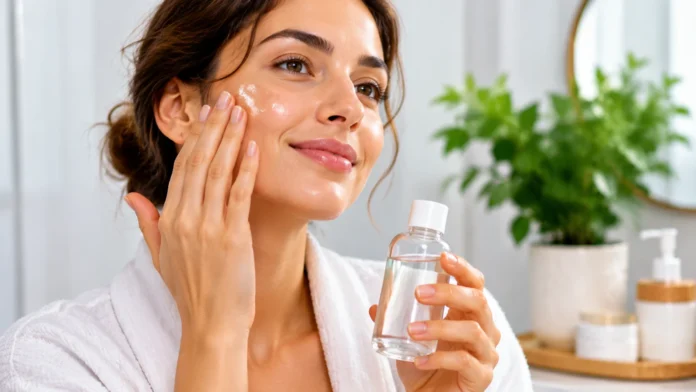

Dry, tight, or rough skin can make even a simple skincare routine feel frustrating. Many people try different moisturizers without understanding which ingredients actually help their skin retain moisture. Glycerin is one of the most widely used hydrating ingredients, yet it often receives less attention than more heavily marketed skincare products.
Glycerin for skin is popular because it attracts water and helps maintain healthy hydration levels. This simple ingredient appears in moisturizers, cleansers, serums, lotions, and many other skincare formulas. Its ability to support the skin’s moisture balance makes it useful for several skin types, including dry, oily, and sensitive skin.
Understanding how glycerin works can help you make better decisions when choosing skincare products. Although it is a familiar ingredient, its benefits extend beyond making skin feel temporarily softer. This guide explains why glycerin is so hydrating, how to use it correctly, and what to consider before adding it to your skincare routine.
What Is Glycerin in Skincare?
Glycerin, also called glycerol, is a clear, colorless liquid commonly used in skincare and personal care products. It belongs to a group of ingredients called humectants, which attract and hold water. This moisture-binding ability makes glycerin valuable in formulas designed to hydrate and soften the skin.
Glycerin can come from plant oils, animal fats, or synthetic manufacturing processes. Regardless of its source, purified glycerin has the same basic chemical structure. Cosmetic manufacturers frequently use vegetable-derived glycerin because it is widely available and works well in many different skincare formulations.
You can find glycerin in facial moisturizers, body lotions, hydrating serums, gentle cleansers, and other personal care products. It is often combined with ingredients that help maintain the skin barrier. These combinations allow glycerin to provide hydration while supporting a comfortable, smooth, and healthy-looking skin surface.
Why Is Glycerin So Hydrating for Skin?
Glycerin is highly hydrating because it attracts water through its humectant properties. When applied to the skin, it helps bind moisture within the outermost layers of the epidermis. This process supports skin hydration and can reduce the uncomfortable feeling associated with dryness.
The ingredient works particularly well because its molecular structure allows it to interact easily with water molecules. Glycerin contains chemical groups that form hydrogen bonds with water, helping retain moisture within the skin. This ability makes it useful in products intended to improve hydration without relying entirely on heavy oils.
Glycerin also supports the skin’s natural moisture balance over time. When combined with suitable moisturizers, it helps maintain a softer and more flexible skin surface. Its performance depends on the overall formula, surrounding environment, and condition of the skin, but it remains a dependable moisturizing ingredient.
How Does Glycerin Work on the Skin?
Glycerin works by attracting water and helping the outer layer of skin retain it. As a humectant, it supports moisture movement within the stratum corneum, the skin’s outermost protective layer. This helps keep skin cells hydrated and improves the appearance of dryness.
The stratum corneum contains skin cells, natural moisturizing substances, and protective lipids. When this layer loses too much water, the skin may feel rough, tight, or uncomfortable. Glycerin helps improve hydration within this layer, making the skin surface feel smoother and more flexible.
However, glycerin does not replace every function of a complete moisturizer. It attracts moisture, while ingredients such as petrolatum and certain oils help reduce water loss from the skin surface. Combining humectants with barrier-supporting ingredients often provides more effective and lasting hydration.
Key Benefits of Glycerin for Skin
One of the most recognized glycerin benefits for skin is improved hydration. The ingredient helps attract and retain water in the outer skin layers, which can make dry areas feel softer. Regular use in suitable skincare products may improve the appearance of roughness and dehydration.
Glycerin also supports the skin barrier by maintaining a properly hydrated outer layer. A healthy barrier helps protect the skin against external irritants and excessive moisture loss. Although glycerin cannot repair every skin problem, it contributes to conditions that support normal barrier function.
Another advantage is its versatility across different skincare formulations. Glycerin can be used in lightweight gels, rich creams, lotions, and cleansing products. This makes it easier for people with different skin preferences to find a suitable product without relying on a single moisturizer texture.
Glycerin for Dry Skin: How It Helps
Dry skin often feels tight, flaky, or uncomfortable because it lacks sufficient moisture and protective lipids. Glycerin can help address the hydration component by attracting water into the outer skin layers. This makes it a useful ingredient in moisturizers developed for dry or dehydrated skin.
For people experiencing persistent dryness, glycerin works best when combined with ingredients that help reduce moisture loss. Ceramides, petrolatum, and other barrier-supporting ingredients can complement its hydrating effects. Together, these components help keep the skin comfortable and reduce the appearance of rough patches.
Applying a glycerin-containing moisturizer after gentle cleansing can support hydration throughout the day. Many people find that moisturizing while the skin is still slightly damp helps maintain comfort. If dryness becomes severe, painful, or persistent, professional evaluation may be necessary to identify an underlying condition.
Is Glycerin Good for Oily Skin?
Glycerin can be a useful moisturizing ingredient for oily skin because it provides hydration without functioning as a heavy oil. Oily skin produces sebum, but that does not automatically mean it has enough water. Hydration and oil production are different aspects of skin health.
Lightweight gels and lotions containing glycerin can help maintain moisture without creating an unnecessarily heavy feeling. These products may be particularly appealing to people who dislike thick creams. However, the overall formula matters because ingredients other than glycerin influence how greasy or comfortable a product feels.
People with oily skin should choose moisturizers based on their individual needs rather than avoiding hydration entirely. Gentle cleansing and suitable moisturizing products help support normal skin function. A lightweight glycerin-based moisturizer may be a practical option for maintaining hydration within a simple daily routine.
Glycerin for Sensitive Skin: Is It Safe?
Glycerin is generally well tolerated and commonly included in products formulated for sensitive skin. Its primary function is hydration rather than aggressive exfoliation or strong active treatment. This makes it a useful ingredient for people who prefer gentle skincare routines.
Sensitive skin can still react to certain products, especially those containing fragrance, harsh cleansing agents, or irritating additives. A moisturizer with glycerin may be comfortable, but the complete ingredient formula determines its suitability. Choosing fragrance-free products can help reduce unnecessary exposure to common irritants.
Before using a new skincare product, consider testing it on a small area of skin. Stop using the product if persistent redness, itching, or irritation develops. People with eczema, allergies, or ongoing skin sensitivity may benefit from discussing suitable moisturizers with a dermatologist.
Can Glycerin Help Acne-Prone Skin?
Glycerin can support hydration in acne-prone skin without directly treating acne. Many acne treatments cause dryness, peeling, or irritation, making suitable moisturizers especially important. Glycerin helps attract moisture to the outer skin layers and may improve comfort when included in a gentle formula.
The ingredient itself is not an acne medication and does not remove clogged pores or control bacterial activity. Its main benefit is helping the skin maintain hydration while other skincare products address breakouts. Non-comedogenic moisturizers containing glycerin may suit people who experience both acne and dehydration.
When managing acne-prone skin, avoid assuming that stronger or more frequent cleansing will improve results. Excessive washing can increase dryness and irritation without providing additional benefits. A simple routine with gentle cleansing, appropriate acne treatment, moisturizer, and sunscreen is generally more practical.
Glycerin and the Skin Barrier
The skin barrier is the outer protective structure that helps prevent excessive water loss and limits exposure to environmental irritants. It depends on healthy skin cells, protective lipids, and adequate hydration. Glycerin supports this system by helping maintain moisture within the outer skin layers.
When the barrier becomes compromised, skin may feel dry, rough, itchy, or unusually sensitive. Hydrating ingredients such as glycerin can improve comfort by supporting the moisture content of the stratum corneum. However, barrier recovery may also require lipids and other ingredients that reduce water loss.
Using a complete moisturizer containing glycerin, ceramides, or suitable occlusive ingredients can support everyday barrier care. Gentle cleansing and avoiding unnecessary irritation are also important. Persistent inflammation, cracking, or severe discomfort may require medical treatment rather than relying on cosmetic hydration alone.
Glycerin vs Hyaluronic Acid: Which Is Better?
Glycerin and hyaluronic acid are both humectants commonly used in hydrating skincare products. They attract and retain water, helping improve moisture levels in the outer skin layers. Although they perform similar functions, their chemical structures, molecular sizes, and formulation properties are different.
Glycerin is a small molecule that blends easily into many skincare products. Hyaluronic acid is a larger molecule with different forms that influence how it behaves on the skin surface. Both ingredients can contribute to hydration, and their effectiveness depends on concentration, formulation, and surrounding skincare ingredients.
Neither ingredient is automatically better for everyone. Some products contain both glycerin and hyaluronic acid to provide complementary moisturizing effects. When choosing between them, consider how the complete formula feels on your skin rather than assuming that one popular ingredient always produces superior results.
Glycerin vs Aloe Vera for Skin Hydration
Glycerin and aloe vera are commonly used in products designed to soothe and hydrate the skin. However, they are different types of ingredients. Glycerin is a specific moisture-binding compound, while aloe vera is a plant-derived material containing water and several other substances.
Glycerin primarily helps attract and retain moisture within the outer skin layers. Aloe vera preparations may provide a cooling or soothing sensation, depending on the formula. Both ingredients can contribute to comfortable skincare products, but aloe vera does not perform exactly the same role as purified glycerin.
Some moisturizers combine aloe vera and glycerin to create lightweight hydrating textures. These products may appeal to people who prefer gels instead of rich creams. However, botanical ingredients can cause reactions in certain individuals, so suitability depends on the overall formula and personal skin sensitivity.
How to Use Glycerin for Skin Correctly
The easiest way to use glycerin is through a properly formulated moisturizer, serum, or lotion. These products contain suitable concentrations and supporting ingredients designed for skin application. Using a finished skincare product is generally simpler and more predictable than experimenting with concentrated glycerin.
After cleansing your face, apply a glycerin-containing product according to its directions. Moisturizers can often be applied while the skin is slightly damp, helping maintain comfortable hydration. Follow with sunscreen during the daytime, because glycerin does not provide meaningful protection against ultraviolet radiation.
If you have particularly dry skin, a richer moisturizer containing glycerin and barrier-supporting ingredients may be helpful. People who prefer lightweight products can choose gels or lotions instead. Introduce new skincare items gradually so you can identify products that suit your skin without unnecessary irritation.
Can You Apply Pure Glycerin Directly to Your Face?
Pure glycerin is highly concentrated and has a thick, sticky texture that may feel uncomfortable on facial skin. Although glycerin itself is widely used in cosmetics, applying it undiluted is not necessary to receive hydration benefits. Finished skincare products generally provide a more practical application experience.
Concentrated glycerin can sometimes cause discomfort or irritation, particularly when used on sensitive or compromised skin. Environmental conditions and the absence of supporting moisturizing ingredients may also influence how it feels. For these reasons, a properly formulated glycerin moisturizer is usually preferable to direct application.
Avoid creating concentrated homemade mixtures without understanding their stability, preservation, and suitability for skin. Products containing water can become contaminated if they are not prepared and stored correctly. Choosing tested skincare formulas helps reduce unnecessary risks while providing a predictable moisturizing experience.
When Should You Apply Glycerin to Your Skin?
Glycerin-containing skincare products can generally be used during both morning and evening routines. The best timing depends on the product’s instructions and your personal skincare needs. Many people apply hydrating products after cleansing and before heavier moisturizing layers.
In the morning, a glycerin moisturizer can help maintain comfort before applying sunscreen. Lightweight formulas often work well beneath other skincare products because they absorb without feeling overly heavy. Allowing each product to settle can make the routine more comfortable and reduce unwanted pilling.
At night, glycerin can be included in moisturizers that support hydration while you sleep. A richer cream may be useful for skin that experiences pronounced dryness. Consistency matters more than applying numerous products, so a simple routine that meets your needs is often sufficient.
Does Glycerin Help With Fine Lines and Wrinkles?
Glycerin can make fine lines caused by dehydration appear less noticeable by improving moisture levels in the outer skin layers. Hydrated skin often looks smoother and more flexible than skin experiencing dryness. This temporary cosmetic effect can improve overall skin appearance without changing the underlying aging process.
However, glycerin does not permanently remove wrinkles or reverse structural changes associated with aging. Wrinkles can develop because of sun exposure, natural collagen changes, repeated facial movement, and other factors. Hydrating skincare helps improve appearance but should not be confused with treatments targeting these causes.
For a balanced skincare routine, combine suitable moisturizers with daily sun protection and gentle cleansing. Sunscreen helps protect against ultraviolet exposure, which contributes to premature skin aging. Glycerin can remain a valuable supporting ingredient because maintaining hydration is important at every stage of life.
Can Glycerin Help With Rough and Flaky Skin?
Rough and flaky skin can develop when the outer skin layers become dry or their normal shedding process is disrupted. Glycerin helps improve hydration, which may soften the appearance and feel of dry patches. This makes it useful in facial moisturizers, hand creams, and body lotions.
Products containing glycerin and protective ingredients can provide additional comfort in areas exposed to frequent washing or harsh weather. Hands, elbows, and legs may benefit from regular moisturizing. Applying lotion after bathing or handwashing can help replenish moisture that may be lost during cleansing.
Not every case of flaking is caused by simple dryness. Conditions such as eczema, psoriasis, and certain infections can produce similar symptoms and may require specific treatment. If flaking is persistent, painful, inflamed, or spreading, seek medical advice rather than relying entirely on moisturizers.
Is Glycerin Suitable for All Skin Types?
Glycerin is widely used because it can support hydration across different skin types. Dry skin may benefit from richer products containing glycerin, while oily skin may prefer lightweight formulations. People with combination skin can also choose products based on how different areas of their face feel.
The ingredient’s versatility does not mean every glycerin-containing product will suit every individual. Fragrances, preservatives, oils, and other components can influence tolerance and texture. Skin conditions and personal sensitivities also affect which skincare formulas feel comfortable.
Choosing a suitable glycerin product involves looking at your complete skincare needs rather than focusing on one ingredient. Consider texture, comfort, climate, and existing products in your routine. When introducing something new, gradual use and attention to skin reactions can help you make informed decisions.
Possible Side Effects of Glycerin on Skin
Glycerin is generally considered a well-tolerated skincare ingredient, especially in properly formulated cosmetic products. However, some individuals may experience temporary irritation, redness, or discomfort. These reactions are uncommon and may sometimes be caused by other ingredients within the same product.
Using highly concentrated glycerin can also create an unpleasant sticky sensation. In some situations, sensitive or damaged skin may respond poorly to products that are otherwise suitable for normal skin. More glycerin does not necessarily produce better hydration, because concentration and formulation influence performance.
If a product causes persistent burning, itching, swelling, or redness, stop using it. Seek medical attention if symptoms are severe or continue after discontinuation. Choosing products appropriate for your skin type and following manufacturer instructions can help reduce avoidable skincare problems.
Common Mistakes to Avoid When Using Glycerin
One common mistake is expecting glycerin alone to solve every skin hydration problem. Although it attracts moisture, it cannot replace the protective functions of all other moisturizing ingredients. People with very dry skin often benefit from formulas that combine glycerin with emollients and ingredients that reduce water loss.
Another mistake is applying too many hydrating products without considering their complete formulations. Layering several serums and creams does not automatically improve results and may increase irritation or product buildup. A few well-chosen products can provide effective hydration while keeping the routine manageable.
Some people also overlook the importance of gentle cleansing and sun protection. Harsh skincare habits can contribute to dryness even when a hydrating moisturizer is used regularly. Maintaining a balanced routine with suitable cleansers, moisturizer, and sunscreen generally supports better skin comfort and long-term care.
Conclusion
Glycerin for skin is a valuable hydrating ingredient because it attracts water and helps maintain moisture within the outer skin layers. Its humectant properties can improve the appearance of dryness, roughness, and dehydration. This makes it a useful addition to many skincare products, including moisturizers, serums, lotions, and cleansers.
One of glycerin’s greatest advantages is its versatility across different skin types and product textures. People with dry, oily, sensitive, or acne-prone skin may benefit from appropriately formulated products containing this ingredient. However, the complete formula matters because hydration depends on more than one skincare component.
For effective everyday hydration, choose a glycerin-containing product that suits your skin and follow a consistent routine. Combining hydration with gentle cleansing, barrier-supporting ingredients, and daily sun protection can help maintain skin comfort. Simple, well-formulated skincare products are often enough to support healthy-looking, moisturized skin.
Frequently Asked Questions
Is glycerin good for your face every day?
Yes, glycerin-containing skincare products can generally be used daily when they suit your skin. This ingredient helps maintain hydration and is commonly included in facial moisturizers, serums, and gentle skincare formulas.
Does glycerin make skin darker?
No, glycerin is not known to darken the skin. Its primary function is attracting moisture and supporting hydration. Changes in skin pigmentation may have other causes, including irritation, inflammation, and sun exposure.
Can glycerin remove wrinkles permanently?
No, glycerin cannot permanently remove wrinkles. However, it can improve skin hydration, making fine lines associated with dryness appear less noticeable. Lasting wrinkle management may require additional skincare strategies and professional guidance.
Is glycerin better than hyaluronic acid for dry skin?
Both glycerin and hyaluronic acid provide hydration, and neither is universally better. Their effectiveness depends on product formulation, concentration, and individual skin needs. Moisturizers containing both ingredients may provide useful complementary benefits.
Can glycerin cause acne or clogged pores?
Glycerin itself is generally considered unlikely to clog pores and is commonly used in acne-friendly moisturizers. However, other ingredients within a product may influence breakouts, so choose a formula appropriate for acne-prone skin.




