
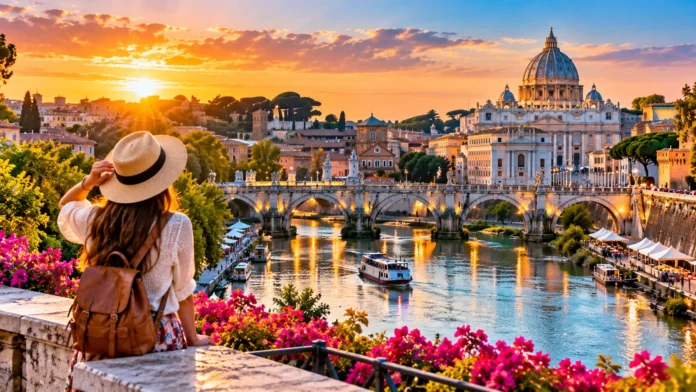

Discover the Best Cities to Visit in Europe
Europe is home to some of the world’s most beautiful cities, offering an extraordinary combination of history, architecture, culture, and modern attractions. From the romantic streets of Paris to the ancient landmarks of Rome, every European city provides a different travel experience. Visitors can explore famous museums, historic neighborhoods, impressive monuments, and lively public squares throughout the continent.
The best cities in Europe attract travelers with their distinctive atmosphere and remarkable cultural heritage. Some destinations are known for medieval castles and cobblestone streets, while others feature spectacular coastlines, beautiful canals, and contemporary architecture. Whether you enjoy sightseeing, local cuisine, photography, or exploring historic landmarks, European city breaks offer countless opportunities to create lasting memories.
Choosing the perfect European destination depends on your travel interests, available budget, and preferred season. Major capitals provide world-famous attractions, while smaller cities often offer quieter streets and charming local experiences. This guide explores some of Europe’s most exciting cities and highlights the attractions, neighborhoods, and experiences that make each destination worth visiting.
Paris, France: The City of Art and Romance
Paris is one of the most iconic European cities, celebrated for its elegant architecture, artistic heritage, and beautiful streets. The French capital attracts visitors with famous landmarks such as the Eiffel Tower, Notre-Dame Cathedral, and Arc de Triomphe. Its distinctive neighborhoods, riverside scenery, and charming cafés create an atmosphere that makes exploring Paris especially memorable.
The Louvre Museum is among the city’s most popular cultural attractions, displaying extraordinary works of art from different historical periods. Visitors can also explore Montmartre, admire the Sacré-Cœur Basilica, or enjoy scenic walks along the Seine River. Neighborhoods such as Le Marais provide opportunities to discover independent shops, historic buildings, and inviting public spaces.
Spring and early autumn are particularly pleasant times to visit Paris because temperatures are often comfortable for sightseeing. The city has an extensive public transportation network, making it relatively easy to explore different districts. Booking major attractions in advance can help travelers manage busy periods while leaving enough time to appreciate the city’s everyday charm.
Rome, Italy: Ancient History and Timeless Attractions
Rome is one of the best cities to visit in Europe for travelers interested in ancient history and remarkable architecture. Italy’s capital contains extraordinary monuments reflecting centuries of Roman civilization, religious heritage, and artistic achievement. The Colosseum, Roman Forum, and Pantheon are among its most recognizable attractions, offering fascinating insights into the city’s historical importance.
Walking through Rome reveals beautiful public squares, historic fountains, and picturesque streets filled with architectural details. Visitors can explore the Trevi Fountain, admire Piazza Navona, and discover the colorful neighborhood of Trastevere. Vatican City, located within Rome, offers additional highlights, including St. Peter’s Basilica and the internationally renowned Vatican Museums.
Spring and autumn are generally excellent seasons for exploring Rome because the weather is often more comfortable than during peak summer. Many central attractions are within walking distance, although public transportation helps with longer journeys. Comfortable footwear and advance reservations for popular historical sites can make sightseeing more enjoyable and efficient.
London, England: Famous Landmarks and Cultural Experiences
London is a fascinating European city known for its historic landmarks, international culture, and diverse neighborhoods. The British capital combines centuries-old architecture with modern attractions, creating an exciting destination for first-time visitors. Famous sights include the Tower of London, Buckingham Palace, Tower Bridge, and the Houses of Parliament overlooking the River Thames.
Museum enthusiasts can explore world-renowned institutions such as the British Museum, Natural History Museum, and Victoria and Albert Museum. Many major museums offer free access to their permanent collections, although special exhibitions may require tickets. Visitors can also explore Hyde Park, Camden Market, and Covent Garden for different perspectives on London’s cultural life.
London’s extensive Underground network, buses, and railway connections make traveling around the city convenient. However, distances between attractions can be greater than expected, making neighborhood-based itineraries useful. Spring through early autumn offers pleasant opportunities for outdoor exploration, while winter brings seasonal decorations, indoor cultural activities, and a distinctive city atmosphere.
Barcelona, Spain: Architecture, Beaches, and Mediterranean Charm
Barcelona is one of Europe’s most distinctive cities, combining extraordinary architecture with Mediterranean coastal scenery. Located in northeastern Spain, the city is famous for its creative atmosphere, cultural landmarks, and beautiful waterfront. Its architectural identity is strongly influenced by Antoni Gaudí, whose imaginative designs attract visitors from around the world throughout the year.
The Sagrada Família is Barcelona’s most recognizable attraction, featuring intricate architecture and impressive interior spaces. Park Güell offers colorful artistic details and elevated city views, while the Gothic Quarter features narrow streets and historic buildings. Travelers can also explore La Rambla, visit local markets, and enjoy the seaside atmosphere around Barceloneta.
Late spring and early autumn are appealing visiting periods because the weather is generally comfortable for sightseeing and coastal activities. Barcelona offers extensive public transportation, including metro lines, buses, and suburban trains. Reserving popular attractions in advance and respecting local neighborhood guidelines can help create a smoother and more responsible travel experience.
Amsterdam, Netherlands: Beautiful Canals and Historic Streets
Amsterdam is one of the most picturesque cities in Europe, recognized for its historic canal network, narrow townhouses, and bicycle-friendly streets. The Dutch capital offers a relaxed sightseeing atmosphere combined with impressive museums and cultural attractions. Its compact central districts make it particularly enjoyable for travelers who appreciate walking and discovering interesting neighborhoods.
Popular attractions include the Rijksmuseum, Van Gogh Museum, and Anne Frank House, each offering important cultural or historical experiences. Visitors can explore the Jordaan neighborhood, walk beside scenic canals, and admire the architecture surrounding the city’s waterways. Canal cruises provide another perspective on Amsterdam’s historic urban landscape and distinctive waterfront buildings.
Spring is especially attractive when flowers bloom throughout the Netherlands, while summer provides longer daylight hours for exploring. Amsterdam’s trams, buses, metro services, and trains connect major attractions and surrounding communities. Travelers should remain aware of designated bicycle lanes and arrange advance tickets for popular museums that operate with limited entry availability.
Prague, Czech Republic: A Beautiful Medieval City
Prague is one of the most enchanting European capitals, known for its medieval architecture, historic bridges, and impressive castle complex. The Czech capital features picturesque streets, colorful buildings, and remarkable landmarks overlooking the Vltava River. Its well-preserved historic center creates an atmosphere that attracts visitors interested in European history, architecture, and photography.
The Old Town Square is one of Prague’s most popular gathering places, featuring beautiful historic buildings and the famous Astronomical Clock. Visitors can cross Charles Bridge, admire Prague Castle, and explore the charming streets of Malá Strana. Elevated viewpoints around the city offer sweeping views of rooftops, church towers, and the winding river.
Prague is particularly beautiful during spring and autumn, when comfortable temperatures make exploring its historic neighborhoods enjoyable. Public trams and metro services provide convenient transportation beyond the central districts. Travelers should allow time for leisurely walking because many memorable sights are discovered along small streets rather than exclusively at major attractions.
Vienna, Austria: Imperial Palaces and Musical Heritage
Vienna is one of the most elegant cities in Europe, celebrated for its imperial architecture, classical music, and rich cultural traditions. Austria’s capital offers magnificent palaces, historic squares, and beautifully maintained public spaces. Its artistic heritage and welcoming café culture create a distinctive atmosphere for visitors interested in history, architecture, and cultural experiences.
Schönbrunn Palace is among Vienna’s most famous attractions, featuring impressive architecture and expansive gardens. The Hofburg complex provides insight into the city’s imperial past, while St. Stephen’s Cathedral stands prominently in the historic center. Visitors can also explore renowned art museums, attend classical music performances, and discover beautiful streets throughout the city.
Vienna is enjoyable throughout the year, with spring and autumn offering comfortable sightseeing conditions. Winter brings festive markets and seasonal cultural events, while summer provides opportunities to enjoy parks and outdoor spaces. The city’s efficient underground trains, trams, and buses make reaching major attractions relatively straightforward for travelers.
Venice, Italy: Romantic Canals and Historic Architecture
Venice is one of the most unique cities in the world because its historic center is built across islands connected by canals and bridges. Located in northeastern Italy, Venice is famous for its extraordinary architecture and remarkable waterfront scenery. Its narrow pedestrian streets, historic squares, and traditional boats create an unforgettable destination for European sightseeing.
St. Mark’s Square is one of the city’s most recognizable attractions, surrounded by impressive buildings such as St. Mark’s Basilica and the Doge’s Palace. The Rialto Bridge offers beautiful views across the Grand Canal, while quieter neighborhoods reveal charming waterways. Visitors can also explore nearby islands such as Murano and Burano.
Spring and autumn are generally attractive seasons for visiting Venice because temperatures can be more comfortable than during summer. Walking and water buses are the main ways to explore its historic center. Travelers should check current visitor regulations, possible day-entry charges, and seasonal flooding conditions when preparing their Venice itinerary.
Lisbon, Portugal: Colorful Streets and Coastal Views
Lisbon is one of Europe’s most appealing capital cities, known for its colorful neighborhoods, scenic viewpoints, and historic tram routes. Built across several hills overlooking the Tagus River, Portugal’s capital offers a beautiful combination of traditional architecture and waterfront scenery. Its distinctive streets and relaxed cultural atmosphere attract travelers seeking memorable urban experiences.
The historic neighborhood of Alfama features narrow streets, traditional buildings, and picturesque viewpoints overlooking the city. Visitors can explore Belém Tower, admire Jerónimos Monastery, and discover beautiful public squares. The famous yellow trams add character to the streets, while waterfront promenades provide pleasant opportunities for walking and photography.
Spring and early autumn are excellent times to visit Lisbon because conditions are often comfortable for exploring its hilly neighborhoods. Public transportation includes metro services, trams, buses, and suburban trains. Comfortable walking shoes are particularly useful because steep streets and uneven pavements can make exploring some historic districts physically demanding.
Budapest, Hungary: Thermal Baths and Riverside Beauty
Budapest is one of the most scenic European capitals, divided by the Danube River into the historic areas of Buda and Pest. Hungary’s capital is known for its magnificent architecture, famous thermal baths, and impressive riverfront landmarks. Beautiful bridges connect the two sides of the city, creating spectacular sightseeing opportunities throughout the year.
The Hungarian Parliament Building is among Budapest’s most recognizable attractions, especially when illuminated beside the Danube. Travelers can explore Buda Castle, Fisherman’s Bastion, and the impressive architecture around Heroes’ Square. The city’s thermal bath complexes provide another distinctive experience, reflecting the importance of bathing traditions in Hungarian culture.
Budapest offers excellent opportunities for walking, river cruises, and exploring historic neighborhoods. Spring and autumn generally provide comfortable conditions, although winter can also be atmospheric around seasonal markets and illuminated landmarks. The city’s metro, tram, and bus networks make it convenient to travel between attractions without relying heavily on taxis.
Copenhagen, Denmark: Scandinavian Design and Waterfront Attractions
Copenhagen is one of Northern Europe’s most charming cities, combining contemporary Scandinavian design with historic architecture and picturesque waterfront districts. Denmark’s capital is recognized for its welcoming public spaces, attractive canals, and extensive cycling infrastructure. Its relaxed urban atmosphere makes it especially enjoyable for visitors interested in culture, architecture, and comfortable city exploration.
Nyhavn is among Copenhagen’s most photographed locations, featuring colorful buildings lining a historic waterfront. Visitors can explore Rosenborg Castle, admire Amalienborg Palace, and discover the gardens of Tivoli. The city’s museums, pedestrian streets, and waterfront promenades offer additional opportunities to experience Danish history and contemporary urban life.
Summer is especially appealing in Copenhagen because longer daylight hours encourage outdoor activities and sightseeing. However, the city remains attractive throughout the year, including during its winter festive season. An efficient public transportation network connects important neighborhoods, while well-marked cycling routes provide convenient alternatives for experienced and confident riders.
Florence, Italy: Renaissance Art and Historic Beauty
Florence is one of the most culturally significant cities in Europe, located in the beautiful Tuscany region of Italy. Known as a center of Renaissance art and architecture, Florence attracts visitors with extraordinary museums, historic churches, and picturesque streets. Its compact historic center makes exploring major attractions particularly rewarding for travelers interested in European cultural heritage.
The Florence Cathedral, famous for its magnificent dome, dominates the city’s skyline. The Uffizi Gallery houses an outstanding collection of Renaissance artworks, while the Ponte Vecchio offers memorable views across the Arno River. Visitors can also explore Piazza della Signoria and admire the city from scenic viewpoints such as Piazzale Michelangelo.
Spring and autumn are generally comfortable times to explore Florence because temperatures are often milder than during summer. Many major landmarks can be reached on foot, reducing the need for frequent transportation. Travelers may also use Florence as a base for discovering Tuscany’s countryside, historic towns, and beautiful regional landscapes.
Dubrovnik, Croatia: Historic Walls and Adriatic Sea Views
Dubrovnik is one of Europe’s most beautiful coastal cities, located along Croatia’s spectacular Adriatic coastline. Its historic Old Town is surrounded by impressive stone walls and filled with narrow streets, historic buildings, and attractive public squares. The combination of medieval architecture and bright blue sea creates remarkable scenery that attracts visitors from around the world.
Walking along Dubrovnik’s historic city walls provides extraordinary views of terracotta rooftops, coastal cliffs, and nearby islands. Visitors can explore Stradun, admire historic churches, and discover charming streets within the Old Town. Scenic viewpoints above the city also offer breathtaking panoramas of the surrounding Adriatic landscape.
Late spring and early autumn are appealing visiting periods because temperatures may be more comfortable and crowds less intense than during peak summer. Dubrovnik’s historic center is primarily pedestrianized, making walking the main sightseeing method. Visitors should prepare for steps, uneven surfaces, and busy periods around popular landmarks and cruise arrival times.
How to Plan the Perfect European City Trip
Planning a European city vacation begins with choosing destinations that match your interests, available time, and travel budget. Major capitals such as Paris, London, and Rome offer famous attractions, while smaller cities may provide more relaxed experiences. Selecting geographically connected destinations can reduce unnecessary travel time and make multi-city itineraries easier to manage.
Europe’s extensive transportation network makes traveling between many cities convenient by train, bus, or airplane. High-speed rail services connect several major destinations, while regional trains provide access to smaller communities. Travelers should compare journey duration, luggage rules, station locations, and booking requirements before choosing transportation between different countries.
Accommodation location is another important consideration because staying near public transportation can simplify daily sightseeing. Booking popular attractions in advance may help avoid sold-out entry times, especially during busy travel seasons. Travelers should also verify passport requirements, entry rules, travel insurance needs, and local regulations before beginning an international European journey.
Conclusion
Europe offers an extraordinary collection of cities filled with historic landmarks, remarkable architecture, and unforgettable cultural experiences. From the artistic streets of Paris and ancient monuments of Rome to the canals of Amsterdam and scenic waterfronts of Copenhagen, every destination has something distinctive. Exploring different European cities allows travelers to appreciate the continent’s remarkable historical and cultural diversity.
The best European city to visit depends on personal interests, travel style, and preferred experiences. History enthusiasts may enjoy Rome, Florence, and Prague, while travelers seeking coastal scenery may prefer Barcelona, Lisbon, or Dubrovnik. Choosing destinations according to realistic travel times and seasonal conditions can make an itinerary more enjoyable and manageable.
A memorable European vacation does not require visiting every famous city in a single trip. Spending additional time in selected destinations creates opportunities to explore neighborhoods, appreciate local traditions, and discover attractions beyond the major landmarks. With thoughtful planning and an adventurous spirit, Europe’s beautiful cities can provide rewarding travel memories for years to come.
Frequently Asked Questions (FAQs)
What is the best city to visit in Europe for first-time travelers?
Paris, Rome, and London are excellent choices for first-time European visitors because they offer famous attractions, rich cultural experiences, and extensive transportation networks. The ideal destination depends on individual interests and travel preferences.
Which European cities are the most beautiful?
Paris, Prague, Venice, Florence, Vienna, and Dubrovnik are widely admired for their remarkable architecture and historic scenery. Each offers distinctive attractions, from romantic canals and medieval streets to magnificent palaces and coastal landscapes.
What are the best affordable cities to visit in Europe?
Budapest, Prague, Kraków, and several Central and Eastern European cities can offer comparatively affordable travel experiences. Accommodation prices, transportation costs, and daily expenses still vary depending on season, location, and personal preferences.
What is the best time to visit European cities?
Spring and autumn are often ideal for European city trips because temperatures are generally comfortable and some destinations experience fewer crowds. Summer is popular, while winter offers festive markets and seasonal attractions.
How many European cities can you visit in one week?
Visiting two or three nearby cities is often a practical approach for a one-week European vacation. This allows time for major attractions, local experiences, and transportation without creating an unnecessarily rushed itinerary.