
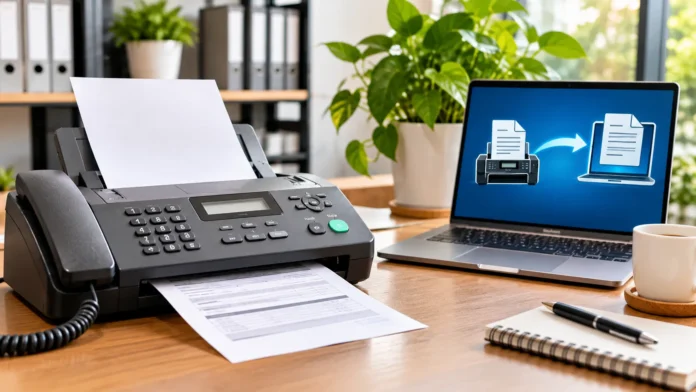

Fax technology may seem old-fashioned, but it remains useful for exchanging documents in certain workplaces and industries. Businesses, healthcare providers, legal offices, and government organizations still use fax services for specific communication needs. Modern fax systems can also work through computers and online platforms without requiring a traditional fax machine. Understanding fax numbers can help you send documents correctly and choose a suitable communication method.
What is a fax number? A fax number is a telephone number assigned to a fax machine or fax service that allows people to send and receive documents electronically. Traditional fax systems transmit scanned document information through telephone connections, while modern online fax services can deliver documents through internet-based platforms. This guide explains fax number meaning, how faxing works, different types of fax services, common uses, benefits, limitations, and important security considerations.
What Is a Fax Number?
A fax number is a telephone number used to identify the destination for an incoming fax transmission. It allows one fax system to connect with another and transfer document information. Although it resembles an ordinary phone number, its purpose is different. A fax number is associated with equipment or a service configured to receive fax messages.
Traditional fax numbers are often connected to dedicated telephone lines or compatible fax equipment. When someone sends a document, the sending device contacts the receiving fax number. The systems communicate to establish a connection before transferring the document. The receiving equipment then processes the information and may print it on paper.
Modern fax numbers can also be assigned to online fax accounts. These services receive incoming documents and make them available through email, websites, or applications. Users do not necessarily need physical fax machines. The number still acts as the destination address, even when document management happens entirely through digital software.
How Does a Fax Number Work?
A fax number works by directing a fax transmission to the appropriate receiving system. When a sender enters the destination number, the sending equipment attempts to establish a connection. Traditional fax machines use telephone signaling to communicate with compatible receiving devices. This connection allows the systems to exchange information about the document transmission.
After the connection is established, the sending machine converts the document into electronic image information. The information is transmitted through the communication system using established fax standards. The receiving equipment interprets the incoming data and reconstructs the document. Depending on the service, the result may be printed or saved digitally.
Internet-based fax services perform similar functions through connected servers and software. A document uploaded to an online platform can be processed and routed toward the destination fax number. Incoming faxes may appear as PDF files or other supported formats. Although the process is largely automated, delivery can still fail because of incorrect numbers or connection problems.
What Does a Fax Number Look Like?
A fax number generally follows the telephone numbering format used in its country or region. In the United States, it commonly contains a three-digit area code followed by a seven-digit local number. For example, a fictional fax number might appear as (212) 555-0148. The number itself does not visually identify whether it belongs to a fax service.
International fax numbers usually include a country calling code. For example, a United States number may be written as +1 212 555 0148. The plus sign represents the international dialing prefix used by the originating telephone system. Exact dialing requirements depend on the service and the countries involved.
Business documents sometimes display fax numbers beside ordinary telephone numbers. Labels such as Fax, Fax Number, or Fax Line indicate the intended purpose. However, some services use numbers capable of handling different communication functions. Checking the recipient’s instructions helps ensure that documents reach the correct destination.
Is a Fax Number Different From a Phone Number?
A fax number and a regular phone number use the same general telephone numbering system. The difference is primarily how the number is assigned and used. Ordinary phone numbers usually connect callers to voice communication services. Fax numbers connect users to equipment or platforms designed to process fax transmissions.
Some organizations maintain separate numbers for telephone calls and fax documents. This arrangement helps avoid confusion and allows each communication method to operate independently. Other businesses use services that manage multiple communication functions. The available configuration depends on the telephone provider and equipment.
Sending a fax to an ordinary voice number usually does not produce a successful document transmission. Similarly, calling a fax-only number may result in electronic signaling sounds rather than a conversation. Before sending confidential information, confirm that the number belongs to the intended recipient. Correct number identification helps prevent delivery mistakes.
How Traditional Fax Machines Send Documents
Traditional fax machines combine document scanning, telephone communication, and printing functions. A sender places a document into the machine’s feeder or scanning area. The machine reads the page and converts its visual information into electronic signals. These signals can then be transmitted through a compatible telephone connection.
The sender enters the destination fax number and starts the transmission. The sending machine contacts the receiving device and negotiates compatible communication settings. Once the connection succeeds, document data travels between the systems. The receiving machine reconstructs the information and commonly prints a copy.
Traditional faxing may require paper, toner, maintenance, and access to a compatible telephone service. Older machines were commonly designed for analog telephone lines. Some modern digital telephone systems can introduce compatibility problems without appropriate configuration. These limitations have encouraged businesses to explore internet-based fax alternatives.
What Is an Online Fax Number?
An online fax number is a telephone number connected to a cloud-based or internet fax service. It allows users to receive fax documents without maintaining a traditional fax machine. Incoming messages are processed by the provider’s systems. Users can then view the received documents through supported digital interfaces.
Many online fax services also support outgoing transmissions. Users upload a document, enter the destination fax number, and submit the request through an application or website. The provider handles the communication needed to deliver the fax. This arrangement can make faxing convenient for people who work remotely.
Online fax services often provide searchable message histories, digital storage, and notification features. However, their capabilities differ by provider and subscription plan. Some charge monthly fees or apply page limits. Reviewing pricing, security features, and supported destinations helps users choose an appropriate service.
How to Send a Fax Without a Fax Machine
Sending a fax without a physical machine is possible through online fax services. These platforms allow users to submit digital documents from computers, tablets, or smartphones. A compatible service typically accepts files such as PDFs or common document formats. The platform then prepares the information for fax transmission.
To begin, users generally sign into their fax account and choose the option to send a document. They enter the recipient’s fax number and attach the required file. After checking the information, they submit the transmission. The provider may display a delivery status or send a confirmation notification.
A successful transmission status generally indicates that the receiving fax system accepted the document data. It does not prove that the intended person opened, read, or reviewed the information. Sensitive documents may require additional confirmation through an approved communication channel. Following organizational procedures helps prevent misunderstandings about delivery.
How to Receive a Fax Using Email
Some internet fax providers offer email-to-fax or fax-to-email functionality. With fax-to-email, incoming transmissions are converted into digital files. The service then delivers a notification or document attachment to a configured email address. This can make document access easier without requiring physical printing.
The user typically receives a message containing the fax or a link to access it. Depending on the provider, the document may appear as a PDF attachment. The recipient can review, download, or store the file according to their needs. However, service settings and security controls influence how the information is delivered.
Email-based delivery requires appropriate safeguards when documents contain sensitive information. Ordinary email forwarding or insecure storage may create confidentiality risks. Organizations should review provider encryption options, account permissions, and applicable privacy requirements. Digital convenience does not automatically guarantee that every fax remains protected throughout its handling.
What Are Fax Numbers Used For Today?
Fax numbers remain relevant in organizations that rely on established document exchange procedures. Healthcare providers, legal offices, financial institutions, and government agencies may still use faxing for selected communications. The specific reasons vary between industries. Existing equipment, business relationships, and internal processes can influence continued adoption.
Some organizations use fax services to exchange forms, records, signed documents, and administrative information. These documents may require a consistent delivery process or compatibility with older systems. Faxing can provide an alternative when recipients do not support another preferred document-sharing method. However, the suitability of fax depends on the information being exchanged.
Modern workplaces increasingly combine fax services with digital document management. Incoming information can be stored electronically and routed to authorized employees. This reduces dependence on paper-based workflows. Even so, organizations should periodically review whether faxing remains the most suitable, secure, and efficient communication method.
Why Do Healthcare and Legal Offices Still Use Fax?
Healthcare organizations sometimes use faxing to exchange referrals, administrative records, and other documents between providers. Established workflows and compatibility with existing systems can make fax services convenient. Some organizations also use specialized platforms designed for regulated information. However, healthcare faxing must follow relevant privacy and security requirements.
Legal professionals may use fax services for document exchange when permitted or requested by a particular office. Certain administrative processes have historically supported faxed submissions. However, filing rules differ by jurisdiction and institution. Users should confirm whether a faxed document is legally acceptable before relying on it for important deadlines.
Neither healthcare nor legal use automatically makes fax more secure than modern alternatives. Security depends on the provider, destination, handling practices, and transmission arrangements. A misdialed fax can expose information to an unintended recipient. Organizations should use approved procedures and verify destination details before transmitting confidential documents.
Benefits of Using a Fax Number
One benefit of maintaining a fax number is compatibility with organizations that continue to require or prefer fax communication. A business can exchange documents without asking every partner to adopt a new platform. This can support established administrative workflows. Online fax services also reduce the need to maintain physical printing equipment.
Faxing can provide a convenient way to transmit documents that already exist in paper form. Traditional machines scan and send the pages directly, while digital services handle electronic files. This flexibility supports different workplace arrangements. Some providers also offer transmission records that help users track communication attempts.
Another advantage of online faxing is remote access. Authorized users may send or receive documents from different locations using supported applications. However, convenience depends on internet connectivity, service availability, and account permissions. The practical value of faxing should be evaluated against alternative document-sharing systems.
Disadvantages and Limitations of Fax Numbers
Fax services have several limitations that users should understand. Traditional equipment can require dedicated telephone connections, paper, consumables, and maintenance. Transmission quality may also be affected by connection problems or scanning conditions. These factors can make traditional faxing inconvenient compared with fully digital alternatives.
Online fax providers reduce many equipment requirements but introduce other considerations. Monthly subscriptions, transmission limits, storage restrictions, and international sending charges can increase operating costs. Service outages may also delay important documents. Comparing provider terms helps businesses avoid unexpected expenses and operational difficulties.
Faxing can also create security and accuracy concerns. Incorrect destination numbers may expose sensitive documents, while poor image quality can make text difficult to read. A transmission confirmation does not establish that the intended recipient reviewed the message. These limitations highlight the importance of careful handling and suitable alternative communication methods.
Is Faxing Secure in the Digital Age?
Fax security depends on the technology used and the way documents are handled. Traditional fax systems were not designed around the same security features as modern encrypted communication platforms. Some online fax services offer encryption, controlled access, and secure storage. However, protection varies substantially between providers and transmission routes.
A fax can also become exposed after reaching its destination. Printed pages may remain unattended, and digital files can be accessed by people with inappropriate permissions. Human mistakes, such as entering the wrong number, create additional risks. Security therefore involves more than the transmission mechanism itself.
Organizations handling confidential information should evaluate the entire document-sharing process. Important considerations include encryption, recipient verification, account access, retention policies, and regulatory obligations. No fax method should automatically be considered secure simply because it is widely used in a particular industry. Appropriate safeguards remain essential.
How to Get a Fax Number for Personal or Business Use
Obtaining a fax number usually begins with selecting a compatible telephone or internet fax service. Traditional arrangements may involve a telephone provider and suitable fax equipment. Online providers commonly offer numbers as part of subscription plans. The available options depend on location and service coverage.
When choosing an online fax service, users may be offered local, national, or international numbers. Some providers allow businesses to transfer an existing fax number through a process called number porting. Availability and eligibility depend on the provider and telecommunications arrangements. Users should confirm these details before purchasing.
Business owners should consider how many employees need access to incoming faxes. Shared inboxes, administrative permissions, and message storage may be useful features. Cost is another important factor, especially when document volumes change. Selecting a service around actual communication needs can help avoid unnecessary spending.
Can You Use Your Existing Phone Number as a Fax Number?
In some situations, an existing telephone number can support fax services. However, this depends on the provider, equipment, and number configuration. A traditional fax machine may require a compatible telephone connection. Online fax services may offer number transfers when the existing number meets their requirements.
Some communications systems support both voice and fax functions through specialized configurations. Others require separate numbers or dedicated services. Users should not assume that connecting a fax machine to any internet-based phone system will work reliably. Compatibility with fax signaling and the provider’s technical setup is important.
Before modifying an existing business number, contact the service provider to understand the available options. Changing or transferring a number can affect normal telephone service if the process is not managed correctly. Confirming the arrangements in advance helps prevent communication interruptions. Keeping separate numbers may be simpler for some organizations.
How to Find a Company’s Fax Number
A company’s fax number may appear on its official website, contact page, or business documents. Some organizations list separate telephone and fax details. Others provide fax information only when a particular process requires it. Checking official sources helps reduce the risk of using outdated contact details.
Invoices, forms, and correspondence may also contain fax numbers. However, older documents can display numbers that are no longer active. Businesses occasionally change providers or discontinue fax communication entirely. Verifying current details is particularly important when sending personal or confidential information.
If the fax number is not publicly listed, contacting the organization through an established communication channel may be appropriate. Ask whether fax submissions are accepted and which number should be used. Confirm any required document formatting or cover-page details. This reduces the chance of failed delivery or sending information to the wrong destination.
Fax Number vs Email Address: Key Differences
A fax number and an email address both identify destinations for electronic communication. However, they operate through different systems. Fax numbers use telephone numbering and compatible fax services, while email addresses use internet mail protocols and domain-based routing. Both can support the exchange of documents.
Email is commonly more convenient for ongoing conversations and sharing different file types. It supports searchable message threads, multiple recipients, and a broad range of applications. Faxing is often used when a recipient requires or prefers fax-compatible document delivery. The appropriate option depends on the communication task.
Neither method is automatically more secure in every situation. Standard email, secure email, traditional fax, and online fax services offer different levels of protection. Delivery errors and unauthorized access can affect both systems. Organizations should select communication methods according to confidentiality requirements, reliability, and recipient capabilities.
Common Fax Number Problems and How to Avoid Them
One common faxing problem is entering an incorrect destination number. A single wrong digit may cause the transmission to fail or reach someone else. Confirming the number before sending is particularly important for confidential documents. Users should also check whether international dialing formats are required.
Connection failures can occur when telephone lines, receiving equipment, or online services are unavailable. Traditional fax systems may also experience compatibility problems with some digital telephone connections. Online platforms can encounter service interruptions or file-processing errors. Reviewing error messages and provider guidance helps identify possible causes.
Document quality is another consideration. Low-resolution scans, unclear handwriting, or damaged pages may become difficult to read after transmission. Checking files before sending can reduce avoidable problems. When a document is important, confirming successful receipt through an appropriate channel provides additional reassurance.
The Future of Fax Numbers and Digital Communication
Fax technology has changed considerably as workplaces have adopted digital communication systems. Traditional standalone machines are less central to many organizations than they were in previous decades. Online fax services now allow users to handle transmissions through computers and smartphones. This transition reflects broader changes in document management.
Businesses increasingly rely on cloud platforms, secure portals, and electronic signature systems for exchanging information. These technologies can support collaboration, controlled access, and digital recordkeeping. However, established fax workflows may remain necessary for compatibility with certain organizations. The pace of change differs across industries.
Fax numbers are therefore unlikely to serve every communication need, but they may continue supporting specialized processes. Organizations should periodically review whether their existing systems remain appropriate. Security, cost, reliability, and regulatory requirements should guide these decisions. Understanding how faxing works helps users navigate both traditional and modern document communication.
Conclusion
A fax number is a telephone number assigned to a system that sends or receives fax documents. Traditional fax machines use compatible telephone connections, while modern online services can manage documents through digital platforms. Both approaches allow information to move between different locations. Understanding the role of a fax number makes document exchange easier.
Fax numbers remain useful in selected healthcare, legal, administrative, and business environments. However, their continued use does not mean faxing is always the fastest or safest option. Transmission errors, subscription costs, and information security require attention. Choosing appropriate equipment and verifying recipients can reduce common problems.
Modern fax services have made the technology more accessible by reducing dependence on physical machines. Users can now send documents online, receive digital copies, and manage fax records remotely. Even so, secure handling and careful provider selection remain important. By understanding how fax numbers work today, individuals and businesses can choose suitable methods for reliable document communication.
Frequently Asked Questions (FAQs)
What Is a Fax Number in Simple Words?
A fax number is a telephone number used to send or receive documents through a fax machine or online fax service. It identifies the destination where fax transmissions should be delivered.
Is a Fax Number the Same as a Phone Number?
A fax number uses the same general numbering system as a telephone number, but it connects to a fax-capable service. Ordinary voice numbers may not support document transmission without compatible equipment or configuration.
Can You Send a Fax Without a Fax Machine?
Yes, online fax services allow users to upload documents and send them to fax numbers through websites or applications. The provider manages the transmission without requiring the sender to own a physical machine.
Can You Receive a Fax Through Email?
Yes, some internet fax providers convert incoming transmissions into digital files and deliver them through email or secure online accounts. Available features and security protections depend on the selected service.
Are Fax Numbers Still Used Today?
Yes, fax numbers are still used by certain businesses, healthcare providers, legal offices, and government organizations. Modern internet fax services allow many of these documents to be exchanged without traditional machines.