
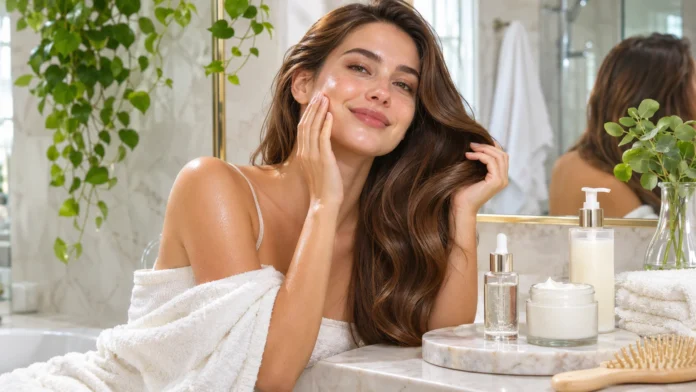

Healthy skin and hair need consistent care, proper hydration, and ingredients that support their natural functions. However, dryness, irritation, environmental exposure, and frequent styling can make maintaining comfortable skin and manageable hair challenging. Many skincare and haircare products contain ingredients designed to improve moisture retention and protect against everyday damage. Panthenol is one of those widely used ingredients.
Understanding the benefits of panthenol for skin and hair can help you choose products that match your needs. Also known as provitamin B5, panthenol is recognized for its moisturizing and conditioning properties. It appears in facial moisturizers, soothing creams, shampoos, conditioners, and leave-in treatments because of its versatility.
What Is Panthenol and How Does It Work?
Panthenol is a chemical compound derived from pantothenic acid, commonly known as vitamin B5. It is frequently included in cosmetic products because of its moisturizing and conditioning properties. When applied to the skin, panthenol can be converted into pantothenic acid. This vitamin plays an important role in normal cellular functions and overall tissue health.
Panthenol acts as a humectant, meaning it helps attract and retain water. This property makes it useful in products designed to address dryness and improve skin comfort. It also has emollient properties that help soften the skin’s surface. Together, these functions contribute to smoother skin and improved moisture retention.
In haircare products, panthenol helps condition strands and improve their feel. It can form a lightweight coating on the hair surface, supporting softness and manageability. Its effects depend on product formulation, concentration, and hair characteristics. Although panthenol is related to vitamin B5, applying it to hair does not automatically stimulate new hair growth.
Panthenol Benefits for Skin Hydration and Moisture
One of the most recognized panthenol benefits for skin is its ability to support hydration. The skin naturally loses moisture throughout the day because of environmental conditions and normal biological processes. When water loss becomes excessive, the skin may feel tight, rough, or uncomfortable. Panthenol helps maintain moisture by supporting water retention within the outer skin layers.
This moisturizing effect makes panthenol suitable for various skincare products, including creams, lotions, and hydrating serums. It works well alongside ingredients such as glycerin, hyaluronic acid, and ceramides. These ingredients support hydration through different mechanisms. Combining them within a well-formulated product may provide more complete moisture support than relying on one ingredient alone.
People with dry or dehydrated skin may appreciate panthenol-containing products as part of their daily routine. Consistent application can help maintain a softer and more comfortable skin surface. However, severe dryness may require richer moisturizers or additional treatment. Choosing a suitable formulation is important because overall product performance depends on more than panthenol alone.
How Panthenol Supports the Skin Barrier
The skin barrier is the outer protective layer responsible for helping retain moisture and limiting exposure to environmental irritants. When this barrier becomes disrupted, the skin may feel dry, sensitive, or uncomfortable. Frequent cleansing, harsh products, and environmental conditions can contribute to these problems. Maintaining barrier function is essential for healthy skin.
Panthenol may help support skin barrier recovery by improving hydration and reducing excessive water loss. Research on topical dexpanthenol formulations suggests benefits for barrier function under certain conditions. Better moisture retention can make the skin feel more comfortable during recovery. However, the results depend on the formulation and the underlying cause of irritation.
A moisturizer containing panthenol can be useful when combined with gentle cleansing and appropriate sun protection. Products containing ceramides and other barrier-supporting ingredients may provide additional benefits. Avoid repeatedly introducing irritating skincare products while the skin feels sensitive. If irritation continues or becomes severe, professional evaluation may be necessary to identify the cause.
Can Panthenol Help Soothe Dry and Irritated Skin?
Panthenol is commonly included in skincare products intended to calm dry or mildly irritated skin. Its moisturizing properties help reduce the tight sensation associated with moisture loss. Some research also suggests that topical dexpanthenol may support skin recovery and help reduce certain signs of irritation. These effects contribute to its popularity in soothing skincare formulations.
People may notice discomfort after exposure to cold weather, frequent handwashing, or unsuitable skincare products. A gentle cream containing panthenol can help replenish moisture and improve comfort. Fragrance-free formulations may be preferable for people with easily irritated skin. However, not every soothing product is suitable for every skin condition.
Panthenol should not be considered a replacement for treatment when irritation results from an infection, allergic reaction, or inflammatory skin disorder. Persistent redness, pain, swelling, or worsening symptoms require appropriate medical advice. When used for ordinary dryness, panthenol can complement a simple skincare routine. Its benefits are primarily supportive rather than curative.
Panthenol Benefits for Sensitive and Acne-Prone Skin
Sensitive skin often reacts to fragrances, harsh cleansing products, and environmental changes. Panthenol is frequently used in gentle moisturizers because of its hydrating and skin-conditioning properties. It may help maintain comfort when the skin becomes dry or temporarily stressed. However, sensitivity depends on the complete product formulation rather than one ingredient.
For acne-prone skin, maintaining adequate moisture is important, particularly when using treatments that cause dryness. Some acne products can leave the skin feeling tight, flaky, or uncomfortable. A lightweight moisturizer containing panthenol may help support hydration during such routines. Panthenol itself is not an established treatment for acne or clogged pores.
When selecting a panthenol product for acne-prone skin, consider the texture and other ingredients. A lightweight, fragrance-free lotion may feel more comfortable than a heavy cream for some users. Check whether the product suits your skin’s needs and current treatments. If acne is persistent or severe, consult a dermatologist for appropriate management.
Does Panthenol Improve Skin Texture and Softness?
Skin texture can become uneven when the outer layers lose moisture. Dryness may make the surface feel rough and can increase the appearance of fine flakes. Panthenol helps improve moisture retention, which may leave the skin feeling smoother. Its conditioning properties can also contribute to a softer surface after regular application.
Well-hydrated skin often looks more comfortable and temporarily appears smoother. Fine dehydration lines may become less noticeable when moisture levels improve. However, panthenol does not permanently remove wrinkles or reverse natural aging. Its primary contribution is hydration and skin conditioning rather than dramatic structural changes.
For smoother skin, use panthenol alongside a consistent routine that includes gentle cleansing, moisturizing, and daily sun protection. Avoid excessive exfoliation, which can worsen dryness and irritation. A moisturizer containing suitable humectants and emollients may help maintain the skin’s texture. Results vary according to skin type, environmental exposure, and product formulation.
Panthenol Benefits for Hair Moisture and Softness
Panthenol is widely used in shampoos, conditioners, masks, and styling products because of its hair-conditioning properties. Hair can feel dry after frequent washing, heat styling, or exposure to environmental conditions. Panthenol helps improve the feel of strands by supporting moisture retention and conditioning the hair surface. This can make hair easier to manage.
In some formulations, panthenol forms a thin film around the hair shaft. This coating may help reduce friction and create a smoother feel. Hair can appear softer and more polished after using well-formulated conditioning products. However, the results depend on the other ingredients and the condition of the hair.
People with dry, coarse, or chemically treated hair may find panthenol-containing conditioners particularly useful. These products can complement a routine designed to reduce unnecessary mechanical stress. Consistent conditioning helps maintain manageability and improve everyday styling comfort. Panthenol cannot permanently repair severely damaged hair, but it may improve its temporary appearance and feel.
Can Panthenol Help With Hair Breakage and Frizz?
Hair breakage often occurs when strands experience repeated friction, chemical processing, or mechanical stress. Dry hair may be more difficult to detangle and style comfortably. Conditioning ingredients such as panthenol can improve smoothness and reduce friction during handling. This may help limit some forms of grooming-related breakage.
Frizz can become more noticeable when hair fibers respond unevenly to humidity and styling conditions. Panthenol-containing formulations may help hair feel smoother by providing surface conditioning. However, humidity resistance depends heavily on the complete formula, including film-forming ingredients and other conditioners. Panthenol alone is not guaranteed to control frizz in every environment.
For better hair manageability, combine suitable conditioning products with gentle brushing and appropriate styling habits. Avoid excessive heat exposure and use heat protection when necessary. Choose products according to your hair texture and level of dryness. A consistent routine is usually more useful than expecting one ingredient to solve every hair concern.
Is Panthenol Good for Scalp Health?
The scalp is covered by skin that requires moisture and a functioning protective barrier. Dryness can cause tightness, mild flaking, and discomfort, particularly after frequent washing or exposure to harsh products. Panthenol may help moisturize the scalp when included in a suitable formulation. Its skin-conditioning properties can support overall scalp comfort.
Some scalp serums and shampoos contain panthenol alongside other moisturizing ingredients. These products may be helpful for dryness associated with ordinary environmental or cleansing factors. However, scalp itching and flaking can also result from dandruff, dermatitis, or other conditions. Panthenol does not specifically treat every cause of scalp irritation.
Choose gentle scalp products that match your symptoms and avoid unnecessarily harsh cleansing routines. If your scalp becomes oily easily, lightweight formulations may be more comfortable. Persistent flakes, redness, significant itching, or hair loss should be assessed by a healthcare professional. Correct diagnosis matters because effective treatment depends on the underlying condition.
Does Panthenol Help With Hair Growth?
Panthenol is sometimes promoted as an ingredient that supports stronger or fuller-looking hair. Its conditioning effects can improve the appearance and manageability of existing strands. Hair that feels smoother and experiences less grooming-related friction may be easier to maintain. However, these cosmetic benefits should not be confused with stimulating new hair growth.
There is currently insufficient strong clinical evidence that topical panthenol alone significantly increases hair growth or treats common forms of hair loss. Hair growth depends on numerous factors, including genetics, hormones, nutrition, and overall health. Applying a vitamin-derived ingredient to the scalp does not necessarily change the activity of hair follicles.
If you experience unusual shedding or noticeable hair thinning, identifying the cause is more important than choosing a cosmetic ingredient. A dermatologist can evaluate possible contributing factors and recommend appropriate options. Panthenol may still be useful for conditioning existing hair. It should be viewed as a supportive haircare ingredient rather than a proven hair regrowth treatment.
How to Use Panthenol in Your Skincare Routine
Adding panthenol to your skincare routine is relatively simple because it appears in many common moisturizing products. Begin with a gentle cleanser suitable for your skin type. After cleansing, apply a panthenol-containing serum or moisturizer according to the product instructions. Follow with sunscreen during the daytime to help protect your skin from ultraviolet exposure.
Panthenol can be used in morning or evening skincare routines when included in a suitable product. It is often combined with ingredients such as hyaluronic acid, glycerin, niacinamide, and ceramides. These combinations can support different aspects of hydration and skin comfort. You do not need to apply multiple panthenol products to receive useful moisturizing benefits.
If you have sensitive skin, introduce new products gradually and consider testing them on a small area first. Watch for unusual redness, itching, or discomfort after application. Stop using a product if irritation develops. Remember that preservatives, fragrances, and other formulation ingredients can also influence how your skin responds.
How to Use Panthenol in Your Haircare Routine
Panthenol can be incorporated into haircare through shampoos, conditioners, masks, and leave-in treatments. Choose products according to your hair type, texture, and styling habits. A conditioner containing panthenol may be particularly helpful when hair feels dry or difficult to detangle. Follow the manufacturer’s instructions for application and rinsing.
Leave-in products containing panthenol can provide conditioning between washes. Apply them as directed, usually focusing on the lengths and ends when the goal is improving strand manageability. Avoid applying excessive product, especially if your hair becomes weighed down easily. Start with the recommended amount and adjust according to the product instructions.
For a balanced routine, combine suitable conditioning products with gentle washing and careful styling practices. Regular trims can remove visibly damaged ends, while reducing unnecessary heat exposure may help limit future damage. Panthenol works best as part of overall hair maintenance. It should not replace appropriate treatment for scalp disorders or significant hair loss.
Is Panthenol Safe for Daily Use?
Panthenol is generally considered well tolerated in cosmetic skincare and haircare formulations when used as directed. It is found in many everyday products, including moisturizers, conditioners, and gentle cleansing formulas. Most people can use appropriately formulated products regularly without difficulty. However, individual sensitivity and product composition still matter.
Although uncommon, irritation or allergic contact reactions to panthenol-containing products can occur. Symptoms may include redness, itching, or discomfort after application. Other ingredients in the formula may also cause these reactions. Stop using the product if unusual symptoms develop and seek medical advice if a reaction is persistent or significant.
People with very sensitive skin, existing dermatitis, or known cosmetic allergies should be particularly careful when introducing new products. Reviewing ingredient labels can help identify substances that previously caused problems. Use products according to their intended purpose rather than applying concentrated raw ingredients directly. The safety of a finished formula depends on its complete composition.
How to Choose the Best Panthenol Products for Skin and Hair
When choosing a panthenol skincare product, start by identifying your main concern. For ordinary dryness, a moisturizer containing panthenol and additional emollients may be appropriate. Lightweight serums can suit people who prefer less substantial textures. The ideal product depends on your skin’s needs rather than the presence of one popular ingredient.
For haircare, consider whether your goal is improved softness, easier detangling, or everyday conditioning. A rinse-out conditioner may suit regular maintenance, while a leave-in treatment can provide additional conditioning after washing. Look at the complete ingredient list and recommended use. Different formulations can produce different results even when they contain the same amount of panthenol.
Product quality, comfort, and consistency are more important than choosing the highest advertised ingredient concentration. Some formulations combine panthenol with glycerin, fatty alcohols, or other conditioning substances for complementary effects. Select products from reputable manufacturers with clear usage instructions. If you have a persistent skin or scalp problem, seek professional advice before relying on cosmetic products.
Conclusion
Panthenol is a versatile ingredient that offers useful moisturizing and conditioning benefits for skin and hair. Its humectant properties support hydration, while its skin-conditioning effects may improve softness and comfort. It is commonly found in products designed for dryness, gentle skincare, and everyday hair maintenance. These qualities make it a practical addition to many personal care routines.
The benefits of panthenol for skin include improved moisture retention and support for the skin barrier. In haircare, it can help improve softness, reduce friction, and make strands easier to manage. However, panthenol is not a proven hair regrowth treatment or a replacement for medical care. Results depend on the formulation and individual needs.
To make the most of panthenol, choose products that match your skin type, hair texture, and specific concerns. Use them consistently according to instructions and pay attention to how your skin or hair responds. With a balanced routine and realistic expectations, panthenol can support comfortable skin and well-conditioned hair.
Frequently Asked Questions
What Does Panthenol Do for Your Skin?
Panthenol helps attract and retain moisture, supports skin barrier function, and improves skin softness. It is commonly used in moisturizers and soothing skincare products to reduce dryness and maintain comfort.
Is Panthenol Good for Hair Growth?
Panthenol can improve the softness and manageability of existing hair, but strong clinical evidence that it stimulates new hair growth is lacking. It is primarily a conditioning ingredient.
Can I Use Panthenol on My Face Every Day?
Yes, appropriately formulated panthenol skincare products are generally suitable for regular use. Choose a product that matches your skin type and discontinue use if irritation or unusual sensitivity develops.
Is Panthenol the Same as Vitamin B5?
Panthenol is a provitamin form related to vitamin B5, also called pantothenic acid. It can convert into pantothenic acid in the skin and is valued for its moisturizing properties.
Does Panthenol Help Dry and Frizzy Hair?
Panthenol can help condition dry hair, improve softness, and reduce friction between strands. Its ability to manage frizz depends on the complete haircare formulation and environmental conditions.




