
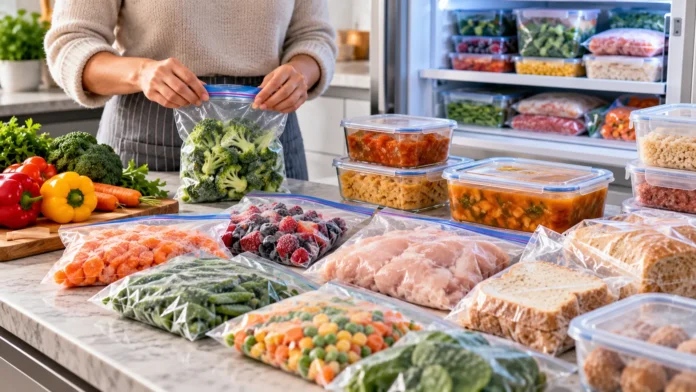

Freezing food is one of the easiest ways to save money, reduce food waste, and make everyday meal preparation more convenient. Instead of throwing away extra ingredients or cooking everything from scratch, you can store many foods in the freezer for future use. From fresh vegetables and fruits to cooked meals and baked goods, numerous everyday foods freeze successfully when prepared and stored correctly.
Knowing the best foods you can freeze for later helps you organize your kitchen and make better use of groceries. Freezing can preserve food quality, flavor, and nutritional value while giving you more flexibility with meal planning. However, different foods require different preparation methods to maintain their texture and taste.
This guide explores the best freezer-friendly foods, practical storage methods, and helpful freezing tips. You will also learn which ingredients freeze well, how to avoid freezer burn, and how to safely thaw frozen food before cooking or serving.
Why Freezing Food Is a Smart Way to Save Time and Money
Freezing food allows you to store extra ingredients and prepared meals until you need them. This helps reduce unnecessary grocery trips and makes everyday cooking more manageable. Instead of preparing every meal from the beginning, you can use ingredients that are already washed, chopped, or cooked. Having frozen food available is particularly useful during busy weekdays.
Another major benefit of freezing food is reducing household food waste. Fruits, vegetables, bread, and cooked meals can often be frozen before they spoil. This allows you to make better use of groceries purchased in larger quantities. Proper freezer storage can also help households manage food budgets by preserving ingredients bought during seasonal sales.
Freezing slows the growth of microorganisms, but it does not make spoiled food safe again. Foods should be frozen while they are still fresh and suitable for consumption. Maintaining a freezer temperature of 0°F (-18°C) or colder helps preserve food safely. Correct packaging and labeling also support better organization and maintain food quality during storage.
Fresh Vegetables That Freeze Well for Future Meals
Many vegetables freeze successfully and can be used in soups, stir-fries, casseroles, and other cooked dishes. Broccoli, cauliflower, carrots, green beans, peas, and spinach are popular freezer-friendly choices. Freezing vegetables when they are fresh helps preserve their flavor and nutritional value. Having prepared vegetables available also makes cooking faster and more convenient.
Most vegetables benefit from blanching before freezing, which involves briefly heating them in boiling water or steam. This process slows enzyme activity that can gradually affect color, texture, and flavor. After blanching, vegetables should be cooled quickly in ice water and drained thoroughly. Appropriate blanching times vary depending on the vegetable and its size.
Frozen vegetables are generally best used in cooked meals because freezing can soften their original texture. You can add many vegetables directly to soups, curries, and other hot dishes without thawing them first. Store prepared vegetables in freezer-safe bags or airtight containers. Removing excess air helps protect their quality and reduces the risk of freezer burn.
Fruits You Can Freeze for Smoothies and Desserts
Fresh fruits are among the best foods to freeze for later, especially when you enjoy smoothies, desserts, and homemade sauces. Strawberries, blueberries, raspberries, mangoes, bananas, peaches, and pineapple all freeze well. Freezing ripe fruit allows you to enjoy seasonal flavors throughout the year. It also prevents surplus fruit from being wasted when you cannot eat it immediately.
Before freezing fruit, wash it when appropriate and remove unwanted stems, seeds, or peels. Cut larger fruits into convenient pieces and spread them across a lined baking tray. Freeze the pieces separately before transferring them into freezer-safe bags. This method helps prevent fruit from forming large frozen clumps that are difficult to separate.
Frozen fruit works especially well in smoothies because it creates a thick, refreshing texture. You can also use it in muffins, fruit sauces, oatmeal, and baked desserts. Some fruits become softer after thawing because ice crystals affect their cellular structure. For this reason, frozen fruit is often more suitable for cooking or blending than serving as fresh slices.
Bread, Rolls, and Baked Goods You Can Freeze
Bread is one of the most convenient foods to freeze because it can lose freshness relatively quickly at room temperature. Sandwich bread, burger buns, dinner rolls, tortillas, and bagels generally freeze well. Keeping a supply in the freezer allows you to use only what you need. This can reduce waste and make breakfast or lunch preparation easier.
For convenient storage, divide bread into smaller portions before freezing. You can separate slices with suitable wrapping material if necessary and place them inside freezer-safe bags. Remove excess air to help maintain freshness and protect against freezer burn. Proper packaging is particularly important for baked goods that may absorb unwanted freezer odors.
Many baked items, including plain muffins, pancakes, waffles, and some cookies, can also be frozen successfully. Allow freshly baked products to cool completely before wrapping and freezing them. Thaw bread at room temperature or use an appropriate heating method for the specific product. Toasting frozen bread slices can be a convenient option when you need something quickly.
Cooked Rice, Pasta, and Other Grains for Quick Meals
Cooked grains can make meal preparation much faster when stored in convenient freezer portions. Rice, quinoa, barley, and certain pasta dishes are useful options for preparing meals ahead of time. You can cook a larger batch and divide it into smaller servings. This creates ready-to-use ingredients for lunches, dinners, and quick side dishes.
Food safety is particularly important when freezing cooked rice because harmful bacteria can grow if it remains at unsafe temperatures. Refrigerate or freeze cooked rice promptly, ideally within one hour, using shallow containers for faster cooling. Do not leave it sitting at room temperature for extended periods. The same careful cooling approach is useful for other cooked grains.
Cooked pasta can also be frozen, although its texture may become softer after reheating. Slightly firm pasta usually performs better than pasta that was already overcooked. Store grains in airtight containers or freezer bags with enough space for convenient portions. Reheat thoroughly, and thaw refrigerated leftovers safely rather than leaving them on the kitchen counter.
Raw Meat, Chicken, and Fish for Future Cooking
Raw meat, poultry, and fish are common freezer staples because freezing allows them to be stored beyond their normal refrigerated shelf life. Chicken pieces, ground meat, beef cuts, and fish fillets can be divided into practical portions. This makes weekly meal planning easier and reduces unnecessary handling. Freezing ingredients soon after purchase generally helps maintain their quality.
Before freezing, use airtight freezer packaging to reduce air exposure and prevent moisture loss. Divide larger packages into portions suitable for individual meals or family recipes. Label each package with the food name and freezing date. Separating raw animal products from ready-to-eat foods during preparation also helps prevent cross-contamination.
Frozen meat and seafood should be thawed using safe methods such as refrigeration, cold water, or a microwave when cooking immediately afterward. Never thaw raw meat on a countertop at room temperature. Foods thawed in cold water or the microwave should be cooked promptly. Following these practices helps protect food safety while keeping ingredients convenient for future meals.
Homemade Soups, Stews, and Curries That Freeze Well
Soups, stews, and curries are excellent freezer-friendly meals because they can be prepared in large quantities. Vegetable soup, lentil stew, chicken soup, bean chili, and many tomato-based curries freeze successfully. These dishes often maintain their flavor after reheating. Keeping individual portions available can make lunch and dinner preparation significantly easier.
Allow freshly cooked meals to cool safely before storing them in the freezer. Divide large batches into shallow containers and refrigerate or freeze them promptly rather than leaving them at room temperature. Leave appropriate space in containers because liquids expand as they freeze. Using containers with secure lids also helps prevent spills and unwanted odors.
Some ingredients, especially cream, certain dairy products, and delicate vegetables, may change texture after freezing. Cream-based soups sometimes separate when reheated, although gentle stirring may improve their consistency. You can also freeze soup bases before adding delicate ingredients. Labeling containers with dates makes it easier to identify meals and use older portions first.
Cheese, Butter, and Other Dairy Products You Can Freeze
Certain dairy products can be frozen successfully, making them useful for households that purchase larger quantities. Butter generally freezes well when wrapped properly and protected from surrounding odors. Hard and semi-hard cheeses can also be frozen, particularly when intended for cooking. However, freezing may change the texture of some dairy products even when they remain safe.
Shredded cheese is a convenient option because small amounts can be removed whenever needed. Cheddar, mozzarella, and similar cheeses can work well in cooked dishes after freezing. Blocks of cheese may become more crumbly after thawing. Portioning cheese before freezing helps reduce repeated handling and unnecessary exposure to warmer temperatures.
Milk and certain other dairy products can also be frozen, although separation and texture changes may occur. Thawed milk may need shaking or stirring before use. Yogurt can become grainy, making it more suitable for smoothies or cooking than eating plain. Always freeze dairy products before their quality deteriorates and thaw them safely in the refrigerator.
Homemade Sauces, Herbs, and Cooking Ingredients
Freezing small portions of cooking ingredients is a practical way to reduce preparation time. Tomato sauce, homemade pesto, broth, and certain cooking pastes can be stored for future recipes. These ingredients are often used in small quantities, making portion control especially helpful. Having prepared flavor bases available can simplify everyday cooking without relying entirely on packaged convenience foods.
Fresh herbs such as parsley, cilantro, basil, and dill can also be frozen for use in cooked dishes. Wash and dry herbs appropriately before chopping or portioning them. You can freeze small quantities in suitable containers or ice cube trays. Their texture may soften after thawing, so frozen herbs usually work best in soups, sauces, and cooked recipes.
Broth and homemade stock are particularly useful freezer staples because they appear in many dishes. Freeze them in small portions for sauces or larger containers for soups and stews. Avoid overfilling containers because liquids expand during freezing. Clearly labeling ingredients prevents confusion when several sauces or cooking bases have similar appearances.
Eggs and Breakfast Foods You Can Prepare Ahead
Eggs can be frozen in certain forms, but they should never be frozen raw inside their shells. Instead, remove the shells and prepare the eggs appropriately before freezing. Whole eggs can be beaten together and stored in suitable portions. Egg whites can also be frozen separately for later use in cooking or baking.
Prepared breakfast foods are another convenient option for freezer storage. Pancakes, waffles, breakfast muffins, and fully cooked breakfast burritos can often be frozen successfully. These foods are especially useful when mornings are busy and preparation time is limited. Wrap individual portions carefully so they can be removed without thawing an entire batch.
When freezing cooked egg dishes, remember that texture may change after reheating. Some ingredients can release moisture or become firmer than they were when freshly prepared. Cool cooked breakfast items promptly before placing them in the freezer. Reheat thoroughly, especially when dishes contain eggs, meat, or other perishable ingredients.
Casseroles, Lasagna, and Complete Make-Ahead Meals
Complete meals are among the most useful foods to freeze because they reduce cooking time on busy days. Lasagna, baked pasta, casseroles, stuffed vegetables, and certain rice-based dishes are popular choices. Preparing extra portions during regular cooking sessions can help create a convenient freezer meal collection. This approach supports practical meal planning and reduces reliance on last-minute takeout.
Freezer-friendly meals work best when prepared with ingredients that maintain reasonable texture after thawing. Tomato-based sauces, cooked vegetables, and many protein-rich fillings generally perform well. Some watery vegetables or delicate toppings may become softer during freezing. Choosing appropriate ingredients and packaging helps preserve the quality of the finished dish.
Divide large meals into smaller containers when possible so you can thaw only the required amount. For larger casseroles, use containers specifically suitable for freezing and follow safe reheating instructions. Avoid moving unsuitable glass dishes directly between extreme temperatures because they may crack. Reheat leftovers until they are thoroughly hot, reaching 165°F (74°C) when checked with a food thermometer.
Best Freezer Storage Tips to Keep Food Fresh
Proper freezer storage helps maintain the flavor, texture, and overall quality of frozen foods. Use freezer-safe containers, heavy-duty freezer bags, or suitable wrapping materials that provide protection from air and moisture. Ordinary packaging may not protect food as effectively during extended storage. Removing excess air reduces the likelihood of freezer burn and helps preserve the original quality.
Labeling frozen food is another simple habit that makes kitchen organization easier. Write the food name, freezing date, and portion information on each package. Arrange items so older food remains accessible and can be used before newer additions. A basic freezer inventory can also help prevent forgotten ingredients from accumulating behind other packages.
Frozen food kept continuously at 0°F (-18°C) or colder can remain safe for an extended period, although quality gradually declines. Recommended freezer storage times generally describe quality rather than a strict safety deadline. Never refreeze food that has been left at unsafe temperatures. Following safe cooling, thawing, and reheating practices is just as important as proper packaging.
Conclusion
Freezing food is a practical way to reduce waste, organize groceries, and make everyday cooking more convenient. Vegetables, fruits, bread, meat, dairy products, and prepared meals can all be useful freezer staples when handled correctly. Choosing foods that freeze well allows you to maintain a flexible supply of ingredients for different recipes and occasions.
Successful freezer storage depends on proper preparation, packaging, and temperature control. Dividing food into manageable portions, using airtight containers, and labeling packages can help preserve quality. Safe cooling and thawing methods are especially important for cooked meals and perishable ingredients. These habits make frozen food easier to use while protecting household food safety.
By learning which foods you can freeze for later, you can make better use of leftovers and plan meals with greater convenience. Start with ingredients you regularly cook, then gradually expand your collection of freezer-friendly foods. A well-organized freezer can become a valuable part of your kitchen routine, helping you save time, manage food costs, and reduce unnecessary waste.
Frequently Asked Questions
What foods are best to freeze for later use?
Vegetables, berries, bananas, bread, cooked grains, meat, soups, stews, and casseroles are excellent freezer-friendly foods. Proper preparation and airtight packaging help preserve their quality and make them easier to use in future meals.
How long can food stay in the freezer?
Food stored continuously at 0°F (-18°C) or colder can remain safe indefinitely, although its quality may decline. Recommended storage periods




