
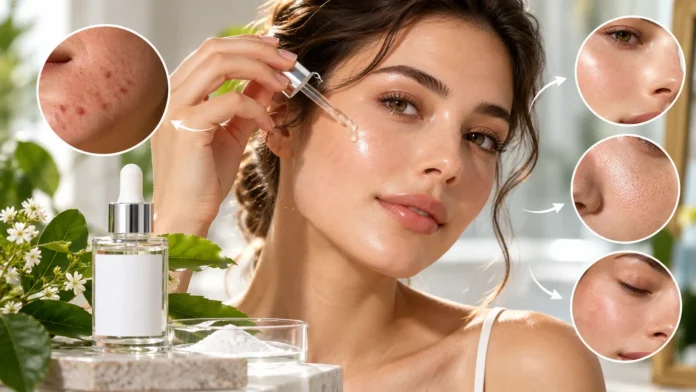

Unlike some stronger exfoliating ingredients, azelaic acid is often well tolerated by people with sensitive or acne-prone skin, although irritation is still possible. It works through several mechanisms, including reducing inflammation, helping prevent clogged pores, and influencing excess pigment production. Whether you are dealing with occasional breakouts, persistent discoloration, or rosacea-related bumps, azelaic acid may offer a practical approach to improving skin health over time.
What Is Azelaic Acid and How Does It Work?
Azelaic acid is a naturally occurring dicarboxylic acid found in certain grains, including wheat, rye, and barley, although skincare formulations generally use a manufactured version. Dermatologists have used this ingredient for years to manage several common skin conditions. Its combination of anti-inflammatory, antimicrobial, and pigment-regulating properties makes it particularly useful in targeted skincare treatments.
One of the most important azelaic acid benefits is its ability to address multiple skin concerns through different mechanisms. It helps reduce inflammation, limits the growth of certain acne-associated bacteria, and supports normal skin cell turnover. Additionally, it inhibits tyrosinase, an enzyme involved in melanin production, which can help improve the appearance of some types of dark spots.
Azelaic acid is available in different formulations, including creams, gels, foams, and serums. Over-the-counter products commonly contain concentrations around 10%, while prescription treatments may contain 15% or 20%, depending on the country. The best option depends on your skin concerns, sensitivity, and whether you are treating a diagnosed condition under medical supervision.
Azelaic Acid Benefits for Acne-Prone Skin
Acne is one of the most common reasons people introduce azelaic acid into their skincare routines. The ingredient helps manage acne by reducing inflammation, addressing acne-associated bacteria, and preventing abnormal buildup of skin cells inside pores. These combined effects can make it useful for people experiencing mild to moderate inflammatory acne and certain noninflamed blemishes.
Another advantage is that azelaic acid can help address the discoloration that remains after acne lesions have healed. This makes it particularly appealing to people who experience both active breakouts and post-inflammatory hyperpigmentation. Instead of relying on several separate treatments, azelaic acid may support improvements in multiple concerns within a simpler skincare routine.
However, azelaic acid does not work immediately, and its effectiveness varies between individuals. Some people notice early improvements within several weeks, while more meaningful changes may require two to three months of consistent use. Severe acne, deep painful lesions, or acne that causes scarring may require additional treatment from a dermatologist rather than azelaic acid alone.
How Azelaic Acid Helps Reduce Dark Spots and Hyperpigmentation
Hyperpigmentation occurs when certain areas of the skin produce more melanin than surrounding areas. It may develop after acne, inflammation, hormonal changes, or sun exposure, creating patches of uneven coloration. Azelaic acid helps manage some types of hyperpigmentation by reducing excess pigment production through its effects on the enzyme tyrosinase.
Post-inflammatory hyperpigmentation is one condition where azelaic acid may be particularly helpful. Dark marks can remain visible after acne or other skin inflammation has resolved, sometimes taking months to fade naturally. By addressing inflammation and excess pigmentation, azelaic acid can gradually improve the appearance of these marks without relying on aggressive exfoliation.
The ingredient is also sometimes recommended as part of a treatment plan for melasma, a condition that causes patches of discoloration. However, results depend on the severity of pigmentation, skin characteristics, and other contributing factors. Daily broad-spectrum sunscreen is especially important because ultraviolet exposure can worsen discoloration and reduce the benefits of pigmentation-focused skincare treatments.
Azelaic Acid Benefits for Rosacea and Facial Redness
Rosacea is a chronic inflammatory skin condition that can cause facial redness, sensitivity, and acne-like bumps. Azelaic acid is an established topical treatment for the inflammatory bumps associated with rosacea. Its anti-inflammatory properties help calm certain processes involved in the condition, making it a useful option for appropriate patients.
Prescription formulations containing 15% azelaic acid are commonly used to treat inflammatory rosacea lesions. Treatment may improve the appearance of bumps and some associated redness over time, although it does not reliably eliminate persistent background redness or visible blood vessels. Understanding this distinction helps people establish realistic expectations before starting treatment.
People with rosacea often have reactive skin that becomes irritated by fragrances, harsh cleansers, and certain active ingredients. Although azelaic acid is suitable for many individuals, it can initially cause stinging, burning, or tingling sensations. Introducing treatment cautiously and using a gentle moisturizer can support comfort, while persistent irritation should be discussed with a healthcare professional.
Can Azelaic Acid Improve Uneven Skin Tone and Texture?
Uneven skin tone can result from several factors, including acne marks, inflammation, sun exposure, and differences in pigmentation. Azelaic acid may improve skin tone by targeting certain pigmentation processes and reducing inflammation. With regular use, some people notice that previously discolored areas become less noticeable, creating a more even-looking complexion.
The ingredient also influences keratinization, the process through which skin cells develop and shed. When this process becomes irregular, dead skin cells may contribute to clogged pores and rough-feeling areas. Azelaic acid helps normalize this activity, which can improve the appearance of blemish-prone skin and support a smoother surface over time.
However, azelaic acid is not a replacement for every product designed to improve skin texture. Deep acne scars, enlarged pores, and significant changes caused by aging may respond differently or require other treatments. Its strongest advantages involve acne, inflammation, and certain forms of discoloration rather than dramatic skin resurfacing or structural changes.
Is Azelaic Acid Good for Sensitive Skin?
One reason azelaic acid has become popular is its potential suitability for skin that does not tolerate certain stronger treatments. Unlike traditional exfoliating acids that primarily remove surface skin cells, azelaic acid works through several additional biological pathways. This makes it a useful alternative for some people who experience irritation from aggressive exfoliation routines.
Nevertheless, sensitive skin does not automatically mean azelaic acid will be comfortable to use. Temporary itching, dryness, stinging, and redness are possible, particularly when treatment first begins or products are applied too frequently. Individual tolerance depends on the formulation, concentration, existing skin conditions, and other ingredients used alongside it.
A cautious introduction can help determine whether your skin tolerates the ingredient. Consider testing the product on a small area according to its instructions before applying it more widely. Using a fragrance-free cleanser and moisturizer, avoiding unnecessary exfoliation, and following product directions can reduce irritation while allowing you to evaluate its effects.
How to Use Azelaic Acid in Your Morning Skincare Routine
A morning skincare routine does not need to involve numerous products to support healthy skin. Azelaic acid can fit into a simple routine that includes cleansing, moisturizing, and sun protection. Depending on the formulation and your healthcare professional’s instructions, it may be applied once or twice daily to appropriate areas.
Begin by gently cleansing your face with a mild product that does not leave your skin feeling excessively dry. After your skin has dried, apply the recommended amount of azelaic acid, avoiding the eyes, lips, and other sensitive areas. Follow with a suitable moisturizer to support skin comfort and reduce the likelihood of dryness.
The final essential step is applying broad-spectrum sunscreen with an SPF of at least 30. Sunscreen helps protect against ultraviolet damage and is particularly important when treating post-acne marks or other pigmentation concerns. Azelaic acid itself is not a substitute for sun protection, and consistent sunscreen use can help preserve improvements in uneven skin tone.
How to Add Azelaic Acid to Your Nighttime Skincare Routine
Nighttime can be another convenient opportunity to incorporate azelaic acid into your daily skincare habits. A simple evening routine helps remove accumulated sunscreen, dirt, and other residue before treatment. Keeping the number of active products manageable may also make it easier to identify which ingredients your skin tolerates.
After cleansing, allow your skin to dry before applying azelaic acid according to the product directions. Apply a thin, even layer rather than using excessive amounts, since more product does not necessarily produce faster results. Finish with a moisturizer suitable for your skin type to help maintain hydration and minimize discomfort.
If you are new to azelaic acid, starting with less frequent applications may be appropriate for some over-the-counter products. Prescription formulations should be used according to the directions provided by your clinician. Avoid increasing application frequency simply to accelerate progress, because irritation may interfere with your ability to maintain treatment consistently.
Can You Use Azelaic Acid With Niacinamide?
Niacinamide is a form of vitamin B3 commonly included in skincare products designed to support the skin barrier and improve the appearance of uneven tone. It is also used in products targeting oiliness and visible redness. Because azelaic acid and niacinamide work through different mechanisms, they can sometimes complement each other.
Combining these ingredients may be useful when addressing post-acne marks, inflammation, or skin that becomes easily irritated. Niacinamide-containing moisturizers can provide an additional barrier-supporting component alongside azelaic acid treatment. However, using both ingredients does not guarantee better results, particularly when an individual already responds well to a simple routine.
The most important consideration is how your skin reacts to the complete formulation rather than the ingredient names alone. Introducing several new products simultaneously can make irritation difficult to identify. Consider adding one product at a time and monitoring your skin before making further adjustments to your skincare routine.
Can You Combine Azelaic Acid With Retinol or Vitamin C?
Retinol and other retinoids are popular skincare ingredients used for acne, uneven texture, and signs of skin aging. Azelaic acid may sometimes be included in routines that contain retinoids, particularly when pigmentation and acne are both concerns. However, combining active treatments can increase dryness and irritation, especially during the adjustment period.
Vitamin C is another ingredient frequently used to address uneven skin tone and support antioxidant protection. Some people use vitamin C and azelaic acid within the same broader skincare routine, but individual tolerance varies significantly. Products with high concentrations or acidic formulations may cause discomfort when layered with other active ingredients.
For sensitive skin, alternating certain treatments between morning and evening may be more comfortable than applying everything together. There is no universal combination schedule that works for everyone, and prescription retinoids require particular attention to professional guidance. If significant irritation develops, simplify your routine and seek advice before continuing multiple active treatments.
Azelaic Acid vs Salicylic Acid: Which Is Better?
Azelaic acid and salicylic acid are both widely used in skincare, but they address skin concerns through different mechanisms. Salicylic acid is a beta-hydroxy acid that helps exfoliate inside pores and manage excess buildup of dead skin cells. It is commonly used in products targeting blackheads, whiteheads, and oily skin.
Azelaic acid offers additional advantages for certain inflammatory conditions and pigmentation concerns. Its anti-inflammatory and pigment-regulating effects make it especially relevant for people experiencing acne alongside lingering dark marks. It is also used medically for inflammatory rosacea, whereas salicylic acid may be too irritating for some people with that condition.
Choosing between the two depends on your primary skin concerns and tolerance. Salicylic acid may be more suitable when clogged pores and oily skin are the main problems, while azelaic acid may be preferable when inflammation and post-acne discoloration are prominent. Some routines use both, but combining them requires caution because excessive irritation can undermine treatment.
Azelaic Acid vs Glycolic Acid: Key Differences
Glycolic acid is an alpha-hydroxy acid primarily used for chemical exfoliation and improving the appearance of surface texture. It works by helping loosen connections between dead skin cells, allowing them to shed more easily. This can make glycolic acid useful for some concerns involving roughness, dullness, and superficial uneven pigmentation.
Azelaic acid works differently and has a broader role in treating certain inflammatory skin conditions. Although it influences abnormal skin cell buildup, its benefits are not limited to exfoliation. Its effects on acne-associated bacteria, inflammation, and melanin production distinguish it from glycolic acid and explain why dermatologists recommend it for specific conditions.
Neither ingredient is universally better than the other. People seeking exfoliation may benefit from glycolic acid, while those managing inflammatory acne, rosacea bumps, or certain dark spots may find azelaic acid more relevant. Using both without adequate guidance can increase irritation, so selecting products based on specific needs is often more practical.
How Long Does Azelaic Acid Take to Work?
One of the most common questions about azelaic acid concerns how quickly visible improvements appear. Unlike makeup or temporary cosmetic products, azelaic acid gradually influences processes involved in inflammation and pigmentation. Results vary depending on the condition being treated, product concentration, application frequency, and individual skin response.
For acne and inflammatory rosacea bumps, early improvements may become noticeable after approximately four to eight weeks of appropriate use. Some individuals require longer periods before achieving a meaningful response. Hyperpigmentation often takes additional time because visible discoloration does not disappear immediately, even after the underlying causes are being addressed.
Consistent treatment is generally more important than applying unnecessarily large amounts. Taking photographs under similar lighting conditions may help you evaluate changes without relying entirely on daily impressions. If your condition worsens, significant irritation develops, or improvement remains limited after the expected treatment period, consult a dermatologist about adjusting your care.
Common Azelaic Acid Side Effects and Safety Tips
Although azelaic acid is generally considered well tolerated, it can cause side effects in some individuals. Common reactions include temporary burning, stinging, itching, dryness, and mild skin irritation. These symptoms may be more noticeable when treatment begins, particularly among people with sensitive skin or compromised skin barriers.
More significant reactions require careful attention rather than simply continuing treatment. Persistent severe irritation, worsening swelling, blistering, or signs of an allergic reaction should prompt discontinuation and appropriate medical advice. Azelaic acid should not be applied to broken skin unless specifically directed, and contact with the eyes and mouth should be avoided.
Product instructions also matter because different concentrations and formulations may have different recommendations. People who are pregnant or breastfeeding should ask their healthcare professional about treatment decisions, even though topical azelaic acid has relatively low systemic absorption. Using reputable products and following professional guidance can help maximize benefits while limiting avoidable risks.
How to Choose the Best Azelaic Acid Product
Finding a suitable azelaic acid product starts with identifying your main skincare concern. Someone targeting occasional blemishes may have different needs from a person receiving treatment for diagnosed rosacea or persistent melasma. Concentration, formulation, other ingredients, and skin sensitivity all influence which product may be appropriate.
Over-the-counter azelaic acid products commonly contain around 10% of the ingredient and are available in several textures. Prescription options may contain 15% or 20%, depending on the condition and regional availability. Higher concentrations are not automatically better for every individual, and selecting an appropriate treatment often matters more than choosing the strongest available formulation.
Pay attention to the complete ingredient list, especially if your skin reacts to fragrances or multiple active ingredients. A lightweight gel may feel different from a moisturizing cream, but the most suitable texture depends on individual preference and tolerability. Choosing a manageable routine that you can follow consistently is more valuable than purchasing numerous products with overlapping purposes.
Mistakes to Avoid When Using Azelaic Acid
One common mistake is expecting visible improvements within only a few days. Azelaic acid works gradually, and different concerns respond at different rates. Stopping treatment too early or repeatedly changing products can make it difficult to determine whether the ingredient is genuinely helping your skin.
Another mistake involves combining too many potentially irritating products in the same routine. Strong exfoliants, retinoids, and certain concentrated treatments can increase discomfort when introduced without adequate consideration. While these ingredients are not always incompatible, excessive layering may cause dryness and redness that make skincare less comfortable.
Skipping moisturizer or sunscreen can also reduce the effectiveness of an otherwise carefully planned routine. Moisturizer supports skin comfort, while sun protection is essential for managing pigmentation concerns and preventing additional damage. Avoid applying azelaic acid more frequently than directed, and seek professional advice if symptoms worsen instead of assuming stronger treatment is necessary.
Who Should Consider Adding Azelaic Acid to Their Skincare Routine?
Azelaic acid may be worth considering for people experiencing mild to moderate acne, post-inflammatory dark spots, or uneven skin tone. It can also play an important role in treating inflammatory rosacea under appropriate guidance. Its ability to address several concerns makes it a useful ingredient for individuals who prefer a relatively straightforward approach.
People with sensitive skin may also find azelaic acid helpful, although tolerance is never guaranteed. Choosing a suitable formulation and introducing it carefully can make a significant difference. Anyone with an existing inflammatory skin condition, persistent irritation, or multiple prescription treatments should discuss adding azelaic acid with their dermatologist.
Not everyone needs azelaic acid to maintain healthy skin. If your current routine already supports comfortable skin and addresses your concerns, adding another active ingredient may offer limited value. Skincare works best when products are chosen for specific needs rather than trends, complicated routines, or unrealistic expectations about achieving flawless skin.
Conclusion
Azelaic acid is a versatile skincare ingredient with established benefits for acne, inflammatory rosacea bumps, and certain types of hyperpigmentation. Its anti-inflammatory, antimicrobial, and pigment-regulating properties explain why it appears in both cosmetic products and prescription treatments. Understanding these azelaic acid benefits can help you make more informed decisions about your skincare routine.
The best results usually come from choosing an appropriate formulation, using it consistently, and maintaining gentle skincare habits. Cleansing, moisturizing, and daily sunscreen provide a useful foundation, particularly when discoloration is a concern. Although azelaic acid is often well tolerated, individual responses vary, and irritation should never be ignored.
Ultimately, azelaic acid can be a valuable addition for people dealing with specific skin concerns, but it is not a universal solution. Patience and realistic expectations are important because improvements generally develop gradually. If you are uncertain whether it suits your skin or need treatment for a persistent condition, a dermatologist can help you choose an appropriate approach.
Frequently Asked Questions (FAQs)
What are the main benefits of azelaic acid for skin?
Azelaic acid helps manage acne, inflammatory rosacea bumps, and certain forms of hyperpigmentation. Its anti-inflammatory, antimicrobial, and pigment-regulating properties can support improvements in skin clarity and uneven tone with consistent use.
Can I use azelaic acid every day?
Yes, many azelaic acid products are designed for daily use, sometimes twice daily. However, application frequency depends on the formulation, skin tolerance, and product instructions. Beginners may need a gradual introduction.
Does azelaic acid help remove acne scars?
Azelaic acid can help fade dark marks left after acne, particularly post-inflammatory hyperpigmentation. However, it cannot reliably remove indented or raised acne scars, which may require professional dermatological treatments.
Is azelaic acid better than niacinamide?
Neither ingredient is universally better. Azelaic acid has established uses for acne, inflammatory rosacea, and pigmentation, while niacinamide is commonly used to support skin barrier function and improve the appearance of uneven tone.
Can azelaic acid make skin worse before it gets better?
Azelaic acid may initially cause stinging, dryness, or irritation, but significant worsening should not be assumed to be normal purging. Persistent breakouts or severe reactions deserve evaluation by a dermatologist.




