
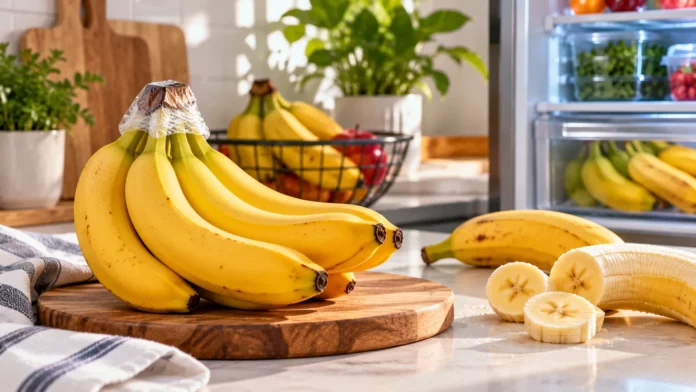

How to Keep Bananas Fresh for Longer
Learning how to keep bananas fresh for longer can help reduce food waste and ensure you always have a delicious fruit available for breakfast, smoothies, or snacks. Bananas are popular because they are convenient, naturally sweet, and easy to incorporate into everyday meals. However, their relatively quick ripening process can make proper storage challenging.
Fresh bananas gradually change from green to yellow and eventually develop brown spots as they ripen. Temperature, humidity, air circulation, and exposure to ethylene gas can influence how quickly these changes occur. Understanding these factors allows you to choose storage methods that maintain the fruit’s quality and extend its useful life.
Fortunately, keeping bananas fresh does not require expensive containers or complicated techniques. Simple habits such as choosing appropriate storage locations, refrigerating ripe bananas, and freezing extras can make a meaningful difference. This guide explores practical banana storage tips, explains common mistakes, and helps you enjoy your bananas before they become overripe.
Why Do Bananas Ripen So Quickly?
Bananas are climacteric fruits, meaning they continue ripening after being harvested. During this process, the fruit produces and responds to ethylene, a naturally occurring plant hormone involved in ripening. As ripening progresses, starches gradually convert into sugars, creating the sweeter flavor and softer texture associated with ripe bananas.
The speed of ripening depends on several factors, including the banana’s maturity, surrounding temperature, and exposure to ethylene. Bananas stored in warm kitchens often soften more quickly than those kept in cooler environments. Their peels also change color as pigments break down, allowing the familiar yellow appearance to develop.
Brown spots eventually appear as the fruit continues maturing and its peel undergoes further changes. These spots do not automatically indicate spoilage because a spotted banana may still be perfectly suitable for eating. However, understanding the difference between normal ripening and actual deterioration is important for safe food storage.
Store Bananas at the Right Room Temperature
Room temperature storage is generally suitable for bananas that are still green or beginning to turn yellow. A cool, dry location away from direct sunlight provides better conditions than a warm kitchen windowsill. Moderate temperatures allow bananas to ripen naturally without unnecessarily accelerating the softening process.
For ordinary home storage, temperatures around 18–22°C are often comfortable for ripening bananas. However, exact conditions vary according to the fruit’s maturity and previous handling. Very warm temperatures can speed up ripening, while excessively cold conditions may damage the peel and affect the fruit’s overall quality.
Choose a kitchen counter or pantry location with reasonable airflow and limited exposure to heat-producing appliances. Avoid placing bananas beside ovens, radiators, or windows receiving strong afternoon sunlight. These simple adjustments can help maintain more consistent storage conditions and reduce the likelihood of fruit becoming overripe unexpectedly.
Keep Bananas Away From Other Ripening Fruits
Bananas produce ethylene gas during ripening, and nearby fruits can contribute additional amounts of this natural hormone. Apples, avocados, pears, and tomatoes may also release ethylene as they mature. Storing these foods close together can influence how quickly certain fruits soften and change color.
If your goal is to keep bananas fresh for longer, consider separating them from other actively ripening produce. A dedicated banana bowl or open countertop space can help reduce unnecessary ethylene exposure. However, separation does not completely stop ripening because bananas continue producing ethylene themselves.
When you intentionally want bananas to ripen faster, placing them near ripe fruit can have the opposite effect. This makes fruit placement a useful part of everyday kitchen organization. By managing where bananas are stored, you can better match their ripening speed with your meal plans and household needs.
Should You Separate Bananas From the Bunch?
Separating bananas from a bunch is a popular household storage technique, but its effectiveness is often overstated. Bananas naturally produce ethylene, whether they remain attached to a cluster or are separated. Removing individual bananas does not guarantee a slower ripening process, and the results may vary according to storage conditions.
Keeping bananas together can sometimes be convenient because the bunch is easier to organize and move. However, a tightly packed arrangement may allow damaged fruit to press against neighboring bananas. Gentle handling and adequate airflow are generally more important than following a strict rule about separating every banana.
If one banana becomes unusually soft or damaged, removing it can help prevent moisture and spoiled material from affecting nearby fruit. Inspect the remaining bananas and use the ripest ones first. This practical approach focuses on reducing damage and waste rather than relying on separation as a guaranteed freshness solution.
Does Wrapping Banana Stems Keep Them Fresh?
Wrapping banana stems with plastic wrap or another suitable material is frequently recommended as a way to slow ripening. The idea is that covering the crown may reduce some ethylene movement around the stem area. However, evidence that this method substantially extends freshness under ordinary household conditions is limited.
If you choose to try stem wrapping, keep the material clean and avoid trapping excessive moisture around damaged fruit. Wrapping the crown of a bunch is usually more convenient than handling each banana separately. Remember that ethylene can also be released from other parts of the fruit.
Stem wrapping should be considered an optional storage experiment rather than an essential technique for preserving bananas. Temperature management, careful handling, and timely refrigeration of ripe fruit are generally more dependable approaches. Combining practical storage habits is more useful than expecting one wrapping method to completely prevent ripening.
Can You Refrigerate Bananas to Keep Them Fresh?
Refrigeration can help preserve bananas once they have reached the ripeness you prefer. Cooler temperatures slow many processes involved in further ripening and deterioration. This makes the refrigerator a useful option when you have ripe bananas that you cannot eat immediately.
The banana peel may turn dark brown or nearly black after refrigeration, even when the fruit inside remains suitable for eating. This color change occurs because banana peels are sensitive to low temperatures. Therefore, darkened refrigerated peels should not automatically be interpreted as evidence that the fruit has spoiled.
Avoid refrigerating very green bananas if your goal is to allow them to ripen normally. Chilling unripe bananas can interfere with the ripening process and may affect their eventual texture and appearance. Wait until they are ripe, then refrigerate them promptly if you want to slow further softening.
How to Store Cut Bananas Without Browning
Cut bananas brown relatively quickly because their exposed flesh reacts with oxygen in the air. This process is called enzymatic browning and is a natural chemical reaction. Although discoloration can affect appearance, mild browning does not necessarily mean that the fruit has become unsafe to eat.
Applying a little lemon, lime, or other acidic fruit juice may help slow browning on freshly cut banana surfaces. The acidity can interfere with some of the reactions responsible for discoloration. However, adding too much juice may change the banana’s flavor, so use only enough to lightly coat the exposed pieces.
Store cut bananas in a clean, airtight container inside the refrigerator and use them promptly. For the best texture and appearance, eating them within a day is often preferable. Refrigerate cut fruit within two hours, or within one hour in very hot conditions, and discard it if signs of spoilage develop.
How to Freeze Bananas for Long-Term Storage
Freezing is one of the most effective ways to preserve ripe bananas when you cannot use them immediately. Frozen bananas are especially convenient for smoothies, baked goods, and blended desserts. Unlike ordinary room temperature storage, freezing greatly slows the processes responsible for ripening and spoilage.
Start by peeling ripe bananas and cutting them into manageable pieces if desired. Arrange the pieces on a freezer-safe tray so they can freeze separately before transferring them into a suitable container or freezer bag. Removing excess air from the packaging can help reduce freezer burn and preserve quality.
Label the container with the freezing date so you can track how long the bananas have been stored. For good quality, using frozen bananas within approximately two to three months is a practical goal. Properly frozen bananas may remain safe for longer, but their texture and flavor can gradually deteriorate during extended storage.
How to Prevent Bananas From Bruising
Bruising is a common reason bananas develop dark, softened areas before the rest of the fruit becomes fully ripe. Pressure from heavy objects, rough handling, or repeated movement can damage the delicate flesh beneath the peel. Preventing this damage helps maintain a more appealing texture and reduces unnecessary food waste.
Place bananas in a location where they will not be crushed by groceries or other kitchen items. Avoid stacking heavy produce on top of them or storing them in tightly packed containers. A wide fruit bowl can provide sufficient space, while careful handling during shopping and transportation helps prevent damage.
Banana hangers are sometimes recommended because they reduce contact with hard surfaces and keep the fruit elevated. They may help prevent certain pressure-related marks, although they do not necessarily slow biological ripening. Whether you use a hanger or bowl, the main priority is protecting bananas from unnecessary pressure and damage.
How to Tell if Bananas Are Still Fresh
Freshness depends on the banana’s appearance, texture, smell, and intended use rather than peel color alone. A yellow banana with small brown spots may be ripe and pleasantly sweet. Even heavily spotted bananas can remain useful for baking if the flesh is in good condition and no spoilage signs are present.
Examine the fruit for mold, leaking liquid, an unusual fermented smell, or excessively deteriorated flesh. These warning signs may indicate that the banana is no longer suitable for eating. When cutting a banana open, inspect the flesh rather than relying exclusively on the color of its outer peel.
A banana that has become soft through ordinary ripening may still work well in recipes requiring mashed fruit. However, fruit showing clear spoilage should be discarded rather than used in cooking. Learning these differences helps households avoid unnecessary waste while maintaining sensible food safety practices.
Common Mistakes That Make Bananas Spoil Faster
One common mistake is keeping bananas beside direct heat sources or in strong sunlight. Warm conditions can accelerate ripening and shorten the period when the fruit has the desired firmness. Moving bananas to a cooler, shaded kitchen location can help create a more suitable environment for storage.
Another mistake involves refrigerating bananas before they have properly ripened. Cold temperatures may damage green bananas and interfere with their normal ripening process. Instead, allow them to reach the desired ripeness at room temperature before transferring them to the refrigerator for additional storage time.
Ignoring damaged bananas can also contribute to avoidable waste because spoiled fruit may affect neighboring produce. Inspect your fruit regularly and separate pieces showing leakage, mold, or significant deterioration. Simple attention to storage conditions and fruit quality is often more effective than complicated household preservation tricks.
Smart Ways to Use Bananas Before They Spoil
One of the easiest ways to prevent banana waste is to use ripe fruit in meals and snacks before its quality declines. Bananas work well in oatmeal, yogurt, smoothies, pancakes, and many baked recipes. Their natural sweetness can contribute flavor and texture without requiring complicated preparation.
Overripe but unspoiled bananas are particularly useful for banana bread, muffins, and other recipes that require mashed fruit. Their softer texture makes them easy to incorporate into mixtures. You can also blend ripe bananas into smoothies or freeze pieces for convenient use in future recipes.
Planning purchases according to household needs can reduce the number of bananas that become overripe simultaneously. Choosing a combination of green, slightly yellow, and fully ripe bananas may spread their readiness across several days. This approach combines practical shopping decisions with proper storage to minimize waste and maintain a convenient supply.
Conclusion
Knowing how to keep bananas fresh for longer makes everyday food storage easier and helps reduce unnecessary waste. Suitable room temperatures, careful handling, and separation from other ripening fruits can influence how quickly bananas mature. Once they reach the desired ripeness, refrigeration provides a useful way to slow further changes.
Freezing ripe bananas is another practical solution when you have more fruit than you can use immediately. Cut bananas benefit from prompt refrigeration and airtight storage, while bruised or excessively damaged pieces require closer inspection. Understanding normal color changes helps distinguish ordinary ripening from genuine spoilage.
The best banana storage routine depends on how quickly your household consumes fruit and how you plan to use it. By checking ripeness regularly, choosing appropriate storage methods, and using ripe bananas creatively, you can enjoy their flavor and convenience while keeping food waste to a minimum.
Frequently Asked Questions (FAQs)
What is the best way to keep bananas fresh for longer?
Keep unripe bananas at a moderate room temperature away from sunlight and excessive heat. Once they become ripe, refrigerate them to slow further ripening and help preserve the fruit inside.
Should bananas be stored in the refrigerator?
Yes, ripe bananas can be refrigerated to extend their usable life. The peel may turn dark, but the flesh can remain suitable for eating. Avoid refrigerating very green bananas before they ripen.
Does wrapping banana stems really keep them fresh?
Wrapping banana stems is a popular technique, but evidence of significant freshness benefits is limited. Proper temperature management, gentle handling, and refrigerating ripe fruit are generally more reliable ways to preserve bananas.
How long do bananas last in the refrigerator?
Ripe bananas may remain suitable for several additional days in the refrigerator, depending on their condition. The peel often darkens quickly, so inspect the flesh and check for spoilage before eating.
Can you freeze bananas without the peel?
Yes, peeled bananas freeze well and are convenient for smoothies, baking, and blended desserts. Store them in airtight, freezer-safe packaging and use them within approximately two to three months for the best quality.