
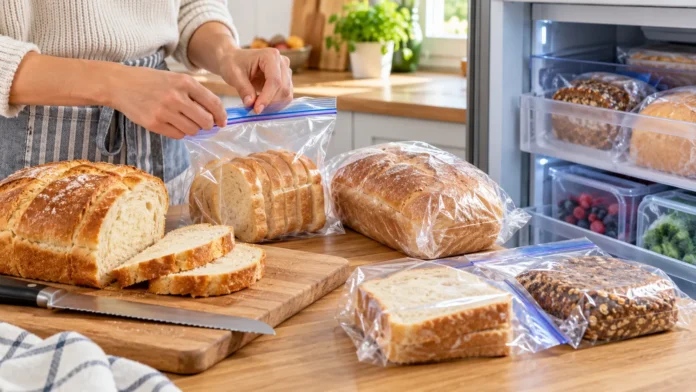

Can You Freeze Bread? Best Storage Tips to Keep It Fresh
Bread is a staple food in many households, but keeping it fresh can be challenging. Whether you buy sandwich bread, bake homemade loaves, or enjoy fresh bakery bread, proper storage makes a difference. Bread can become stale, dry, or moldy when stored incorrectly. Learning how to freeze bread helps you preserve its freshness and reduce unnecessary food waste.
Freezing is one of the easiest ways to extend the shelf life of bread without significantly affecting its taste or texture. It slows the changes that cause bread to become stale and helps protect it from mold growth during frozen storage. However, the way you package and thaw bread affects its quality. Understanding the right techniques makes it easier to enjoy fresh-tasting bread whenever you need it.
This guide explains whether you can freeze bread, how long frozen bread lasts, and the best methods for storing different types of bread. You will also learn how to prevent freezer burn, thaw bread properly, and recognize when bread should be discarded. These simple bread storage tips can help keep your favorite loaves delicious for longer.
Can You Freeze Bread Without Losing Freshness?
Yes, you can freeze bread without significantly affecting its freshness when it is stored correctly. Freezing slows the staling process and prevents mold from growing while the bread remains frozen. Most types of bread, including white, whole wheat, sourdough, and multigrain varieties, freeze successfully. Proper wrapping helps maintain their original flavor, moisture, and texture.
Bread begins losing freshness soon after baking because its starches gradually change structure. This process, called starch retrogradation, contributes to the firm texture associated with stale bread. Freezing slows these changes considerably, especially when bread is frozen while still fresh. This makes the freezer a practical option for preserving extra loaves.
The most important factor is protecting bread from air and moisture loss during storage. Exposure to freezer air can cause dehydration, unpleasant flavors, and changes in texture. Using freezer-safe packaging and removing excess air helps preserve bread quality. When thawed correctly, frozen bread can taste surprisingly close to freshly purchased or baked bread.
Why Freezing Bread Is Better Than Refrigerating It
Many people assume that storing bread in the refrigerator keeps it fresh longer. Although refrigeration can slow mold development, it often causes bread to become stale more quickly. The cool temperatures inside a refrigerator encourage starch changes that make bread firm and dry. Freezing is generally a better solution for long-term bread storage.
When bread is frozen, these starch changes slow down considerably. This helps preserve its softness, especially when the loaf is packaged properly. Unlike refrigeration, freezing allows you to store bread for weeks or months while maintaining acceptable quality. It is particularly useful when you cannot finish an entire loaf quickly.
Room-temperature storage is still suitable for bread you plan to eat within a few days. However, warm and humid conditions can encourage mold growth, making freezing a safer storage choice for longer periods. If you want to preserve bread beyond its usual freshness window, freezing offers excellent convenience. It also reduces the need for frequent bakery visits.
How to Freeze Bread the Right Way
Freezing bread correctly starts with choosing bread that is still fresh and in good condition. Avoid freezing loaves that have already developed mold or unpleasant odors. If you baked bread at home, allow it to cool completely before packaging. Trapped heat can produce condensation, which affects the texture once the bread freezes.
For sliced bread, separate portions according to how much you usually eat. You can freeze an entire loaf or divide it into smaller groups of slices. Wrap the bread tightly using freezer-safe plastic wrap, aluminum foil, or suitable freezer bags. Remove as much excess air as possible before sealing the packaging.
Label the package with the freezing date so you can track how long the bread has been stored. Place it in a freezer maintained at 0°F (-18°C) or colder. Avoid stacking heavy frozen foods directly on soft bread because they can crush its shape. Proper freezing techniques help preserve both its quality and appearance.
Should You Slice Bread Before Freezing?
Slicing bread before freezing is often the most convenient approach for everyday use. Individual slices are easier to remove, thaw, and prepare without defrosting an entire loaf. This method works especially well for sandwich bread, sourdough, and homemade breakfast loaves. It also helps reduce waste because you only take what you need.
When freezing sliced bread, arrange the slices neatly inside a freezer-safe bag. If the slices are moist or likely to stick together, separate them with small pieces of parchment paper. Press out excess air before closing the bag tightly. This simple preparation allows individual slices to be removed without damaging the remaining bread.
Whole loaves can also be frozen successfully, particularly when you want to serve them later as a complete loaf. However, thawing a large frozen loaf requires more time than thawing individual slices. Consider how you usually eat bread before deciding which freezing method works best. Both approaches preserve bread effectively when packaged correctly.
How Long Can You Keep Bread in the Freezer?
Bread stored continuously at 0°F (-18°C) or below can remain safe for a very long time. However, its taste, texture, and overall quality gradually decline during extended frozen storage. For the best eating experience, most ordinary bread is best used within approximately three months. Proper packaging can help maintain quality throughout this period.
Commercial sandwich bread often maintains good quality for two to three months when properly wrapped. Homemade bread and artisan loaves may be best enjoyed within one to three months, depending on their ingredients and packaging. These periods are quality recommendations rather than strict food safety deadlines. Bread can remain safe longer if continuously frozen and properly handled.
The condition of bread before freezing also influences its quality after thawing. Fresh bread generally freezes better than bread that has already become stale. Repeated exposure to warm air can create temperature fluctuations and affect texture. Keeping the freezer consistently cold helps prevent unnecessary deterioration.
Best Packaging Materials for Freezing Bread
Choosing the right packaging helps protect frozen bread from moisture loss and freezer burn. Heavy-duty freezer bags are among the most practical options because they create a protective barrier against air. They are especially convenient for sliced bread and small portions. Pressing out excess air improves storage quality and helps preserve softness.
Plastic freezer wrap and aluminum foil are also useful for protecting whole loaves. For extended storage, wrapping bread tightly before placing it inside a freezer bag adds another protective layer. This combination reduces exposure to dry freezer air and unwanted odors. Make sure the packaging fits closely around the bread without leaving large air pockets.
Reusable freezer-safe containers provide another option for households that prefer reducing disposable packaging. Choose containers that fit the bread closely while preventing crushing. Avoid ordinary paper bags because they offer little protection from freezer air. Proper packaging is one of the most effective ways to maintain the flavor and texture of frozen bread.
Can You Freeze Different Types of Bread?
Most bread varieties can be frozen successfully, although their textures may respond differently after thawing. White bread, whole wheat bread, rye bread, and multigrain loaves generally tolerate freezing well. Their relatively firm structure helps them retain their shape during storage. Proper packaging keeps the interior from becoming excessively dry.
Sourdough bread is another excellent candidate for freezing because its crust and dense crumb respond well to reheating. Baguettes, ciabatta, and other crusty breads can also be frozen, although their crusts may soften after thawing. Brief reheating in an oven can restore some crispness. This makes freezing particularly useful for bakery purchases.
Soft bread products such as brioche, dinner rolls, and hamburger buns also freeze effectively. However, breads containing delicate toppings, creamy fillings, or high-moisture ingredients may experience noticeable texture changes. Some fillings may separate or become watery after thawing. Consider the ingredients before freezing specialty breads to achieve the best results.
How to Freeze Homemade Bread Properly
Homemade bread often contains fewer preservatives than commercially packaged varieties, making proper storage particularly important. After baking, let the loaf cool completely on a wire rack. Cooling prevents excess moisture from collecting inside the packaging. Packaging warm bread can create ice crystals and negatively affect its texture after thawing.
Once the loaf reaches room temperature, decide whether to freeze it whole or sliced. Sliced homemade bread provides greater convenience for sandwiches and breakfast meals. Wrap it tightly in freezer-safe material and remove trapped air. If freezing several loaves, package them separately to make portion management easier.
Label each package with the bread type and freezing date before placing it in the freezer. Store the loaves away from items that might crush them. When properly prepared, homemade bread can maintain excellent quality for several weeks or months. Freezing extra loaves also makes home baking more convenient for busy households.
How to Freeze Store-Bought Sandwich Bread
Store-bought sandwich bread is one of the easiest bread types to freeze because it is already sliced and packaged. However, its original plastic bag may not provide enough protection for extended freezer storage. Placing the packaged loaf inside an additional freezer bag helps reduce air exposure. This extra layer supports better quality preservation.
If you use bread regularly, consider freezing the loaf in smaller portions. Separate enough slices for two or three days and package them individually. This reduces how often you open the main storage bag and expose the remaining slices to air. It also makes breakfast and lunch preparation more convenient.
Check that the bread is fresh and free from visible mold before freezing. Do not assume freezing can restore bread that has already become stale or spoiled. If possible, freeze sandwich bread shortly after purchasing it rather than waiting until its freshness declines. Early freezing usually delivers better texture and flavor after thawing.
How to Thaw Frozen Bread Without Making It Soggy
Thawing bread correctly is just as important as freezing it properly. For individual slices, remove the amount you need and let them thaw at room temperature. Thin slices often become ready to eat within 15 to 30 minutes. Thawing time depends on bread thickness and the surrounding temperature.
A whole loaf usually requires considerably more time to thaw completely. Keep it protected while thawing to prevent excessive moisture loss, then remove any packaging once condensation becomes a concern. Allow the bread to return gradually to room temperature. This method helps retain moisture without unnecessarily drying the interior.
Avoid thawing bread in a refrigerator because the cool environment can accelerate staling. You can also toast slices directly from frozen when you need a faster option. If bread feels slightly damp after thawing, gentle warming may improve its texture. Choosing the right thawing method helps preserve its softness and flavor.
Can You Toast Bread Straight From the Freezer?
Yes, frozen bread can go directly into a toaster without being thawed first. This is one of the biggest advantages of freezing individual bread slices. The toaster removes frozen moisture while warming the bread and developing a crisp exterior. It is particularly convenient for breakfast preparation and quick snacks.
Most modern toasters include a frozen bread setting that adjusts the heating cycle. If yours does not, you may need slightly more time than usual. Start with a moderate setting and adjust according to the thickness of the slice. Avoid leaving bread unattended while toasting because overheating can cause burning.
Frozen bread can also be reheated in a conventional oven or toaster oven. This method works particularly well for thick slices, baguettes, and crusty artisan bread. Use moderate heat and check the bread frequently to avoid excessive drying. Reheating can improve texture and make previously frozen bread enjoyable again.
How to Prevent Freezer Burn on Bread
Freezer burn develops when frozen bread loses moisture through exposure to dry freezer air. It often appears as pale, dry patches or changes in surface texture. Although freezer-burned bread is generally safe when it has remained properly frozen, its quality may suffer. Prevention is easier than trying to improve badly dried-out bread.
The most effective prevention method is removing excess air from the packaging before freezing. Wrap bread tightly and choose bags specifically designed for freezer storage. Double wrapping may offer additional protection when storing loaves for several months. Avoid using loose packaging that allows air to circulate around the bread.
Maintaining a consistent freezer temperature also helps preserve frozen bread quality. Frequent temperature changes can contribute to ice crystal formation and moisture movement. Store bread toward the back of the freezer rather than directly inside the door. These simple precautions help maintain a more reliable storage environment.
Common Mistakes to Avoid When Freezing Bread
One common mistake is freezing bread without proper packaging. Leaving bread exposed allows moisture to escape and increases the risk of freezer burn. Thin grocery bags or loosely folded wrappers may provide insufficient protection. Investing a little time in proper wrapping can make a noticeable difference in quality.
Another mistake is placing warm homemade bread directly into the freezer. Residual heat creates condensation inside the packaging, which can freeze into ice crystals. This excess moisture may affect the crust and crumb when the loaf thaws. Always allow freshly baked bread to cool completely before freezing.
Freezing bread that has already become stale is another avoidable problem. Freezing preserves existing quality rather than reversing dryness or deterioration. Similarly, repeatedly thawing and refreezing the same loaf can reduce texture quality. Portioning bread before freezing makes it easier to avoid unnecessary thawing cycles.
How to Tell If Frozen Bread Has Gone Bad
Properly frozen bread does not usually spoil through microbial growth while it remains continuously frozen. However, bread can still lose flavor, absorb freezer odors, or develop freezer burn over time. These quality changes do not automatically mean the bread is unsafe. Evaluate its storage history and condition before deciding whether to use it.
After thawing, examine the bread for visible mold, unusual discoloration, or unpleasant odors. Moldy bread should be discarded entirely rather than removing only the affected portion. Bread is porous, so contamination may extend beyond visible mold spots. Do not taste suspicious bread to determine whether it is safe.
If frozen bread was stored improperly or experienced significant thawing during a power outage, its safety may require additional consideration. Bread without perishable fillings is generally less risky than sandwiches containing meat, dairy, or eggs. Perishable filled products need stricter temperature control. When spoilage is suspected, discarding the product is the safest choice.
Best Ways to Store Bread Without Freezing
If you plan to eat bread within a few days, room-temperature storage is often sufficient. Keep the loaf in a clean, dry location away from direct sunlight and excessive heat. A bread box or suitable food-storage bag can help manage moisture exposure. Storage conditions should reflect the type of bread and local humidity.
Crusty artisan bread often benefits from breathable storage that helps preserve its firm exterior. However, paper bags may allow the interior to dry out relatively quickly. Soft sandwich bread usually stays tender longer inside sealed packaging. Choosing suitable storage materials helps balance crust texture and moisture retention.
Avoid leaving bread near kitchen appliances that generate heat or moisture. Warm conditions can encourage mold growth, especially in humid environments. If you will not finish the loaf before it begins losing freshness, freeze the remaining portions promptly. Combining short-term room-temperature storage with freezing offers a practical household solution.
Smart Bread Storage Tips to Reduce Food Waste
Reducing bread waste begins with buying or baking quantities that match your household needs. Consider how many slices or loaves your family typically consumes each week. Freeze extra bread soon after purchasing it rather than waiting for spoilage signs. This approach helps preserve quality while limiting unnecessary food disposal.
Organizing your freezer can also improve bread storage efficiency. Label packages clearly and place older bread where it is easy to reach. Using a first-in, first-out approach encourages you to finish previously frozen products before opening newer packages. This simple habit makes storage more manageable.
You can also turn slightly dry but otherwise safe bread into breadcrumbs, croutons, or bread pudding. These preparations provide useful alternatives when texture is no longer ideal for sandwiches. Never use bread showing signs of mold or spoilage. Combining proper freezing with creative meal planning helps make the most of every loaf.
Conclusion
Freezing bread is a simple and effective way to preserve freshness, extend usable storage time, and reduce food waste. Most varieties, including homemade loaves, sandwich bread, and sourdough, freeze successfully when packaged correctly. Protecting bread from air exposure and freezing it while fresh makes a noticeable difference in quality.
For the best results, use freezer-safe packaging, remove excess air, and maintain a consistent freezer temperature. Slicing bread before freezing makes individual portions easier to use. When properly stored, bread can retain good quality for approximately one to three months, although continuously frozen bread may remain safe longer.
Understanding how to freeze and thaw bread allows you to enjoy convenient meals without sacrificing flavor or texture. Whether you prefer toasted slices, fresh sandwiches, or homemade bread, good storage habits make daily food preparation easier. Following these practical tips helps keep bread enjoyable while reducing unnecessary waste.
Frequently Asked Questions (FAQs)
Can you freeze bread in its original packaging?
Yes, but an additional freezer-safe bag provides better protection for long-term storage. Original bread packaging may allow air exposure, which can lead to freezer burn and changes in texture.
How long does frozen bread stay fresh?
Most frozen bread maintains its best quality for approximately one to three months. Bread stored continuously at 0°F (-18°C) can remain safe longer, although its taste and texture may gradually decline.
Is it better to freeze bread sliced or whole?
Sliced bread is more convenient because you can remove individual portions without thawing an entire loaf. Whole loaves also freeze well when wrapped tightly, but they require more thawing time.
Can you refreeze bread after thawing it?
Yes, plain bread can generally be refrozen if it has been handled safely and shows no spoilage. However, repeated freezing and thawing may reduce softness, moisture, and overall texture quality.
Does freezing bread change its taste?
Freezing usually preserves bread’s flavor when it is properly packaged and stored. However, prolonged storage, freezer burn, or exposure to strong freezer odors can affect taste and texture after thawing.




