
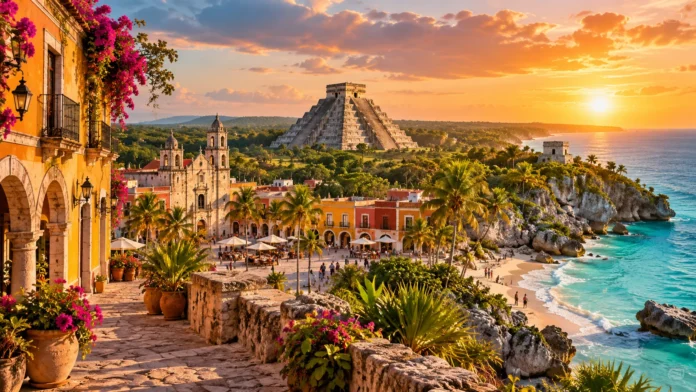

Mexico is one of the most exciting travel destinations in North America, offering beautiful beaches, ancient ruins, colorful cities, and breathtaking natural landscapes. From the Caribbean coastline to historic colonial towns, the country offers countless attractions for visitors with different interests. Exploring the best places to visit in Mexico allows travelers to experience its fascinating history, diverse culture, and remarkable scenery.
Mexico is famous for its ancient Maya and Aztec heritage, traditional cuisine, lively festivals, and welcoming communities. Visitors can discover archaeological wonders, relax on tropical beaches, explore mountain towns, and experience vibrant city life. Each region offers something distinctive, making Mexico an excellent destination for cultural sightseeing, outdoor adventures, and memorable holidays.
Why Is Mexico One of the Best Travel Destinations?
Mexico attracts visitors because of its remarkable combination of natural beauty, cultural heritage, and diverse travel experiences. The country features tropical beaches, dramatic mountains, ancient archaeological sites, and historic colonial cities. Travelers can explore different environments within one country, making it suitable for beach holidays, cultural adventures, nature trips, and family vacations.
Another major attraction is Mexico’s rich history, which reflects centuries of Indigenous civilizations and later European influences. Ancient pyramids, colorful traditional markets, and historic architecture provide opportunities to understand the country’s cultural development. Visitors can also experience regional music, traditional crafts, and festivals that remain important parts of Mexican community life.
Mexico is also celebrated for its distinctive cuisine, which varies considerably between regions. Travelers can enjoy local specialties, discover family-run restaurants, and explore busy food markets filled with traditional ingredients. With destinations ranging from lively cities to peaceful coastal villages, Mexico offers something for almost every type of traveler.
Mexico City: Explore the Country’s Vibrant Capital
Mexico City is one of the best places to visit in Mexico for history, art, architecture, and cultural experiences. As the country’s capital, it combines modern urban life with important historical attractions. Visitors can explore museums, traditional neighborhoods, beautiful parks, and impressive landmarks while discovering the city’s lively atmosphere and fascinating cultural identity.
The historic center is home to major attractions such as the Metropolitan Cathedral, the National Palace, and the Zócalo. Visitors can also explore the nearby Templo Mayor archaeological site, which reveals important aspects of the ancient Mexica civilization. These landmarks provide a memorable introduction to Mexico City’s complex history and architectural heritage.
Other popular attractions include Chapultepec Park, the National Museum of Anthropology, and the colorful neighborhood of Coyoacán. The Frida Kahlo Museum is another well-known destination for visitors interested in Mexican art. With excellent restaurants, cultural institutions, and historic neighborhoods, Mexico City deserves several days of exploration rather than a brief stop.
Cancún: Discover Beautiful Caribbean Beaches
Cancún is one of Mexico’s most popular beach destinations, famous for its white sandy shores and turquoise Caribbean waters. Located in the state of Quintana Roo, it attracts travelers seeking sunshine, coastal relaxation, and comfortable resort accommodation. Its beaches and convenient tourist facilities make Cancún particularly appealing for first-time visitors.
The Hotel Zone contains many of Cancún’s famous beaches, hotels, restaurants, and shopping areas. Playa Delfines is a popular attraction known for its beautiful coastal views and extensive sandy shoreline. Visitors can enjoy beachfront walks, photography, and relaxation while following local swimming warnings because currents and wave conditions can vary.
Cancún also serves as a convenient starting point for exploring nearby attractions throughout the Yucatán Peninsula. Travelers can arrange excursions to archaeological sites, natural swimming areas, and neighboring coastal destinations. Combining beach relaxation with cultural sightseeing makes Cancún an excellent choice for visitors wanting different experiences during one holiday.
Chichén Itzá: Visit Mexico’s Famous Ancient Pyramids
Chichén Itzá is one of Mexico’s most important archaeological attractions and a UNESCO World Heritage Site. Located in the Yucatán Peninsula, this ancient Maya city is recognized for its remarkable architecture and historical significance. Visitors can explore impressive stone structures while learning about the scientific knowledge, religious traditions, and cultural achievements of the Maya civilization.
The most recognizable landmark is El Castillo, also called the Temple of Kukulcán, which dominates the archaeological complex. Other important structures include the Great Ball Court, Temple of the Warriors, and El Caracol observatory. These monuments demonstrate the sophisticated planning and architectural techniques used by ancient civilizations in the region.
Exploring Chichén Itzá is especially rewarding for travelers interested in history and archaeology. The site can become hot during the afternoon, so arriving early may provide more comfortable sightseeing conditions. Comfortable walking shoes, drinking water, and sun protection are useful when spending time exploring the extensive outdoor archaeological area.
Tulum: Ancient Ruins and Coastal Beauty
Tulum is a beautiful destination along Mexico’s Caribbean coast, known for its spectacular beaches and ancient Maya ruins. Unlike many inland archaeological sites, the historic ruins of Tulum overlook the turquoise sea from limestone cliffs. This dramatic setting makes the destination especially attractive for photography, cultural exploration, and coastal sightseeing.
The Tulum archaeological zone contains structures associated with an important ancient coastal settlement. Visitors can explore the preserved ruins while enjoying impressive views of the Caribbean coastline. The combination of historical architecture and natural scenery creates a distinctive experience that appeals to travelers interested in both Mexican heritage and beautiful landscapes.
Beyond the archaeological site, Tulum offers beaches, restaurants, nearby cenotes, and natural attractions. Visitors can explore surrounding areas while choosing activities suited to their interests and travel budgets. Because Tulum has become a popular destination, planning transportation and accommodation carefully can help avoid unnecessary expenses and crowded travel experiences.
Playa del Carmen: Beaches, Shopping, and Island Excursions
Playa del Carmen is a lively coastal destination located between Cancún and Tulum on the Riviera Maya. It offers beautiful beaches, pedestrian shopping streets, restaurants, and convenient access to nearby attractions. The city appeals to travelers who want coastal relaxation combined with shopping, sightseeing, and opportunities to explore the wider region.
Quinta Avenida, also known as Fifth Avenue, is one of Playa del Carmen’s most recognizable attractions. This busy pedestrian street contains shops, cafés, restaurants, and entertainment areas within walking distance of the coastline. Visitors can explore local businesses, enjoy regional cuisine, and experience the city’s energetic atmosphere throughout the day.
Playa del Carmen also serves as a departure point for ferries traveling to Cozumel, an island known for its coastal scenery and marine environments. Guided excursions offer opportunities to explore surrounding destinations, including cenotes and archaeological sites. Its central location makes Playa del Carmen a practical base for discovering several Riviera Maya attractions.
Oaxaca: Discover Traditional Mexican Culture
Oaxaca is one of Mexico’s most rewarding destinations for travelers interested in culture, food, crafts, and historic architecture. Located in southern Mexico, Oaxaca City is famous for its beautiful colonial-era streets and strong Indigenous cultural traditions. Visitors can explore colorful markets, impressive churches, and lively public squares while experiencing the region’s distinctive identity.
The historic center includes important landmarks such as the Church of Santo Domingo de Guzmán and the city’s central square. Local markets offer traditional foods, handmade textiles, pottery, and other regional products. Travelers can also discover museums and cultural spaces that explain the artistic and historical importance of Oaxaca’s diverse communities.
Nearby Monte Albán is an important archaeological attraction associated with the ancient Zapotec civilization. Its elevated location provides impressive views of the surrounding valleys and mountains. Combining Oaxaca City’s cultural experiences with archaeological sightseeing allows visitors to appreciate the region’s fascinating history, traditional craftsmanship, and remarkable cultural continuity.
Puerto Vallarta: Explore Mexico’s Pacific Coast
Puerto Vallarta is a beautiful coastal city located along Banderas Bay on Mexico’s Pacific shoreline. The destination is known for its scenic beaches, mountainous surroundings, traditional streets, and welcoming seaside atmosphere. Visitors can combine relaxing coastal experiences with cultural attractions, shopping, and opportunities to explore nearby natural landscapes.
The Malecón is one of Puerto Vallarta’s most popular attractions, offering a scenic waterfront promenade decorated with sculptures and public artwork. Visitors can walk along the coastline, enjoy ocean views, and explore nearby restaurants. The Zona Romántica is another appealing neighborhood, known for its traditional streets, local businesses, and lively atmosphere.
Beyond the city center, travelers can explore beaches, coastal villages, and surrounding mountain scenery through organized excursions. Wildlife observation opportunities may also be available during appropriate seasons, particularly for marine animals. Selecting responsible tour operators helps support conservation while allowing visitors to appreciate the region’s natural beauty.
Los Cabos: Desert Landscapes and Ocean Views
Los Cabos is a famous destination located at the southern tip of Mexico’s Baja California Peninsula. The region includes Cabo San Lucas and San José del Cabo, offering beautiful coastal scenery and dramatic desert landscapes. Its distinctive combination of rocky cliffs, sandy beaches, and ocean views makes it popular among international travelers.
El Arco, a natural rock formation near Cabo San Lucas, is one of the region’s most recognizable landmarks. Visitors can admire this coastal attraction from authorized boat excursions and nearby viewpoints. The surrounding waters offer impressive scenery, although strong currents mean some beaches are unsuitable for swimming and require particular caution.
San José del Cabo provides a different experience through its historic streets, art galleries, and traditional town atmosphere. Travelers can explore local shops, enjoy regional cuisine, and discover cultural attractions away from the busiest resort areas. Los Cabos is especially appealing for visitors seeking coastal sightseeing alongside comfortable accommodation and desert scenery.
Guanajuato: Explore Colorful Streets and Historic Architecture
Guanajuato is a picturesque city in central Mexico, known for its colorful buildings, narrow streets, and fascinating mining history. Its historic center is recognized as a UNESCO World Heritage Site and contains impressive colonial-era architecture. Travelers can explore winding alleyways, beautiful plazas, and historic buildings while enjoying the city’s distinctive hillside setting.
One of Guanajuato’s most recognizable attractions is the Callejón del Beso, a narrow alley associated with a famous local legend. The city also features landmarks such as Teatro Juárez and the Basilica of Our Lady of Guanajuato. These attractions make walking through the historic center an enjoyable experience for visitors interested in architecture.
Guanajuato is also known for its artistic traditions, museums, and cultural events. The city’s underground roadways and hillside viewpoints add to its unusual character. Visitors who enjoy exploring historic towns will appreciate the combination of colorful scenery, pedestrian-friendly streets, and cultural attractions found throughout this remarkable Mexican destination.
San Miguel de Allende: A Charming Colonial Town
San Miguel de Allende is one of Mexico’s most beautiful historic towns, located in the central state of Guanajuato. It is particularly famous for its colorful architecture, artistic atmosphere, and charming cobblestone streets. The town attracts travelers interested in cultural exploration, photography, traditional architecture, and relaxed sightseeing experiences.
The Parroquia de San Miguel Arcángel is the town’s most recognizable landmark, featuring an impressive neo-Gothic-style façade. Its location overlooking the central square creates a beautiful setting surrounded by historic buildings and lively public spaces. Visitors can explore nearby art galleries, local shops, and restaurants while discovering the character of the town.
San Miguel de Allende is also known for its creative community and cultural activities. Art workshops, traditional markets, and seasonal celebrations provide opportunities to experience local traditions. Travelers who prefer exploring destinations at a slower pace will appreciate the town’s inviting atmosphere and its mixture of historical beauty and contemporary artistic life.
Copper Canyon: Discover Mexico’s Dramatic Natural Landscapes
Copper Canyon, also known as Barrancas del Cobre, is a spectacular canyon system in the Sierra Tarahumara region of Chihuahua. The area contains deep valleys, dramatic mountain formations, and impressive viewpoints. Its remarkable scenery makes it one of Mexico’s best destinations for travelers interested in nature, mountain landscapes, and cultural discovery.
One popular way to experience the region is through the Chihuahua-Pacific railway, commonly known as El Chepe. The railway passes through impressive mountain scenery and connects destinations across parts of the canyon region. Travelers should check current routes and schedules before planning because different train services operate along selected portions of the railway.
Copper Canyon is also home to Rarámuri communities with distinctive cultural traditions and longstanding connections to the surrounding landscapes. Respectful cultural experiences can provide meaningful opportunities to learn about local history and community life. Visitors should choose suitable guided activities and account for changing mountain weather and transportation conditions.
Palenque: Explore Ancient Maya Ruins in the Jungle
Palenque is one of Mexico’s most fascinating archaeological destinations, located in the southern state of Chiapas. The ancient Maya city is surrounded by lush vegetation, creating a remarkable atmosphere for historical exploration. Its temples, palaces, and detailed stone carvings reveal important aspects of Maya architecture, religious traditions, and political history.
The Temple of the Inscriptions is among Palenque’s most significant monuments, known for its association with the Maya ruler Pakal. Visitors can also admire the Palace complex and other impressive archaeological structures. The surrounding forest adds to the experience, offering opportunities to appreciate both ancient history and the natural environment.
Chiapas offers additional attractions beyond Palenque, including waterfalls, traditional communities, and scenic landscapes. Travelers can combine archaeological sightseeing with visits to other parts of the region when transport and conditions allow. Because the climate can be hot and humid, comfortable clothing, drinking water, and suitable footwear are important.
Best Time to Visit Mexico and Essential Travel Tips
The best time to visit Mexico depends on the regions and activities included in your itinerary. November through April is generally a popular period for visiting many coastal destinations because of relatively dry conditions. However, Mexico’s varied geography creates different climates, making regional weather research important before choosing travel dates.
The rainy season affects many parts of Mexico from approximately May through October, although rainfall patterns differ by destination. Tropical storms and hurricanes can affect coastal areas during the broader hurricane season. Travelers should monitor weather forecasts, plan flexible itineraries, and check official travel advisories because safety conditions can vary between regions.
Mexico has extensive domestic transportation options, including flights, intercity buses, and local transport services. Choosing reputable transportation providers and arranging suitable accommodation can make travel more convenient. Visitors should also check passport requirements, entry rules, current safety information, and attraction opening hours before departure to ensure a smoother holiday.
Conclusion
Mexico is an extraordinary travel destination offering everything from ancient archaeological wonders to beautiful beaches and colorful historic cities. Popular attractions such as Chichén Itzá, Mexico City, Cancún, and Tulum provide memorable experiences for first-time visitors. Each region offers distinctive scenery, cultural traditions, and opportunities to explore the country’s fascinating heritage.
Travelers interested in history can explore Oaxaca, Guanajuato, Palenque, and San Miguel de Allende, while coastal destinations provide relaxing beach experiences. Nature enthusiasts can discover Copper Canyon and the landscapes of Baja California. Combining destinations that suit your interests helps create a more enjoyable itinerary without rushing between distant locations.
Planning the right travel season, choosing suitable transportation, and understanding regional differences can make your Mexico holiday more rewarding. Whether you enjoy historical landmarks, traditional cuisine, natural beauty, or coastal relaxation, the country offers countless attractions worth exploring. Mexico’s remarkable diversity makes it a destination that invites travelers to return and discover more.
Frequently Asked Questions
What is the most famous place to visit in Mexico?
Chichén Itzá is one of Mexico’s most famous attractions, known for its ancient Maya pyramids and historical significance. Other popular destinations include Mexico City, Cancún, Tulum, and Puerto Vallarta.
What are the best places to visit in Mexico for first-time travelers?
Mexico City, Cancún, Chichén Itzá, and Playa del Carmen are popular choices for first-time visitors. These destinations offer a combination of cultural attractions, beaches, historical landmarks, and established tourist facilities.
What is the best month to visit Mexico?
November through April generally offers favorable weather in many popular destinations. However, the ideal month depends on whether you plan to explore beaches, historic cities, mountains, or different regions.
How many days do you need to explore Mexico?
Seven to ten days can provide a good introduction to one or two regions. Travelers planning to explore several major destinations may prefer two to three weeks because Mexico is geographically extensive.
Is Mexico expensive for tourists?
Travel expenses in Mexico vary according to destination, accommodation, transportation, and activities. Popular beach resorts can be expensive, while smaller cities, local restaurants, and budget accommodation may provide more affordable options.




